A steam oven uses pure steam to cook food, locking in moisture, nutrients, and flavor without added fats. It’s a versatile powerhouse for everything from delicate fish and crisp vegetables to artisanal bread and even reheating leftovers perfectly. In 2026, smart features and hybrid models make it easier than ever to achieve restaurant-quality results at home, promoting healthier eating and reducing food waste.
Remember the days of boiling a pot of water, balancing a steamer basket over it, and hoping the water didn’t all evaporate before your broccoli was done? That was the old way. Today, the humble steamer has had a monumental upgrade, transforming from a simple basket into a sophisticated, countertop-friendly (or built-in) appliance that’s changing how we cook. Welcome to the era of the dedicated steam oven. But what is a steam oven, really? And why are food lovers and health advocates calling it one of the most important kitchen tools of the modern age, with 2026 trends making it more accessible than ever? Let’s dive in, steam-first.
At its heart, a steam oven is exactly what the name suggests: an oven that primarily uses steam as its cooking medium. Instead of the hot, dry air of a conventional oven or the radiation of a microwave, it injects vaporized water directly into a sealed cooking chamber. This creates a humid environment that transfers heat to food gently and evenly. The result? Food that is incredibly juicy, tender, and packed with flavor, all while requiring minimal to no added fats. It’s a technique professional chefs have used for centuries, now automated and perfected for the home kitchen. In 2026, the conversation isn’t just about what it cooks, but how it integrates into our smarter, more health-focused lifestyles.
Key Takeaways
- Steam ovens cook with vaporized water, not dry heat or microwaves. This moist-heat method prevents drying out and preserves more vitamins and minerals compared to boiling or conventional baking.
- They are a health-conscious cook’s best friend. You can achieve crispy skins and tender interiors with little to no added oil, making fried favorites like chicken or fries significantly healthier.
- Versatility is a key advantage. Beyond steaming veggies and fish, modern steam ovens excel at proofing dough, reheating pizza to crispy perfection, and even sous vide cooking.
- They are different from microwave-steam combos. True steam ovens have a dedicated water reservoir and steam generator, providing consistent, controllable humidity for superior texture and flavor.
- 2026 models are smarter and more integrated. Look for Wi-Fi connectivity, app-guided recipes, automatic humidity sensors, and seamless combination with convection or air fry modes.
- Proper maintenance is simple but crucial. Regularly descaling the water system and wiping down the cavity after each use ensures longevity and optimal performance.
- It’s a complement, not always a replacement. For large roasts or baking multiple trays of cookies, your traditional oven may still be the workhorse; the steam oven shines for specific tasks where moisture control is key.
📑 Table of Contents
- How Does a Steam Oven Actually Work? The Science of Steam
- The Unbeatable Health & Nutrition Benefits of Steam Cooking
- Beyond Veggies: The Surprising Versatility of Your Steam Oven
- Essential Steam Oven Cooking Tips for 2026
- Steam Oven vs. Conventional Oven vs. Microwave: When to Use What
- The Future is Now: What to Expect from Steam Ovens in 2026 and Beyond
- Conclusion: Is a Steam Oven Right for You in 2026?
How Does a Steam Oven Actually Work? The Science of Steam
Understanding the mechanics helps you appreciate the magic. There are two primary types of steam ovens you’ll encounter in 2026: standalone steam ovens and combi-steam ovens (which combine steam with convection or air fry). Both operate on a similar core principle.
The Steam Generation System
A dedicated water reservoir (either a removable tank or a direct-plumbed connection) feeds water into a heating element or boiler. This element superheats the water instantly, turning it into a powerful, dry steam that’s pumped into the cooking cavity. The key advantage over a stovetop steamer is precision and consistency. You set an exact temperature (often from 100°F/38°C up to 450°F/230°C in combo models) and a timer, and the oven maintains that environment flawlessly. There’s no guesswork about water levels or fluctuating heat.
Temperature and Humidity Control
This is where the technology shines. In a pure steam mode, the oven’s internal temperature typically maxes out at the boiling point of water (212°F/100°C at sea level). Why? Because once the cavity is saturated with steam, adding more heat doesn’t raise the temperature; it just increases the steam’s energy. This makes it nearly impossible to overcook or dry out delicate items like fish fillets or custards. Combi-steam ovens, however, can blow hot, dry air (convection) alongside steam. This hybrid mode is a game-changer: you can start a chicken with high steam to keep it juicy, then finish with convection to get that golden, crispy skin.
The Cooking Chamber Design
These ovens are built to retain steam. The door seals tightly, and the interior is often made of stainless steel to resist corrosion from constant moisture. Racks are designed to allow steam to circulate freely around every angle of your food. In 2026, expect to see even better airflow designs and non-stick interior coatings that make cleanup after a sticky glaze or cheese melt a breeze.
The Unbeatable Health & Nutrition Benefits of Steam Cooking
This is the headline act for many. If you’re looking to cook healthier meals without sacrificing taste, a steam oven is your silent partner. The science is clear: moist-heat cooking is one of the best methods for nutrient retention.
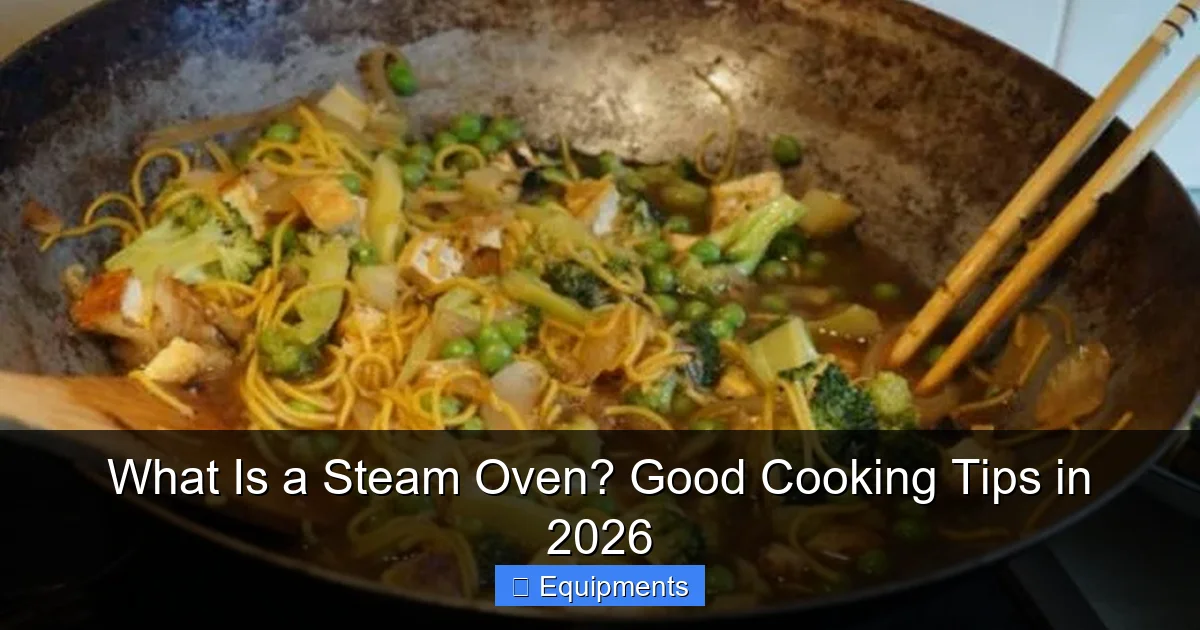
Visual guide about What Is a Steam Oven? Good Cooking Tips in 2026
Image source: cdn.acidcow.com
Locking In Vitamins and Minerals
Water-soluble vitamins like Vitamin C and B vitamins are notoriously fragile. Boiling can leach up to 50% or more of these nutrients into the water, which we then pour down the drain. Steaming, especially in a closed environment like an oven, exposes food to minimal water. Studies show steaming can preserve up to 90% of antioxidants in vegetables like broccoli and spinach compared to boiling. You’re not just eating your veggies; you’re maximizing their nutritional punch.
Drastically Reducing Added Fats
Think about roasting vegetables. To prevent sticking and add flavor, we often toss them in a generous glug of oil. In a steam oven, you can place plain vegetables on a rack, and they cook to tender-crisp perfection without a drop. For proteins like chicken breast or fish, the steam baste the food from the inside out, keeping it succulent. You achieve the sensation of a rich, buttery texture naturally. This isn’t about eating bland food; it’s about letting the pure flavor of the ingredient shine through, unburdened by excess calories from oil.
No More Dried-Out Disasters
We’ve all been there: a pork chop that’s tough as leather, a salmon fillet that flakes into dryness. The even, gentle heat of steam cooks food uniformly from the outside in, but the saturated atmosphere prevents moisture from escaping. The result is consistently juicy proteins. For the health-conscious, this means you can confidently cook lean cuts that are typically prone to drying, expanding your healthy recipe repertoire without fear.
Beyond Veggies: The Surprising Versatility of Your Steam Oven
If you think a steam oven is just for vegetables, you’re in for a treat. Its applications are astonishingly broad, making it a true multi-tasker. Here’s where your 2026 steam oven will become indispensable.
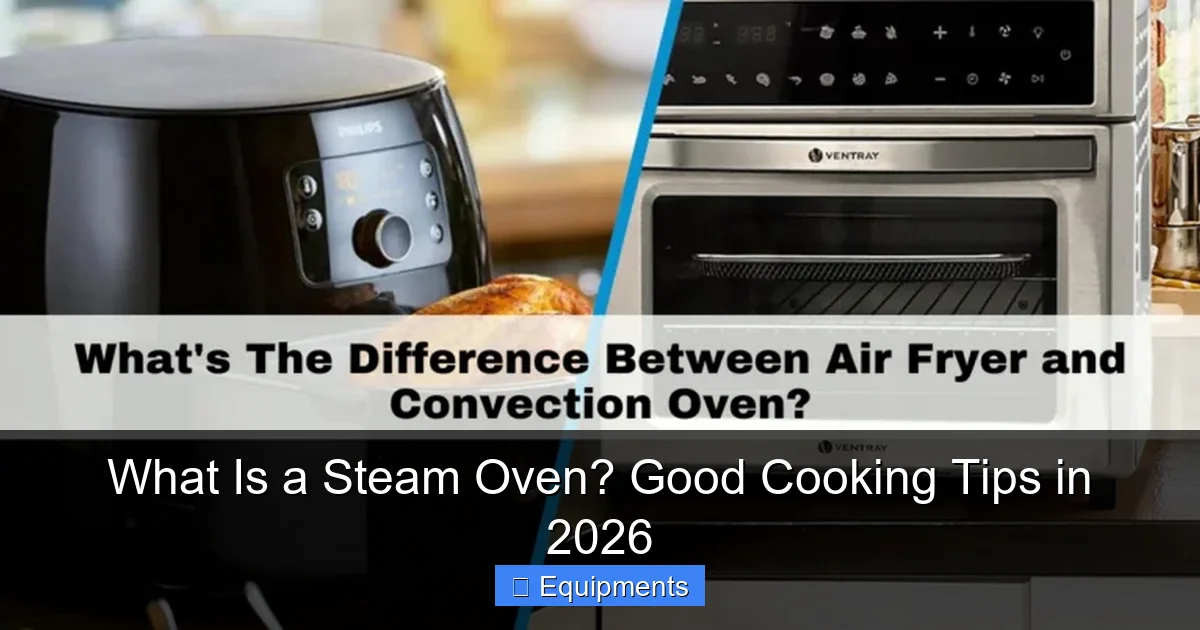
Visual guide about What Is a Steam Oven? Good Cooking Tips in 2026
Image source: goodhousecleaner.com
Perfect Proteins Every Time
- Fish & Shellfish: This is arguably the steam oven’s superstar performance. A ½-inch salmon fillet cooks in 8-10 minutes at 212°F (100°C), emerging opaque, flaky, and impossibly moist. Scallops and shrimp cook in mere minutes, retaining their sweet, delicate flavor.
- Poultry: Bone-in, skin-on chicken thighs or drumsticks are a revelation. Steam first at 212°F until cooked through (about 25 mins), then switch to convection/air fry mode for 5-8 minutes to crisp the skin to golden perfection. Boneless breasts stay succulent.
- Eggs: Make perfect, easy-to-peel hard-boiled eggs by steaming them for 12-14 minutes. The steam cooks them evenly and the shell separates cleanly. You can also make exquisite, smooth custards and crème brûlée in a water bath setting within the oven.
The Artisan Baker’s Secret Weapon
- Proofing Dough: The warm, humid environment is a dream for yeast. Get faster, more consistent rises for bread, pizza dough, and even cinnamon rolls. No more worrying about a drafty kitchen.
- Crusty Breads: Use the combo steam/convection mode. Inject steam in the first 5-10 minutes of baking to create a thin, crispy crust (the steam delays crust formation, allowing for oven spring), then finish with dry heat to set it.
- Reheating Pastries: Revive day-old croissants, muffins, or pizza slices. A quick 3-5 minute steam cycle (often a dedicated “reheat” function) restores softness without making them soggy, a feat a microwave can’t manage.
Revolutionizing Leftovers and Meal Prep
Reheating is where most people give up on leftovers. A steam oven changes the game. It gently rehydrates and warms food without the rubbery texture of a microwave or the further drying of a conventional oven. Rice, quinoa, and grain bowls steam back to life. Pasta dishes are revitalized. Even fried chicken can be reheated with steam first to warm the meat, then a blast of convection to re-crisp the coating.
Essential Steam Oven Cooking Tips for 2026
Mastering your steam oven is about understanding its language. Here are the non-negotiable tips for fantastic results, incorporating the smart features of 2026 models.
Visual guide about What Is a Steam Oven? Good Cooking Tips in 2026
Image source: steamandbake.com
1. Season Generously, But Smartly
Steam doesn’t caramelize or brown food on its own. That means flavors that come from browning (like seared meat) need help. Season aggressively with herbs, spices, citrus zest, and aromatics. Place sprigs of rosemary or thyme, slices of lemon, or garlic cloves directly on the food or in the drip tray below. The steam will infuse these flavors deep into the food. For a finishing touch, use the convection mode at the end to get color, or quickly sear meat on the stovetop after steaming.
2. Mind the Liquid: Broth, Wine, and Citrus
Elevate your steaming liquid. Instead of plain water in the reservoir (which doesn’t flavor food directly), use the oven’s own drip tray. Pour a cup of flavorful liquid—chicken or vegetable broth, white wine, a mixture of water and soy sauce, or even juice—into the bottom tray. As this liquid heats and evaporates, it creates a fragrant steam that subtly seasons your food from below. This is a pro tip for 2026 kitchens.
3. Use the Right Accessories
Don’t just plop food on a rack. Invest in a few key accessories:
- Perforated Steam Pans: These allow steam to circulate around and under food, perfect for veggies, dumplings, or fish.
- Solid Steam Pans: Use these to hold the flavorful liquid mentioned above, or for cooking items like grains or lentils directly in their own steam.
- Silicone Mats or Parchment: Line solid pans for easy cleanup, especially with sticky marinades or cheeses.
- Bamboo Steamer Baskets: These are fantastic for dim sum, vegetables, or reheating multiple items at once. They absorb some moisture, giving a slightly different texture.
4. Leverage Smart Features and Sensors
2026 models are loaded with tech. Don’t ignore it!
- Probe Thermometers: Many combi-ovens have a temperature probe. Use it! Insert it into the thickest part of your meat or the center of your loaf. Set your target internal temperature, and the oven will shut off automatically, guaranteeing perfect doneness every time.
- App-Guided Recipes: Major brands have apps with hundreds of tested recipes. These often automatically program the oven with the correct mode, temperature, and time. It’s like having a chef guide you step-by-step. This is the easiest way to learn your machine’s capabilities.
- Automatic Humidity Sensors: Some high-end models sense the humidity level inside and adjust steam output accordingly for consistent results. Trust the “Auto” or “Smart” modes for fuss-free cooking.
5. Don’t Overcrowd the Cavity
Steam needs to circulate. Packing pans tightly together will create uneven cooking, with some spots getting more steam than others. Leave space between items and between pans and the walls. For large quantities, cook in batches. It’s better to have two perfect rounds of steamed broccoli than one soggy, overcrowded one.
6. The Finishing Blast is Key for Texture
If you want crispy, golden, or caramelized results, you must use a second, dry-heat phase. The rule of thumb: steam first, crisp last.
- Chicken: Steam to cook through, then 400°F convection for 5-8 mins.
- Tofu or Veggies: Steam until tender, then switch to air fry mode at 400°F for 8-12 mins, shaking the pan halfway.
- Bread: Steam for the first 5-10 mins of bake time, then remove the steam function and continue with convection bake.
Steam Oven vs. Conventional Oven vs. Microwave: When to Use What
No single appliance does everything best. Understanding each tool’s strength is the mark of an efficient cook.
Steam Oven Wins For:
- Delicate fish and seafood.
- Vegetables where color and nutrient retention are paramount.
- Lean poultry breasts and pork chops.
- Proofing dough and baking artisanal bread.
- Reheating almost anything without drying it out.
- Sous vide-style cooking (in combo models with precise low-temp control).
- Making perfect eggs and custards.
Conventional/Convection Oven Wins For:
- Large roasts (prime rib, whole turkey) where high, dry heat is needed for a crust.
- Baking multiple trays of cookies or muffins at once (better airflow capacity).
- Casseroles and dishes that benefit from browning and bubbling on top.
- Pizza baked directly on a stone (though a steam oven can do a great job with a pan).
- Any recipe specifically developed for a standard oven that requires a dry environment.
Microwave Wins For:
- Ultra-fast defrosting.
- Quickly melting butter or chocolate.
- Reheating small portions of liquids or very soft foods where texture is irrelevant (like soup).
- Blanching vegetables before a final steam or sauté (though a steam oven can do this too).
Bottom Line: If you have the space and budget, a steam oven (or a combi-steam) is a spectacular second oven. It handles the tasks where your main oven is merely “okay” and turns them into “exceptional.”
The Future is Now: What to Expect from Steam Ovens in 2026 and Beyond
The appliance industry is moving fast. If you’re shopping in 2026, here are the trends and features that are becoming standard, moving steam ovens from a niche product to a mainstream kitchen staple.
Hyper-Integration with Smart Home Ecosystems
Forget just controlling your oven from an app. In 2026, expect seamless integration with Alexa, Google Home, and Apple HomeKit. You’ll be able to start a pre-programmed “Steamed Salmon & Asparagus” cycle with a voice command while your hands are busy prepping the salad. More importantly, these systems will learn. They might suggest a “Perfect Roast Chicken” combo cycle (steam then crisp) based on the weight of the bird you placed inside, using data from thousands of other user results.
AI-Powered Cooking Assistants
The next step beyond pre-set programs is true AI. Cameras inside the oven (already emerging) will identify the food—a tray of frozen dumplings, a piece of salmon—and automatically recommend or select the optimal cooking mode, temperature, and time. It will account for ambient humidity and even calibrate based on previous successful cooks you’ve done. It’s the ultimate set-it-and-forget-it, personalized to your exact machine and ingredients.
Sustainability and Efficiency Focus
Manufacturers are responding to the demand for greener appliances. 2026 models will boast:
- Ultra-low water consumption cycles for foods with high natural moisture (like tomatoes for sauce).
- Faster heat-up times using more efficient steam generators, reducing overall energy use.
- Improved insulation to keep heat in, meaning less energy wasted.
- Longer service intervals for descaling, thanks to better water filtration systems built into the reservoir.
Modular and Space-Saving Designs
Not everyone has room for a full-sized wall oven. The market is exploding with high-performance, countertop steam ovens that are larger and more powerful than the early models. Some are even designed to stack with other appliances (like a microwave module on top). For apartments and small kitchens, this modularity is key. We’ll also see more “drawer” style steam ovens that install at a comfortable height, eliminating the need to bend.
Expanded Culinary Programs
Beyond “Fish” and “Veggies,” expect dedicated cycles for:
- Perfect Fermentation: Precise temperature and humidity control for yogurt, kombucha, and sourdough starter.
- Dehydrating & Fruit Leathers: Using low-temp convection with very low humidity.
- Melting & Chocolate Tempering: Gentle, controlled heat for professional pastry results.
- Baby Food & Purees: Steaming fruits and veggies to the perfect softness while retaining nutrients.
Conclusion: Is a Steam Oven Right for You in 2026?
The question is no longer what is a steam oven, but why don’t you have one yet? It represents a fundamental shift in home cooking—a return to a gentler, more flavorful, and healthier method, supercharged by 21st-century technology. In 2026, the barriers are lower than ever. Prices for capable countertop models are competitive, smart features make them foolproof, and the culinary results are transformative.
Think of it as an investment in your health and your happiness in the kitchen. It takes the stress out of cooking lean proteins, turns weekday vegetable sides into vibrant, nutrient-dense highlights, and makes baking bread a reliable joy. It won’t replace your大型 conventional oven for Thanksgiving turkey, but it will handle 80% of your daily cooking with superior results, often faster and with less energy.
So, as you plan your kitchen upgrades for the coming year, give the steam oven serious consideration. Embrace the steam. Your taste buds—and your waistline—will thank you for it. The future of cooking is moist, smart, and delicious.
Frequently Asked Questions
Can I use regular tap water in my steam oven?
Yes, but it depends on your water’s hardness. In areas with very hard water, minerals can build up in the steam generator, requiring more frequent descaling. For optimal performance and longevity, many manufacturers recommend using filtered or distilled water, especially in 2026 models with advanced internal systems. Check your specific manual.
Is a steam oven the same as a microwave with a steam function?
No, they are fundamentally different. A microwave with a steam accessory uses microwave radiation to heat water, creating steam as a byproduct. A dedicated steam oven has a separate boiler that generates true, dry, pressurized steam independently. This provides much more precise temperature and humidity control, leading to far superior texture and cooking results, especially for delicate foods.
What’s the biggest mistake beginners make with a steam oven?
Over-seasoning or underseasoning because they forget steam doesn’t brown food. Season aggressively with herbs, spices, and aromatics since you won’t get caramelized flavors from steam alone. The second biggest mistake is not using the finishing convection/air fry cycle when crispiness is desired. Always plan your cook: steam to cook through, then dry heat for texture.
Can I cook frozen foods directly in a steam oven?
Absolutely! This is one of its strengths. You can steam frozen vegetables, dumplings, fish fillets, and even chicken breasts directly from frozen. The steam penetrates quickly and evenly, often with little to no loss of quality. You may need to add 1-2 minutes to the recommended cooking time for fresh equivalents. Many 2026 models have specific “From Frozen” programs.
How often do I need to descale my steam oven?
It depends entirely on your water hardness and usage. A general rule is every 1-3 months for heavy use with hard water. Many 2026 models have a built-in descaling alert system that monitors water use and hardness (if programmed) and notifies you when it’s time. Always use the manufacturer’s recommended descaling agent, usually a citric acid-based solution.
What’s the best first recipe to try in a new steam oven?
Start with something simple that showcases the core benefit: steamed asparagus or green beans. Toss a bunch of fresh spears with a little salt and pepper, place them on a perforated pan, and steam at 212°F (100°C) for 6-8 minutes. The vibrant color, crisp-tender texture, and pure flavor will instantly show you what you’ve been missing. For protein, a salmon fillet with lemon and dill is the next perfect step.
Pingback: What Is Carne Asada - kitchenandhouseware.com
Pingback: Is 1 Oz 30 Ml - kitchenandhouseware.com