Cleaning a paella pan doesn’t have to be a chore. With the right tools, gentle techniques, and a bit of patience, you can restore your pan to its original shine without damaging the metal. Follow these easy steps and keep your paella pan ready for the next feast.
Key Takeaways
- Know your pan material: Carbon steel, stainless steel, and enameled pans each need a specific cleaning approach.
- Act quickly: Removing food residue while it’s still warm prevents stubborn sticking.
- Avoid harsh abrasives: Soft sponges and non‑metallic scrubbers protect the pan’s surface.
- Season when needed: Carbon‑steel pans benefit from occasional re‑seasoning to keep them non‑stick.
- Dry thoroughly: Prevent rust by heating the pan briefly or wiping it dry after washing.
- Store properly: Keep pans in a dry place, preferably with a protective cloth or paper towel.
- Use natural cleaners: Baking soda, vinegar, and lemon are safe, effective alternatives to commercial chemicals.
📑 Table of Contents
- Introduction: Why Proper Cleaning Matters
- 1. Identify Your Pan Type
- 2. Daily Cleaning: The Warm‑Soon‑After Method
- 3. Deep Cleaning: When Stubborn Stains Appear
- 4. Re‑Seasoning a Carbon‑Steel Pan
- 5. Storing Your Paella Pan Correctly
- 6. Common Mistakes and How to Avoid Them
- Conclusion: Keep Your Paella Pan Ready for Every Celebration
Introduction: Why Proper Cleaning Matters
When you hear the sizzle of saffron hitting a hot paella pan, you know a feast is about to begin. But the joy of cooking can quickly turn into frustration if the pan is left dirty or, worse, rusted. A well‑maintained paella pan not only looks beautiful, it also cooks evenly and lasts for generations.
In this guide we’ll walk you through every step of cleaning a paella pan—whether it’s carbon steel, stainless steel, or enameled. You’ll learn quick daily tricks, deep‑cleaning methods, and how to re‑season a carbon‑steel pan so it stays non‑stick. Let’s keep that pan ready for the next saffron‑infused masterpiece.
1. Identify Your Pan Type
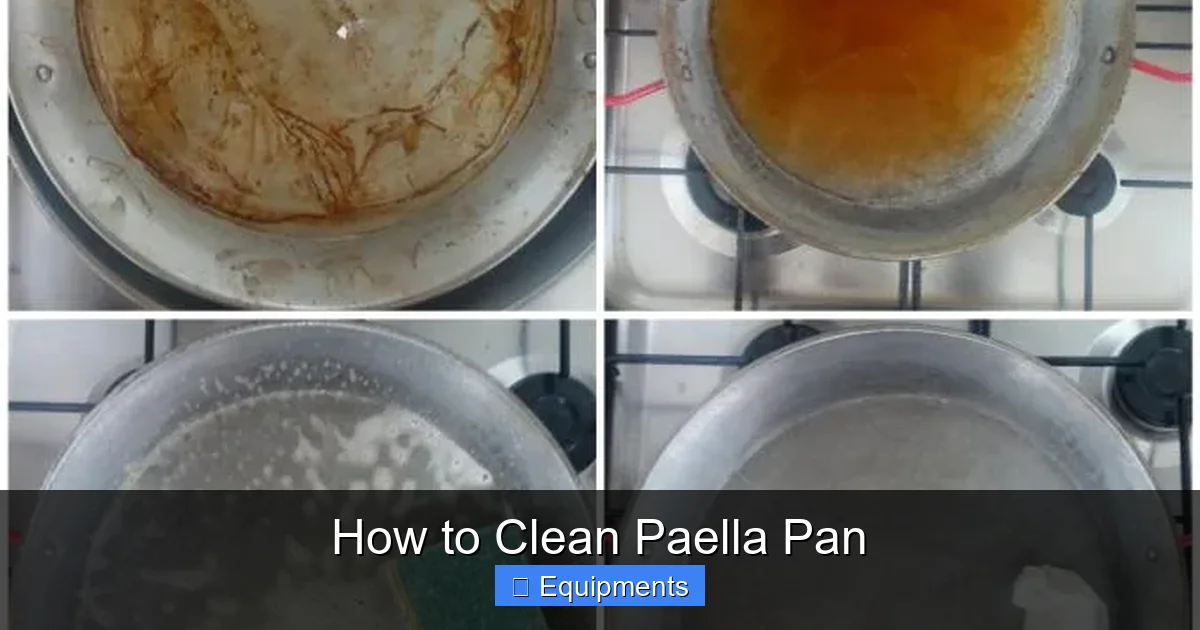
The first rule of cleaning is to know what you’re dealing with. Different materials react differently to water, heat, and cleaning agents.
Visual guide about How to Clean Paella Pan
Image source: cleanestor.com
Carbon Steel
Carbon‑steel pans are the traditional choice for authentic paella. They are lightweight, heat quickly, and develop a natural patina that becomes non‑stick over time. However, they are prone to rust if not dried properly.
Stainless Steel
Stainless‑steel pans are durable and resistant to corrosion. They don’t need seasoning, but they can develop stubborn brown spots if food burns onto the surface.
Enameled
Enameled pans have a glass‑like coating that prevents rust and eliminates the need for seasoning. The coating is fragile, so avoid metal scrubbers that can chip it.
2. Daily Cleaning: The Warm‑Soon‑After Method
Cleaning right after cooking is the easiest way to keep any pan in top shape.
Visual guide about How to Clean Paella Pan
Image source: thecleaneatingcouple.com
Step‑by‑Step
- Cool slightly: Let the pan sit for 5‑10 minutes after cooking. It should be warm, not scalding.
- Scrape gently: Use a wooden or silicone spatula to lift stuck bits.
- Rinse with hot water: Hot water loosens grease. No soap is needed for carbon steel if you plan to re‑season.
- Soft scrub: A non‑abrasive sponge or a nylon brush removes remaining residue.
- Dry immediately: Pat dry with a clean towel, then place the pan on low heat for 1‑2 minutes to evaporate any moisture.
Tip for Carbon Steel
If you notice a light film after rinsing, wipe the pan with a paper towel dipped in a few drops of neutral oil (vegetable or grapeseed). This thin oil layer protects the metal until the next use.
3. Deep Cleaning: When Stubborn Stains Appear
Sometimes food burns or the pan sits unused for days. Here’s how to tackle those tougher jobs.
Visual guide about How to Clean Paella Pan
Image source: i0.wp.com
Carbon Steel – Baking Soda Paste
- Mix 2 tbsp baking soda with enough water to form a thick paste.
- Apply the paste to the burnt area and let it sit for 15‑20 minutes.
- Scrub gently with a soft‑bristle brush.
- Rinse, dry, and re‑oil the pan.
Stainless Steel – Vinegar Boil
- Fill the pan with equal parts water and white vinegar.
- Bring to a boil and let it simmer for 5‑10 minutes.
- The acid loosens mineral deposits and brown spots.
- Discard the liquid, scrub with a non‑abrasive sponge, rinse, and dry.
Enameled – Cream of Tartar Solution
- Dissolve 1‑2 tbsp cream of tartar in warm water.
- Soak the pan for 30 minutes.
- Use a soft sponge to wipe the interior; the coating will stay intact.
- Rinse thoroughly and dry.
General Safety Note
Never use steel wool or metal scouring pads on any paella pan. They can scratch carbon steel, remove the enamel, and create rust‑prone spots.
4. Re‑Seasoning a Carbon‑Steel Pan
Seasoning builds a protective, non‑stick layer and prevents rust. Do it after a deep clean or whenever the pan looks dull.
Seasoning Process
- Wash and dry: Use hot water and a soft sponge. Dry completely on low heat.
- Apply oil: Rub a thin layer of high‑smoke‑point oil (flaxseed, grapeseed, or canola) over the entire interior and exterior.
- Heat the pan: Place on medium heat for 10‑15 minutes. The oil will polymerize, turning the surface dark.
- Cool and repeat: Let the pan cool, then repeat the oiling and heating step 2‑3 more times for a stronger patina.
Maintenance Tips
- After each use, wipe with a light coat of oil before storing.
- Avoid cooking acidic foods (tomatoes, lemon) in a freshly seasoned pan; acidity can strip the layer.
- If rust appears, scrub with steel wool gently, wash, dry, and re‑season immediately.
5. Storing Your Paella Pan Correctly
Proper storage extends the life of the pan and keeps rust at bay.
Dry Environment
Store the pan in a dry cabinet or on a rack where air can circulate. Moisture is the enemy of carbon steel.
Protective Layer
Place a soft cloth, paper towel, or a thin silicone mat between stacked pans to avoid scratches.
Long‑Term Storage
If you won’t use the pan for months, coat it with a thin layer of oil, wrap it in a breathable cloth, and store it in a cool, dry place.
6. Common Mistakes and How to Avoid Them
Even seasoned cooks slip up sometimes. Here are the pitfalls and the fixes.
Using Dish Soap on Carbon Steel
Soap can strip the seasoned layer. If you must use soap, re‑season right after cleaning.
Leaving Water to Sit
Any residual water on carbon steel invites rust. Always dry the pan thoroughly.
Scrubbing with Metal Pads
Metal pads damage enamel and create micro‑scratches on steel. Stick to soft sponges or nylon brushes.
Cooking Acidic Foods Too Soon
Acid can erode the seasoning. Wait until the patina is well‑established before cooking tomato‑based dishes.
Conclusion: Keep Your Paella Pan Ready for Every Celebration
A clean, well‑maintained paella pan is the secret behind perfectly cooked rice, crisp socarrat, and a beautiful presentation. By identifying your pan’s material, using the right daily and deep‑cleaning methods, re‑seasoning when needed, and storing it properly, you’ll enjoy a pan that lasts for decades. The next time you hear that sizzle, you’ll know your pan is up to the task—clean, seasoned, and ready to turn ordinary ingredients into a Spanish masterpiece.
Frequently Asked Questions
How often should I season a carbon‑steel paella pan?
Season the pan after the first few uses and then re‑season whenever the surface looks dull or after a deep clean. Many cooks season once a month during heavy use.
Can I put a paella pan in the dishwasher?
No. Dishwashers use harsh detergents and high humidity, which can strip seasoning and cause rust on carbon steel and damage enamel on coated pans.
Is it safe to use lemon juice to clean a stainless‑steel paella pan?
Yes, a small amount of lemon juice mixed with water can help remove stains. Rinse well and dry promptly to avoid water spots.
What’s the best oil for seasoning a carbon‑steel pan?
Flaxseed oil has a high smoke point and creates a durable polymerized layer, but grapeseed or canola oil work well too.
My carbon‑steel pan has rust spots. How do I remove them?
Scrub the rust with a non‑abrasive steel wool or a fine sandpaper, wash, dry, and then re‑season the pan immediately.
Can I use a metal spatula on an enameled paella pan?
It’s best to avoid metal utensils on enamel, as they can chip the coating. Use wooden, silicone, or plastic tools instead.