Got a rusted Blackstone? No worries! This guide walks you through cleaning, removing rust, reseasoning, and preventing future damage—all in plain, friendly language. Follow the steps, and your griddle will look and perform like new again.
Key Takeaways
- Identify the rust type: Light surface rust vs. deep pitting determines the method you need.
- Essential tools: All‑purpose cleaner, steel wool, vinegar, and high‑heat oil are enough.
- Step‑by‑step process: Clean, strip, scrub, rinse, dry, and reseason for lasting results.
- Heat is your friend: Proper pre‑heating burns off residues and helps the new seasoning bond.
- Preventive care: Regular cleaning, oiling, and covering keep rust at bay.
- When to replace: Severe pitting or warped plates may need a new griddle.
- Safety first: Use gloves, ventilation, and fire‑safe oil to avoid accidents.
📑 Table of Contents
- Introduction: Why Rust Happens and Why You Should Care
- 1. Assess the Damage: Light Surface Rust vs. Deep Pitting
- 2. Gather Your Tools and Materials
- 3. Clean the Griddle Thoroughly
- 4. Strip the Old Seasoning (If Needed)
- 5. Reseason Your Blackstone Griddle
- 6. Prevent Future Rust: Maintenance Routine
- Conclusion: Your Rust‑Free Blackstone Is Ready for Action
Introduction: Why Rust Happens and Why You Should Care
Blackstone griddles are a favorite for backyard chefs because they heat quickly and cook evenly. But like any metal surface, they can develop rust when exposed to moisture, salt, or neglect. Rust isn’t just an eyesore; it can affect heat distribution, cause food to stick, and even create off‑flavors.
The good news? Rust on a Blackstone is almost always fixable. With a few household items and a bit of patience, you can bring a neglected griddle back to life. This article breaks down the process into easy, bite‑sized steps. Whether you’re a weekend warrior or a seasoned pitmaster, you’ll find practical tips that fit your schedule and budget.
1. Assess the Damage: Light Surface Rust vs. Deep Pitting
Spot‑check the griddle surface
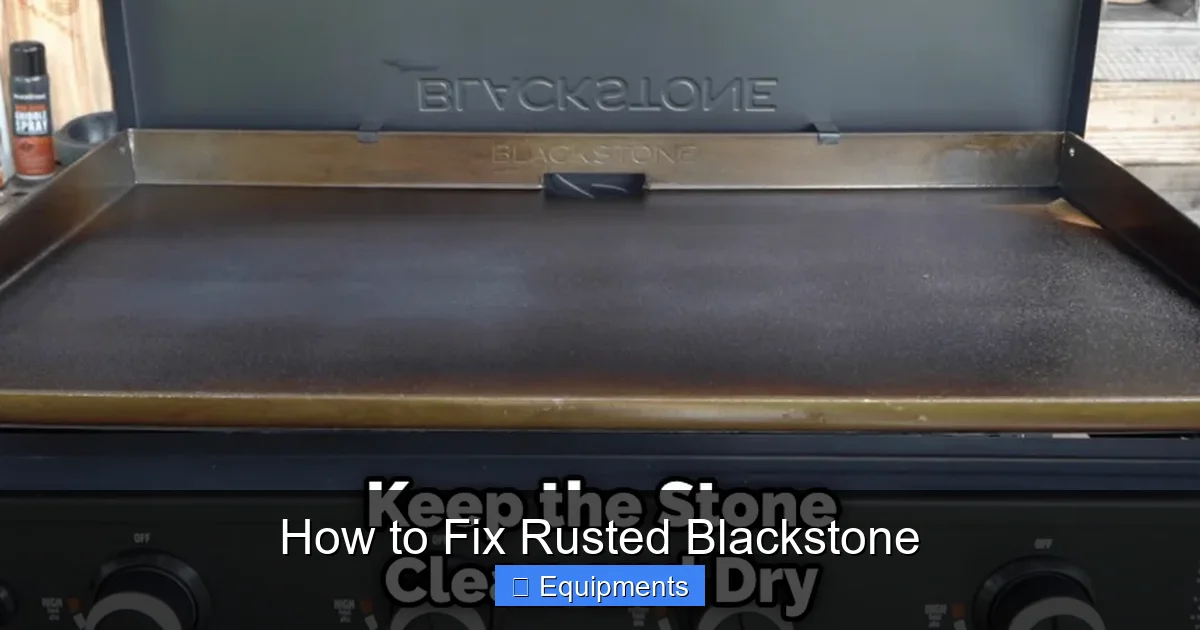
Before you start scrubbing, take a moment to walk around the griddle and look for rust patterns. Light, orange‑brown spots that can be wiped away with a cloth are surface rust. They usually form on the edges or where food drips linger.
Visual guide about How to Fix Rusted Blackstone
Image source: thekitchenix.com
When rust has eaten into the metal
Deep pitting appears as small holes or rough patches that feel gritty to the touch. This type of rust can weaken the plate over time and may require more aggressive removal methods or even a replacement.
Decision tree
- If rust is only on the surface and the plate feels smooth, you can likely restore it yourself.
- If you see flaking metal, large pits, or the plate is warped, consider contacting Blackstone support or buying a new griddle.
2. Gather Your Tools and Materials
What you’ll need
- Stainless steel wool or a non‑metallic scrub pad: Avoid harsh steel brushes that can scratch the seasoning layer.
- White vinegar or lemon juice: Natural acids break down rust without harsh chemicals.
- Baking soda: Neutralizes acid and helps lift rust particles.
- All‑purpose cleaner or mild dish soap: For the initial clean.
- High‑smoke‑point oil (flaxseed, canola, or grapeseed): Essential for reseasoning.
- Heat‑resistant gloves and eye protection: Safety first.
- Paper towels or clean rags: For drying and oil application.
Optional but helpful
- Portable propane burner (if you need extra heat for stubborn rust).
- Griddle cover or weather‑proof tarp to prevent future rust.
3. Clean the Griddle Thoroughly
Step 1: Remove debris
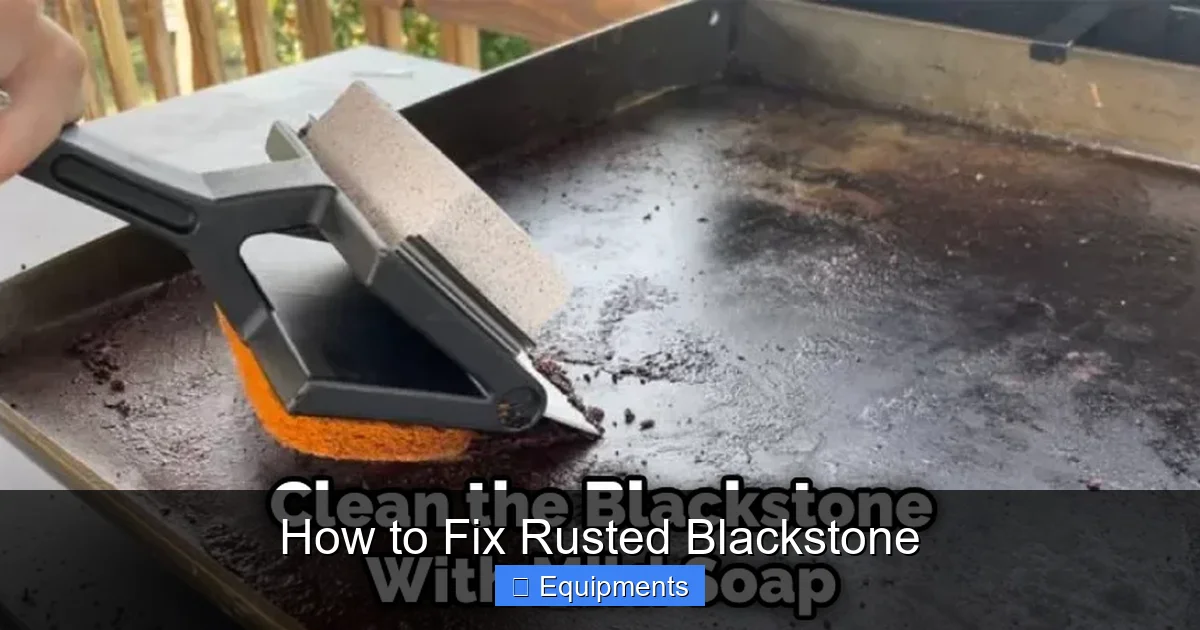
Turn the griddle off and let it cool completely. Sweep away food scraps with a metal spatula. This prevents larger particles from scratching the surface during scrubbing.
Visual guide about How to Fix Rusted Blackstone
Image source: thekitchenix.com
Visual guide about How to Fix Rusted Blackstone
Image source: thekitchenix.com
Step 2: Soap and water wash
Mix a few drops of dish soap with warm water. Using a soft sponge, wash the entire surface. Rinse with clean water and pat dry with paper towels. This removes grease that can shield rust from the acid.
Step 3: Vinegar soak (for moderate rust)
Pour enough white vinegar to cover the rusted area. Let it sit for 5‑10 minutes. The acid will loosen the rust, making it easier to scrub.
Step 4: Scrub away the rust
Take stainless steel wool (grade #000 or #0000) and gently rub the rusted spots in a circular motion. You’ll see the orange color lift. For stubborn patches, add a sprinkle of baking soda to the wool; the mild abrasive helps without damaging the metal.
Step 5: Rinse and dry
Rinse the griddle with hot water until all vinegar and residue are gone. Immediately dry the surface with a clean cloth or paper towels. Moisture left on the metal will cause new rust within minutes.
4. Strip the Old Seasoning (If Needed)
Why you might need to strip
If the previous seasoning is uneven, flaking, or has trapped rust, it’s best to start fresh. Stripping removes old oil polymerization and reveals a clean metal surface for a stronger new bond.
Method: Oven‑heat and steel wool
- Preheat the griddle on high for 10‑15 minutes. This burns off excess oil.
- Turn off the heat and let it cool slightly (still warm).
- Using steel wool, scrub the entire surface until it looks matte gray.
- Wipe with a damp cloth, rinse, and dry thoroughly.
Alternative: Commercial degreaser
If you prefer a chemical approach, apply a food‑safe degreaser according to the label, let it sit, then scrub and rinse. Rinse well to avoid any lingering chemicals.
5. Reseason Your Blackstone Griddle
Understanding seasoning
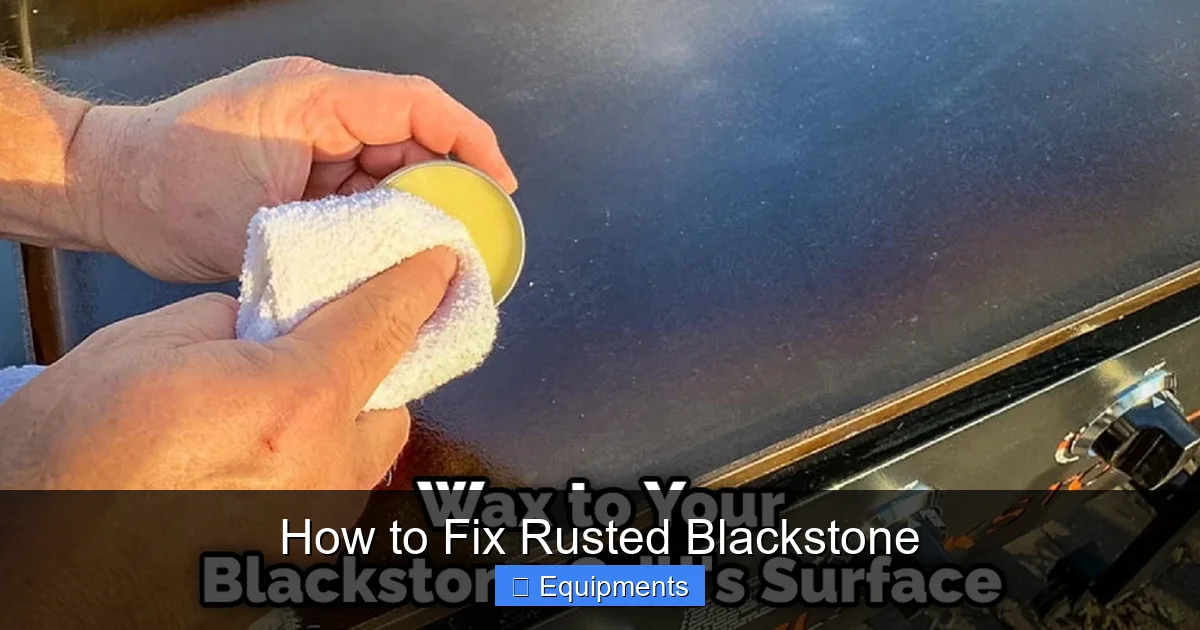
Seasoning is a layer of polymerized oil that protects the metal, creates a natural non‑stick surface, and prevents rust. Think of it as the griddle’s armor.
Step 1: Pre‑heat the griddle
Turn the burners to high and let the plate reach at least 400°F (200°C). You’ll see the metal glow slightly—this is the right temperature for oil to bond.
Step 2: Apply oil
Using a paper towel dipped in high‑smoke‑point oil, spread a thin, even coat across the entire cooking surface. Less is more; a puddle of oil will cause smoke and uneven seasoning.
Step 3: Heat and polymerize
Keep the heat on high for 15‑20 minutes. The oil will darken and become a glossy, black layer. You may notice a faint smell—this is normal as the oil polymerizes.
Step 4: Cool and repeat
Turn off the burners and let the griddle cool completely. Once cool, repeat the oiling and heating process 2‑3 more times. Each layer builds a stronger barrier against rust.
Tips for perfect seasoning
- Use flaxseed oil for a hard, durable coating; it contains omega‑3 fats that polymerize well.
- Avoid using cooking spray; it contains additives that can become sticky.
- Never skip the cooling period—adding oil to a hot surface can cause flare‑ups.
6. Prevent Future Rust: Maintenance Routine
Daily after‑cook cleanup
Once you finish cooking, scrape any food residue while the griddle is still warm. Then, wipe the surface with a paper towel lightly oiled. This prevents moisture from settling.
Weekly deep clean
Every 7‑10 days, repeat the soap‑water wash, dry, and apply a thin layer of oil. Even if you don’t see rust, this habit keeps the seasoning strong.
Seasonal storage tips
- If you store the griddle outdoors, cover it with a weather‑proof tarp that breathes.
- In humid climates, consider moving the griddle to a garage or shed.
- Before long‑term storage, give the plate a final oil coat and let it sit overnight.
What to avoid
- Never leave water on the surface; wipe it up immediately.
- Avoid acidic foods (tomatoes, citrus) for long periods without cleaning.
- Don’t use abrasive metal brushes that can strip seasoning.
Conclusion: Your Rust‑Free Blackstone Is Ready for Action
Fixing a rusted Blackstone isn’t a mystery—it’s a series of simple, repeatable steps. By cleaning, stripping, reseasoning, and establishing a regular maintenance routine, you protect your investment and keep the flavor of your meals pure. The next time you hear the sizzle of a steak hitting the griddle, you’ll know the surface is strong, smooth, and rust‑free. Grab your tools, follow the guide, and enjoy many more seasons of backyard cooking bliss.
Frequently Asked Questions
Can I use regular steel wool to remove rust?
Yes, but choose a fine grade (#000 or #0000) to avoid scratching the metal. Coarser wool can damage the seasoning layer.
Is it safe to use vinegar on a seasoned griddle?
Vinegar is safe for short‑term exposure to break down rust. Rinse thoroughly and re‑season afterward to restore the protective oil layer.
How often should I reseason my Blackstone?
After a major rust removal, reseason 3‑4 times. For regular upkeep, a thin oil coat after each use is enough.
What oil is best for seasoning?
Flaxseed oil creates a hard, durable coating, but canola or grapeseed oil work well and are easier to find.
My griddle still has a few rust spots after cleaning—what now?
Repeat the vinegar‑and‑steel‑wool step on those spots, then rinse, dry, and reseason. Persistent spots may need a light abrasive pad.
When is it time to replace the Blackstone instead of fixing it?
If you see deep pitting, warped plates, or the rust has caused structural damage, it’s safer and more cost‑effective to replace the griddle.