Keeping your Caraway pans spotless is easier than you think. Follow our simple, step‑by‑step guide to remove stains, restore non‑stick performance, and extend the life of your cookware.
Key Takeaways
- Gentle cleaning is key: Use soft sponges and non‑abrasive cleaners to protect the ceramic coating.
- Avoid harsh chemicals: Bleach, oven cleaners, and metal scouring pads can damage the pan.
- Regular maintenance prevents buildup: Clean after each use and deep‑clean weekly.
- Seasoning isn’t required: Caraway’s non‑stick surface works without oil seasoning, but a light coating can help with stubborn food.
- Proper storage extends lifespan: Separate pans with liners or store upside‑down to avoid scratches.
- Quick fixes for common issues: Stubborn stains, discoloration, and stuck‑on residue have easy solutions.
- Know when to replace: Cracks or severe coating loss signal it’s time for a new pan.
📑 Table of Contents
- Introduction: Why Caring for Your Caraway Pans Matters
- 1. Understanding Caraway’s Ceramic‑Non‑Stick Technology
- 2. Everyday Cleaning: The Quick Routine
- 3. Deep‑Cleaning: Tackling Stubborn Stains and Odors
- 4. Restoring Non‑Stick Performance
- 5. Storage Solutions to Prevent Scratches
- 6. Knowing When to Replace Your Caraway Pan
- Conclusion: Keep Your Caraway Pans Cooking Like New
Introduction: Why Caring for Your Caraway Pans Matters
If you’ve invested in Caraway cookware, you already know how sleek and functional it feels in the kitchen. The ceramic‑non‑stick surface promises easy food release, quick cleanup, and a healthier cooking experience—no need for excess oil or complicated seasoning. But like any high‑quality tool, it thrives on proper care. When you know how to clean Caraway pans correctly, you keep their performance sharp, maintain their stylish look, and avoid costly replacements.
In this guide, we’ll walk through everyday cleaning, deep‑cleaning tricks, and maintenance habits that turn a simple wash into a longevity plan. Think of it as a friendly chat over coffee—straightforward, no‑jargon, and full of practical tips you can start using tonight.
1. Understanding Caraway’s Ceramic‑Non‑Stick Technology
What makes Caraway different?
Caraway pans are built with a 5‑layer construction: an aluminum core for even heating, a stainless‑steel exterior for durability, and a ceramic‑non‑stick coating free of PTFE, PFOA, and other harmful chemicals. This coating is smooth, but also more delicate than traditional Teflon.
Visual guide about How to Clean Caraway Pans
Image source: cleanestor.com
Why the cleaning method matters
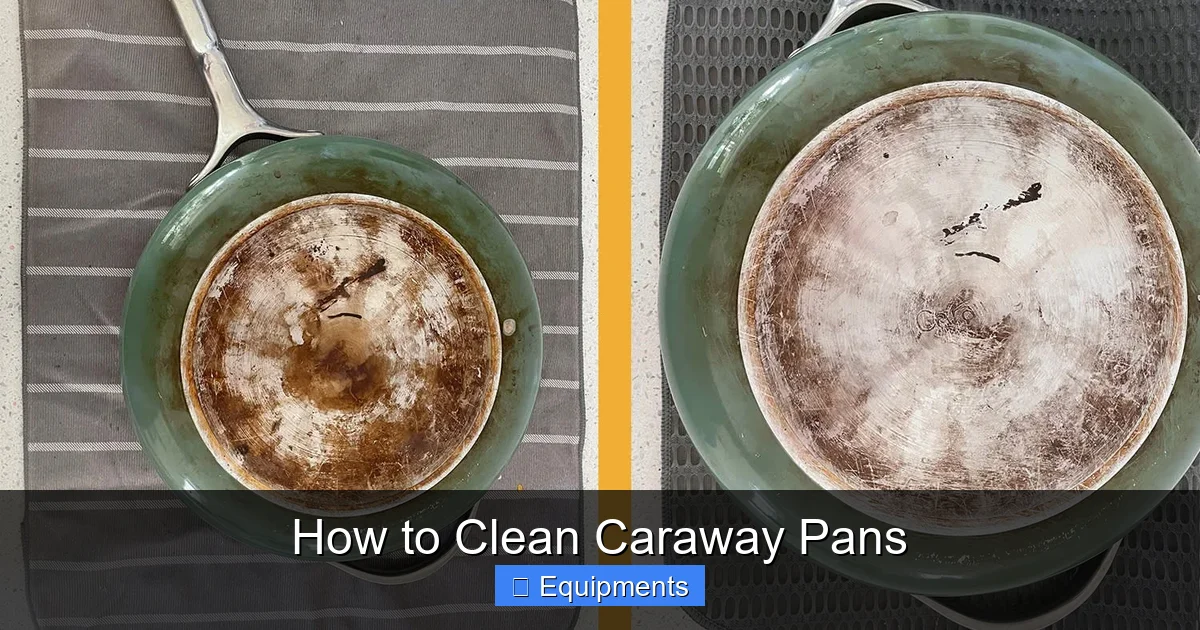
The ceramic layer can be scratched or dulled by abrasive tools. Using the wrong cleaner can strip the coating, leading to food sticking and a faded appearance. Knowing the science helps you choose the right sponge, soap, and technique.
2. Everyday Cleaning: The Quick Routine
Step‑by‑step after every meal
- Cool down: Let the pan sit for 5‑10 minutes after cooking. Sudden temperature changes can stress the coating.
- Rinse with warm water: Remove loose food particles. Hot water helps dissolve grease.
- Apply a mild dish soap: Use a few drops of a gentle, fragrance‑free soap.
- Use a soft sponge or silicone scrubber: Avoid steel wool or harsh scouring pads.
- Gentle circular motion: Scrub the surface lightly; most residues lift easily.
- Rinse thoroughly: Make sure no soap residue remains.
- Dry completely: Pat dry with a soft towel or let air‑dry upside‑down.
Tips for a faster clean
- Soak for 5 minutes if food sticks, rather than scrubbing hard.
- Use a silicone spatula while cooking to reduce buildup.
- Keep a small bowl of warm, soapy water nearby for quick pre‑soak.
3. Deep‑Cleaning: Tackling Stubborn Stains and Odors
When the quick routine isn’t enough
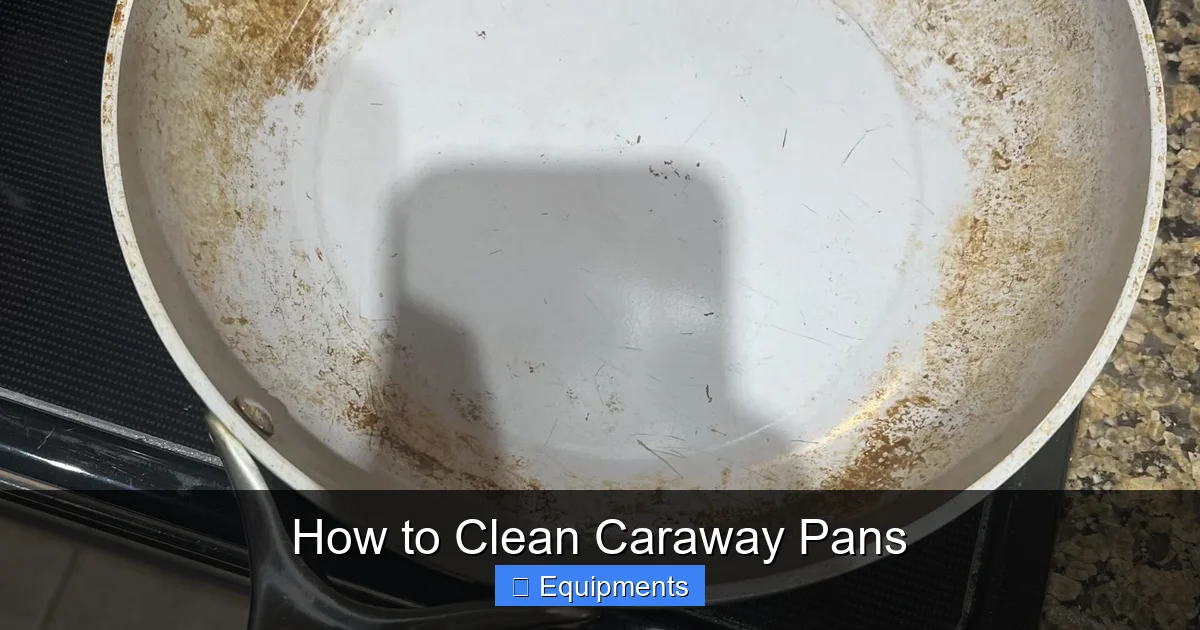
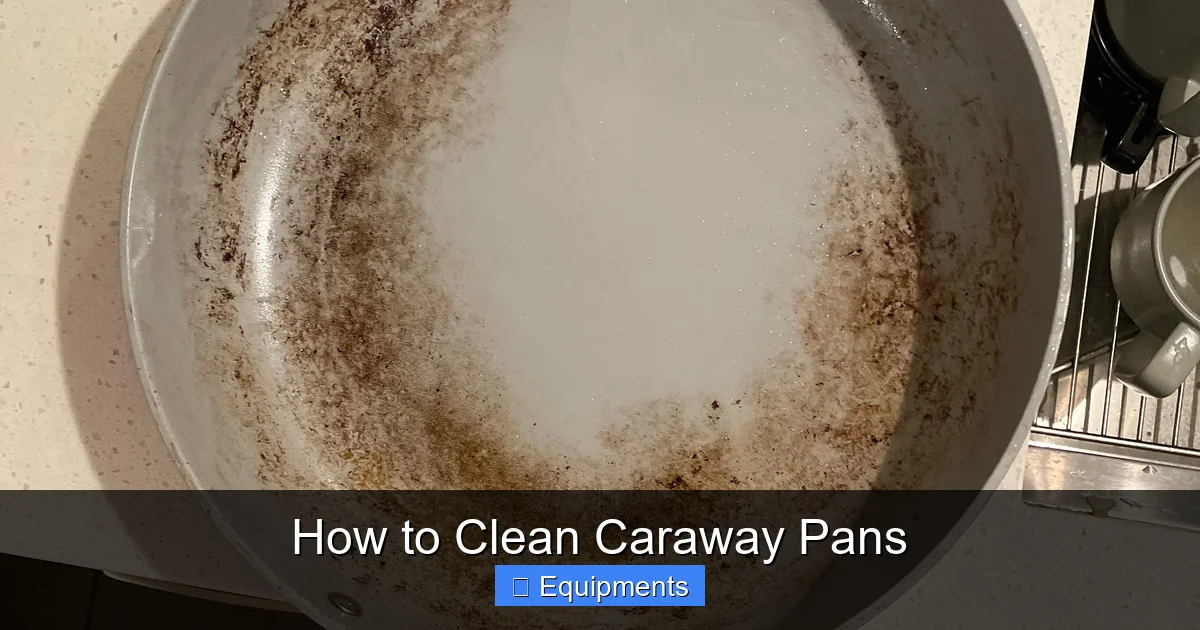
Sometimes caramelized sugars, burnt bits, or lingering smells persist. These require a deeper approach that still respects the ceramic coating.
Visual guide about How to Clean Caraway Pans
Image source: howtocleaneasily.com
Visual guide about How to Clean Caraway Pans
Image source: i.redd.it
Method A: Baking Soda Paste
- Mix 2‑3 tablespoons of baking soda with enough water to form a thick paste.
- Spread the paste over the stained area.
- Let it sit for 15‑20 minutes. The mild abrasive lifts residue without scratching.
- Gently scrub with a soft sponge, then rinse and dry.
Method B: Vinegar Boil
Vinegar can break down mineral buildup and neutralize odors.
- Fill the pan with equal parts water and white vinegar (½ cup each).
- Bring to a gentle boil on low heat for 5 minutes.
- Turn off the heat, let the solution cool, then discard.
- Wash normally with soap and a soft sponge.
Method C: Commercial Ceramic Cleaners
If you prefer a ready‑made product, choose a cleaner labeled safe for ceramic‑non‑stick surfaces. Follow the manufacturer’s instructions, usually a short soak followed by a gentle wipe.
What to avoid during deep cleaning
- Metal scouring pads or harsh powders (e.g., steel wool, pumice).
- Bleach or chlorine‑based cleaners, which can discolor the coating.
- High‑heat oven cleaning cycles; the extreme temperature can warp the pan.
4. Restoring Non‑Stick Performance
Why performance may decline
Even with careful cleaning, the non‑stick surface can become less slick over time due to microscopic wear. A light “re‑seasoning” can help restore smoothness.
Simple re‑seasoning steps
- Preheat the pan on low heat for 2 minutes.
- Add a teaspoon of high‑smoke‑point oil (e.g., avocado or grapeseed).
- Spread the oil evenly with a paper towel, ensuring a thin coat.
- Heat for another 2‑3 minutes, then let the pan cool.
- Wipe off excess oil with a clean cloth.
Frequency of re‑seasoning
Do this once a month or whenever you notice food starting to cling. It’s a quick habit that keeps the pan feeling brand‑new.
5. Storage Solutions to Prevent Scratches
Best practices for stacking
Even a tiny scratch can become a hotspot for food adhesion. Follow these storage tips:
- Place a soft cloth, paper towel, or silicone liner between pans.
- If you have a hanging rack, hang pans by their handles to avoid contact.
- Store pans upside‑down on a flat surface to keep the cooking surface free from pressure.
Travel and relocation
When moving or taking pans on a trip, wrap each pan in bubble wrap or a thick kitchen towel. Place them in a sturdy box with padding to avoid jostling.
6. Knowing When to Replace Your Caraway Pan
Signs of irreversible damage
Despite best care, some wear is inevitable. Look for these red flags:
- Cracks in the ceramic coating that expose the metal.
- Peeling or flaking of the non‑stick layer.
- Persistent rust spots on the stainless steel base.
- Significant warping that causes uneven heating.
Warranty and support
Caraway offers a limited lifetime warranty on its cookware. If you encounter any of the above issues within the warranty period, contact their support with photos and purchase details. They often provide a replacement or repair.
Conclusion: Keep Your Caraway Pans Cooking Like New
Cleaning Caraway pans isn’t a chore—it’s a simple routine that protects your investment and makes every meal a joy. By using gentle tools, embracing quick daily care, and applying deeper cleaning methods when needed, you’ll enjoy the non‑stick magic for years. Remember the key points: soft sponges, mild soap, avoid abrasive chemicals, and store wisely. With these habits, your Caraway pans will stay sleek, efficient, and ready for any recipe you throw at them.
Frequently Asked Questions
Can I put Caraway pans in the dishwasher?
It’s not recommended. Dishwashers use harsh detergents and high heat that can degrade the ceramic coating over time. Hand‑washing is best for longevity.
Is it safe to use metal utensils on Caraway pans?
Metal utensils can scratch the surface. Stick to silicone, wooden, or nylon tools to keep the non‑stick layer intact.
How often should I deep‑clean my Caraway pan?
For light cooking, a weekly deep‑clean with a baking soda paste is sufficient. If you notice stubborn residue or odors, clean it immediately using the vinegar boil method.
Can I use oil or butter to season Caraway pans?
Caraway’s ceramic coating is naturally non‑stick, so seasoning isn’t required. However, a thin coat of high‑smoke‑point oil once a month can boost performance.
What temperature should I avoid when cooking?
Stay below 500°F (260°C). Excessive heat can discolor the coating and reduce its non‑stick properties.
Will acidic foods damage the pan?
Occasional cooking with tomatoes, citrus, or wine is fine. Prolonged exposure to highly acidic sauces can wear the coating faster, so rinse promptly after use.
