Cooking turkey bacon in the oven is the superior method for achieving consistently crispy, evenly cooked slices with minimal mess. Unlike stovetop frying, oven baking allows the fat to drip away onto a baking sheet, resulting in a leaner, less greasy final product. By following key 2026 tips—like using a wire rack, proper temperature control, and strategic flipping—you can master this healthy breakfast staple every time.
Key Takeaways
- Prep is Key: Always arrange turkey bacon in a single layer on a prepared baking sheet or rack for even cooking and maximum crispness.
- Temperature Matters: A moderate oven temperature of 375°F–400°F (190°C–200°C) is ideal; too high risks burnt edges before the center crisps.
- Use a Wire Rack: Elevating the bacon on a rack allows hot air to circulate and fat to drip away, preventing sogginess and promoting crispiness.
- Flip for Perfection: For extra-even results, flip the slices halfway through the cooking time using tongs.
- Drain & Dry: Transfer cooked bacon to a paper towel-lined plate immediately to absorb excess surface grease for ultimate crunch.
- Storage Savvy: Cooked bacon keeps in the fridge for 4–5 days and freezes beautifully for quick future meals.
- Avoid Overcrowding: Never crowd the pan; give each slice room to render fat and crisp up independently.
📑 Table of Contents
- Why 2026 is the Perfect Time to Master Oven-Baked Turkey Bacon
- Essential Equipment: Your 2026 Oven Baking Toolkit
- Step-by-Step: The Foolproof Oven Method for Turkey Bacon
- Troubleshooting Common Turkey Bacon Oven Issues
- Beyond Basic: Creative Uses & Flavor Variations (2026 Style)
- The Verdict: Is Oven-Cooked Turkey Bacon Worth It?
Why 2026 is the Perfect Time to Master Oven-Baked Turkey Bacon
Gone are the days of standing over a sputtering skillet, dodging grease splatters, and ending up with unevenly cooked bacon strips. In 2026, the smartest cooks are turning to their ovens to cook turkey bacon with unparalleled ease and results. Turkey bacon, a popular leaner alternative to pork bacon, has a reputation for being tricky—it can easily become dry, chewy, or soggy if not treated correctly. The oven method solves these problems by providing consistent, radiant heat that cooks the bacon evenly from all sides while allowing its own fat to render away. This technique isn’t just a hack; it’s a fundamental kitchen skill for anyone seeking a healthier, less messy, and reliably crispy breakfast protein. Whether you’re feeding a family or meal-prepping for the week, understanding how to leverage your oven’s environment is the key to unlocking turkey bacon’s full potential.
The Health & Convenience Advantage
Turkey bacon is inherently lower in saturated fat and calories than traditional pork bacon, making it a go-to for health-conscious eaters. However, its lower fat content means it lacks the self-lubricating quality of pork fat, which is why stovetop cooking can lead to sticking and dryness. Oven baking mitigates this by using indirect heat. The bacon cooks gently in its own rendered fat, which pools below and prevents drying. Furthermore, the method is hands-off after the initial setup. You can pop the tray in the oven and attend to other tasks—prepping eggs, toasting bread, or even just enjoying a quiet moment—without monitoring a hot pan. This convenience factor is a major reason why the oven-cooked turkey bacon technique has surged in popularity through the mid-2020s.
Essential Equipment: Your 2026 Oven Baking Toolkit
Success in the kitchen often starts with the right tools. To perfectly cook turkey bacon in the oven, you don’t need a fancy gadget, but you do need a few key pieces of equipment that make a tangible difference in texture and cleanup.
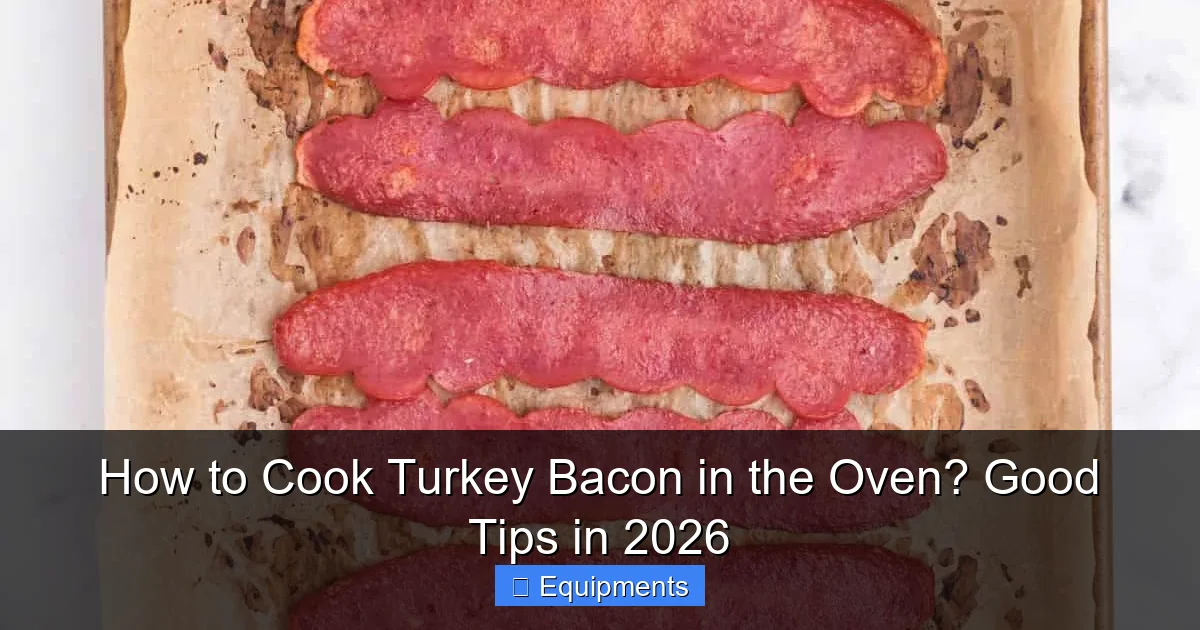
Visual guide about How to Cook Turkey Bacon in the Oven? Good Tips in 2026
Image source: everydayfamilycooking.com
The Baking Sheet: Foundation of the Setup
A sturdy, rimmed baking sheet (often called a jelly roll pan) is non-negotiable. The rim contains the rendered fat that drips from the bacon, preventing it from running onto your oven floor and causing smoke or a fire hazard. Look for a heavy-gauge sheet that won’t warp at high temperatures. In 2026, many home cooks are investing in durable, commercial-grade half-sheet pans (18”x13”) from brands like Nordic Ware or USA Pan for their even heat distribution and longevity. A standard, thin baking sheet can lead to hot spots and uneven cooking.
The Wire Rack: The Crispiness Game-Changer
While you can bake bacon directly on the sheet, using an oven-safe wire rack (often sold as a “cooling rack” but ensure it’s oven-safe) is the pro tip for next-level crispiness. The rack elevates the bacon strips, allowing hot air to circulate underneath and around each piece. This means the fat drips cleanly away, and the bottom of the bacon doesn’t steam in its own grease on a hot surface. The result is bacon that’s uniformly crunchy from edge to edge. For 2026, consider a stainless steel rack with feet that fit perfectly inside your rimmed baking sheet.
Parchment Paper or Foil: For Effortless Cleanup
Lining your baking sheet with parchment paper or heavy-duty aluminum foil is a simple step that saves you from a major scrubbing session later. The rendered fat pools on the liner, which you can simply roll up and discard. Parchment paper is preferable as it’s non-stick and doesn’t react with acidic foods, but if your bacon is very thick or you’re cooking at very high heat, foil is a durable alternative. Never use wax paper, which is not heat-resistant.
Tongs and Paper Towels: The Finishing Touches
A good pair of silicone-tipped or metal tongs allows you to flip the bacon safely and precisely. For the final step, have a plate ready with a layer of paper towels. This absorbs any last bits of surface grease after cooking, taking the crunch factor to its peak.
Step-by-Step: The Foolproof Oven Method for Turkey Bacon
Now, let’s get to the heart of the matter. This method is designed for standard, thin-sliced turkey bacon. For thick-cut varieties, we’ll address adjustments later. Follow these steps precisely for perfect results every single time.
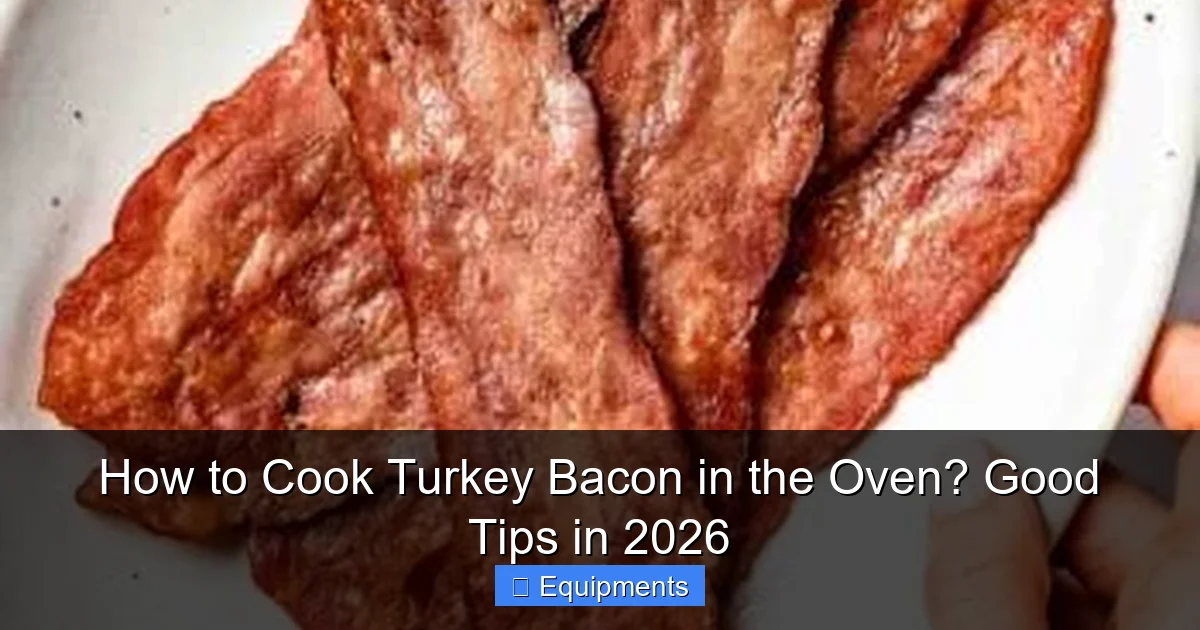
Visual guide about How to Cook Turkey Bacon in the Oven? Good Tips in 2026
Image source: foolproofliving.com
Step 1: Preheat and Prepare
Begin by preheating your oven to 375°F (190°C). This temperature is the sweet spot for 2026 ovens—it’s hot enough to render fat and crisp the bacon without burning the edges before the center cooks through. While the oven heats, line your rimmed baking sheet with parchment paper or foil. If using a wire rack, place it inside the sheet. No need to grease anything; the bacon’s own fat will provide lubrication.
Step 2: Arrange the Bacon
Take your turkey bacon directly from the refrigerator. Cold bacon is easier to separate and less prone to tearing. Lay each strip in a single layer on the prepared rack or baking sheet. This is critical. The strips should not touch or overlap. Overcrowding is the number one cause of soggy, steamed bacon because the heat can’t circulate. If you have a lot of bacon, use multiple sheets and bake in batches. It’s worth the extra few minutes for superior quality.
Step 3: Bake and Flip
Place the baking sheet on a middle oven rack to ensure even heat exposure. Bake for 12–15 minutes. At the 8-minute mark, check on the bacon. If you’re using a rack and want ultra-crisp, even results, use your tongs to carefully flip each strip. This step is optional but recommended, especially for thicker cuts. After flipping, return to the oven and bake for another 4–7 minutes, or until it reaches your desired crispness. The bacon will crisp up slightly as it cools.
Step 4: Drain and Serve
Once done, immediately remove the baking sheet from the oven. Use tongs to transfer the bacon strips to the paper towel-lined plate. Let them sit for just 30 seconds to blot away excess surface grease. Serve immediately while hot and crispy. The residual heat will continue to crisp them for a minute or two after removal.
Pro Timing Adjustments for 2026 Ovens
Modern ovens, especially newer convection models popular in 2026, cook faster. If your oven has a convection setting, reduce the temperature to 350°F (175°C) or reduce the cooking time by about 25%. Always start checking a few minutes earlier. For thick-cut turkey bacon, add 3–5 minutes to the total cooking time and consider flipping to ensure the center cooks through without burning the edges. The goal is a uniform, deep golden-brown color with a firm, rigid texture when cool.
Troubleshooting Common Turkey Bacon Oven Issues
Even with a great method, things can go awry. Here’s how to diagnose and fix the most common problems when you cook turkey bacon in the oven.
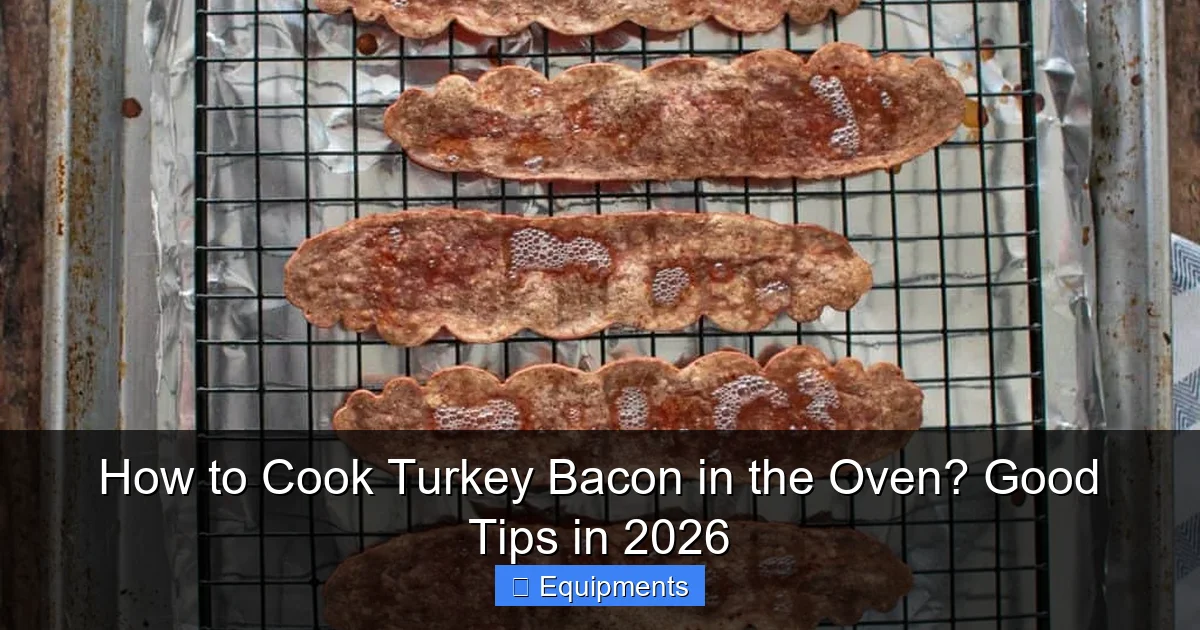
Visual guide about How to Cook Turkey Bacon in the Oven? Good Tips in 2026
Image source: yellowglassdish.com
Problem: Bacon is Soggy, Not Crispy
Solution: This almost always means overcrowding. If your bacon is touching, it steams instead of roasts. Next time, use a larger pan or cook in multiple batches. Also, ensure you’re using a rack—the elevation is crucial for air circulation. Finally, your oven temperature might be too low. Use an oven thermometer to verify it’s actually reaching 375°F.
Problem: Bacon is Burning on the Edges but Chewy in the Middle
Solution: This indicates uneven heat, often from a pan that’s too close to the oven’s heating element or a warped baking sheet. Always use a middle rack. Invest in a heavy, flat baking sheet that won’t warp. Also, consider lowering the temperature to 350°F and extending the cook time by 2–3 minutes for a more gentle, even cook.
Problem: Excessive Smoke or Foul Odor
Solution: Turkey bacon can smoke if rendered fat burns on the hot pan. This happens if the oven is too hot or if fat drips onto the heating element. Using a rimmed sheet with parchment helps contain drips. Ensure your sheet is clean before starting—old, baked-on grease can smoke. If you have a convection oven, the fan can blow fat onto the walls; using the convection bake setting (not broil) with a pan on a lower rack to catch drips can help.
Problem: Bacon Sticks to the Pan/Rack
Solution: While turkey bacon has less fat, it can still stick, especially if the cooking surface isn’t properly prepared. Always use parchment paper or foil on the sheet. If using a rack, ensure it’s clean and non-stick (most stainless steel are fine). Do not attempt to move the bacon before the first 5–6 minutes of cooking; it will release naturally once the fat renders and a crust forms.
Beyond Basic: Creative Uses & Flavor Variations (2026 Style)
Once you’ve mastered the basic technique, it’s time to experiment. Oven-cooked turkey bacon is a versatile ingredient that can elevate dishes far beyond the breakfast plate.
Sweet & Spicy Glazed Bacon
For a gourmet twist in 2026, create a glaze. In the last 3 minutes of cooking, brush each strip with a mixture of maple syrup, a pinch of cayenne pepper, and a dash of smoked paprika. The oven’s heat will caramelize the glaze into a sticky, shiny coating. Be careful not to add the glaze too early, as the sugar can burn.
Bacon “Crumbles” for Salads & Bowls
To make perfect bacon bits for salads, baked potatoes, or grain bowls, chop your turkey bacon strips into ½-inch pieces before baking. Spread them in a single layer on the sheet. They will cook faster (about 10–12 minutes) and become irresistibly crunchy, like salty, smoky croutons. No need to flip.
Breakfast Casserole and Skillet Prep
Oven-baked turkey bacon is the ideal prep component for big breakfasts. Cook a full batch, let it cool, and chop it up. Store it in the fridge to add to scrambled eggs, breakfast burritos, or a hearty potato casserole over the next few days. Its pre-cooked, crispy texture holds up beautifully in mixed dishes without becoming rubbery.
The Verdict: Is Oven-Cooked Turkey Bacon Worth It?
Absolutely. The technique of using the oven to cook turkey bacon transforms it from a sometimes-disappointing lean alternative into a star ingredient with a texture that rivals its pork counterpart—often with a cleaner, more consistent crunch. The investment in a good baking sheet and wire rack pays off in spades through superior results, effortless cleanup, and freed-up stovetop space. In the fast-paced kitchens of 2026, efficiency and consistency are paramount. This method delivers on both. It’s a set-and-forget process that requires minimal active time and yields a product that is less greasy, more evenly cooked, and perfectly crisp. By understanding the “why” behind each step—the importance of single-layer spacing, the magic of the rack, the precision of temperature—you gain a transferable skill for cooking all manner of oven-baked meats and vegetables. So, preheat that oven, line that pan, and get ready to enjoy the best turkey bacon you’ve ever made.
Frequently Asked Questions
Can I cook turkey bacon without a wire rack?
Yes, you can place the strips directly on the parchment-lined baking sheet. The bacon will still cook and crisp, but the bottom may be slightly less crunchy and more greasy since it sits in its own rendered fat. Using a rack is the best practice for maximum crispiness on all sides.
How do I know when the turkey bacon is done?
Look for a deep, uniform golden-brown color. The bacon will feel firm and rigid when you touch it with tongs, and the edges may appear slightly curled. It will crisp up further as it cools on the paper towels. If it’s still pale, flexible, or rubbery, it needs more time.
Is it necessary to flip turkey bacon while baking?
Flipping isn’t absolutely required, but it is highly recommended, especially for thicker cuts. Flipping ensures both sides are exposed to direct heat, resulting in more even browning and crispiness. If you forget, the bacon will still cook, but one side might be noticeably crispier than the other.
What’s the best oven temperature for turkey bacon?
The ideal range is 375°F to 400°F (190°C to 200°C). This is hot enough to render the fat and create a crisp texture without burning the bacon before the interior cooks. For convection ovens, start with 350°F (175°C) as the fan accelerates cooking.
Can I save and reheat oven-cooked turkey bacon?
Yes! Store cooled bacon in an airtight container in the refrigerator for 4–5 days. To reheat and restore crispiness, place it on a microwave-safe plate lined with a paper towel and microwave for 15–20 seconds, or pop it back in a 300°F oven for 3–5 minutes. It also freezes well for up to 2 months; reheat directly from frozen in the oven.
Why is my turkey bacon smoking in the oven?
Smoke usually comes from hot rendered fat spattering onto a hot oven surface or heating element. Using a rimmed baking sheet with parchment paper contains most drips. Ensure your oven is clean, as old food debris can smoke. If smoking persists, lower the oven temperature by 25°F and extend cooking time slightly.
Pingback: Bacon Wrapped Scallops in Oven - kitchenandhouseware.com
Pingback: How Many Cows Are in the Us - kitchenandhouseware.com
Pingback: Calories in 1/2 Cup Homefries - kitchenandhouseware.com