Tired of dragging out a giant blender for one smoothie? Individual blenders for smoothies are compact, powerful, and designed specifically for single-serve creations. They blend, drink, and clean up in minutes, making healthy habits effortless. Find your perfect match and transform your morning routine.
Key Takeaways
- Ultimate Convenience: Individual blenders are engineered for speed and simplicity, from blending to washing, often in under 5 minutes.
- Space-Saving Design: Their small footprint is perfect for tiny kitchens, dorms, RVs, or office desks, eliminating bulky appliance clutter.
- Portability is Key: Most feature travel-friendly cups with secure lids, letting you blend at home and take your smoothie on the go.
- Powerful Enough for Daily Use: Modern motors and specialized blades easily handle frozen fruits, ice, leafy greens, and nut butters.
- Simplified Cleanup: With fewer parts and often dishwasher-safe components, cleanup is a breeze compared to traditional blenders.
- Cost-Effective Entry: They offer a lower price point than high-end full-sized blenders while delivering excellent performance for single servings.
- Versatile Beyond Smoothies: Perfect for protein shakes, salad dressings, sauces, baby food, and even small-batch dips and salsas.
📑 Table of Contents
- The Rise of Individual Blenders for Smoothies
- Why Choose an Individual Blender Over a Full-Sized One?
- Essential Features to Look For in Your Search
- Beyond Smoothies: Surprising Ways to Use Your Individual Blender
- Care and Maintenance for Longevity
- How to Choose the Perfect Individual Blender for Your Needs
- Busting Common Myths About Individual Blenders
The Rise of Individual Blenders for Smoothies
Remember the days of assembling a massive blender jar, wrestling with a stubborn lid, and then facing a mountain of cleanup just for one breakfast smoothie? Those days are fading. The quiet revolution in kitchen gadgets has been led by the humble yet mighty individual blender for smoothies. These compact powerhouses have redefined what it means to make a healthy drink, shifting the focus from a weekend chore to a daily delight. They are not just mini versions of their larger cousins; they are purpose-built machines optimized for the single-serve lifestyle that so many of us lead today.
The surge in popularity is no accident. It mirrors a broader cultural shift towards convenience without compromise. We want our nutrients fast, our kitchens tidy, and our routines streamlined. Individual blenders answer this call perfectly. They sit proudly on countertops as stylish accessories or tuck neatly into cabinets, ready for action at a moment’s notice. Whether you’re a fitness enthusiast crafting post-workout protein shakes, a busy parent rushing out the door, or someone simply trying to eat more greens, these blenders are becoming an indispensable tool. They represent a commitment to personal health that fits seamlessly into a packed schedule, proving that good nutrition doesn’t have to be complicated or time-consuming.
Why Choose an Individual Blender Over a Full-Sized One?
The decision between a full-sized blender and an individual blender often comes down to lifestyle and intent. While a powerful 64-ounce blender is fantastic for family meals, parties, or making large batches of soup, it can be overkill—and a genuine hassle—for a single person. Let’s break down the compelling reasons why an individual blender for smoothies might be your smarter choice.
Visual guide about Individual Blenders for Smoothies
Image source: i.pinimg.com
The Convenience Factor: Blend, Drink, Clean, Repeat
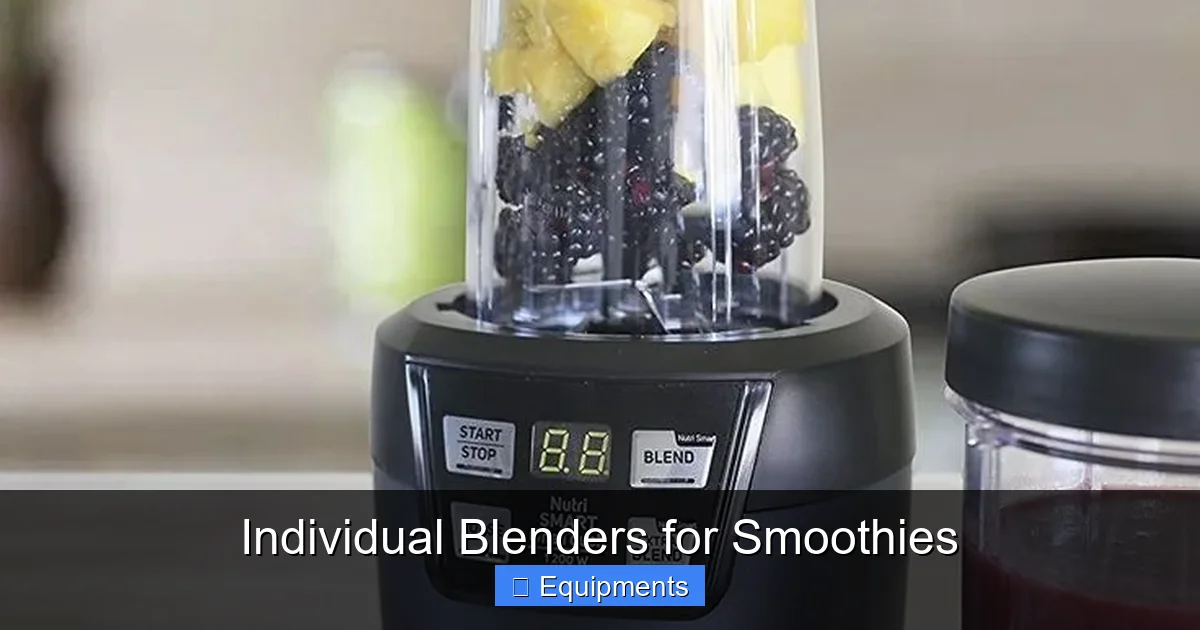
This is the undisputed champion of benefits. With an individual blender, the entire process is condensed. You toss your ingredients directly into the blending cup (which is also your travel mug), screw on the blade assembly, blend for 20-30 seconds, remove the blades, pop on the lid, and walk out the door. There’s no transferring messy liquid from a large jar to a cup. The cleanup involves rinsing one cup and one blade assembly—often dishwasher safe. This streamlined workflow removes the biggest barrier to making smoothies daily: the cleanup. When the effort is minimal, the habit sticks.
Cost and Space Efficiency
A high-performance full-sized blender can be a significant investment. Individual blenders for smoothies offer a much more accessible entry point into the world of powerful blending. You get excellent performance for your most common task—single-serve smoothies—without paying for capacity you won’t use. Furthermore, their size is a major advantage. They require a fraction of the storage space, making them ideal for small apartments, college dormitories, campers, or office pantries. They are the epitome of doing one job very well, without monopolizing your precious real estate.
Energy and Noise Efficiency
Blending a single serving in a small cup requires far less energy than spinning a massive jar full of ingredients. The motors, while powerful for their size, are generally more efficient. They also tend to be quieter. The deafening roar of a full-sized blender making a smoothie is a thing of the past. You can blend your morning shake without waking the whole household, a subtle but appreciated perk for early risers.
Essential Features to Look For in Your Search
Not all individual blenders are created equal. The market is flooded with options, from budget-friendly basics to premium, tech-equipped models. To find your perfect match, you need to know what features truly matter for making great smoothies consistently. Focus on these core elements.
Visual guide about Individual Blenders for Smoothies
Image source: m.media-amazon.com
Motor Power and Blade Design
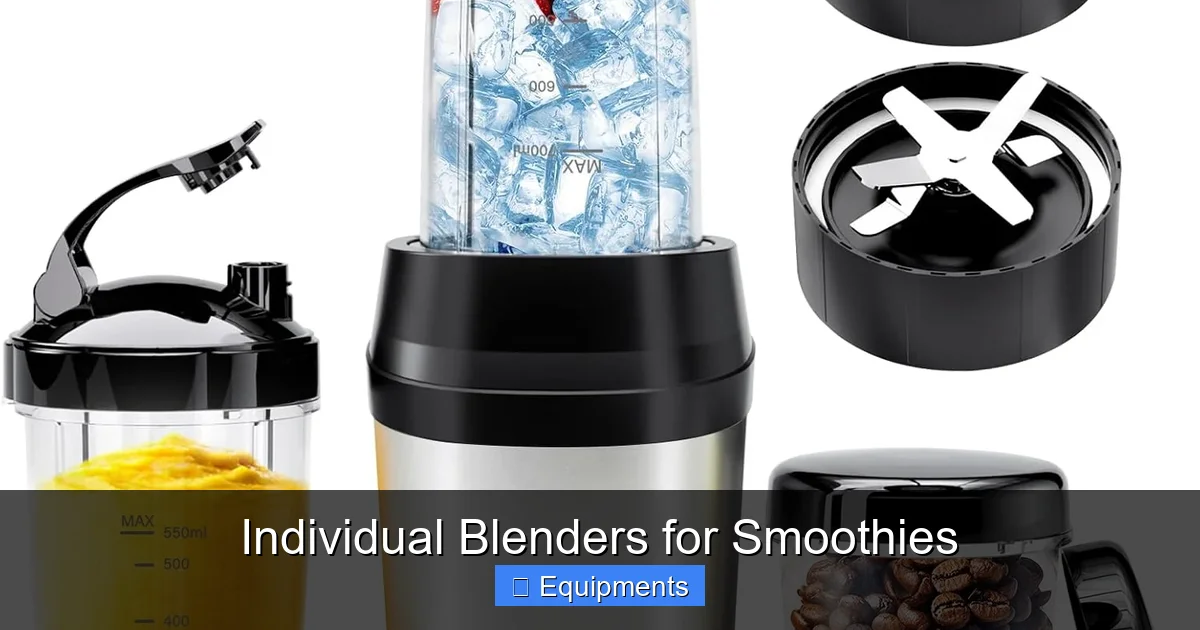
This is the heart of the blender. For individual blenders, motor power is typically measured in watts, with a solid range being 300 to 600 watts. Don’t be fooled by a high wattage number alone; efficiency and blade design are equally important. Look for models with stainless steel, multi-tiered, or uniquely shaped blades (like the famous “cyclone” blades of some brands) that are specifically engineered to create a vortex, pulling ingredients down from the sides to ensure a smooth, lump-free blend. A powerful motor paired with smart blade geometry is what will pulverize frozen berries, ice cubes, and tough kale stems without stalling.
Cup Material, Capacity, and Lid Quality
The blending cup is your vessel and often your to-go cup. Common materials are Tritan plastic (durable, BPA-free, and clear) and glass (heavier, doesn’t stain, but can break). Consider capacity: most single-serve cups range from 20 to 32 ounces. A 24-ounce cup is a great all-around size. The lid is crucial for portability. It must be leak-proof, have a secure locking mechanism, and ideally, a drinking spout. Some premium models offer lids with compartments for supplements or snacks. A poorly designed lid will lead to spills in your bag, negating all the convenience.
Ease of Cleaning: The Ultimate Test
A blender that’s a pain to clean will gather dust. The best individual blenders for smoothies are designed for effortless cleanup. Look for:
- Self-Cleaning Function: Many models have a feature where you add warm water and a drop of dish soap, run the blender for 30 seconds, and rinse.
- Dishwasher-Safe Parts: Confirm that the cup, lid, and blade assembly are all dishwasher-safe (usually top rack).
- Simple Assembly: Fewer nooks and crannies mean less scrubbing. A one-piece blade assembly that screws onto the cup is ideal.
Safety Mechanisms and Base Design
Safety is paramount. The blender should only operate when the cup is properly locked into the base. This prevents accidental startup. The base should have a non-slip bottom to stay put during operation. Some bases have intuitive, one-touch blending buttons, while others offer multiple speed settings. For most smoothie-making, a simple pulse or single “blend” function is sufficient. Consider the base’s footprint and aesthetics—you’ll likely be leaving it on your counter.
Beyond Smoothies: Surprising Ways to Use Your Individual Blender
Labeling it a “smoothie blender” sells this versatile tool short. Once you have this powerful little appliance on your counter, you’ll discover it’s a secret weapon for countless culinary tasks. Its small batch capability is perfect for recipes where you don’t want to waste ingredients or deal with a large appliance.
Visual guide about Individual Blenders for Smoothies
Image source: cookingtopgear.com
Whipping Up Sauces, Dips, and Dressings
Emulsified sauces like mayonnaise or aioli, creamy salad dressings (think green goddess or ranch), and fresh pesto are incredibly easy. The concentrated power ensures herbs and nuts are finely chopped without over-processing. Hummus, guacamole, or a quick black bean dip for one or two people is done in seconds. No more struggling with a food processor for tiny batches.
Baby Food and Purees
For new parents, an individual blender is a godsend. You can steam a few veggies and blend them right in the same cup for a fresh, preservative-free single serving of baby food. It’s perfect for making stage-one purees or slightly chunkier meals as your baby grows. The control is in your hands, and you know exactly what’s going into your child’s food.
Protein Shakes and Fitness Fuel
This is an obvious extension, but worth highlighting. Fitness buffs love the ability to quickly mix protein powder with liquid, fruit, and additives like chia seeds or oats. The sealed travel cup means you can take your post-gym shake directly to the locker room without a separate shaker bottle. Some even fit in most car cup holders.
Grinding Spices and Coffee (With Caution)
While not a dedicated spice grinder, the powerful blades of many individual blenders can handle small quantities of whole spices or coffee beans in a pinch. Use the pulse function and be careful not to overheat the motor. It’s a great way to make a fresh sprinkle of cumin or a small batch of specialty coffee for a pour-over without a separate grinder.
Care and Maintenance for Longevity
Your individual blender is a workhorse, but like any tool, it needs proper care to last for years. The good news? Maintenance is incredibly simple. The key is consistency and avoiding a few common pitfalls.
The Golden Rule: Clean Immediately After Use
Don’t let smoothie residue dry and cake onto the blades and cup walls. The easiest method is the self-clean cycle: fill the cup halfway with warm water and a drop of dish soap, secure the lid (without the blade if your model requires), blend for 30 seconds, then rinse thoroughly. For stubborn stuck-on bits, use a soft brush or sponge. Always ensure the blade assembly is completely dry before storing to prevent odors or mineral buildup.
Deep Cleaning and Deodorizing
Over time, plastic cups can absorb odors or stains from strong ingredients like berries or turmeric. To deodorize, fill the cup with a solution of warm water and baking soda or a 50/50 water and white vinegar mix. Let it sit overnight, then rinse well. For stains, a paste of baking soda and water gently scrubbed onto the affected area can help. Avoid abrasive cleaners or scouring pads that can scratch the surface.
Motor Base Care
The base is the simplest part to maintain. Never immerse it in water. Simply unplug it and wipe it down with a damp cloth when needed. Ensure the connection points where the cup locks in are kept clean and dry. A buildup of splatter here can prevent proper locking. Periodically check the vents on the base (if any) to ensure they are dust-free for optimal cooling.
Blade and Seal Inspection
Every few months, inspect the rubber seal/gasket that sits between the blade assembly and the cup. Look for cracks, tears, or loss of elasticity. A damaged seal can cause leaks and is a safety hazard. Replacement seals are often inexpensive and sold by the manufacturer. Also, check the blades for any nicks or dullness. While they stay sharp for a long time, significant damage warrants a replacement blade assembly.
How to Choose the Perfect Individual Blender for Your Needs
With countless models advertised, how do you narrow it down? It starts with identifying your personal must-haves. Ask yourself these questions to create a checklist before you shop.
Define Your Primary Use Case
Are you blending mostly soft fruits and yogurt? A 300-watt model may suffice. Is your routine packed with frozen fruit, ice, and leafy greens? You’ll need at least 500 watts and aggressive blade design. Do you want to make nut butters or grind grains? Look for the highest wattage and a model specifically advertised for those tasks. Be honest about your toughest intended use and buy for that.
Prioritize Your Non-Negotiables
Is portability your #1 goal? Then prioritize a lightweight cup with an exceptional, leak-proof lid and a base that’s easy to pack. Is countertop aesthetics important? Look for models with sleek designs and color options. Is budget the main constraint? You can find capable models under $50, but be prepared to compromise on power or cup durability. Make a list: “Must have,” “Nice to have,” and “Don’t care.” This cuts through marketing hype.
Read Reviews, But Read Critically
User reviews are invaluable for real-world insights on durability, noise level, and actual cleaning ease. Look for patterns in reviews over time. Are many people reporting the motor burning out after a year? Do multiple reviews mention the lid cracking? Pay special attention to reviews from users with similar habits to yours (e.g., “I make a green smoothie with kale and frozen mango every morning”). Be wary of overly glowing reviews that sound like marketing and focus on balanced feedback.
Consider the Ecosystem and Long-Term Costs
Some brands have proprietary cup and blade systems. This means you can only buy replacement parts from them. Check the cost and availability of replacement cups, blades, and seals. A cheap blender that becomes a paperweight because a $10 part breaks and is unavailable is a false economy. Also, consider if the base can be used with different cup sizes (some offer 18oz and 24oz options), adding versatility.
Busting Common Myths About Individual Blenders
Misconceptions can hold you back from a great purchase. Let’s set the record straight on a few persistent myths.
Myth 1: “They’re not powerful enough to crush ice.” Modern individual blenders, especially those with 500+ watts and well-designed blades, crush ice cubes with ease for smoothies. The key is not overloading the cup. Always add liquid first, then softer ingredients, then ice on top.
Myth 2: “They’re just a gimmicky fad.” The individual blender market has matured. The best models are built with quality materials and motors designed for daily use. They have proven their staying power by solving a real, persistent problem in the kitchen.
Myth 3: “You get what you pay for, so buy the most expensive.” While premium models offer excellent build quality and features, the mid-range ($40-$80) is where you often find the best value—excellent performance for the core task without unnecessary extras. A $150 model isn’t automatically better for your needs than a $60 one if you only make simple fruit smoothies.
Myth 4: “They can’t make smooth smoothies.” This was true of very early, weak models. Today’s best individual blenders use vortex technology and high-speed blades to achieve a perfectly smooth texture, even with fibrous ingredients. The technique (liquid first, not overfilling) matters more than the appliance.
Frequently Asked Questions
Can individual blenders handle frozen fruits and ice cubes?
Yes, most modern individual blenders are specifically designed to crush ice and blend frozen fruits. Look for models with at least 500 watts of power and blades engineered for a vortex action. Always add liquid first to help the blades move and prevent damage.
How long do individual blenders typically last?
With proper care and regular use, a good quality individual blender can last 3-5 years or more. The motor is the most common point of failure, often from overheating if used for too long in one session or with too many frozen ingredients without enough liquid. The plastic cups can also stain or crack over time.
Are the cups and lids really leak-proof?
On reputable brands, yes, the travel lids are designed to be completely leak-proof when properly secured. However, always test yours with water before putting it in your bag. User reviews are the best source for confirming a specific model’s lid performance over time.
Can I blend hot liquids in an individual blender?
Generally, no. Most individual blender cups are made of plastic not rated for high temperatures. Blending hot liquids can create dangerous pressure and steam, potentially causing the lid to blow off or the cup to warp. Always let soups or cooked vegetables cool before blending.
What’s the difference between a personal blender and an individual blender?
These terms are often used interchangeably. “Personal blender” typically emphasizes the single-serve, on-the-go aspect with a travel cup. “Individual blender” is a broader term that can include models with smaller standard jars. For practical purposes, if it’s designed for one serving and uses a cup as the blending vessel, they serve the same function.
Is it worth buying a more expensive model with multiple speeds?
For making smoothies, a simple one-touch or pulse function is usually all you need. Multiple speeds are more beneficial for tasks like making emulsified sauces or finely grinding without over-processing. If your primary goal is smoothies, you can save money by skipping the multi-speed models.