KitchenAid blenders with glass jars offer unmatched durability, scratch resistance, and flavor neutrality compared to plastic. They provide a premium, stable blending experience for everything from smoothies to hot soups, with elegant designs that match KitchenAid’s iconic aesthetic. The non-porous glass ensures no odors or stains linger, making it a hygienic and long-lasting investment for any kitchen.
Key Takeaways
- Unmatched Durability & Clarity: Glass jars are inherently scratch-resistant and won’t cloud or stain over time, maintaining perfect visibility and a pristine appearance for years.
- True Taste Neutrality: The non-porous surface of glass absorbs zero odors, flavors, or pigments, ensuring every recipe tastes exactly as intended, batch after batch.
- Superior for Hot & Heavy Tasks: Glass handles extreme temperatures and dense ingredients (like ice or nut butters) without warping, cracking, or emitting chemicals, unlike some plastics.
- Stability & Safety: The weight of a glass jar provides a lower center of gravity, reducing vibration and movement on the counter during high-speed blending.
- Elegant, Integrated Design: KitchenAid’s glass jars feature sophisticated styling that complements the brand’s iconic stand mixers and kitchen decor, often with pour spouts and secure lids.
- Effortless Cleaning & Hygiene: Glass is dishwasher safe and non-porous, preventing bacteria buildup in micro-scratches and making sanitation simple and thorough.
- Premium Investment: While often priced higher than plastic jar models, the longevity, performance, and aesthetic value make KitchenAid glass jar blenders a long-term investment.
📑 Table of Contents
Why Choose Glass? The Clear Advantage in Your Kitchen
Let’s talk about the humble blender jar. For years, the default has been plastic. It’s lightweight, cheap to produce, and gets the job done. But if you’ve ever stared into a slightly cloudy, permanently stained jar after a few too many berry smoothies or turmeric shots, you know there’s a trade-off. Enter the KitchenAid blender with a glass jar—a deliberate step up for the home cook who values clarity, purity, and lasting quality. It’s not just about seeing your smoothie swirl; it’s about a fundamental difference in material science and what that means for your food, your cleaning routine, and your countertop’s aesthetic.
Glass is inert. It doesn’t interact with your food. It doesn’t harbor smells in microscopic scratches. It doesn’t yellow under the sun or stain from vibrant spices. For a brand like KitchenAid, synonymous with robust, professional-grade appliances, offering a glass jar is a statement. It says this blender is built for serious tasks—think steaming hot soups, frozen cocktails, and thick nut butters—without compromise. In this deep dive, we’ll explore every facet of these premium blenders, from the engineering behind that heavy, clear jar to the specific models that might just be the last blender you ever need to buy.
The Glass Jar: More Than Just a Container
The Science of Scratch & Stain Resistance
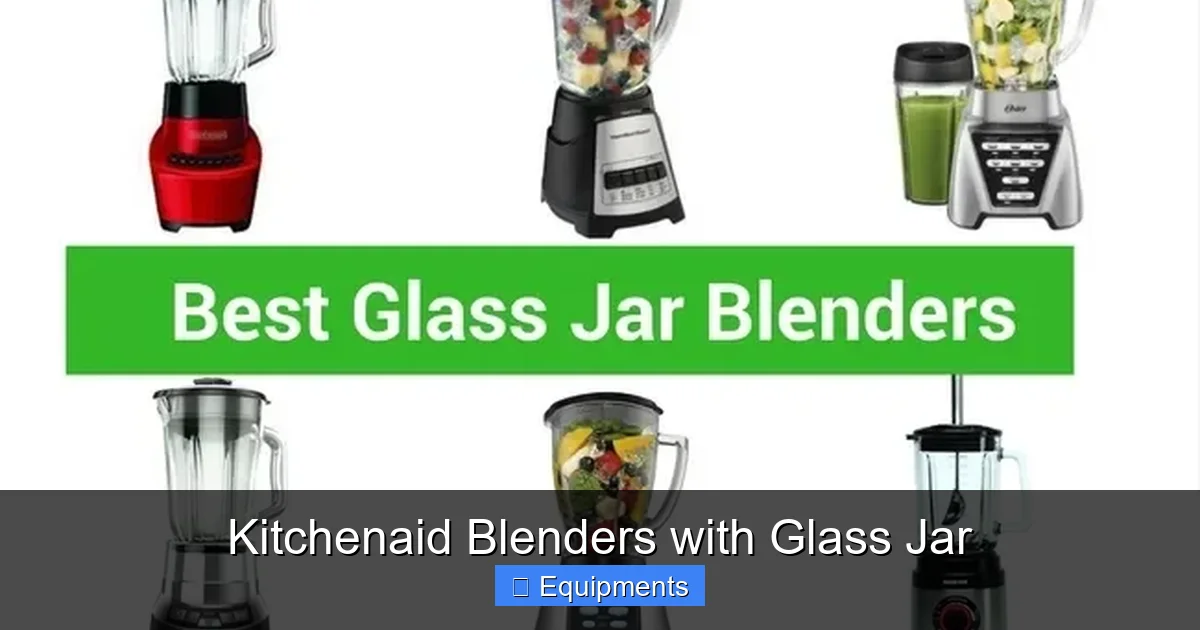
Plastic, even high-quality Tritan, is a polymer. Under the stress of a blender’s blade and the abrasive action of ice cubes or frozen fruit, it develops micro-scratches. These scratches are more than cosmetic; they become tiny traps for pigments, oils, and odors. Over time, a plastic jar becomes a palette of your blending history—a faint pink hue from strawberries, a ghost of garlic, a stubborn turmeric stain. Glass, specifically the tempered glass used in KitchenAid jars, is fundamentally different. Its surface is far harder and more resistant to abrasion. You can run a spoon along the interior (gently!) after blending crushed ice and see no mark. This scratch resistance is the primary defense against permanent staining and clouding. The jar you start with is, for all practical purposes, the jar you’ll have years from now, crystal clear.
Visual guide about Kitchenaid Blenders with Glass Jar
Image source: i2.wp.com
Flavor Purity: The Inert Advantage
Have you ever tasted a faint plastic aftertaste in a smoothie? That’s the result of porous materials absorbing and then re-releasing volatile compounds. Glass is non-porous and chemically inert. It forms a perfect barrier. No flavors from yesterday’s tomato soup will leach into today’s fruit smoothie. No citrus oils will linger to clash with your next batch of pesto. This is a critical factor for anyone serious about food flavor. For the home chef experimenting with global spices, vibrant vegetable purees, or delicate dessert sauces, a glass jar ensures each creation is a pure expression of its ingredients, unaltered by its vessel. It’s the difference between a white canvas and a stained one.
Temperature Resilience: From Freezer to Stovetop
KitchenAid’s glass jars are designed to handle thermal shock within normal kitchen use. This means you can safely pour in hot, freshly simmered soup straight from the pot without fear of the jar cracking from sudden temperature change—a genuine risk with some lower-quality plastics. Conversely, you can start with frozen ingredients without the jar becoming brittle. This resilience opens up a world of hot blending tasks. Making a velvety butternut squash soup? You can cook the squash, let it cool slightly, and blend it directly in the jar. The glass won’t warp, melt, or off-gas. It provides peace of mind for any recipe, hot or cold.
Performance & Power: How Glass Enhances Blending
Stability and Reduced Vibration
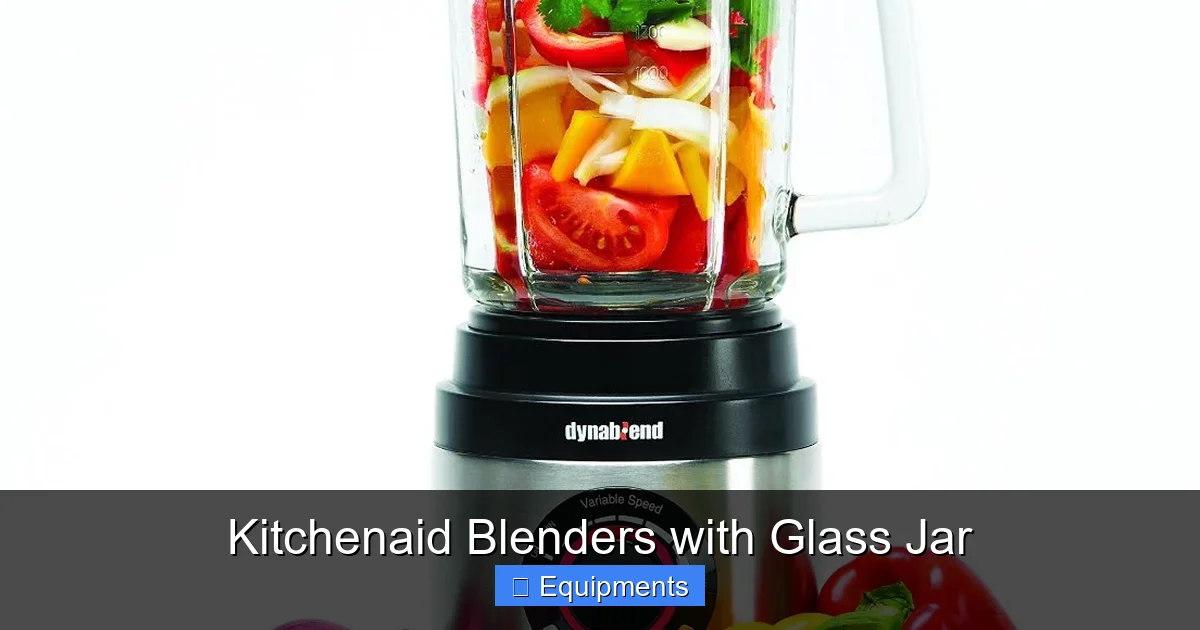
There’s a noticeable weight to a glass blender jar. This isn’t a flaw; it’s a feature. That weight lowers the blender’s center of gravity. When the powerful motor inside the base kicks into high gear to crush ice or pulverize fibrous greens, a lightweight plastic jar can wobble, “walk” across the counter, or create a distracting vibration. The substantial glass jar anchors the entire appliance. It sits firmly, translating the motor’s power directly into the blending chamber with minimal energy loss to movement. The result is a quieter, more stable operation that feels more controlled and professional. You’re not fighting the blender’s movement; you’re commanding it.
Visual guide about Kitchenaid Blenders with Glass Jar
Image source: kitchengearpro.com
Optimal Visibility for Perfect Results
Cooking by sight is a fundamental skill. With a crystal-clear glass jar, you have an unobstructed view of your ingredients from every angle. You can see exactly when a smoothie has reached that perfect, silky consistency without stopping the blender, removing the lid, and peeking. You can monitor the chopping of herbs or nuts to prevent over-processing. You can ensure that thick mixtures aren’t clinging to the sides in a stubborn clump. This visibility eliminates guesswork and helps you achieve consistent results every single time. It turns blending from a “set and hope” process into an interactive, controlled one.
Compatibility with High-Torque Motors
KitchenAid’s classic heritage is in mixers, but their blender line, especially the Pro Line series, packs serious torque. That power is designed to tackle dense, challenging ingredients. A glass jar, being rigid and non-deformable, provides the perfect, unyielding chamber for this power to work. The blades bite into ingredients against a solid wall. There’s no “give” in the container that can sometimes reduce efficiency with very thick mixtures in plastic. The combination of a powerful motor and a rigid glass jar is what allows these blenders to achieve true nut butter consistency or pulverize frozen fruit into a sorbet-like texture without stalling.
Cleaning, Care, and Long-Term Value
The Dishwasher-Safe Dream
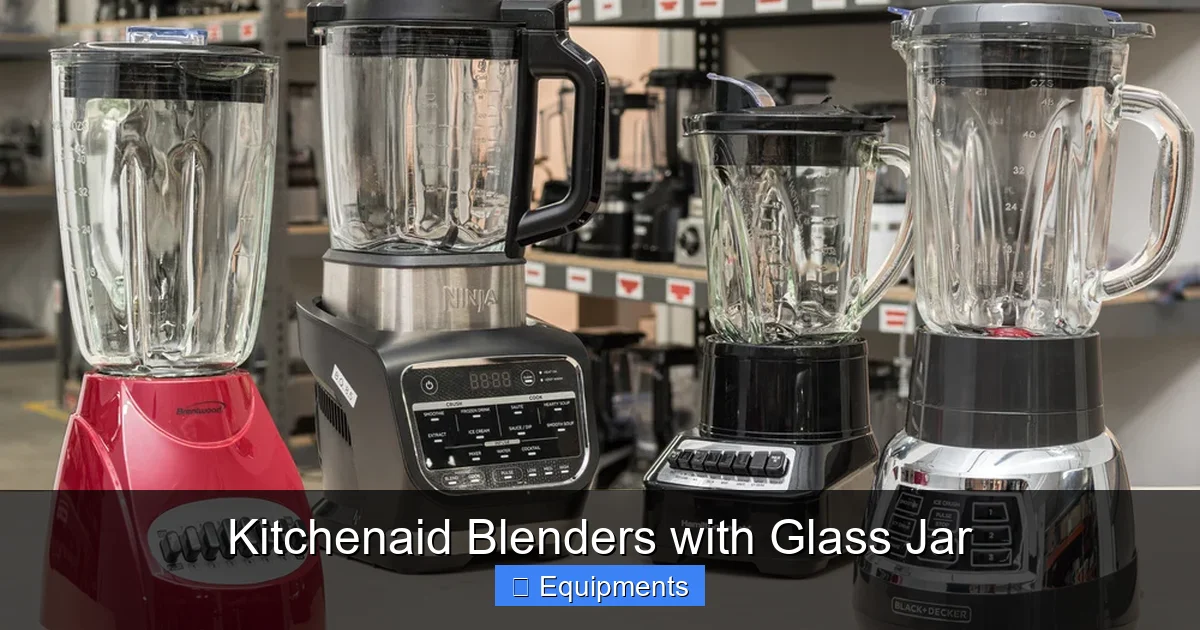
For most KitchenAid blenders with glass jars, the entire jar, lid, and measuring cap are dishwasher safe. This is a monumental convenience. After blending a sticky, oily dressing or a protein-packed smoothie, you can simply rinse, load the dishwasher, and walk away. The non-porous surface ensures that dishwasher detergent and hot water can thoroughly sanitize every inch. There are no hidden crevices or absorbent materials to worry about. This ease of cleaning encourages frequent use because the cleanup feels minimal, which is the ultimate goal of any kitchen tool.
Visual guide about Kitchenaid Blenders with Glass Jar
Image source: i.rtings.com
A Lifetime of Clarity: No Degradation
Think about the lifecycle cost. A plastic jar blender might be cheaper upfront, but after 2-3 years of heavy use, that jar is often cloudy, stained, and scratched. It becomes an eyesore and a potential flavor contaminant. You’re likely to replace the entire appliance or struggle to find a compatible replacement jar. A KitchenAid glass jar, with proper care, will not degrade in this way. It will remain clear and functional for a decade or more. This transforms the blender from a consumable gadget into a durable, heirloom-quality tool. The initial investment pays dividends in sustained performance and the avoidance of future replacement costs.
Simple Care Tips for Longevity
While incredibly durable, glass can shatter if subjected to extreme, direct impact. The main care tip is to avoid thermal shock beyond normal use (don’t take a jar from the freezer and pour boiling water into it immediately). Also, always ensure the blade assembly is securely locked onto the jar before blending. Cleaning the blade base is simple: most models allow you to unscrew the blade assembly from the jar for thorough washing. A quick rinse immediately after use prevents dried-on messes. For stubborn residue, a blend of warm water and a drop of dish soap on the “clean” or “pulse” setting works wonders before the dishwasher cycle.
Design and Aesthetics: The KitchenAid Look
Iconic Styling Meets Modern Function
You don’t buy a KitchenAid appliance solely for function; you buy it for form. The brand’s design language is iconic. Their glass jar blenders continue this tradition. The jars feature clean lines, often with a subtle taper, and are finished in classic colors that match their legendary stand mixers—Empire Red, Midnight Blue, Contour Silver, and more. The lid typically includes a removable measuring cap for easy ingredient addition while blending. The entire assembly looks cohesive and intentional on the counter, not like a utilitarian afterthought. It’s a blender you’ll be proud to display, not hide in a cabinet.
Ergonomic and Practical Features
Beyond beauty, the design is functional. The jars have comfortable, easy-grip handles for safe pouring, even with hot contents. The lids lock securely with a twist mechanism, preventing messy spills during high-speed operation. The pour spouts are precisely engineered for drip-free pouring. The base of the jar is designed to fit snugly and lock onto the motor base with a satisfying click, ensuring safety. Every detail, from the material choice to the color palette to the handle shape, is considered. This holistic design philosophy means the blender feels as good to use as it looks.
Finding Your Perfect Model: A Buyer’s Guide
Key Series: Classic vs. Pro Line
KitchenAid generally offers two main tiers for blenders with glass jars. The Classic Series (like the K150) provides excellent performance with a powerful motor (typically 1.5 peak horsepower), a 56-ounce glass jar, and three speed settings plus pulse. It’s a fantastic, no-fuss workhorse for daily smoothies, soups, and sauces. The Pro Line Series (like the K400 or K475) is the powerhouse. It features a more robust motor (up to 2.0 peak horsepower), a unique “dip” in the jar bottom that pulls ingredients toward the blades for more efficient blending, and often more preset programs (Ice Crush, Smoothie, Soup, etc.). The Pro Line is for those who want restaurant-quality results, blend very dense ingredients regularly, or desire more automation.
Essential Features to Consider
When comparing models, look at the motor’s peak horsepower (PHP) for a sense of raw power. Consider jar capacity—56 oz is standard and great for families or batch cooking. Check the blade design; KitchenAid’s patented, multi-tiered, stainless steel blades are engineered for efficiency. Preset programs are convenient but not essential; manual control with a pulse function is often more versatile. Finally, consider the color availability to match your kitchen or stand mixer. All glass jar models will share the core benefits of the material, so your choice largely depends on your power needs and desired automation level.
Who is the Glass Jar Model For?
The KitchenAid blender with a glass jar is ideal for the home cook who blends frequently and values longevity. It’s perfect for families making large batches of smoothies or soup. It’s a must for flavor purists—spice enthusiasts, juice cleansers, or anyone who can’t stand the thought of residual odors. It’s suited for those who prioritize countertop aesthetics and want an appliance that feels substantial and premium. If you primarily blend occasional, single-serve smoothies and budget is the absolute primary concern, a plastic jar model might suffice. But for anyone viewing their blender as a long-term, multi-purpose kitchen workhorse, the glass jar is the definitive, superior choice.
Conclusion: A Clear-Cut Winner
In the world of blenders, the choice between plastic and glass is more than a superficial one. It speaks to your priorities: short-term cost versus long-term value, convenience versus purity, and utilitarian function versus integrated design. The KitchenAid blender with a glass jar stands firmly on the side of enduring quality. It delivers on the promise of scratch-free clarity, absolute flavor neutrality, and robust performance for both hot and cold tasks. The weight provides stability, the design provides pride, and the material provides unparalleled hygiene. While the initial investment is higher, the return is a blender that doesn’t degrade with use—one that will look and perform like new for years to come. For the discerning cook who believes the tools matter as much as the ingredients, a KitchenAid glass jar blender isn’t just an appliance; it’s a cornerstone of a thoughtful, capable, and beautiful kitchen.
Frequently Asked Questions
Are KitchenAid glass blender jars dishwasher safe?
Yes, the glass jar, lid, and measuring cap on all current KitchenAid blender models with glass jars are fully dishwasher safe on the top rack. This makes cleanup exceptionally easy and ensures thorough sanitation.
Can I blend hot liquids like soup in a glass jar blender?
Absolutely. The tempered glass is designed to handle hot liquids safely. You can pour freshly cooked, hot soup directly into the jar for blending. The material won’t crack from thermal shock under normal kitchen conditions and won’t melt or warp like some plastics.
Is a glass jar blender heavier and less convenient than plastic?
The glass jar is heavier than plastic, but this weight is an advantage for stability. It prevents the blender from vibrating or moving on the counter during use. While it may be slightly less convenient to lift when full, the benefits of stability, durability, and performance far outweigh this minor consideration for most users.
How does the power of a KitchenAid Pro Line blender compare to a standard model?
>The Pro Line series features more powerful motors (up to 2.0 peak horsepower) compared to the Classic Series (1.5 peak horsepower). This extra power, combined with the unique jar design that pulls ingredients down, makes the Pro Line better suited for very dense tasks like making nut butters, frozen desserts, or large batches of thick smoothies without stalling.
Can I purchase a replacement glass jar if mine breaks?
Yes, KitchenAid sells replacement parts directly through their website and authorized retailers. You can purchase a new glass jar, blade assembly, or lid separately. Always ensure you get the correct part number for your specific blender model to guarantee a perfect fit and safe operation.
What’s the difference between the K150 Classic and K400 Pro Line glass jar blenders?
The main differences are power and features. The K150 has a 1.5 peak horsepower motor and 3 speeds plus pulse. The K400 has a stronger 2.0 peak horsepower motor, a unique “dip” in the jar bottom for better ingredient circulation, and includes 4 preset programs (Ice Crush, Smoothie, Soup, Clean). The K400 is designed for more heavy-duty, frequent use and offers more automation.