Vitamix blenders are expensive due to a combination of superior engineering, exceptional durability, and a business model focused on long-term value rather than short-term profit. Their commercial-grade motors, aircraft-grade containers, and industry-leading warranties are built to last decades, not years. This upfront cost translates to a lower cost per use over time, making them a strategic investment for serious home cooks rather than just another appliance.
Key Takeaways
- Commercial-Grade Durability: Vitamix blenders are built with heavy-duty components like aircraft-grade stainless steel containers and all-metal drive sockets, designed to withstand daily, demanding use for 10+ years without failure.
- Unrivaled Motor Power and Engineering: Their motors are not just powerful (2-3 peak horsepower) but are engineered for sustained torque and efficient cooling, allowing them to blend the toughest ingredients smoothly without burning out.
- Decade-Long Warranty as a Signal: The standard 7-10 year full warranty is a direct testament to their confidence in product longevity and drastically reduces the long-term ownership risk and cost.
- Versatility That Replaces Multiple Appliances: A Vitamix can function as a high-performance blender, food processor, grain mill, and even a soup maker, potentially eliminating the need for several single-purpose kitchen gadgets.
- Brand Legacy and Customer Loyalty: Decades of professional use in restaurants and a cult-like following among home chefs allow Vitamix to command a premium based on proven reputation and word-of-mouth, not just marketing.
- The “Cost Per Use” Philosophy: When a $500 blender is used 500 times a year for 15 years, the cost per use drops to pennies, reframing the purchase as an investment in daily culinary capability and health.
📑 Table of Contents
- The Sticker Shock: A First Reaction Many Share
- Unmatched Build Quality and Durability: The Heirloom-Appliance Standard
- The Powerhouse Motor and Engineering: It’s Not Just About Horsepower
- Industry-Leading Warranty and Support: The Real Cost of “Cheap”
- Unrivaled Versatility: One Appliance, Dozens of Jobs
- The Vitamix Brand Legacy and Reputation: Paying for Proven Performance
- The Long-Term Value Proposition: Reframing the Investment
- Conclusion: It’s an Investment, Not an Expense
The Sticker Shock: A First Reaction Many Share
You’re browsing for a new blender. You see models from $50 to $200 that seem perfectly capable. Then, you encounter a Vitamix. The price tag often starts around $500 and can soar well over $700 for their premium models with smart technology. The immediate thought is, “Why are Vitamix blenders so expensive?” It’s a valid question. In a market saturated with affordable options, what justifies such a dramatic price premium? The answer isn’t about fancy colors or celebrity endorsements. It’s a story of engineering philosophy, materials science, and a fundamental difference in how the company views the product’s lifespan. Vitamix isn’t selling a kitchen gadget; it’s selling a permanent, high-performance kitchen workstation. To understand the cost, we must dismantle the blender, piece by piece, and examine what’s truly inside.
This article will move beyond the surface-level “it’s built to last” cliché. We’ll dive into the specific mechanical and design choices that inflate the manufacturing cost but also create an heirloom-quality appliance. We’ll explore the business strategy behind the warranty, the hidden costs of cheaper alternatives, and ultimately, help you decide if this investment aligns with your cooking habits and values. The goal is to provide a complete, transparent picture so you can see exactly where your money goes when you buy a Vitamix.
Unmatched Build Quality and Durability: The Heirloom-Appliance Standard
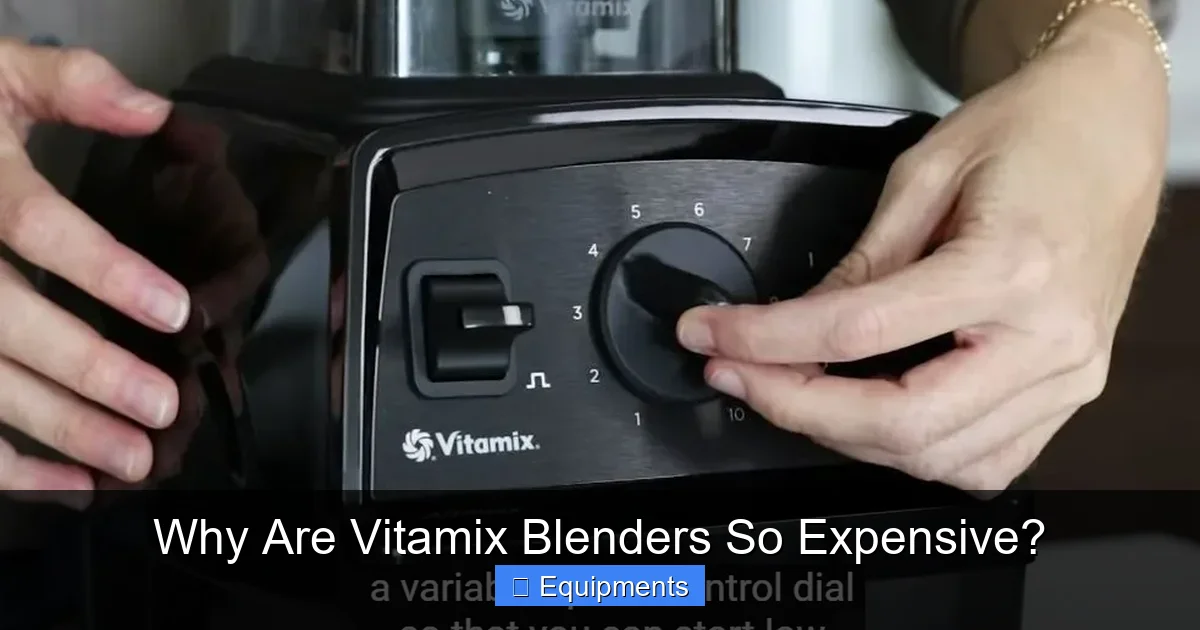
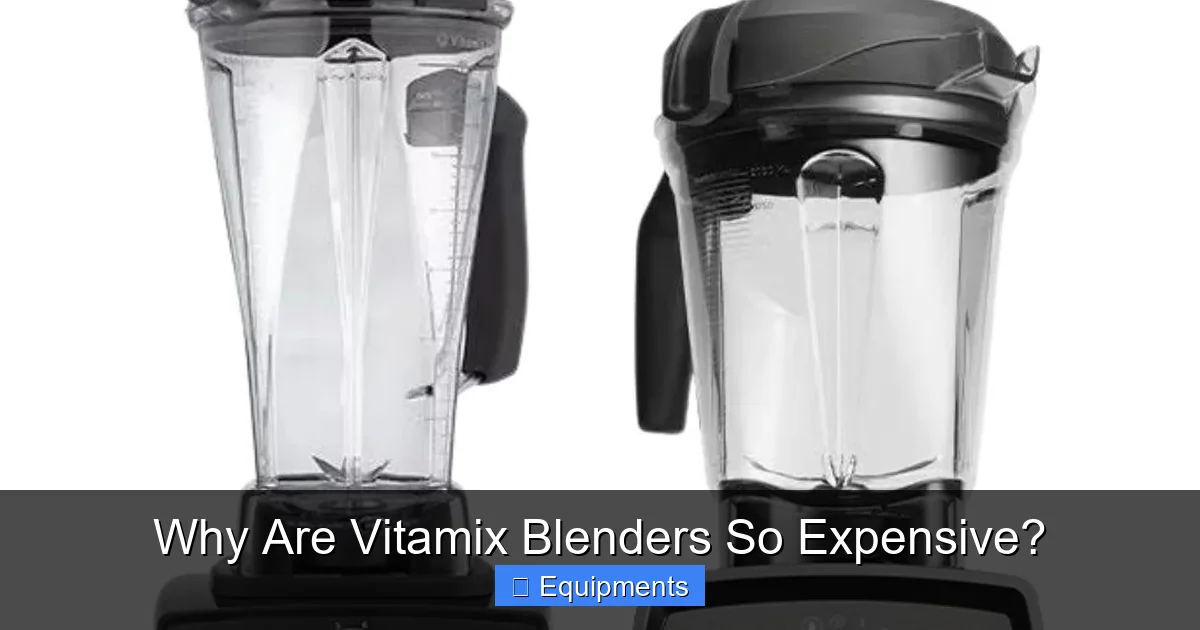
When you lift a Vitamix container, the weight is the first clue. It’s substantial. This isn’t cheap, thin plastic. Vitamix uses what they call “Tritan” copolyester for their standard containers—a material engineered for clarity, impact resistance, and longevity. It’s BPA-free, dishwasher-safe, and, crucially, resistant to scratches and cracking over years of use. But the real story is the container’s design and integration. The vessel is not a separate part; it’s a single, unified system with the blade assembly and the lid. The blades are laser-cut from hardened stainless steel, then precisely welded to a robust, all-metal drive socket. This metal-to-metal connection is a critical durability feature.
Visual guide about Why Are Vitamix Blenders So Expensive?
Image source: blenderspro.com
The Critical Metal Drive Socket vs. Plastic Bushings
Most conventional blenders use a plastic bushing or coupling where the container’s drive socket connects to the motor base. This plastic is a common failure point. Over time, with heat, stress, and occasional misalignment, it can strip, crack, or melt, rendering the entire blender useless. Vitamix eliminates this weak link entirely. Their drive socket is a solid piece of machined metal that spins directly on the motor shaft. There is no plastic part to wear out in the transmission of power. This design is over-engineered for home use, borrowing directly from the commercial blenders Vitamix has supplied to restaurants for decades. The result is a system that can handle years of grinding ice, nuts, and frozen fruit without a single degradation in performance or risk of catastrophic failure from a worn plastic part.
Container Design: A Lesson in Fluid Dynamics and Safety
The container’s shape isn’t arbitrary. It’s a result of extensive testing to create a vortex that pulls ingredients down efficiently, ensuring even blending without the need to stop and stir constantly (a feature they call the “wet blade” design). The lid is a multi-part, secure system with a removable center plug that allows you to add ingredients mid-blend without stopping the machine. This plug is also a safety feature, preventing the blender from operating if it’s not properly seated. Every element is designed for function, safety, and decades of reliable service. When you factor in the cost of engineering, tooling, and superior materials for this single component, it already exceeds the total manufacturing cost of many budget blender containers.
The Powerhouse Motor and Engineering: It’s Not Just About Horsepower
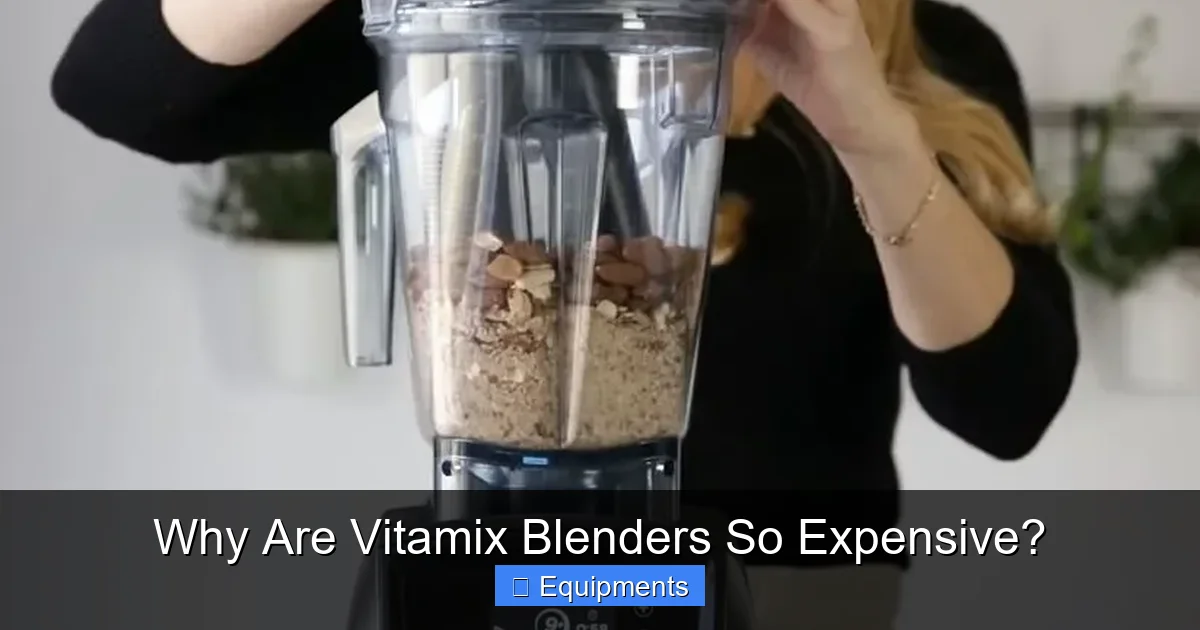
Advertisements love to shout about “2.2 peak horsepower!” But horsepower alone is a misleading metric for blenders. What truly matters is torque—the rotational force that gets the blades moving and keeps them moving through dense materials. Vitamix motors are engineered for massive, sustained torque at low speeds. This is why a Vitamix can turn whole grains into fine flour without the motor straining or overheating, and why it can make steaming-hot soup in under 6 minutes through friction alone. Cheap blenders often have high-speed motors with low torque. They might whir loudly with liquid, but stall instantly when you add a handful of nuts or frozen fruit, forcing you to add more liquid and sacrifice texture.
Visual guide about Why Are Vitamix Blenders So Expensive?
Image source: blenderspro.com
Cooling Systems and Thermal Protection
Sustained high torque generates significant heat. A poorly designed motor will overheat quickly, triggering a thermal safety shut-off that forces you to wait 30-60 minutes before using it again. Vitamix motors feature large, efficient cooling fans and heat sinks integrated into the motor housing. This allows for continuous, heavy-duty use—think making multiple batches of nut butter or frozen desserts—without failure. This robust thermal management system adds cost in materials (more metal, better fans) and engineering design. It’s a feature you only notice when it’s absent, but it’s fundamental to the machine’s commercial-grade capability.
Variable Speed Control and the Pulse Function
Instead of a simple low/high switch, Vitamix uses a variable speed dial (on most models) that gives you precise control from a gentle stir to full blast. This isn’t just a convenience; it’s a necessity for different tasks. Making a chunky salsa requires a different approach than emulsifying a vinaigrette or pulverizing ice. The pulse function is also a hard-wired, momentary switch that gives you instant, full power for precise texture control. The electronics behind this smooth, responsive speed control are more sophisticated and costly than the simple on/off or preset circuits found in less expensive models. This control is what transforms a blender from a one-trick pony into a versatile culinary tool.
Industry-Leading Warranty and Support: The Real Cost of “Cheap”
This is the most significant, yet often overlooked, factor in the price. Vitamix offers a standard 7-year full warranty on most home models, which is already extraordinary. Some series come with a 10-year warranty. This covers everything: the motor base, container, blades, lid, and even the tamper. Compare this to the typical 1-3 year limited warranty on a $100 blender, which often excludes “normal wear and tear” and may have you paying for shipping and repairs. The Vitamix warranty isn’t just a promise; it’s a reflection of their predicted failure rate—which is exceptionally low.
Visual guide about Why Are Vitamix Blenders So Expensive?
Image source: plugchef.com
Warranty as a Proxy for Build Cost and Confidence
A company will only back a product with a decade-long warranty if it is confident the product will last that long without costly claims. The warranty is, in essence, the manufacturer putting their money where their mouth is. The cost of setting up a warranty service network, stocking parts for decades-old models, and employing knowledgeable customer support staff is baked into the product’s price. When you buy a Vitamix, you are prepaying for this peace of mind and service infrastructure. A $150 blender with a 1-year warranty leaves you entirely on the hook for the next 4-9 years of its (likely shorter) life. The potential hidden cost of replacing a broken blender every few years quickly eclipses the initial Vitamix premium.
The Resale Value and “Landfill” Avoidance
Because Vitamix blenders last so long and are so well-regarded, they hold resale value incredibly well. A 10-year-old Vitamix in good condition can still fetch $150-$300 on the secondary market. Most $100 blenders are worth $0 after a year or two. Furthermore, the durable construction means a Vitamix is far less likely to end up in a landfill. The environmental cost of disposable appliances is an externality not reflected in their low sticker price. Vitamix’s model is the antithesis of planned obsolescence. You are paying for a product that is designed, engineered, and warranted to be a one-time purchase for a lifetime of cooking.
Unrivaled Versatility: One Appliance, Dozens of Jobs
The Vitamix’s power and precision enable functions that are impossible or extremely difficult for weaker blenders. This versatility directly replaces the need for other appliances, saving you counter space and additional expenses. Let’s catalog the capabilities:
- Perfectly Smooth Purees and Soups: The high-speed blades and friction heat can make velvety soups from raw vegetables in under 10 minutes. No stovetop cooking, no transferring to a blender (and risking spills).
- Ultra-Fine Nut Butters and Grinding: From almonds to oats, the Vitamix can turn whole ingredients into fine flour or creamy butter without added oil, thanks to its sustained torque and heat management.
- Frozen Desserts and Dips: Using the “frozen dessert” technique (often with the tamper), you can make sorbet, ice cream, and hummus with perfect texture from frozen or dry ingredients.
- Hot Drinks and Frothing: The friction heat function allows for quick, frothy matcha lattes or hot chocolate.
- Dough and Batters: While not a stand mixer, it excels at quickly mixing pancake batter, pizza dough, and even bread dough (with the dry grain container attachment).
Each of these functions is performed with a level of consistency and quality that cheaper blenders cannot match. You are not just buying a blender; you are buying a multi-function food processing system. The value proposition shifts from “cost of a blender” to “value of consolidated kitchen functionality.”
The Tamper: A Simple Tool, A Complex Solution
The included tamper is a deceptively simple plastic rod. Its purpose is to push stubborn ingredients (like frozen fruit or thick nut butter) down toward the blades without stopping the machine. This is possible because of the specially designed, narrow, and tall container shape and the powerful motor that can maintain torque even with the tamper inserted. Cheaper, wider containers and weaker motors would stall or damage the machine if you tried to use a tamper. The tamper is a key that unlocks the Vitamix’s full potential for thick, dry, or frozen batches. It’s a small part, but it represents a complete system design where every component works in harmony.
The Vitamix Brand Legacy and Reputation: Paying for Proven Performance
Vitamix has been in business since 1921. For decades, their primary customers were restaurants, smoothie shops, and health food cafes. The brand built its reputation on machines that could run for 18 hours a day, 7 days a week, blending hundreds of smoothies without fail. This commercial heritage is not marketing fluff; it’s the origin of the over-engineered design. When they entered the residential market, they brought that same DNA. Chefs, nutritionists, and health enthusiasts took notice. Word-of-mouth in these communities is powerful and positive. A Vitamix is seen as a tool of the trade for anyone serious about whole-food nutrition.
The Cult of Vitamix and Community Knowledge
There is a vast, passionate online community of Vitamix owners who share recipes, techniques (like the famous “Vitamix pancake in a cup”), and troubleshooting tips. This ecosystem adds intangible value. The blender comes with a physical cookbook, but the real treasure is the collective knowledge of thousands of users who have mastered its capabilities. This community trust and advocacy are earned over decades of consistent product performance. It’s a brand equity that cannot be bought with advertising; it must be built, one perfectly blended smoothie at a time. Part of the price you pay is for entry into this community and the assurance that comes with a product that has a legion of devoted, experienced users.
Why Not Just Copy the Design?
You might wonder why other brands don’t simply replicate this formula. They try. But copying a design is not the same as inheriting 100 years of iterative engineering, material sourcing relationships, and manufacturing precision. The tolerances in a Vitamix motor, the exact blend of plastic in the container, the specific blade geometry—these are the result of immense R&D investment and proprietary knowledge. Competitors can make a “powerful” blender, but they often cut costs on the transmission, cooling, container integrity, or warranty to hit a lower price point. The Vitamix price reflects the sum of these uncompromised choices.
The Long-Term Value Proposition: Reframing the Investment
Let’s do the math that changes the conversation. Let’s assume a Vitamix costs $550. A “good enough” blender might cost $120. Now, assume you are a health-conscious person who uses a blender 4 times a week for smoothies, soups, or sauces. That’s about 200 uses per year.
- Vitamix Cost Per Use (Year 1): $550 / 200 = $2.75
- Cheap Blender Cost Per Use (Year 1): $120 / 200 = $0.60
The cheap blender seems like a bargain. But now, factor in lifespan. A Vitamix, with its 10-year warranty and proven track record, will easily last 15-20 years for a home user. Let’s be conservative and use 15 years (2,100 total uses).
- Vitamix Lifetime Cost Per Use: $550 / 2,100 = $0.26
Now, let’s project the cheap blender. Its plastic parts will fatigue. Its motor will likely fail within 3-5 years under frequent use. Let’s say it lasts 4 years (800 uses) before needing replacement. You buy another $120 blender. Over 12 years (to match a 15-year Vitamix span), you’d buy three blenders ($360 total, 2,400 uses).
- Cheap Blender Lifetime Cost Per Use (12 years): $360 / 2,400 = $0.15
The math still slightly favors the cheap blender on pure cost-per-use. But this calculation ignores quality of life, performance, and frustration. The cheap blender’s limitations—straining with frozen fruit, leaking, overheating, making lumpy textures—create friction in your routine. You might use it less, make inferior smoothies, or abandon healthy recipes because the tool fails you. The Vitamix’s frictionless performance, reliability, and versatility mean you actually use it more, get better results, and enjoy the process. Its value is in the quality and frequency of use, not just the number of uses. You are paying for a seamless, powerful, and joyful kitchen experience every single time.
Conclusion: It’s an Investment, Not an Expense
So, why are Vitamix blenders so expensive? The price is the cumulative sum of uncompromised choices: metal where plastic should be, over-engineered cooling where simple vents suffice, a decade-long warranty where a year is standard, and a design philosophy that prioritizes lifetime performance over shareholder quarterly profits. You are paying for a tool that will likely outlive your mortgage, that will never need a replacement part, and that will empower you to make healthier, more delicious food with effortless ease.
The question for you is not “Why is it so expensive?” but “Is this level of daily performance, durability, and versatility worth the investment for my household?” If you blend frequently, value whole-food nutrition, hate kitchen gadget clutter, and believe in buying once and buying well, the answer is a resounding yes. The Vitamix is the benchmark against which all other blenders are measured, not because of its price tag, but because of the relentless standard of quality that price tag represents. You aren’t buying a blender; you are buying a permanent, high-performance upgrade to your kitchen and your health.
Frequently Asked Questions
Are Vitamix blenders really worth the high price?
Yes, for the right user. If you blend frequently (multiple times per week), value durability and performance, and want a single appliance that can replace several others, the long-term value and superior results justify the cost. For casual, occasional use, a less expensive blender may suffice.
Can a cheaper blender match a Vitamix’s performance?
No. Cheaper blenders typically lack the sustained torque, cooling capacity, and container design to handle tough tasks like making nut butters, hot soups, or ultra-smooth frozen desserts without stalling, overheating, or producing inferior textures. They are built for light, liquid-based tasks.
Why do Vitamix containers last so long compared to others?
Vitamix uses a thick, impact-resistant Tritan plastic and a critical all-metal drive socket. Most failures in other blenders occur at the plastic bushing that connects the container to the motor. Vitamix eliminates this weak point entirely with a direct metal-to-metal connection, preventing stripping and wear.
Are Vitamix blenders louder than other blenders?
Yes, they are significantly louder. This is a direct trade-off for their immense power. The powerful motor and high blade speeds generate more sound. Many users find the performance is worth the noise, and the noise is typically a short burst (30-90 seconds) rather than continuous.
Do Vitamix blenders hold their resale value?
Exceptionally well. Due to their long lifespan and strong brand reputation, used Vitamix blenders, even those 10+ years old, retain a significant portion of their value on secondary markets like eBay or Facebook Marketplace, unlike most other small appliances.
What is a more affordable alternative to a Vitamix?
Brands like Blendtec offer similar high-performance power at slightly lower prices. For a more budget-conscious but still capable option, the Ninja Professional Plus series is often recommended. However, neither matches Vitamix’s legendary warranty, all-metal drive system, or long-term durability track record.