A steam oven is a revolutionary cooking appliance that uses injected water vapor to cook food, locking in nutrients and moisture for healthier, more flavorful results. Unlike conventional ovens, it prevents drying and offers versatile functions from steaming to baking. In 2026, smart features and energy-efficient designs make it a must-have for modern kitchens. Follow these expert tips to master steam cooking, from perfectly crisp vegetables to bakery-quality bread, and learn how to choose the right model for your needs.
Key Takeaways
- Nutrient Retention: Steam cooking preserves up to 50% more vitamins and minerals compared to boiling or dry-heat methods by minimizing contact with water.
- Moisture Mastery: The steam oven eliminates the risk of dry, overcooked proteins and baked goods by maintaining a humid cooking environment.
- No Preheating Needed: Most steam ovens heat up almost instantly, saving significant time and energy for weeknight meals.
- Versatile Functions: Modern units combine pure steam, convection steam, and dry convection modes, replacing multiple appliances.
- 2026 Smart Tech: Look for models with app connectivity, AI-powered cooking programs, and voice control for seamless integration.
- Easy Maintenance: Regular descaling and simple wipe-downs keep your steam oven performing optimally for years.
📑 Table of Contents
- What Exactly Is a Steam Oven?
- The Unbeatable Benefits of Steam Cooking
- Types of Steam Ovens: Finding Your Fit for 2026
- Good Cooking Tips for 2026: Mastering Your Steam Oven
- Buying Guide: What to Look for in a 2026 Steam Oven
- Care and Maintenance: Keeping Your Steam Oven Happy
- The Future is Steaming: What to Expect Beyond 2026
- Conclusion: Is a Steam Oven Right for You?
What Exactly Is a Steam Oven?
Imagine capturing the power of a professional steamer—the kind you see in high-end restaurant kitchens—and fitting it into a countertop or wall unit for your home. That’s the essence of a steam oven. At its core, it’s an oven that cooks primarily by injecting fine, controlled bursts of water vapor into a sealed chamber. This creates a humid atmosphere that transfers heat gently and evenly to your food. Think of it as the difference between gently simmering a sauce versus boiling it vigorously; the gentle approach yields superior results.
While steaming vegetables in a basket on the stovetop is familiar, a dedicated steam oven elevates the process. It uses a reservoir or direct water line to generate steam on demand, often with precision temperature control from a cool 90°F (32°C) for delicate proofing up to a sizzling 500°F (260°C) in combination modes. This isn’t just for veggies. It’s a tool for reviving leftovers without sogginess, baking bread with a crackly crust, roasting juicy chickens, and even making perfect poached eggs. The technology has matured rapidly, and by 2026, these units are smarter, more efficient, and more accessible than ever.
The Core Technology: How Steam is Generated
There are two primary methods for creating steam inside these ovens. Understanding this helps when shopping for a 2026 model.
- Boiler System: A separate water reservoir heats up to produce steam, which is then pumped into the oven cavity. This is common in countertop models and offers very precise steam control. It’s reliable but can take a moment to generate a large volume of steam.
- Injection System (or Steam Generator): Water is injected directly onto a superheated heating element or plate inside the oven cavity, vaporizing it instantly. This method is faster and allows for rapid adjustments in humidity levels. Most high-end built-in models use this technique for its responsiveness.
Both systems are effective, but the injection system is generally preferred for its speed and ability to create “bursts” of steam during baking, which is crucial for artisanal bread.
The Unbeatable Benefits of Steam Cooking
Why are home cooks and chefs alike raving about steam ovens? The benefits extend far beyond just cooking vegetables.
Visual guide about What Is a Steam Oven? Good Cooking Tips in 2026
Image source: cdn.acidcow.com
1. Superior Nutrition and Health
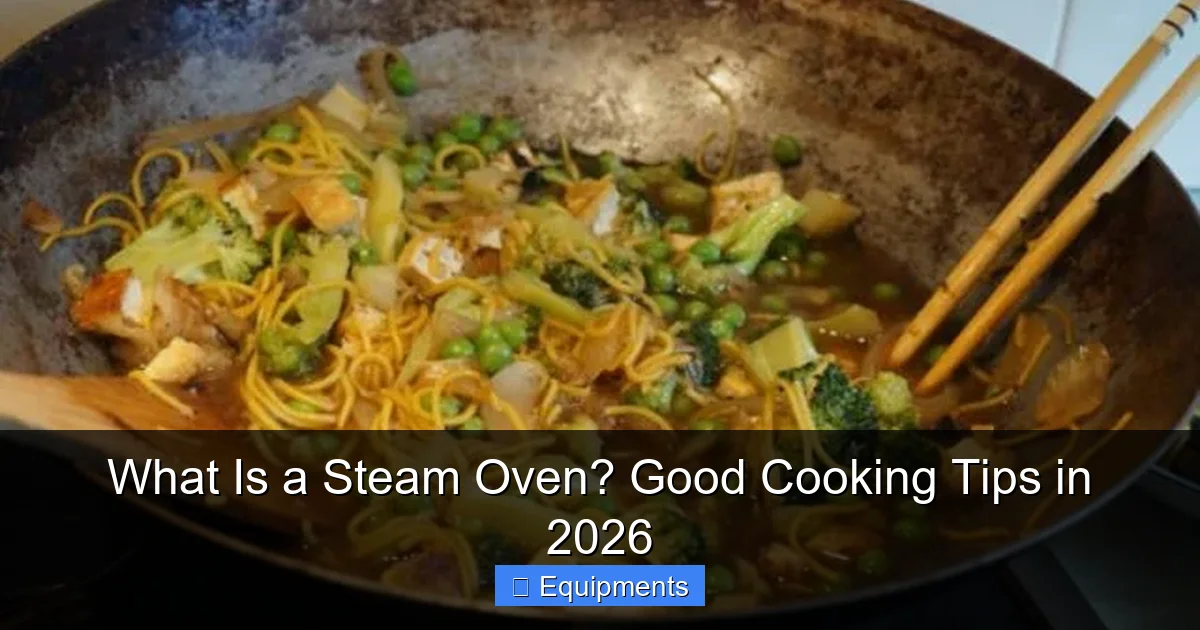
When you boil food, water-soluble vitamins like Vitamin C and B vitamins leach out into the water, which you then discard. Steaming, especially in a closed system like an oven, minimizes this loss. The food cooks in its own moisture and the surrounding vapor, not sitting in water. Studies, including those from the USDA, show steaming retains significantly more antioxidants and nutrients in foods like broccoli, spinach, and carrots. For health-conscious families in 2026, this is a game-changer.
2. Unmatched Juiciness and Flavor
Have you ever roasted a chicken breast only to find it dry? Or baked a cake that turned out crumbly? A steam oven solves this by preventing moisture from escaping. The saturated air keeps proteins succulent and baked goods tender. For example, baking salmon in a steam oven results in flaky, moist fish every time, without the need for a sauce or covering. The same principle applies to pork chops, turkey breasts, and even meatloaf.
3. Versatility That Replaces Multiple Appliances
A modern steam oven is a culinary chameleon. In its pure steam mode, it’s a vegetable steamer and fish poacher. In convection steam mode (combining dry heat with humidity), it’s a roaster and baker. In dry convection mode (no steam), it functions like a standard convection oven. Some even have a “reheat” mode that uses gentle steam to revive last night’s pizza or fried chicken, making it taste nearly fresh without making it soggy. One appliance can replace your steamer, toaster oven, and sometimes even your main oven for smaller jobs.
4. Energy and Time Efficiency
Because a steam oven doesn’t have a massive thermal mass to heat up like a traditional oven, it reaches temperature in minutes, not 15-20. There’s no preheating for most steam functions. This saves a considerable amount of energy, especially for quick meals. Cooking times for many items are also faster; for instance, a whole chicken might roast in 45 minutes in a convection steam oven versus 60+ in a dry oven. In 2026, with rising energy costs, this efficiency is a major selling point.
5. Precision and Consistency
Professional kitchens love combi ovens (their industrial-scale cousins) for their precision. Home steam ovens bring that same control. You can set an exact temperature and humidity level. Want your asparagus bright green and crisp-tender? Set it to 212°F (100°C) pure steam for 4 minutes. Need to proof sourdough at a steady 85°F (29°C)? The steam mode maintains that perfectly. This takes the guesswork out of cooking, leading to consistent, restaurant-quality results.
Types of Steam Ovens: Finding Your Fit for 2026
The market has expanded dramatically. Here’s a breakdown of the main types you’ll encounter in 2026.
Visual guide about What Is a Steam Oven? Good Cooking Tips in 2026
Image source: goodhousecleaner.com
Countertop (Portable) Steam Ovens
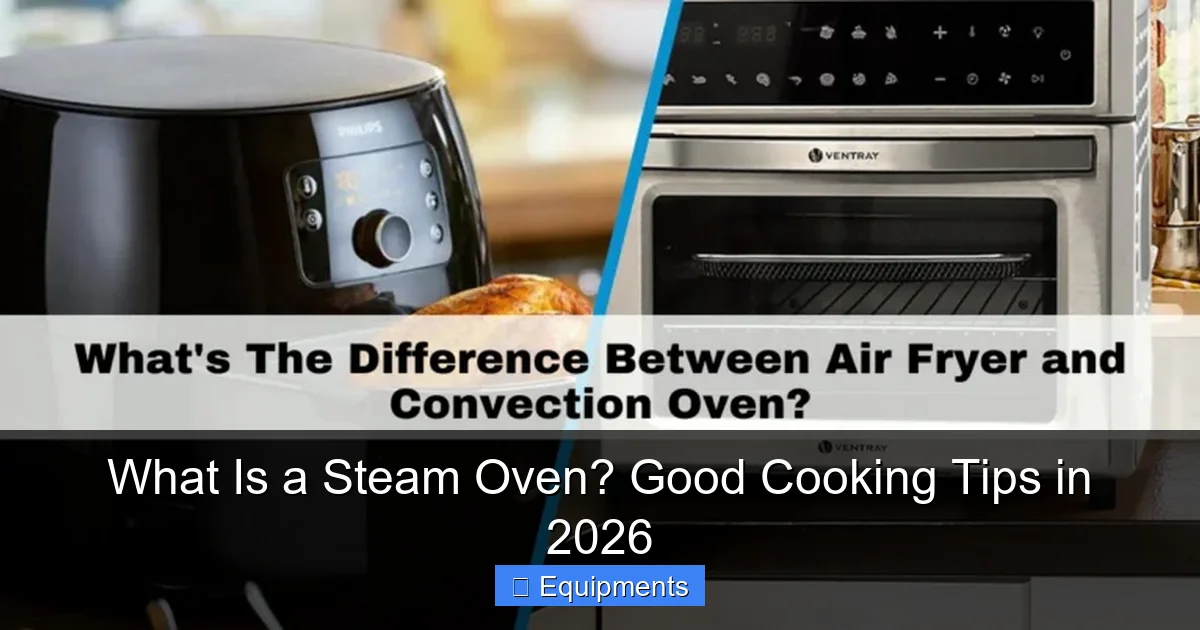
These are standalone units that sit on your kitchen counter. They are the most affordable entry point, typically ranging from 1 to 2 cubic feet in capacity. They use a removable water reservoir (no plumbing required), making them easy to install anywhere. They are perfect for small households, apartments, or as a second oven. Brands like Breville and Cuisinart dominate this space with user-friendly interfaces. Their main limitation is capacity—you can’t fit a large turkey or multiple sheet pans—and the reservoir needs frequent refilling for long cooks.
Built-In (Wall) Steam Ovens
These are designed to be installed into a kitchen cabinet, offering a seamless, integrated look. They come in various sizes (24-inch or 30-inch widths are common) and often have larger capacities. Many are “combi” ovens, offering steam, convection, and combination modes. They can be plumbed directly to your water line for unlimited supply or use a large internal reservoir. This is the premium choice for serious home cooks and new construction or major renovations. Brands like Miele, Wolf, Gaggenau, and Bosch are leaders, with 2026 models focusing on connectivity and automation.
Combination Steam Ovens (Combi Ovens)
This is the most common type in the built-in category. “Combi” is short for combination. These ovens can automatically switch between or combine dry convection heat and steam. For example, a “Combi 2” mode might use 30% steam and 70% dry heat. This is the magic setting for roasting meats (crispy skin, juicy interior) and baking bread (oven spring with a glossy crust). When shopping, ensure the model offers a true combination mode, not just separate steam and convection functions.
Pure Steam Ovens
Less common, these units only generate steam and no dry heat. They are essentially high-tech steaming cabinets. They are excellent for health-focused cooking but lack the versatility for baking or roasting. You might see these in commercial settings or as a niche product for extreme dietary needs.
Good Cooking Tips for 2026: Mastering Your Steam Oven
Owning the tool is just the first step. Using it correctly is what unlocks its potential. Here are essential, up-to-date tips for fantastic results.
Visual guide about What Is a Steam Oven? Good Cooking Tips in 2026
Image source: steamandbake.com
General Principles for Success
- Don’t Overcrowd: Steam needs to circulate. Leave space between items on the rack. Use multiple racks if your model allows, but ensure they are not stacked directly on top of each other.
- Season Smartly: Season food before cooking. In a humid environment, salt can draw out moisture. For proteins, pat them dry and season just before cooking. For vegetables, a light toss with oil and seasoning is perfect.
- Use the Right Cookware: Dark, heavy pans absorb heat well for combination roasting. For pure steaming, use perforated steam pans (often included) or even a simple oven-safe dish. Avoid overcrowding the pan.
- Embrace the Water Reservoir: Always use fresh, cold, filtered water. Reusing water can impart off-flavors and increase mineral buildup. For 2026 models with large reservoirs or direct plumbing, this is less of a chore, but for countertop units, get in the habit of refilling it after each major use.
Pro Tips by Food Category
Vegetables: This is where steam ovens shine. For crisp-tender results, steam green beans, asparagus, or broccoli at 212°F (100°C) for 4-8 minutes depending on size. For very soft, melting vegetables like carrots or squash, extend time to 12-15 minutes. A pro tip for 2026: use the “vegetable” preset if your model has one, but always check a minute early for your preferred doneness.
Fish & Seafood: Steam is the gentlest way to cook delicate fillets. Place salmon or cod fillets on a piece of parchment or a lightly oiled pan. Steam at 212°F (100°C) for 8-12 minutes. The flesh will be opaque and flake easily. For shellfish like shrimp or scallops, steam for just 3-5 minutes until they turn opaque. No more rubbery results!
Poultry & Meat: For juicy results, use combination mode. A whole chicken does beautifully at 350°F (175°C) with 30% steam for about 45-50 minutes. The steam keeps the breast meat moist while the dry heat crisps the skin. For pork chops or chicken breasts, try 325°F (163°C) with 50% steam. Always use a meat thermometer to ensure safe internal temperatures.
Bread & Pastries: This is a secret weapon. For a bakery-style crust on your sourdough, start with a high-temperature (450°F/230°C) combination bake with 30% steam for the first 10-15 minutes, then switch to dry convection to finish. For dinner rolls or brioche, a lower temperature with a touch of steam yields a tender, glossy top. In 2026, look for models with specific “bread” or “dough proofing” settings that maintain precise low temperatures and humidity.
Reheating: Forget the microwave! Use the dedicated “reheat” or “warm” mode (usually around 250-300°F with a high steam percentage). This gently reheats pizza, fried chicken, or roasted potatoes, restoring crispness without drying them out. A 5-10 minute reheat is often all you need.
2026-Specific Smart Features to Use
New models are packed with tech. Don’t let it go to waste.
- App Connectivity & Recipes: Brands are offering apps with hundreds of guided recipes. The app can send the exact time, temperature, and steam percentage directly to your oven. Use this for complex dishes or when trying something new.
- Voice Control: Integrated with Alexa, Google Assistant, or Apple HomeKit. You can preheat, set timers, or ask for cooking advice hands-free while your hands are covered in dough or seasoning.
- AI-Powered Adjustment: The most advanced 2026 models will have cameras or sensors that detect the food’s color and doneness, automatically adjusting cook time and steam levels. While still emerging, this “set-and-forget” intelligence is the future.
- Energy Monitoring: Some models now track energy usage per cook cycle. Use this data to optimize your cooking habits and save on bills.
Buying Guide: What to Look for in a 2026 Steam Oven
With so many options, what matters most? Here’s your checklist.
Capacity and Size
Measure your space! For a countertop model, ensure it fits with clearance for ventilation. For built-in, note the cutout dimensions (width, height, depth). Capacity is measured in cubic feet. A 1.0 cu ft countertop model is fine for sides and small proteins. A family of four should look at 1.5-2.0 cu ft for built-ins. Consider what you’ll cook most: a 12-lb turkey needs a large cavity.
Steam Generation Method
As discussed, injection systems are faster and more responsive. If you plan to bake a lot of bread, this is crucial for creating that initial oven spring with a steam burst. For primarily steaming vegetables, a boiler system is perfectly adequate and often more affordable.
Control Interface
Look for an intuitive, backlit LCD screen. Knobs and buttons are often more user-friendly than purely touch-screen interfaces, which can be tricky with wet hands. 2026 models will have even smoother interfaces. Does it have dedicated, clearly labeled modes (Steam, Convection, Combi, Reheat)? Preset programs for “Fish,” “Vegetables,” “Bread” are convenient bonuses.
Water Supply
Do you want to plumb it in? This is the ultimate convenience but requires professional installation and access to a water line (and sometimes a drain). A large internal reservoir (1.5+ quarts) is the next best thing, requiring fewer refills. A small removable reservoir is the least convenient for long cooks.
Build Quality and Brand Reputation
This is an appliance you’ll use daily for years. Research brand reliability and customer service. Premium brands like Miele and Wolf are known for durability and excellent support. Read reviews focusing on long-term performance and issues like descaling alerts or error codes. In 2026, sustainability is also key—look for Energy Star certification and brands with strong recycling programs for old units.
Essential 2026 Features to Prioritize
- Automatic Descaling Alert: A must. The system will tell you when it’s time to run a descaling cycle based on usage and water hardness.
- Multiple Rack Positions: At least 2-3 positions allow for cooking multiple items at once.
- Interior Light: A simple but crucial feature to check on your food without opening the door and losing steam.
- Cool-Touch Door: Especially important with children or pets in the home.
- Warranty: Look for at least a 2-year comprehensive warranty. Some premium brands offer 5-year warranties on components.
Care and Maintenance: Keeping Your Steam Oven Happy
A steam oven is low-maintenance but requires specific care to prevent mineral buildup and ensure longevity.
Daily/Weekly Care
After each use, let the oven cool down. Wipe the interior walls, door, and seals with a soft, damp cloth. For food splatters, a mild soap solution is fine. Avoid abrasive scrubbers. The cooking racks and pans can be washed with warm, soapy water. Always dry them thoroughly before returning to the oven to prevent rust. Empty the water reservoir after each use and let it air dry to prevent mold or mildew.
Monthly Descaling
This is the most important maintenance task. Minerals from your water (especially if you have hard water) will accumulate on the heating elements and steam jets, reducing efficiency and causing error codes. Your oven will have a descaling program. You’ll need a commercial descaling solution (often sold by the brand) or a 1:1 mixture of white vinegar and water. Fill the reservoir, run the cycle, and then rinse thoroughly by running a couple of steam cycles with fresh water. If you have very hard water, consider using filtered or distilled water in the reservoir to drastically reduce scaling frequency.
Deep Cleaning the Interior
For stubborn baked-on grime, make a paste of baking soda and water. Apply it to the interior surfaces (avoid the heating elements and steam jets) and let it sit for 30 minutes. Wipe clean with a damp cloth. For glass doors, a vinegar-water spray works wonders. Never use commercial oven cleaners in a steam oven, as they can damage the seals and interior coating.
Troubleshooting Common Issues
- “Add Water” Light On: The reservoir is empty. Simple fix!
- Food Not Cooking Evenly: You may be overcrowding the racks. Ensure proper air circulation. Rotate pans halfway through cooking if needed.
- Error Code (e.g., “E01” or “Descale”):strong>: Consult your manual. Most often, it’s a descaling alert or a sensor issue. Try a full descaling cycle first. If it persists, contact customer service.
- Water Not Heating/No Steam: Check for mineral blockage in the steam jets. A thorough descaling usually fixes this. Ensure the reservoir is properly seated.
The Future is Steaming: What to Expect Beyond 2026
The steam oven revolution is just beginning. Here’s a glimpse at what’s on the horizon.
True AI Integration: Cameras inside the oven will identify the food (e.g., “two chicken breasts,” “a loaf of sourdough”) and automatically select the optimal cooking program. It will learn your preferences over time—perhaps you like your vegetables more al dente, and it will adjust accordingly.
Seamless Smart Kitchen Hubs: Your steam oven won’t exist in a vacuum. It will communicate with your smart fridge (which knows what ingredients you have), your smart scale (which weighs your food), and your smart pantry. Imagine: you place a salmon fillet on the oven rack, scan the barcode on the package, and the oven pulls the perfect cooking program from the cloud.
Hyper-Personalized Nutrition: Connected to health apps, your oven could adjust cooking methods based on your dietary goals. For a low-sodium diet, it might recommend a longer, gentler steam cook to maximize flavor without salt. For high-protein diets, it could optimize settings to minimize nutrient loss in meats.
Sustainability Focus: Expect even greater energy efficiency, water-saving modes, and ovens made from recycled materials. Brands will compete on total cost of ownership, highlighting how much water and energy a steam oven saves compared to boiling on the stovetop or running a full-sized conventional oven.
Modular Design: Countertop units might become even more compact and modular, able to stack or connect to other smart appliances for a customized, space-saving kitchen system.
Conclusion: Is a Steam Oven Right for You?
If you value healthy, flavorful food, hate dry chicken and rubbery fish, and are tired of juggling multiple appliances, the answer is likely yes. A steam oven is not a gimmick; it’s a serious tool that delivers on its promises. The learning curve is gentle—start by steaming vegetables and reheating pizza, and you’ll be convinced. By 2026, the technology is more refined, the interfaces are smarter, and the value proposition is stronger than ever.
Think of it as an investment in your health, your cooking confidence, and your kitchen’s efficiency. It complements, rather than replaces, your main oven, handling a huge percentage of daily cooking tasks with superior results. Do your research, choose a model that fits your space and cooking style, and you’ll wonder how you ever cooked without one. The future of home cooking is humid, and it’s delicious.
Frequently Asked Questions
Is a steam oven just for steaming vegetables?
No, that’s a common misconception. While it excels at vegetables, a combination steam oven is incredibly versatile. It’s perfect for roasting juicy meats, baking moist cakes and bread with crisp crusts, reheating leftovers perfectly, and even making dishes like custards and poached fruits that require gentle, moist heat.
How does a steam oven compare to a microwave?
They are completely different. Microwaves heat food by agitating water molecules, which can often make food rubbery or soggy and destroys some nutrients. A steam oven cooks with gentle, enveloping heat and moisture, preserving texture, flavor, and nutrients. It produces results far superior to a microwave for almost any food, but it takes longer to cook (similar to a conventional oven).
What is the biggest drawback of owning a steam oven?
The primary considerations are counter or cabinet space and the need for regular descaling (using a descaling solution every 1-3 months depending on water hardness and use). Also, for large families or those who cook massive cuts of meat frequently, a single countertop unit may have insufficient capacity—a built-in model would be necessary.
Do I need to use special cookware in a steam oven?
You can use most oven-safe cookware, including stainless steel, cast iron, ceramic, and glass. For pure steaming, perforated steam pans (often included) or even a simple baking sheet work well. Avoid plastic or anything with wooden handles that can’t withstand oven temperatures. For combination roasting, dark metal pans help with browning.
Is a steam oven worth the investment for a small kitchen?
Absolutely, especially a countertop model. It replaces your steamer, can often replace your toaster oven for many tasks, and uses less energy than firing up a large conventional oven. Its small footprint delivers a huge return in cooking quality and versatility, making it ideal for apartments and small homes.
What’s the single best tip for a first-time steam oven user?
Start with vegetables. Steam a batch of broccoli, asparagus, or green beans using the pure steam setting at 212°F (100°C) for 4-6 minutes. The immediate, dramatic improvement in color, texture, and flavor compared to boiling or even stovetop steaming will instantly show you the value of the appliance and build your confidence to try more complex recipes.
Pingback: Finish Filet Mignon in Oven - kitchenandhouseware.com