Cooking a perfect Wagyu steak in 2026 is less about complicated techniques and more about precision equipment and respecting the meat’s unique qualities. The right tools—from smart thermometers to controlled-heat grills—are non-negotiable for managing its extreme marbling. Focus on gentle heat, minimal seasoning, and a proper rest to transform this luxury ingredient into a transcendent experience without overcomplicating it.
So, you’ve done it. You’ve splurged on a beautiful piece of Wagyu beef. That intricate, web-like marbling isn’t just pretty to look at—it’s a promise of unparalleled richness, a buttery texture, and a flavor that lingers. But that same luxurious fat is also a trap for the unwary. Cook it wrong, and you’ve wasted a small fortune on something that’s either a greasy mess or a tough, flavorless slab. Cooking Wagyu isn’t just about high heat; it’s a nuanced dance with temperature, time, and technique. As we move into 2026, the home cook’s arsenal is more sophisticated than ever, with gadgets that take the guesswork out of this delicate process. This guide isn’t just a recipe; it’s your equipment-first blueprint for transforming that precious steak into a meal you’ll remember, using the best tools and future-forward thinking available this year.
Key Takeaways
- Equipment is Your Foundation: Investing in precise tools like an instant-read thermometer (e.g., Thermapen ONE), a heavy-bottomed pan (carbon steel or cast iron), and a sous vide circulator is the first step to consistent success.
- Temperature is Everything: Wagyu’s high fat content cooks at a lower temperature. Target pull temperatures are 5-10°F (3-6°C) below your final desired doneness to account for carryover cooking.
- Rest is Not Optional: Resting for a minimum of 5-10 minutes (depending on thickness) is critical. This allows the rendered fat to redistribute, preventing a dry, greasy steak and ensuring every bite is juicy.
- Season with Simplicity: High-quality flaky sea salt (like Maldon) applied just before or after cooking is often all you need. The beef’s umami and fat are the stars; complex rubs or marinades mask them.
- Slice Against the Grain: Always slice your cooked steak thinly against the grain, especially for thicker cuts. This shortens muscle fibers and maximizes tenderness, making the rich fat more enjoyable.
- Render, Don’t Boil: Your goal is to gently melt the intramuscular fat (shimofuri). Use medium or medium-low heat initially to render fat slowly without burning it or causing flare-ups that char the meat.
- Embrace 2026 Tech Wisely: New tools like AI-assisted sous vide controllers or infrared pan thermometers can help, but they augment—not replace—the core principles of heat management and resting.
📑 Table of Contents
- The Wagyu Revolution 2026: Understanding Your Ingredient
- Your 2026 Toolbox: Non-Negotiable Equipment
- Preparation: The 30-Minute Rule and Dry Surface
- Cooking Methods Compared: Pan-Sear, Sous Vide, Grill
- The Final Act: Resting, Slicing, and Serving
- Beyond the Steak: 2026 Trends and Sustainability
- Conclusion: The Perfect Steak is a Ritual, Not a Race
The Wagyu Revolution 2026: Understanding Your Ingredient
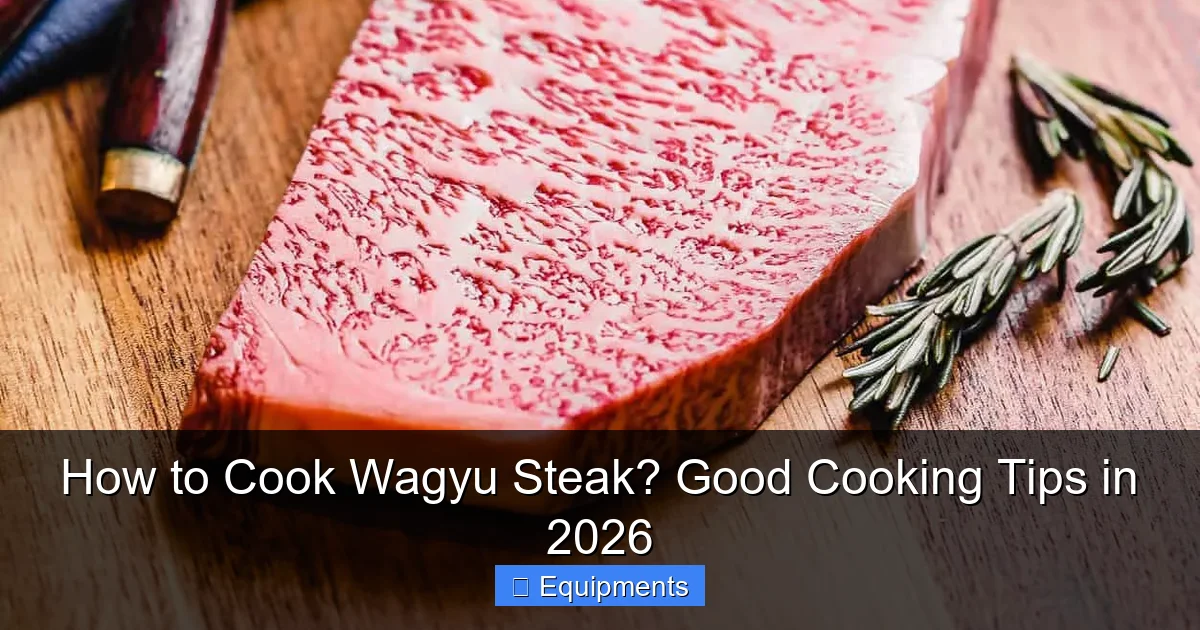
Before we touch a pan, we need to reset our expectations. Wagyu isn’t just “fancy beef.” The term refers to specific Japanese cattle breeds (most notably Tajima-gyu for Kobe beef) raised with extraordinary husbandry. The result is an abnormal accumulation of intramuscular fat, called marbling or sashi. This fat has a much lower melting point than regular beef fat (around 25-30°C / 77-86°F compared to 40-45°C / 104-113°F). This is the key. It means the fat begins to liquefy at body temperature, creating that signature “melt-in-your-mouth” sensation. In 2026, with global availability improving, understanding this science is more important than ever.
Why 2026 is Different: Genetics and Sourcing
Gone are the days when authentic Japanese A5 Wagyu was the only option. Today, you’ll find Australian Wagyu (often crossbred), American Wagyu (usually a cross with Angus), and even premium European versions. By 2026, traceability is paramount. Look for certificates of origin and, if possible, a BMS (Beef Marbling Score) of 8-9 for true luxury. The equipment tips here apply to all high-marbling beef, but knowing your specific cut’s origin helps you gauge fat content. A heavily marbled Australian cross may render more fat than a leaner American cut, requiring slight heat adjustments.
The Core Principle: Gentle Rendering
Your single mission is to gently render that fat. High, aggressive heat will cause the outside to burn before the interior fat has time to melt, creating a bitter, charred crust over a cool, fatty center. The goal is a uniform, golden-brown crust where the fat is fully liquefied and integrated into the meat. This requires patience and precise temperature control—which is where your 2026 equipment comes in.
Your 2026 Toolbox: Non-Negotiable Equipment
You cannot cook Wagyu well with random kitchen gear. This is an investment meal, and your tools should reflect that. Forget “good enough.” We’re aiming for “perfect every time.” The market in 2026 is flooded with precision tools that make this achievable for any home cook.
Visual guide about How to Cook Wagyu Steak? Good Cooking Tips in 2026
Image source: i.pinimg.com
The Absolute Must-Haves
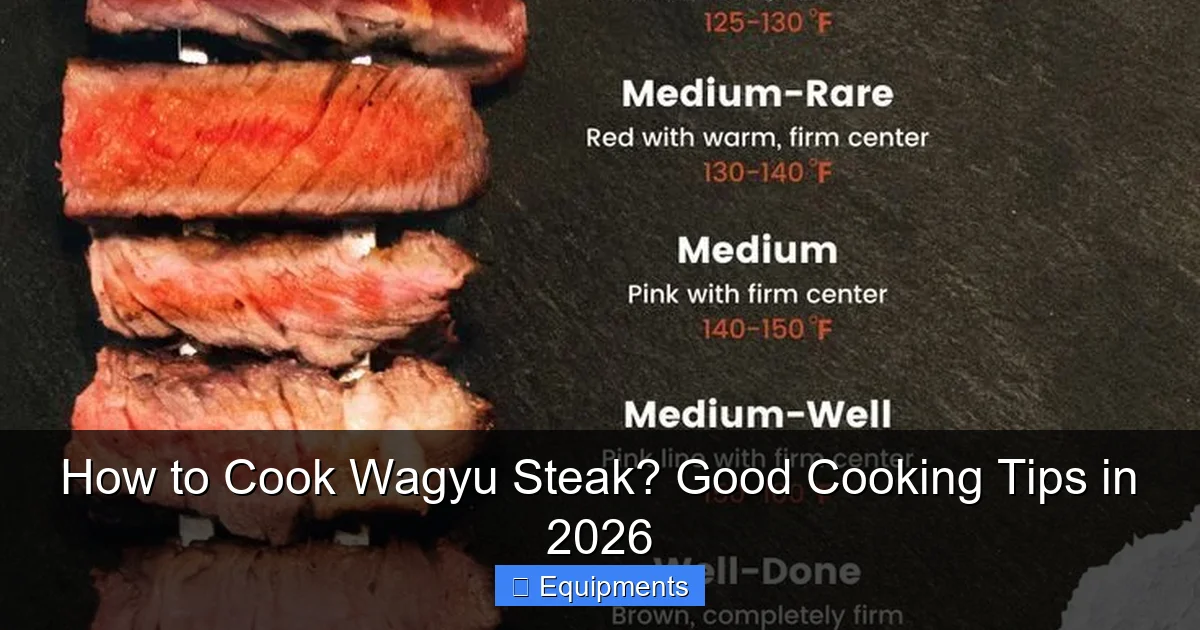
- Digital Instant-Read Thermometer: This is your most important tool. Do not guess. Models like the Thermapen ONE or Meater+ (a wireless probe) give you a reading in 1-3 seconds. For Wagyu, you’re targeting pull temperatures 5-10°F lower than your final doneness due to its high fat content and excellent heat retention. For a final medium-rare (130°F/54°C), pull at 120-125°F (49-52°C).
- Heavy-Bottomed Pan: A carbon steel or well-seasoned cast iron pan is ideal. It holds heat incredibly well, providing even contact. Avoid thin, warped pans that create hot spots. For 2026, consider a cast iron pan with an embedded temperature sensor (like some from Field Company or Stargazer) that connects to an app, telling you exactly when the pan hits the perfect searing temp of 400-450°F (204-232°C).
- Quality Tongs: Use sturdy, spring-loaded tongs to flip the steak once. Never pierce it with a fork, which releases precious juices.
The Game-Changing 2026 Additions
- Sous Vide Circulator: This is the ultimate tool for absolute precision, especially for thick cuts (1.5”+). By cooking the steak in a precisely temperature-controlled water bath (e.g., 125°F/52°C for medium-rare) for 1-2 hours, you ensure the entire steak is perfectly edge-to-edge. You then finish it with a 30-60 second sear in a screaming-hot pan for crust. Brands like Breville Joule or Anova Precision Cooker are standards. In 2026, look for models with improved Wi-Fi stability and app-driven doneness guides specific to Wagyu.
- Infrared Thermometer Gun: While not for the meat itself, this is invaluable for checking your pan’s surface temperature instantly. Heat your pan until it reads 400-450°F before adding the steak. Some 2026 models integrate with smartphone apps to log your cooking temps for future reference.
- Resting Rack & Insulated Container: A simple wire rack over a plate is fine, but for 2026, consider an insulated resting box (like a small cooler). After searing, place the steak on a rack inside the closed cooler. It will hold temperature perfectly without continuing to cook, allowing for a longer, more relaxed rest (10-15 minutes) which is ideal for very thick cuts.
Preparation: The 30-Minute Rule and Dry Surface
How you prep the steak is 50% of the battle. Rushing this step undermines all your expensive equipment.
Visual guide about How to Cook Wagyu Steak? Good Cooking Tips in 2026
Image source: grillseeker.com
The 30-Minute Room Temperature Rest
This is sacred. Remove your Wagyu steak from the refrigerator at least 30 minutes before cooking, though 45-60 minutes is better for very thick cuts. This allows the cold, dense fat to soften and come closer to room temperature. A cold steak will shock a hot pan, causing uneven cooking and preventing proper fat rendering. In a warm kitchen, just leave it on a wire rack on the counter, uncovered. This also helps dry the surface—a crucial step for a good sear.
Pat Dry, Then Salt
Use a paper towel to thoroughly pat the steak completely dry on all sides. Any surface moisture will steam the meat instead of searing it. Now, for the salt debate. In 2026, the consensus for premium, dry-aged or highly marbled Wagyu is to salt immediately before cooking. Salting too far in advance (more than 45 minutes) can draw out too much moisture, which then has to reabsorb, potentially making the surface too wet for a perfect crust. A light sprinkle of flaky sea salt right as the steak hits the pan is sufficient. The salt will dissolve into the rendered fat, seasoning the meat from the outside in.
No Marinades, No Pepper (Yet)
Avoid marinades. They cannot penetrate the dense fat and will only mask the delicate flavor. For pepper, wait until after cooking. Ground pepper can burn in a hot pan and introduce a bitter note. If you want pepper, crack fresh peppercorns over the sliced steak at the table.
Cooking Methods Compared: Pan-Sear, Sous Vide, Grill
With your tools ready and steak prepped, here’s how to execute. Each method has a place in your 2026 repertoire.
Visual guide about How to Cook Wagyu Steak? Good Cooking Tips in 2026
Image source: imperialwagyubeef.com
Method 1: The Classic Pan-Sear (The All-Rounder)
This is the fastest, most traditional method and works beautifully for steaks up to 1.5 inches thick.
- Heat the Pan: Place your dry, heavy-bottomed pan over medium-high to high heat for 3-4 minutes. Use your infrared thermometer to confirm it’s hit 400-450°F. You should see a wisp of smoke when you flick a few drops of water on it.
- Sear the First Side: Add a small splash of high-smoke-point oil (like avocado or refined grapeseed) and immediately place the steak in the pan. It should sizzle loudly. Do not move it. Sear for 60-90 seconds. You’ll see a nice, brown crust forming from the edge inward.
- Flip and Sear the Second Side: Flip with tongs. Sear the other side for 60-90 seconds. For thicker steaks, you can also briefly sear the edges by holding the steak with tongs.
- Add Aromatics & Butter (Optional): In the last 30 seconds, you can add a tablespoon of butter, a crushed garlic clove, and a sprig of thyme or rosemary to the pan. Tilt the pan and spoon the foaming butter continuously over the steak. This adds a subtle flavor but isn’t necessary for top-tier Wagyu.
- Check Temperature & Rest: Immediately insert your thermometer probe into the thickest part, avoiding fat. Pull 5-10°F below target. Transfer to your insulated resting box or a wire rack and let rest for a minimum of 5 minutes for a 1-inch steak, 10+ minutes for thicker. Tent loosely with foil if your kitchen is cool.
Method 2: Sous Vide + Sear (The Precision King)
The undisputed champion for thick-cut (2-inch+) Wagyu, bone-in ribeyes, or if you want absolute edge-to-edge perfection with no gradient.
- Season and Bag: Lightly salt the steak. Place it in a vacuum-seal bag or a heavy-duty zipper bag using the water displacement method. Add a few drops of oil or a pat of butter to the bag if desired (it helps heat transfer).
- Set the Bath: Preheat your sous vide circulator to your target final temperature (not pull temp). For medium-rare, set it to 129°F/54°C. For medium, 135°F/57°C.
- Cook: Submerge the bag, ensuring it’s fully underwater. Cook for 1-2 hours. The steak will never get hotter than the water bath.
- Chill and Sear: For the best crust, chill the steak after the bath. Remove from the bag, pat extremely dry, and refrigerate uncovered for 15-30 minutes. This dries the surface further. Then, sear in a smoking-hot pan for 30-45 seconds per side to develop a crust without raising the internal temperature significantly.
- Rest: Even after searing, let it rest for 5 minutes on a rack before slicing.
Method 3: Reverse Sear (The Grill Master’s Secret)
Ideal for thick steaks on a charcoal or gas grill, or even in a low-temperature oven (225°F/107°C). It cooks the steak gently from the outside in, then finishes with a hard sear, minimizing the gray band.
- Low & Slow: Set your grill or oven to 225-250°F. Place the steak on the cool side of a two-zone grill or on a rack in a baking sheet. Cook until the internal temperature is about 15-20°F below your target (e.g., 110°F for medium-rare). This could take 20-40 minutes depending on thickness.
- Rest Briefly: Let it rest for 5 minutes.
- Final Sear: Move the steak to the hottest part of the grill or back into your screaming-hot cast iron pan. Sear for 30-60 seconds per side to create a crust.
- Final Rest: Rest for another 5-10 minutes before serving.
The Final Act: Resting, Slicing, and Serving
You’ve cooked it perfectly. Don’t ruin it now. This final stage is where many fail.
Resting: The Science of Redistribution
When you cut into a hot steak, all the juices—which have been forced to the center by the heat—run out onto your cutting board. Resting allows the muscle fibers to relax and reabsorb those juices. For a 1.5-inch Wagyu steak, rest for 10-15 minutes. Tent it loosely with foil to keep it warm, but don’t seal it tightly, or you’ll steam the crust. The insulated resting box method is perfect here. The steak will stay perfectly warm and continue to relax.
Slicing: Against the Grain, Thinly
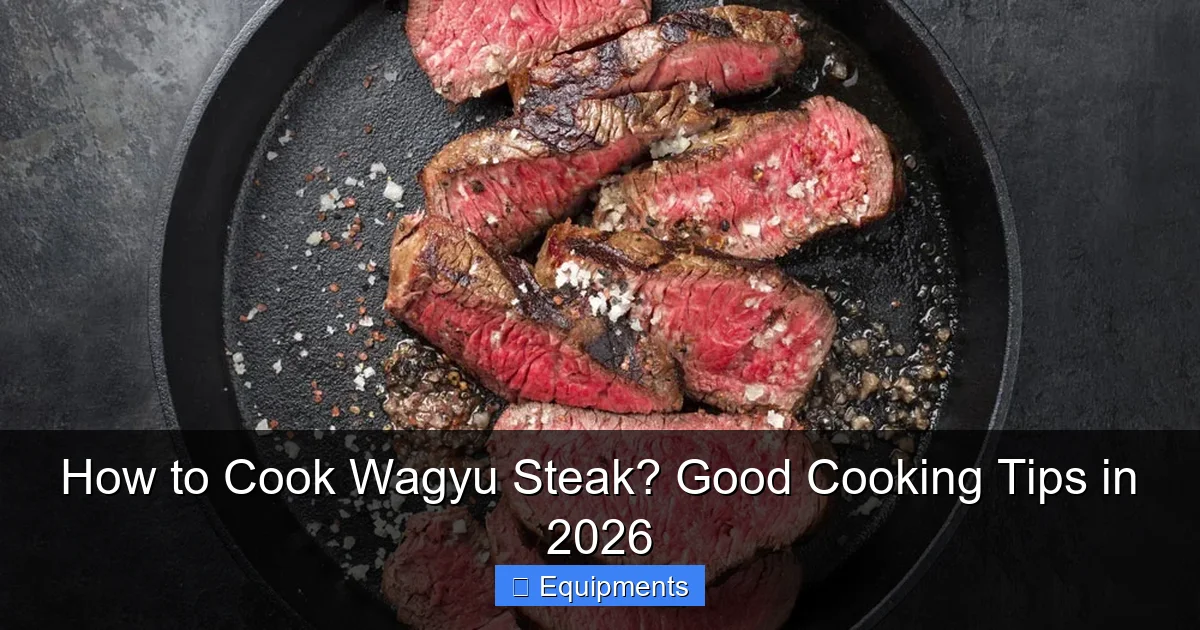
This is especially important for Wagyu. Identify the direction of the muscle fibers (the “grain”). Using a sharp carving knife (a Granton slicing knife is excellent), cut perpendicular to those fibers. Slice the steak into pieces about 1/4-inch thick. This shortens the long muscle strands, making each piece incredibly tender. For bone-in cuts like ribeye, you’ll often slice off the bone first, then slice the meat. The rich fat will be beautifully distributed in each slice.
Serving: Minimalism Wins
Arrange the slices on a warm plate. The only additions should be a final sprinkle of flaky sea salt and, if you like, a few grinds of black pepper. Do not drown it in sauce. The beauty of Wagyu is in the pure beef and fat flavor. A simple wedge of lemon or a few drops of high-quality yuzu kosho can provide a pleasant acidic contrast, but use sparingly. Let the steak speak for itself.
Beyond the Steak: 2026 Trends and Sustainability
Cooking Wagyu in 2026 isn’t just about the steak on your plate. It’s about context, ethics, and innovation.
The Rise of “Wagyu-Style” and Hybrid Breeds
True Japanese A5 Wagyu remains rare and astronomically expensive. The future is in high-quality crossbreeds (like F1, which is 50% Wagyu x 50% Angus). These offer excellent marbling at a more accessible price point. The cooking principles remain identical, but the fat content might be slightly lower, so you might have a tiny bit more margin for error with heat. Your thermometer is still your best friend.
Tech-Integrated Kitchens
By 2026, smart kitchen ecosystems are more common. Imagine your sous vide circulator syncing with your smart oven, or your pan’s embedded sensor sending a notification to your phone the moment it’s at searing temperature. These tools reduce variables. They are fantastic for the precision Wagyu demands. However, remember they are aids. Understanding the why behind the temperature is still your most valuable knowledge.
Sourcing and Sustainability
Be an informed consumer. Ask about the farm, the feeding program (many use a combination of pasture and high-energy feed), and the animal’s welfare. Look for producers who are transparent. In 2026, blockchain-based traceability is becoming standard for premium meats, allowing you to scan a QR code and see the animal’s life history. Supporting ethical, sustainable ranching ensures this incredible breed and its unique qualities will exist for future generations to enjoy.
Conclusion: The Perfect Steak is a Ritual, Not a Race
Cooking Wagyu steak in 2026 is a beautiful synthesis of ancient craft and modern technology. The core truth hasn’t changed: respect the meat. That means using precise equipment to manage its unique properties—its low-melting fat and incredible richness. It means planning ahead with the 30-minute rest, drying the surface, and committing to a proper rest after cooking. The gadgets—the smart thermometers, the sous vide, the infrared gun—they all serve one purpose: to remove doubt and guarantee you experience that steak exactly as the rancher and butcher intended. It’s not about showing off; it’s about honoring a extraordinary ingredient. So equip yourself properly, take your time, and prepare for a bite of beef that is truly transcendent. That’s the good cooking tip for any year.
Frequently Asked Questions
Can I cook Wagyu steak from frozen?
No, absolutely not. For the best texture and proper fat rendering, Wagyu must be thawed slowly in the refrigerator 24-48 hours before cooking and then brought to room temperature for at least 30 minutes. Cooking from frozen will result in a steamed, unevenly cooked steak with unrendered fat.
Do I really need a sous vide machine for Wagyu?
No, it’s not a requirement, but it is the single best tool for achieving perfect edge-to-edge doneness, especially on thick cuts (1.5 inches or more). A skilled cook can achieve excellent results with a pan and a good thermometer. The sous vide simply removes all guesswork and guarantees perfection.
Should I salt the steak hours in advance?
For standard steaks, dry-brining (salting 40 minutes to 4 hours ahead) is excellent. For highly marbled Wagyu, it’s better to salt just before cooking. The extreme fat content means the salt can draw out more moisture than desired, potentially making the surface soggy and hindering a crisp crust. A light sprinkle right before it hits the pan is ideal.
What internal temperature should I pull a Wagyu steak for medium-rare?
Pull your steak at 120-125°F (49-52°C). Due to its high fat content and excellent heat retention, carryover cooking will raise the internal temperature by 5-10°F during the rest, bringing it perfectly to the 130-135°F (54-57°C) range for a juicy, pink medium-rare.
My Wagyu steak is releasing a lot of fat in the pan. Is this normal?
Yes, this is completely normal and desirable! You are rendering the intramuscular fat. Use a basting spoon to remove excess fat from the pan if it’s smoking excessively. You can even pour off some fat between flipping sides. The goal is to cook in rendered fat, not have the steak sitting in a pool of its own fat which can fry rather than sear it.
How should I store leftover cooked Wagyu?
Let it cool completely, then slice it thinly against the grain. Store the slices in an airtight container in the refrigerator for 2-3 days. To reheat, gently warm it in a pan with a tiny bit of broth or water on very low heat, just until warmed through, to avoid drying it out. It can also be enjoyed cold in salads or on toast.
Pingback: How to Cook 500g Chateaubriand - kitchenandhouseware.com
Pingback: Steak Temperature Chart - kitchenandhouseware.com
Pingback: How to Tenderize Steak Overnight - kitchenandhouseware.com
Pingback: Flank Steak Marinade - kitchenandhouseware.com
Pingback: How to Cook Filet Mignon in Oven - kitchenandhouseware.com
Pingback: T Bone Steak Medium Rare - kitchenandhouseware.com
Pingback: Flank Steak Marinade Recipe - kitchenandhouseware.com
Pingback: Boneless Prime Rib Cooking Chart - kitchenandhouseware.com
Pingback: Bone in Prime Rib Cooking Time - kitchenandhouseware.com
Pingback: Air Fryer Steak Cooking Chart - kitchenandhouseware.com
Pingback: Pan Seared T Bone Steak - kitchenandhouseware.com
Pingback: Usda Cook Steak from Frozen Disadvantages Food Safety Cooking Frozen Meat - kitchenandhouseware.com
Pingback: Tomahawk Steak - kitchenandhouseware.com