Cooking turkey bacon in the oven is the superior method for achieving uniformly crispy, less greasy results with minimal mess. Unlike stovetop cooking, the oven’s consistent heat renders the fat slowly while the baking sheet catches drippings. Key to success is using a wire rack, proper temperature (typically 400°F/200°C), and understanding that cook times vary by brand and thickness. Follow this updated 2026 guide for foolproof, healthier breakfasts and recipes.
Key Takeaways
- Use a Wire Rack: Elevating strips on a rack allows hot air to circulate, cooking both sides evenly and letting fat drip away for maximum crispness.
- Temperature is Key: A hot oven (375°F-425°F / 190°C-220°C) is essential. 400°F (200°C) is the sweet spot for most brands to crisp without burning.
- Time Varies Widely: Cook time depends on thickness (usually 12-20 minutes). Thin “regular” cuts cook faster than “thick-cut.” Start checking at 10 minutes.
- Flip for Evenness: Flip strips halfway through the cooking time to ensure both sides get perfectly crisp and to prevent one side from over-darkening.
- Drain on Paper Towels: Transfer cooked bacon to a paper towel-lined plate immediately after removing from the oven to absorb residual surface grease.
- Check for Visual Doneness: Look for a deep golden-brown color, curled edges, and a firm, dry texture. It should crisp up further as it cools.
- Save the Drippings: The rendered fat collected on your baking sheet is pure flavor. Strain and store it for roasting vegetables or frying eggs—a 2026 sustainability must!
📑 Table of Contents
- Why the Oven is Your Turkey Bacon’s Best Friend
- Essential Equipment for 2026: Beyond the Baking Sheet
- The Step-by-Step: Temperature, Timing, and Technique
- Pro Tips for Perfection: What the Experts Know
- Beyond Breakfast: Creative Uses for Oven-Baked Turkey Bacon
- Troubleshooting & FAQ: Your Burning Questions Answered
- Conclusion: Your Path to Perfect, Stress-Free Crispiness
Why the Oven is Your Turkey Bacon’s Best Friend
Let’s be honest: cooking turkey bacon on the stovetop can be a frustrating, greasy ordeal. Strips stick to the pan, splatter covers your cooktop, and you’re constantly babysitting to flip each piece. The oven method transforms this chore into a hands-off, set-it-and-forget-it process that delivers consistently perfect results. In 2026, with more people seeking healthier, high-protein breakfasts and smarter kitchen workflows, oven-baking turkey bacon has cemented its status as the go-to technique.
The science is simple. An oven provides radiant, surrounding heat that cooks the bacon from all sides simultaneously. This slowly renders the fat out of the meat and into the pan below, leaving the strips themselves leaner, drier, and dramatically crispier. The hot air circulating (especially if you use a convection setting) ensures no soggy, steamed spots. Plus, containing all the grease on a single pan means an easy 2-minute cleanup—a huge win over scrubbing a greasy stovetop. Whether you’re cooking for a family breakfast, prepping meal-prep salads, or adding crispy bits to a recipe, the oven is your most reliable tool.
Essential Equipment for 2026: Beyond the Baking Sheet
While you *can* just lay turkey bacon on a bare sheet pan, the right gear elevates your results from good to restaurant-quality crisp. In 2026, the market offers smart upgrades that make the process even more efficient and sustainable.
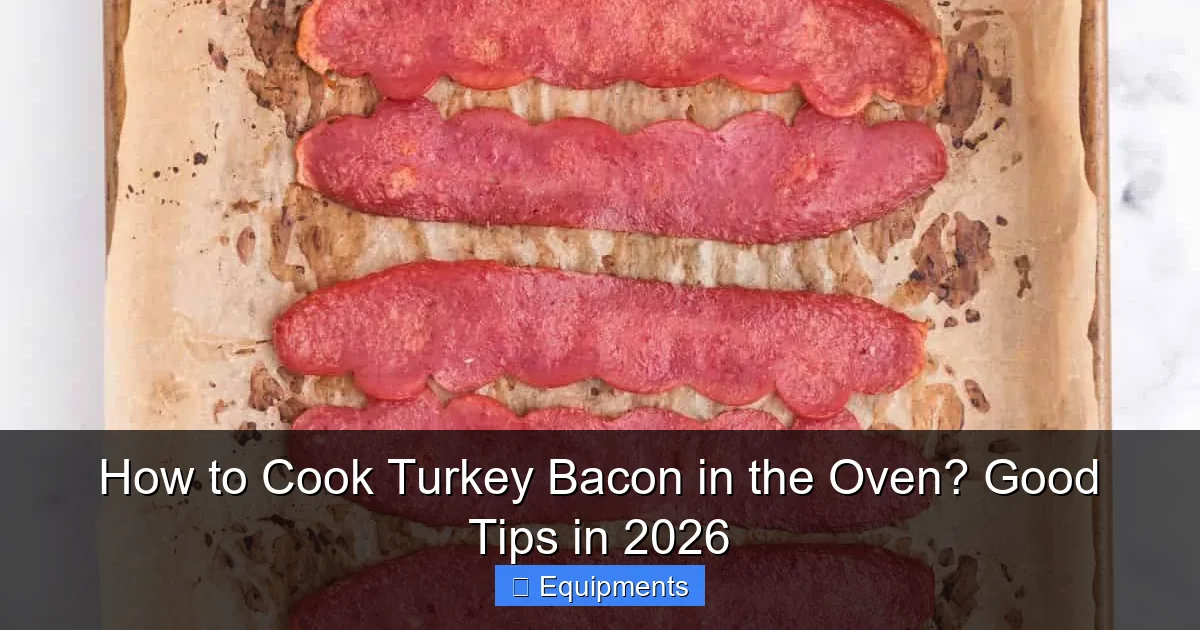
Visual guide about How to Cook Turkey Bacon in the Oven? Good Tips in 2026
Image source: everydayfamilycooking.com
The Non-Negotiable: A Wire Cooling Rack
This is the single most important piece of equipment. A standard stainless steel cooling rack (like the kind for cookies) fits perfectly inside a rimmed baking sheet. It elevates the bacon, allowing uninterrupted airflow above and below each strip. This is what creates that coveted all-over crunch. Without it, the side touching the pan will steam in its own grease, staying soft and rubbery. Look for a rack with a tight grid pattern to support thinner slices without them slipping through.
Choosing Your Baking Sheet: Rimmed vs. Flat
A rimmed baking sheet (also called a jelly roll pan) is mandatory. The low sides (usually 1-inch high) contain all the rendered fat, preventing dangerous spills in your oven. Avoid flat cookie sheets with no edges. For 2026, consider heavy-duty aluminum or steel sheets that resist warping at high temperatures. Some premium brands now feature a non-toxic, ceramic-infused coating that is exceptionally non-stick and easier to clean—a great investment if you bake bacon weekly.
Parchment Paper & Silicone Mats: The Cleanup Revolution
Line your rimmed baking sheet with parchment paper or a silicone baking mat (like a Silpat®). This creates a completely non-stick surface for the fat to pool on and makes cleanup trivial—just crumple and toss the parchment, or wipe the mat. In 2026, many are opting for reusable silicone mats as a zero-waste alternative. Ensure your parchment is rated for high heat (typically 425°F/220°C) and doesn’t contain any chemical treatments that could smoke.
Optional: The Convection Advantage
If your oven has a convection (fan-forced) setting, use it! The fan circulates hot air more efficiently, often reducing cook time by a few minutes and promoting even browning. If using convection, you might reduce the temperature by 25°F (about 15°C) to prevent the edges from cooking too fast. For most standard ovens, the conventional bake setting works perfectly.
The Step-by-Step: Temperature, Timing, and Technique
Now, let’s get to the heart of the process. Mastering the core variables—temperature and time—is what separates guesswork from guaranteed success.
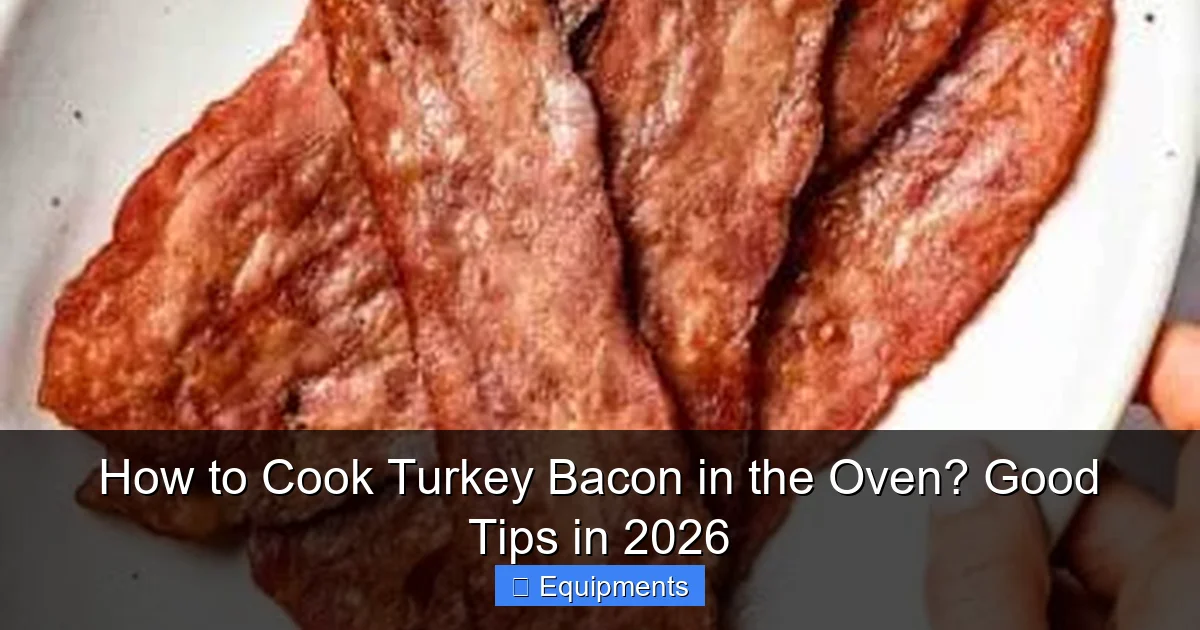
Visual guide about How to Cook Turkey Bacon in the Oven? Good Tips in 2026
Image source: foolproofliving.com
Step 1: Prep Your Pan and Preheat
Always preheat your oven. This is non-negotiable. A cold oven will cause the turkey bacon to slowly render and steam, leading to toughness. Set your oven to 400°F (200°C). This temperature is hot enough to crisp quickly but not so hot that it burns before the fat renders. While it heats, line your rimmed baking sheet with parchment or a silicone mat, then place your wire rack on top.
Step 2: Arrange the Bacon
Take your turkey bacon from the fridge. It’s best if it’s cold but not frozen. Arrange the strips in a single layer on the wire rack, leaving a tiny gap (about 1/4-inch) between each strip. This gap is crucial for air circulation. Overcrowding will steam the bacon, making it soggy. If you’re cooking a whole package, you will likely need two separate batches.
Step 3: Into the Oven and The Halfway Flip
Place the assembled pan in the center of your preheated oven. Set your timer for 10 minutes. After 10 minutes, check the bacon. It will likely still be pale and soft. This is the moment to flip each strip carefully using tongs. Flipping is essential for even crispness, especially since the bottom side has been sitting in fat. Return the pan to the oven.
Step 4: The Final Stretch and Doneness Check
After flipping, set the timer for 5-minute increments. Total cook time typically falls between 14 and 20 minutes. Several factors influence this:
- Brand & Thickness: “Thick-cut” varieties can take 18-22 minutes. “Regular” or “low-fat” versions may be done in 12-16.
- Oven Calibration: All ovens run differently. Use your first batch as a test to learn your oven’s sweet spot.
- Desired Crispness: Do you like it lightly golden or deeply crisp? The difference is a few more minutes.
You’ll know it’s done when the bacon is a rich, golden-brown color, the edges are curled, and it feels firm to the touch. It will crisp up even more as it cools on the paper towels.
Pro Tips for Perfection: What the Experts Know
Beyond the basic method, these nuanced tips will solve common problems and elevate your final product.
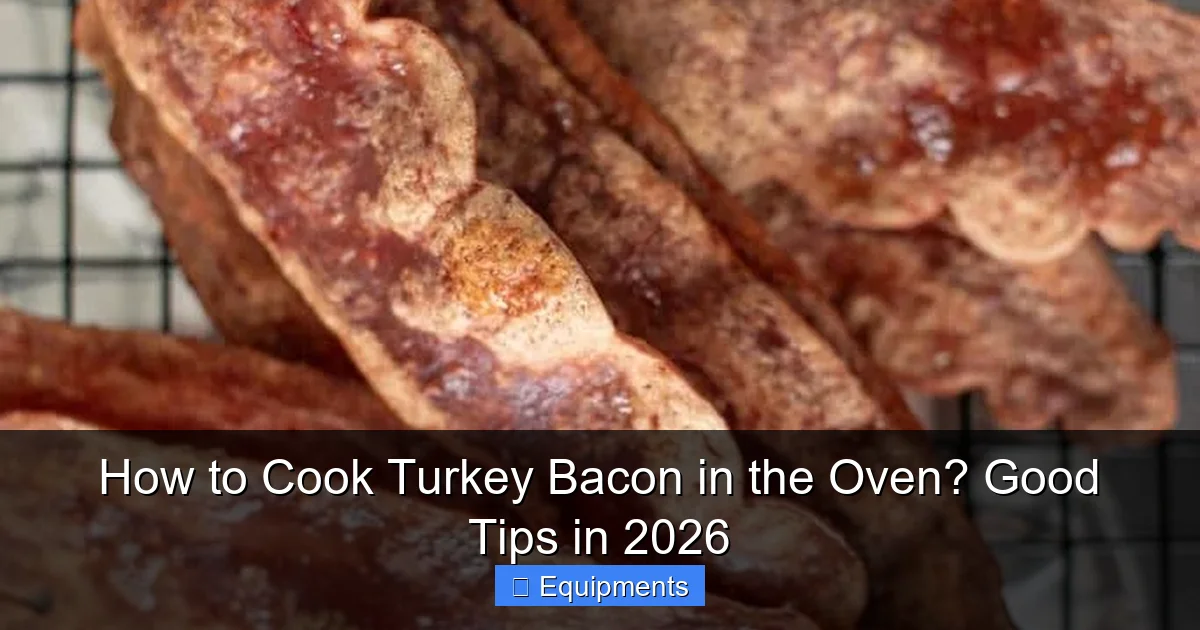
Visual guide about How to Cook Turkey Bacon in the Oven? Good Tips in 2026
Image source: yellowglassdish.com
Problem: Bacon is Cooking Unevenly or Not Crisp Enough
Solution: Ensure your rack is truly level in the pan. An unlevel rack causes fat to pool on one side. Also, verify your oven temperature with an oven thermometer—many home ovens run 25°F off the set point. If your bacon is stubbornly soft, increase the temperature to 425°F (220°C) for the final 3-4 minutes, watching closely to prevent burning.
Problem: Bacon is Smoking or Burning
Solution: This usually means the oven is too hot or the bacon is too close to the heating element. Use the middle rack. If using a lower rack, place an empty rimmed sheet pan on the rack below to catch any potential drips that might smoke if they hit the heating element. Also, turkey bacon with added sugars or maple flavoring will caramelize and smoke more easily; reduce the temp to 375°F (190°C) for these varieties.
Secret Weapon: The Broiler Finish
For bacon with extra shattery crispness, after the initial bake and flip, turn your oven’s broiler on high for the final 1-2 minutes. Watch it like a hawk! This intense top heat rapidly dehydrates and crisps the surface. This trick is especially useful for thicker cuts.
Seasoning and Flavor Boosters
Before baking, you can lightly sprinkle strips with freshly cracked black pepper, a tiny pinch of smoked paprika, or even a light dusting of brown sugar for a sweet-savory balance (be aware sugar will caramelize and darken faster). For a spicy kick, a light spray of hot sauce before baking works wonders. The fat renders and carries the flavor through the meat.
Storage and Reheating Done Right
Cooked turkey bacon stores brilliantly. Let it cool completely on the paper towels, then layer it between sheets of parchment paper in an airtight container. Refrigerate for up to 5 days. To reheat, a 2-minute stint in a toaster oven or air fryer restores crispness far better than a microwave. You can also re-crisp it in a dry skillet over medium heat for 60 seconds per side.
Beyond Breakfast: Creative Uses for Oven-Baked Turkey Bacon
Once you have a batch of perfectly crisp turkey bacon, its applications extend far beyond the plate next to eggs.
- Salad Topping: Crumble it over kale, spinach, or Cobb salads for a salty, protein-packed crunch that holds up better than croutons.
- Soup and Chili Garnish: A few crispy bits on top of potato soup, black bean soup, or chili add incredible texture and smoky depth.
- Sandwich and Wrap Upgrade: Layer it into BLTs, club sandwiches, or breakfast burritos. Its crispness provides a much better textural contrast than floppy, pan-fried bacon.
- Recipe Ingredient: Finely chop and use it in place of pancetta or regular bacon in recipes like pasta carbonara, Brussels sprouts, or baked beans. Because it’s leaner, you might need to add a teaspoon of olive oil to the pan when sautéing with it.
- Snacking: Yes, really! A few strips make a high-protein, low-carb snack. Portion them into small bags for an on-the-go option.
Troubleshooting & FAQ: Your Burning Questions Answered
Even with a great guide, questions pop up. Here are answers to the most common concerns about oven-cooked turkey bacon.
Why is my turkey bacon not getting crispy in the oven?
This is almost always due to overcrowding on the rack or an oven temperature that is too low. Ensure strips are spaced apart and your oven is fully preheated to at least 400°F (200°C). Using a wire rack is also critical—without elevation, the bottom steams.
Can I cook turkey bacon on a flat pan without a rack?
You can, but results will be inferior. The side touching the pan will steam and remain soft, while only the top gets crisp. It will also sit in its own grease, making it greasier. For truly crispy, evenly cooked bacon, a rack is strongly recommended.
Do I need to add oil to the pan?
No. Turkey bacon contains enough inherent fat (even the “low-fat” versions) to render and cook in its own grease. Adding oil would make it greasier and could cause more smoke. The parchment or mat prevents sticking anyway.
What’s the difference between cooking regular bacon and turkey bacon in the oven?
The process is identical, but turkey bacon cooks faster and produces less grease. It also has a lower fat content, so it can dry out or burn more easily if overcooked. Start checking it a few minutes earlier than you would regular pork bacon. It also won’t shrink as dramatically.
How do I know when turkey bacon is fully cooked?
Look for a uniform deep golden-brown color. The texture should be firm and crisp, bending easily but not flexing. If you touch it, it should feel dry, not wet or rubbery. When in doubt, cook it a minute longer—it’s better to be slightly over-crisp than under-cooked and chewy.
Can I cook frozen turkey bacon in the oven?
It’s not ideal, as thawing it first ensures even cooking. However, you can cook from frozen by adding 3-5 minutes to the total cook time. The results may be slightly less even, with some parts cooking faster than others. For best quality, thaw in the refrigerator overnight first.
Conclusion: Your Path to Perfect, Stress-Free Crispiness
Mastering how to cook turkey bacon in the oven is a small kitchen skill with a massive payoff. It’s the definition of a high-reward, low-effort technique that aligns perfectly with modern cooking priorities: health-conscious (less grease), time-efficient (hands-off), and cleanup-friendly. By arming yourself with the right equipment—a rimmed sheet pan, a wire rack, and parchment—and understanding the core principles of temperature and timing, you eliminate the guesswork and inconsistency of stovetop methods.
Remember, your first batch is a diagnostic test. Note the time it took to reach your perfect crispness in your specific oven, with your preferred brand. That time becomes your personal benchmark. Embrace the pro tips: the strategic flip, the paper towel drain, and the creative reuse of those precious drippings. In 2026 and beyond, this method isn’t just a trick; it’s the standard for anyone who loves turkey bacon but hates the hassle. So preheat that oven, lay out those strips, and get ready for the crispiest, most delicious turkey bacon you’ve ever made—all with a fraction of the effort.
Frequently Asked Questions
What is the best oven temperature for cooking turkey bacon?
The best temperature is 400°F (200°C). This heat is high enough to render the fat and crisp the bacon quickly without burning it. If your bacon is thick-cut or sweetened, start at 375°F (190°C) to avoid excessive browning.
How long does it take to cook turkey bacon in the oven?
Total cook time typically ranges from 14 to 20 minutes at 400°F (200°C). Always flip the strips halfway through. Start checking for doneness at the 12-minute mark for thin cuts and 16 minutes for thick cuts.
Do I have to flip turkey bacon when baking it?
Yes, flipping is highly recommended. Flipping halfway through ensures both sides get exposed to direct heat and air circulation, resulting in uniformly crispy bacon. Without flipping, the bottom side will steam in the pooled fat and remain soft.
Why is my oven-baked turkey bacon not crispy?
The most common reasons are: 1) Overcrowding the rack (strip must have space for air flow), 2) Oven not fully preheated, 3) Not using a wire rack (elevation is key), or 4) Cooking temperature too low. Ensure all four factors are addressed for maximum crispness.
Can I save and use the grease from cooked turkey bacon?
Absolutely! The rendered fat is a flavorful cooking fat. Carefully pour it from the baking sheet into a heatproof jar after it cools slightly. Strain out any solids. Store in the fridge for up to a month and use it to fry eggs, roast vegetables, or sauté greens.
Is baked turkey bacon healthier than pan-fried?
Yes, baking is generally considered healthier. The fat drips away onto the pan, so the finished strips contain less fat and calories than if pan-fried where they sit in and reabsorb some of the rendered grease. It also eliminates the need for added cooking oil.