A hand blender, also known as an immersion blender, is a handheld kitchen appliance with a motorized base and a long shaft ending in a blade. Unlike countertop blenders, you immerse it directly into pots, bowls, or beakers to blend, puree, or whip ingredients without transferring them. It’s a compact, versatile tool perfect for making soups, sauces, smoothies, baby food, and more, offering easy cleanup and efficient use of kitchen space.
Key Takeaways
- Definition: A hand blender is a handheld, motorized appliance with a blade at the end of a shaft, designed to be immersed directly in containers for blending.
- How It Works: The motor in the handle spins the blade at high speed, allowing you to blend, puree, or emulsify ingredients right in the pot, bowl, or beaker.
- Key Benefit: It eliminates the need to transfer hot liquids or large batches to a countertop blender, reducing mess, cleanup, and risk of spills.
- Versatile Uses: Ideal for making smooth soups, creamy sauces, quick smoothies, fluffy whipped cream, baby food, and even chopping nuts or herbs with attachments.
- Attachment Ecosystem: Many models come with or offer optional attachments like a whisk, chopper cup, or beaker to expand functionality beyond basic blending.
- Power & Features: Consider wattage (200-300+ watts for most tasks), variable speed controls, and shaft material (stainless steel is durable) when choosing a model.
- Easy Care: The blending shaft is often dishwasher-safe, and the compact design makes storage simple, but the motor base should never be submerged.
📑 Table of Contents
- What Is a Hand Blender? The Immersion Revolution
- How Does a Hand Blender Work? The Science of Immersion
- The Unbeatable Benefits: Why Your Kitchen Needs One
- Beyond Soups: Surprising & Practical Uses
- Attachments & Accessories: Expanding Your Tool’s Reach
- Buying Guide: How to Choose the Right Hand Blender
- Care, Maintenance & Safety: Getting the Most from Your Tool
- Conclusion: The Immersion Blender’s Place in Your Kitchen
What Is a Hand Blender? The Immersion Revolution
Imagine you’ve just simmered a huge pot of velvety tomato soup. The aroma is incredible, but now you need to puree it. With a traditional countertop blender, you’d have to carefully ladle scalding hot soup into the blender’s carafe, blend it in batches (riskily filling it no more than halfway), pour it back into the pot, and then wash that bulky carafe and lid. It’s a messy, time-consuming, and potentially dangerous dance with hot liquid.
Enter the hand blender, often called an immersion blender or stick blender. This brilliantly simple tool changes the game entirely. You simply plunge its long, slender shaft directly into the pot of soup, press a button, and glide it through the liquid. The soup becomes smooth in seconds, all while staying in its original, heat-proof cooking vessel. No transferring, no extra dirty dishes, no risk of a blender lid blowing off from steam pressure. It’s a paradigm shift in kitchen efficiency, especially for tasks involving hot liquids or large volumes that are awkward to move.
At its heart, a hand blender is a marvel of focused engineering. It consists of two main parts: a motorized housing (the “handle”) that contains the motor and speed controls, and a long, narrow shaft (the “stick”) that houses the blade assembly at its business end. This design allows you to reach into deep pots, wide bowls, or even tall glasses. It’s the ultimate “blend where you are” tool, bringing the power of a blender directly to your ingredients. While its primary job is blending, the right attachments can transform it into a multi-purpose kitchen workhorse. Let’s dive deeper into how this tool works, why it might be the most useful appliance you don’t already own, and how to choose the perfect one for your culinary adventures.
How Does a Hand Blender Work? The Science of Immersion
Understanding the mechanics helps appreciate why a hand blender is so uniquely suited for certain jobs. The operation is straightforward, but the design is key to its function and safety.
Visual guide about What Is a Hand Blender?
Image source: theculinarium.co.za
The Immersion Principle
Unlike a countertop blender, which relies on a fixed, powerful motor spinning blades in a confined jug to create a vortex that pulls ingredients down, a hand blender works by immersion. You actively submerge the blade end into the ingredients and move it around. The high-speed rotation of the blade (typically between 10,000 and 20,000 RPM) creates a localized area of turbulence and shearing force right at the blade edge. This force pulls in surrounding liquid and solid pieces, chopping and pureeing them against the sides of the container. Because you’re moving the blender, you control the texture—glide it quickly for a coarse chop or hold it stationary for a smoother puree. This direct control is a significant advantage over the set-it-and-forget-it nature of a jar blender.
Core Components & Their Roles
A typical hand blender has several critical parts:
- Motor Housing: This is the top section, usually ergonomically designed with a comfortable grip. It houses the electric motor and the speed control switch or dial. This section must never be immersed in liquid or placed in the dishwasher.
- Shaft: The long, straight (or sometimes slightly angled) rod connects the motor to the blade. It’s typically made of stainless steel for durability and corrosion resistance, though some budget models use plastic. The shaft length (usually 8-14 inches) determines your reach.
- Blade Assembly: At the bottom of the shaft is a rotating blade unit. Common designs include a simple two-blade propeller or a more complex multi-blade assembly. Some have a protective bell-shaped housing around the blades to prevent splashing and protect your cookware from scratches.
- Power Source: Most are corded for unlimited power, but cordless models with rechargeable batteries offer supreme freedom of movement, ideal for large pots or outdoor use.
The magic happens where the shaft meets the blade. As the motor spins, it transfers that torque down the shaft to the blades. The blades, spinning at high speed within the liquid, create a suction effect that draws material down and then shreds it through centrifugal force and direct cutting action. This is why starting with the blade fully submerged before turning it on is crucial—it prevents air from being sucked in, which causes messy splattering.
The Unbeatable Benefits: Why Your Kitchen Needs One
If you’re on the fence about adding another gadget to your counter, the benefits of a hand blender often make it a no-brainer. Its unique design solves problems that other appliances struggle with.
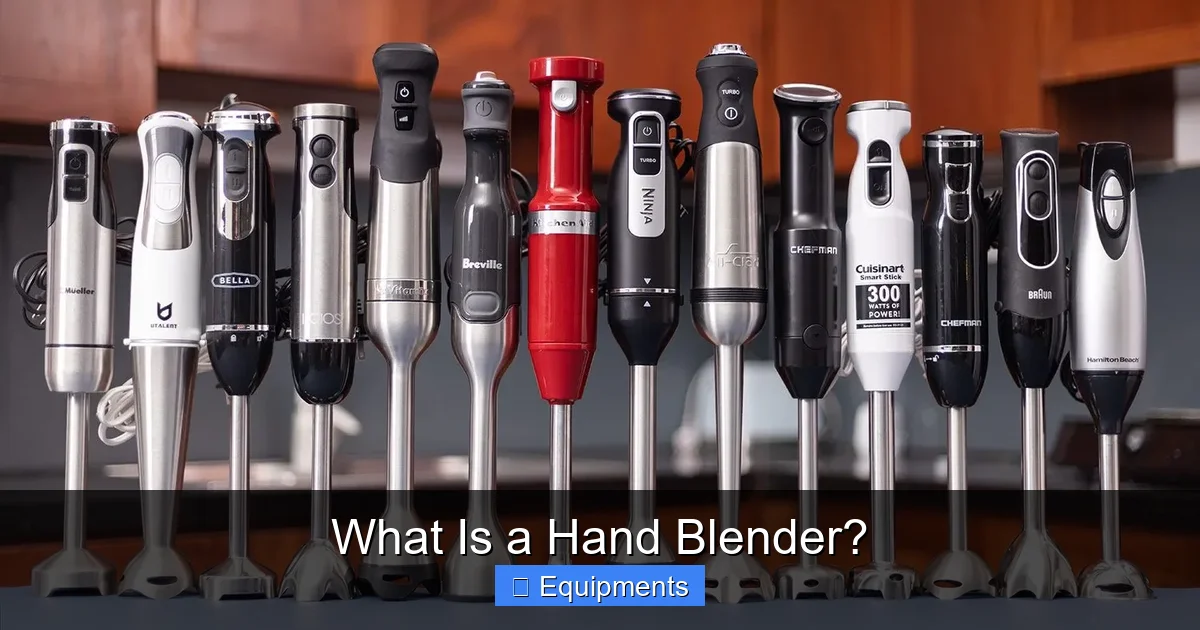
Visual guide about What Is a Hand Blender?
Image source: cdn.healthykitchen101.com
Space-Saving & Storage Champion
Let’s address the elephant in the room: kitchen clutter. A full-sized countertop blender, food processor, and stand mixer each take up significant permanent counter real estate. A hand blender, however, is incredibly compact. The entire unit is often no longer than a large whisk. It can be tucked into a deep drawer, hung from a pot rack, or stored in a small cabinet. For those with modest kitchens, this space-saving attribute is arguably its biggest selling point. You get the blending power without the footprint.
Effortless Cleanup & Minimal Mess
Cleanup is where hand blenders truly shine. With a countertop blender, you have to disassemble the carafe, lid, and blade assembly, scrub out the gasket in the lid (a notorious germ trap), and often deal with sticky residue in the blade well. A hand blender’s cleanup is usually a two-step process: wipe the motor housing with a damp cloth (never submerge!), and either rinse the shaft under running water or place it in the dishwasher (check manufacturer guidelines). There are no nooks, crannies, or seals to scrub. For a tool you might use daily, this simplicity is huge.
Safety with Hot Liquids & Large Volumes
This is the non-negotiable advantage. Blending hot soup in a sealed countertop blender is a known hazard. Steam builds pressure, and the lid can erupt violently, spraying scalding liquid everywhere. A hand blender has no lid; you blend in an open pot. The risk of pressure buildup is zero. Furthermore, you can puree an entire stockpot (6-8 quarts) without stopping to transfer batches. You simply move the blender around the pot, ensuring even consistency. This makes it indispensable for home cooks who make large batches of soup, chili, or stew.
Unmatched Versatility & Control
While a countertop blender is best for crushing ice or making frozen smoothies, a hand blender excels at tasks requiring finesse. You can see the texture as you work and stop on a dime. Want a chunky salsa? Pulse and move quickly. Need a perfectly smooth custard or mayonnaise? Hold it steady in one spot. You can use it in a narrow saucepan to make mashed potatoes right in the pan, or in a wide skillet to emulsify a vinaigrette. This level of direct control is something a jar blender simply cannot offer.
Beyond Soups: Surprising & Practical Uses
While pureeing soup is the classic use, a hand blender’s capabilities extend far beyond. Once you have one, you’ll find yourself reaching for it for all sorts of tasks.
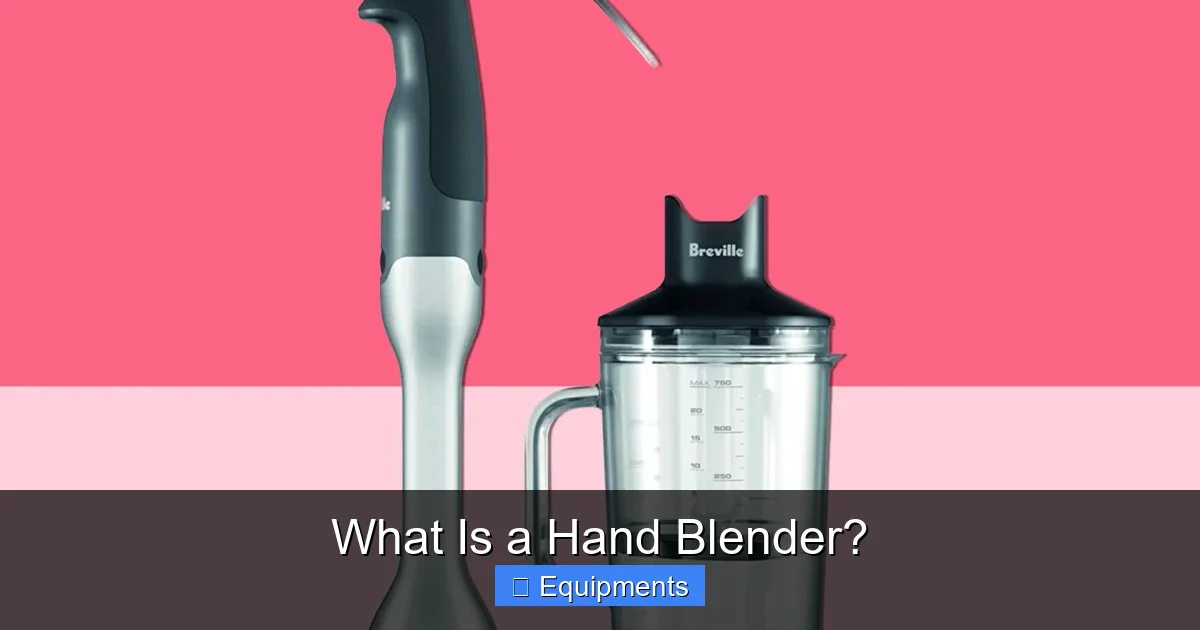
Visual guide about What Is a Hand Blender?
Image source: realsimple.com
Everyday Culinary Tasks
- Smoothies & Shakes: It works perfectly for single-serving smoothies right in your tall glass or a beaker. No need to dirty a big blender jar.
- Sauces & Dressings: Whisk up a quick pan sauce, emulsify a Caesar dressing, or blend a batch of pesto or hummus. The ability to do this in the same pan you cooked in is a huge time-saver.
- Whipping & Aerating: Many models come with a dedicated whisk attachment. Use it to whip cream, beat eggs, or make fluffy mashed potatoes without the arm workout of a manual whisk.
- Baby Food: Make fresh, wholesome purees for your little one by blending steamed vegetables or fruits directly in a small bowl or the cooking pot.
- Batters & Doughs: Some powerful models can handle mixing pancake batter, quick bread dough, or even small batches of cookie dough, though they are not a substitute for a stand mixer with heavy dough hooks.
Pro-Tip Applications
Think of your hand blender as a precision tool. Use it to:
- Blend a clump of flour or cornstarch into a gravy or soup to avoid lumps.
- Incorporate a soft-boiled egg into a Carbonara sauce without curdling.
- Quickly chop a handful of nuts or herbs by pulsing them in a tall, narrow container (a beaker or measuring cup works best).
- Re-emulsify a broken mayonnaise or hollandaise sauce by blending it in a bowl with a little warm water.
- Make instant flavored butters by blending herbs and garlic into softened butter in a bowl.
The key is to use the right container—tall, narrow, and deep is better than wide and shallow to contain splashes and maximize the blender’s vortex effect.
Attachments & Accessories: Expanding Your Tool’s Reach
Many hand blenders are sold as part of a “kit” with various attachments, and these extras dramatically increase the appliance’s utility. When shopping, consider what you’ll actually use.
The Essential Whisk Attachment
This is the most common and useful add-on. It replaces the standard blending blade with a wire whisk. The motor spins the whisk, providing much more power and speed than you could achieve by hand. It’s perfect for:
- Whipping cream to stiff peaks in under a minute.
- Beating egg whites for meringues or soufflés.
- Lightening pancake or waffle batter.
- Making fluffy scrambled eggs.
Look for a whisk with sturdy, closely-spaced wires for best results. Some models have a small plastic guard at the bottom to keep the whisk from scratching bowls.
The Chopper/Processor Cup
This is a small, usually plastic or stainless steel cup (often 1-2 cup capacity) with its own dedicated blade. You lock the hand blender motor onto this cup, and it becomes a miniature food processor. It’s ideal for:
- Chopping onions, garlic, or herbs without making your whole kitchen smell.
- Grinding nuts, seeds, or breadcrumbs.
- Making small batches of pesto, salsa, or guacamole.
- Preparing ingredients for recipes that call for “finely chopped.”
The cup typically has a lid with a feed tube, allowing you to add ingredients while processing. This is a fantastic space-saver if you don’t own a full-sized food processor.
The Measuring Beaker
A clear, graduated plastic or glass beaker (often 1-2 cups) is a common accessory. It serves as a dedicated blending container, perfect for making single-serve smoothies, salad dressings, or mayonnaise. Its narrow shape optimizes blending performance and makes for easy pouring. Some beakers even have a lid for storage.
Other Potential Add-Ons
Less common but available from some brands are:
- Mason Jar Adapter: Allows you to mount the blender onto a standard wide-mouth mason jar, creating an instant personal blender.
- Potato Masher Attachment: A flat, perforated disc for quickly mashing potatoes right in the pot.
- Cleaning Brush: A specialized brush for cleaning the blade shaft and crevices.
When evaluating a kit, assess whether the attachments feel sturdy and well-made. Flimsy plastic chopper cups or wobbly whisks can be more frustrating than helpful.
Buying Guide: How to Choose the Right Hand Blender
Not all hand blenders are created equal. Here’s what to look for to ensure you get a model that fits your needs and budget.
Power & Performance (Wattage)
Wattage is the primary indicator of power. For most home tasks—pureeing soups, making smoothies, whipping cream—a motor between 200 and 300 watts is sufficient. More power (300-600+ watts) is beneficial if you plan to:
- Crush ice or frozen fruit regularly (though a dedicated countertop blender is still better for this).
- Make thick nut butters or grind hard spices.
- Work with very dense doughs or large batches.
- Use the chopper attachment frequently for tough ingredients like carrots or nuts.
Higher wattage often means a heavier motor, so balance power with comfort.
Speed Controls
Most models offer at least two speeds: low and high. Premium models feature variable speed dials or triggers, allowing for precise control. Variable speed is invaluable for tasks like emulsifying sauces (start low, increase gradually) or achieving different textures in the same pot. A pulse or turbo boost function is also useful for quick bursts of power.
Shaft Design & Material
Consider the shaft length. An 8-10 inch shaft is fine for most pots and bowls. If you frequently blend in deep stockpots or large Dutch ovens, look for a 12-14 inch shaft. Stainless steel is the gold standard—it’s strong, rust-proof, and hygienic. Some shafts have a protective bell or cage around the blade. This helps contain splatter and prevents the blades from scratching non-stick cookware, which is a major plus.
Corded vs. Cordless
Corded: Unlimited runtime, consistent power, typically more powerful and cheaper. The downside is the cord can get in the way, and you need to be near an outlet.
Cordless: Offers ultimate freedom of movement, no cord to manage, and can be used anywhere. Battery life varies (15-30 minutes of use is common), and they are generally less powerful than corded models. They are perfect for quick tasks, small apartments, or outdoor use (like blending a drink on the patio). Recharge time can be several hours.
Ergonomics & Build Quality
Hold the blender if possible. Is the grip comfortable? Is the on/off switch or trigger easy to reach without straining your fingers? A well-balanced design (motor not too top-heavy) reduces fatigue during extended use. The buttons should be intuitive. Check if the shaft and attachments click securely into place—a wobbly connection is unsafe and inefficient.
Ease of Cleaning
This is critical. The best hand blenders have a shaft that is fully dishwasher-safe (top rack is usually fine). This is a massive convenience. If it’s hand-wash only, ensure the design has no complex crevices where food can get trapped. Some models have a removable blade assembly for easier cleaning. Always confirm the motor housing is not dishwasher-safe and must be wiped with a damp cloth.
Care, Maintenance & Safety: Getting the Most from Your Tool
Proper care ensures your hand blender lasts for years and performs safely.
Cleaning: The Right Way
The cardinal rule: NEVER immerse the motor housing in water or put it in the dishwasher. It contains the electrical components and will be destroyed. To clean after use:
- Unplug the blender.
- Wipe the motor housing and handle immediately with a damp cloth. If food splatters on it, do it before the residue dries.
- Rinse the shaft and blade under warm running water. Use a soft brush (often included) to clean the blade area if needed.
- If dishwasher-safe, place the shaft and any attachments on the top rack. Avoid the intense heat and jets of the bottom rack.
- For stubborn residue, fill a tall glass or beaker with warm soapy water, immerse the shaft, and run the blender for 10-15 seconds. Then rinse thoroughly.
- Dry all parts completely before reassembling and storing.
Storage Tips
Store the hand blender with the shaft detached from the motor if your model allows. This saves space and protects the blade. If stored together, use a blade guard or sheath (sometimes included) to cover the sharp blades and prevent nicks. Keep it in a dry drawer, not in a damp area like under the sink.
Essential Safety Precautions
- Always start and stop with the blade fully submerged. Starting it above the liquid surface will cause violent splattering.
- Use appropriate containers. Avoid glass containers unless specifically designed for it (the blade could chip or shatter the glass if it contacts the sides). Use stainless steel pots, plastic bowls, or the included beaker.
- Watch the cord. If using a corded model, keep the cord away from the pot and the blade to prevent melting or accidents.
- Don’t overfill. Leave at least an inch of headspace in the container to allow for movement and prevent overflow.
- Let hot liquids cool slightly. While safer than a countertop blender, extremely hot liquids (just off the boil) can still create steam that might cause minor splatter. A minute or two off the heat is wise.
- Unplug when not in use. Especially if storing or changing attachments.
Troubleshooting Common Issues
Problem: Blender is struggling or making a weird noise.
Solution: The container may be too full, or the mixture too thick. Add more liquid (broth, water, milk). Stop, unplug, and check if the blade is jammed with food.
Problem: Food is sticking to the sides, not blending evenly.
Solution: You’re not moving the blender enough. Use a systematic pattern (circles, up-and-down) to pull all ingredients into the blade’s path.
Problem: The shaft is hard to detach from the motor.
Solution: Food residue may be dried in the connection. Clean the connection point thoroughly with a damp cloth. Never force it.
Conclusion: The Immersion Blender’s Place in Your Kitchen
The hand blender is not a replacement for every single blending task. A heavy-duty, pitcher-style countertop blender still reigns supreme for crushing ice for frozen drinks, making huge batches of frozen smoothies, or processing very hard ingredients. A stand mixer is irreplaceable for serious baking and dough kneading. But for the specific, frequent tasks of working with hot liquids, pureeing in the pot, making small-batch sauces, and achieving texture control, the hand blender is in a class of its own.
It represents a philosophy of efficiency and practicality. It respects your time by eliminating transfer steps. It respects your safety by keeping you away from lids on hot liquids. It respects your space by packing powerful functionality into a tiny package. For the home cook who makes soups from scratch, enjoys a quick smoothie, or whips up homemade mayonnaise, a hand blender isn’t just another gadget—it’s a fundamental tool that earns its keep every single week. Its simple, elegant design solves a real problem in the kitchen so effectively that once you use one, you’ll wonder how you ever cooked without it. Consider it an investment in smoother cooking, easier cleanup, and more enjoyable time spent creating in your kitchen.
Frequently Asked Questions
What’s the difference between a hand blender and a regular blender?
A hand blender (immersion blender) has a motorized handle and a long shaft with blades that you immerse directly into a pot or bowl. A regular (countertop) blender has a fixed base and a pitcher/jar with blades at the bottom that creates a vortex to blend. Hand blenders blend in-place, offering more control and safer use with hot liquids.
Can a hand blender crush ice?
Most hand blenders are not designed to crush ice effectively and doing so can dull or damage the blades. They lack the power and jar design of a countertop blender for this task. For frozen smoothies, use frozen fruit instead of ice cubes, or opt for a powerful countertop model.
Can I use a hand blender for dough or batter?
Yes, for thin to medium batters like pancake or cake batter, and for mixing small amounts of quick bread dough. However, they are not suitable for heavy yeast doughs (like bread or pizza), which require the powerful, prolonged mixing of a stand mixer with a dough hook.
How do I clean a hand blender properly?
First, unplug it. Wipe the motor housing with a damp cloth (never immerse). Rinse the shaft and blade under running water. Most shafts are dishwasher-safe (top rack). For stuck-on food, fill a tall glass with soapy water, immerse the shaft, and run the blender briefly. Always dry thoroughly before storing.
How much power (wattage) do I need?
For most everyday tasks like pureeing soups, making smoothies, and whipping cream, 200-300 watts is sufficient. Choose 300+ watts if you plan to frequently crush ice, grind nuts, chop hard vegetables, or use the chopper attachment for tough ingredients often.
Is it safe to use a hand blender in hot liquids?
Yes, and this is one of its biggest advantages. Always start with the blade fully submerged to prevent splattering. Unlike sealed countertop blenders, there is no risk of pressure buildup and a lid explosion. However, avoid blending near-boiling liquids to minimize steam splatter, and never immerse the motor housing.