The short answer is: no, blenders do not inherently “destroy” nutrients in the way cooking can denature proteins or degrade heat-sensitive vitamins. The primary concern with blending is oxidation—exposure to air that can break down certain vitamins and antioxidants over time. However, blending also has unique benefits, like making fiber and some phytonutrients more bioavailable. By understanding the process and using smart techniques, you can create incredibly nutrient-dense blended foods.
You stand at your kitchen counter, a beautiful, vibrant mix of spinach, banana, berries, and almond milk ready to transform. You hit the button on your powerful blender, and within seconds, a creamy, dreamy smoothie is born. But then a niggling thought creeps in: Do blenders destroy nutrients? It’s a common worry in the health-conscious world. We’re told to eat our fruits and vegetables fresh and whole to get all their goodness. Does pulverizing them into a liquid undo all that hard work? Let’s dive deep into the science, separate myth from fact, and figure out how to get the absolute most nutrition from your blended creations.
The question taps into a bigger theme: how do our food preparation methods affect what we actually absorb? Cooking, chopping, soaking, and blending all change the physical and chemical structure of food. The goal here isn’t to fear blending, but to understand it. When wielded with knowledge, your blender is not a nutrient-destroying villain; it’s a powerful ally that can actually enhance your diet in ways chewing alone sometimes cannot.
Key Takeaways
- Blending ≠ Cooking: Unlike heat, the mechanical action of blades doesn’t chemically destroy most nutrients. The main risk is oxidation from air exposure after blending.
- Oxidation is the Real Enemy: Vitamins like C and A, and antioxidants in fruits/veggies, degrade when exposed to oxygen. The longer a smoothie sits, the more nutrient loss occurs.
- Fiber is a Blending Superpower: Blending retains all the insoluble and soluble fiber, aiding digestion and stabilizing blood sugar—something juicers remove entirely.
- Heat is Minimal (But Not Zero): High-speed blenders can generate slight heat from friction, which may affect very heat-sensitive nutrients if blending for a long time with dense ingredients.
- Bioavailability Often Increases: Blending breaks down plant cell walls, making nutrients like carotenoids (in carrots, spinach) easier for your body to absorb compared to eating whole.
- Timing and Technique Matter Most: Drinking your smoothie immediately after blending, using cold ingredients, and adding acidic elements (like lemon juice) are the best ways to preserve nutrients.
- Blending is a Net Positive: For most people, the convenience and ability to consume a wide variety of produce (including those they might not eat whole) makes blending a highly effective nutritional tool.
📑 Table of Contents
- The Science of Blending: What Actually Happens to Your Food?
- Oxidation: The Real Nutrient Threat (And How to Fight It)
- Fiber: Blending’s Secret Superpower
- Heat and Blade Speed: Is Your Blender Cooking Your Food?
- Blending vs. Other Methods: Juicing, Chewing, and Cooking
- Practical Tips for Maximizing Nutrient Retention in Your Smoothies
- Conclusion: Blending as a Nutritional Powerhouse
The Science of Blending: What Actually Happens to Your Food?
First, let’s define “destroy.” In nutrition science, nutrient destruction typically refers to processes that chemically alter a compound so your body can no longer recognize or use it. The classic example is heat denaturing proteins or breaking down vitamin C. Blending, at its core, is a purely mechanical process. The high-speed blades create shear force, chopping, crushing, and liquefying everything in their path.
Physical Disruption vs. Chemical Change
The primary action is physical. Blending ruptures plant cell walls. Think of a blueberry. Its skin and inner structure hold in anthocyanins (powerful antioxidants) and fiber. When you chew, you break it down somewhat. When you blend, you essentially perform millions of tiny “chews” per second, reducing the food to a particle size so small that the cellular contents—sugars, vitamins, minerals, phytochemicals, and fiber—are all released and suspended in the liquid matrix. This physical breakdown is crucial because it changes what’s called “bioavailability.”
Bioavailability is the proportion of a nutrient that is absorbed and used by the body. Some nutrients are locked inside tough cellulose walls (like in kale or carrots) and pass through your digestive system partially undigested. By blending, you pre-digest these structures. Studies have shown that blending carrots, for instance, significantly increases the release and absorption of beta-carotene compared to eating them whole. The same is true for many phytonutrients in leafy greens. So, in this critical sense, blending can increase the usable nutrient load of your food.
The Culprit: Oxidation and Enzyme Activity
So if blending isn’t chemically destroying nutrients with heat or chemicals, what’s the problem? The main issue begins the moment the blending stops and your smoothie is exposed to air. Oxygen is a reactive molecule. When it comes into contact with the exposed surfaces of your pulverized food, it triggers two main processes:
- Oxidation: Oxygen molecules react with and degrade sensitive compounds. This is the same process that causes an apple slice to turn brown. Vitamins like C and A (and their precursor, beta-carotene), polyphenols, and other antioxidants are highly susceptible to oxidative damage.
- Enzyme Activation: Blending ruptures not just the cells holding nutrients, but also the cells containing enzymes. Once exposed to air, enzymes like polyphenol oxidase (PPO) and lipoxygenase (LOX) become active. These enzymes catalyze the breakdown of pigments and fats, leading to color changes, off-flavors, and nutrient loss.
The key takeaway here is that the nutrient loss from oxidation is a post-blending event. The longer your smoothie sits in the blender jar or a glass, the more oxidation occurs. This is why the “when” of drinking your smoothie is almost as important as the “what.”
Oxidation: The Real Nutrient Threat (And How to Fight It)
Let’s put oxidation under the microscope. It’s the single biggest factor in post-blending nutrient degradation. But it’s not an all-powerful, instant destroyer. It’s a time-dependent process, and we can fight it with smart strategies.
Visual guide about Do Blenders Destroy Nutrients ?
Image source: nutritiontofit.com
The Timeline of a Smoothie
Imagine you blend a spinach and berry smoothie. At the moment the blades stop:
- 0-5 minutes: Nutrient loss is minimal. You have a window of opportunity. The majority of the food’s original nutrient profile is intact and highly bioavailable thanks to the cell wall disruption.
- 15-30 minutes: Visible changes may occur. Berries might darken slightly. You’re starting to see the effects of PPO enzymes. Some loss of vitamin C and delicate anthocyanins is measurable.
- 1-2 hours: Significant oxidation has taken place. The smoothie may taste “flat” or slightly metallic. A notable percentage of the most oxygen-sensitive nutrients have degraded.
- 4+ hours (even refrigerated): Substantial nutrient loss, especially for vitamins C and A. The enzymatic browning processes have likely altered the color and flavor profile considerably.
This isn’t alarmist; it’s chemistry. But it’s also manageable. The goal is to minimize the time between blending and consumption.
Practical Weapons Against Oxidation
You can be a proactive defender of your smoothie’s nutrients. Here are your best tools:
- Drink Immediately: This is the number one, most effective rule. Consume your smoothie within 15-20 minutes of blending to capture peak nutrient availability and minimal oxidation.
- Use Cold Ingredients: Start with chilled fruits, vegetables, and liquids. Cold temperatures slow down enzymatic activity and the chemical reaction rate of oxidation. If you use frozen berries, that’s even better.
- Add an Acid: Squeezing in fresh lemon or lime juice does more than add flavor. The citric acid lowers the pH (makes it more acidic), which inhibits the activity of PPO and other spoilage enzymes. It also provides a dose of vitamin C, which can act as a sacrificial antioxidant, getting oxidized itself and sparing some of your other nutrients.
- Limit Air Exposure in the Jar: If you must store a smoothie, fill the container to the very top to minimize the amount of air (oxygen) inside. Use a small, airtight jar. Then, refrigerate it immediately.
- Pulse, Don’t Just Run: For less dense mixtures, pulsing the blender can achieve a good consistency with less overall blending time and therefore less friction-induced heat and aeration.
Fiber: Blending’s Secret Superpower
This is a point where blending shines brilliantly compared to other methods like juicing. When you juice, you extract the liquid and discard the pulp, which contains all the insoluble fiber and some soluble fiber. Blending, however, incorporates everything.
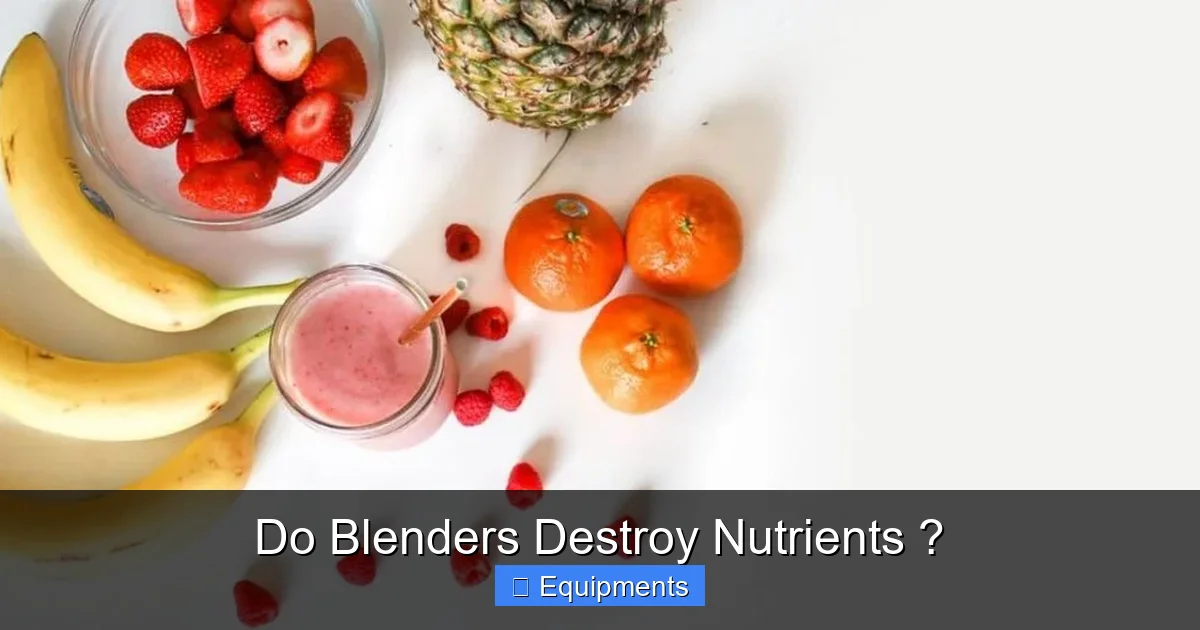
Visual guide about Do Blenders Destroy Nutrients ?
Image source: bestninjablenders.com
The Two Types of Fiber and Why Both Matter
Plants contain two primary types of fiber:
- Insoluble Fiber: This is the roughage. It adds bulk to stool, promotes regular bowel movements, and helps keep your digestive system clean. Think of the strings in celery or the skin of an apple. Blending breaks it down but does not remove it.
- Soluble Fiber: This type dissolves in water to form a gel-like substance. It feeds the beneficial bacteria in your gut (acting as a prebiotic), helps regulate blood sugar levels by slowing glucose absorption, and can help lower LDL (“bad”) cholesterol. Sources include oats, beans, and the flesh of fruits like apples and pears.
By consuming a blended smoothie, you deliver both types of fiber in a pre-masticated, easy-to-digest form. For individuals with digestive sensitivities, chewing difficulties, or those simply struggling to eat enough whole fruits and vegetables, this is a game-changer. You get the satiety benefits of fiber, the blood sugar-stabilizing effects, and the gut-healing prebiotic power—all without the massive blood sugar spike you’d get from juicing the same ingredients (which removes the fiber that slows sugar absorption).
Fiber and Bioavailability: A Synergy
Interestingly, the presence of fiber in a smoothie can also help with the absorption of fat-soluble vitamins (A, D, E, K) and antioxidants like carotenoids (beta-carotene, lycopene). These nutrients need dietary fat to be absorbed efficiently. A smoothie with blended avocado, nuts, seeds, or a splash of coconut oil provides both the fat and the finely broken-down plant matter, creating an optimal delivery system. The fiber slows down digestion just enough to allow for better nutrient uptake.
Heat and Blade Speed: Is Your Blender Cooking Your Food?
This is a valid concern, especially with high-powered, high-speed blenders like Vitamix or Blendtec. Can the friction from those spinning blades generate enough heat to damage nutrients?
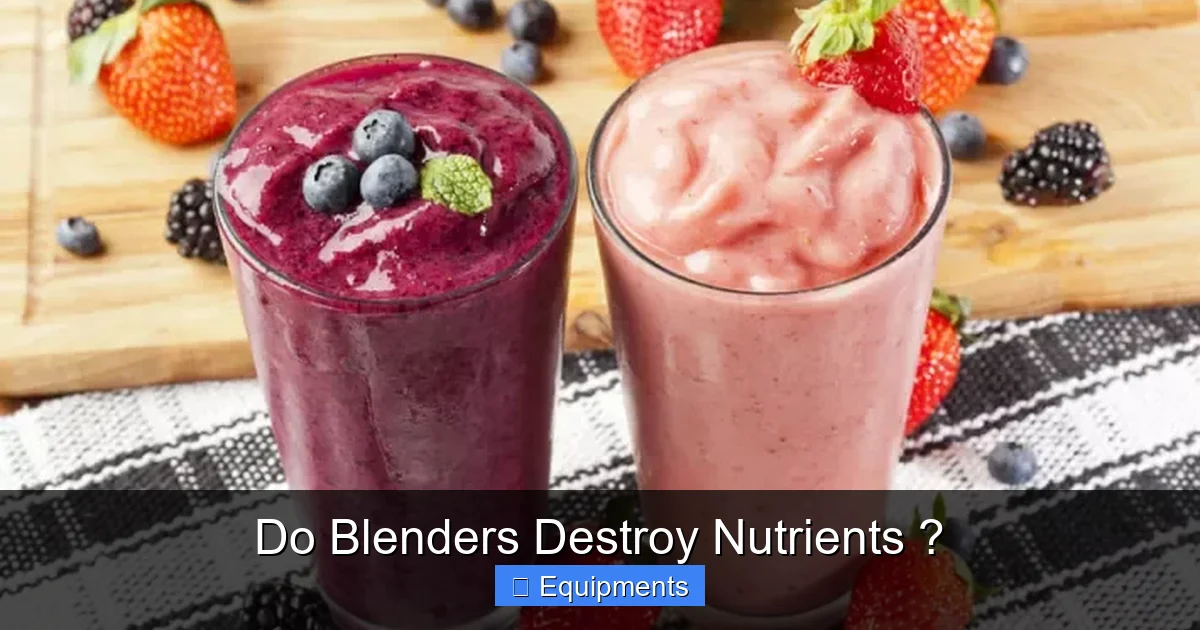
Visual guide about Do Blenders Destroy Nutrients ?
Image source: quickanddirtytips.com
The Friction Factor
Yes, any blender will generate some heat through friction, especially when blending very hard, dense ingredients (like frozen bananas or nuts) for an extended period. The faster the blades and the longer they run, the more heat is produced. Heat is a well-known degrader of nutrients—particularly water-soluble vitamins like C and many B vitamins, and some enzymes.
However, the key word is extended. In a typical 30-60 second smoothie blend cycle, a high-quality blender’s motor is designed to handle the load efficiently. While the bottom of the jar may feel warm to the touch after a long, heavy blend, it’s rarely reaching temperatures high enough to cause significant thermal degradation of most nutrients (which typically starts around 140-160°F / 60-70°C). That said, if you’re blending for a full minute with a very dense, frozen mixture, you could be introducing a small amount of heat-based nutrient loss.
Practical Tips to Minimize Heat Generation
- Use the Pulse Function: For most smoothies, pulsing in short bursts (5-10 seconds on, pause, repeat) is more than sufficient and generates far less heat than running continuously.
- Add Liquid First: Always add your liquid (water, milk, etc.) to the jar first. This creates a vortex that helps the blades pull ingredients down efficiently, reducing the strain on the motor and the friction generated.
- Blend in Stages for Dense Mixes: If making a very thick, nut-based “nice cream” or blending a lot of frozen fruit, consider starting with the liquid and softer ingredients, then adding the frozen/hard items gradually.
- Choose the Right Jar: Some blenders come with “low-profile” or “wet” jars designed for liquids. Using the correct jar for the task can improve efficiency and reduce heat.
- Let Frozen Ingredients Soften Slightly: If possible, let frozen fruit sit for 5-10 minutes before blending. It will be easier to blend, requiring less time and force.
For the vast majority of home smoothie-makers, heat generation is a minor concern compared to oxidation. Focusing on blending time and ingredient temperature is more impactful.
Blending vs. Other Methods: Juicing, Chewing, and Cooking
To truly understand blending’s place, we must compare it to other common ways of consuming produce.
Blending vs. Juicing
This is the most common comparison. A juicer extracts the water and nutrients from the pulp, discarding the fiber.
- Nutrient Concentration: Juice can be more concentrated in certain phytonutrients and minerals from the liquid fraction. You can consume the nutrients from several pounds of produce in one glass.
- Fiber Loss: This is the critical downside. Without fiber, the natural sugars in juice hit your bloodstream quickly, causing a spike and crash in blood sugar and insulin. You also miss out on all the digestive and gut health benefits of fiber.
- Satiety: Juice is less filling than a smoothie with fiber and bulk.
- Oxidation: Juice, with its exposed, denatured pulp, can oxidize very rapidly. It’s arguably more susceptible to immediate nutrient loss than a blended smoothie, which retains the structural matrix of the fiber.
Verdict: Blending wins for balanced nutrition, blood sugar control, and satiety. Juicing can be a targeted tool for specific nutrient boosts (e.g., wheatgrass) but is not a daily replacement for whole fruits/veggies or smoothies.
Blending vs. Whole Food (Chewing)
Eating whole, fresh food is the gold standard for minimal processing. But blending offers unique advantages:
- Increased Bioavailability: As mentioned, blending breaks down cell walls, making some nutrients more accessible than they might be from chewing alone, especially for those with digestive issues.
- Volume and Variety: It’s easier to consume a large quantity and diversity of produce in one smoothie than it is to eat, say, a pound of kale, a carrot, a handful of spinach, and a cup of berries in one sitting.
- Pre-Digestion: For people with sensitive stomachs or compromised digestion, the “pre-chewed” nature of a smoothie can be gentler and reduce bloating.
Verdict: Whole food is ideal, but blending is an excellent complement and practical tool to increase overall produce intake. They are not mutually exclusive; the best diet includes both.
Blending vs. Cooking
Cooking (steaming, roasting, sautéing) uses heat to alter food. This can be both good and bad.
- Heat-Loss: Water-soluble vitamins (C, B vitamins) leach into cooking water and are destroyed by heat. Chlorophyll and some enzymes are also heat-sensitive.
- Heat-Gain: Cooking can increase the bioavailability of other nutrients. Lycopene in tomatoes and beta-carotene in carrots and spinach become much more absorbable after light cooking. Cooking also kills potential pathogens and can make some foods (like legumes) edible and digestible.
Verdict: A mix of raw (blended) and cooked vegetables provides the broadest spectrum of nutrients and benefits. Blending is a raw preparation method that excels with foods where heat-sensitive nutrients are the primary goal (like vitamin C-rich berries).
Practical Tips for Maximizing Nutrient Retention in Your Smoothies
Armed with the science, here is your actionable blueprint for building the most nutritious blended drink possible.
1. Ingredient Selection and Prep
- Prioritize Fresh, High-Quality Produce: Nutrient content starts at the farm. Fresh, ripe, organic (when possible) produce will have the highest baseline nutrient levels.
- Wash, Don’t Soak: Wash fruits and vegetables thoroughly to remove dirt and pesticide residues. Soaking for long periods can cause water-soluble nutrients to leach out.
- Use the Whole Food: Include the skins where edible and appropriate (apples, pears, potatoes, cucumbers) as they are often rich in fiber and antioxidants.
- Incorporate Healthy Fats: Add a source of fat to aid in the absorption of fat-soluble vitamins. Think: avocado, a spoonful of nut butter, chia seeds, flax seeds, or coconut milk.
- Add a Boost of Vitamin C: As an antioxidant and enzyme inhibitor, citrus juice (lemon, lime, orange) is your smoothie’s best friend. A squeeze goes a long way.
2. The Blending Process
- Order Matters: Add liquids first, then softer ingredients, then hard/frozen items on top. This ensures the blades can move freely and create an efficient vortex.
- Blend Just Enough: Blend until smooth. Over-blending generates unnecessary heat and aeration. For most recipes, 30-45 seconds is sufficient.
- Pulse for Control: Use the pulse button for a more controlled blend, especially with thick mixtures.
- Consider Blender Type: While all blenders work, high-speed blenders (Vitamix, Blendtec) are exceptionally good at creating a smooth, homogeneous texture, which may further increase bioavailability. Their efficiency also means shorter blend times. However, a good quality mid-range blender used correctly (pulsing, with liquid) is perfectly adequate.
3. Post-Blending Protocol
- Consume Immediately: This cannot be stressed enough. The nutritional peak is right after blending. Make your smoothie and drink it.
- If You Must Store: Transfer to an airtight container, fill it to the brim to eliminate air, seal tightly, and refrigerate. Consume within 24 hours, understanding there will be some nutrient loss. Give it a good shake or stir before drinking.
- Avoid the “Smoothie Bowl” Wait: If you like to top your smoothie with granola, nuts, etc., blend your base and drink it promptly. Letting a blended smoothie sit to “thicken” for a bowl maximizes oxidation.
- Clean Immediately: Rinse your blender jar right after use. Dried-on smoothie is harder to clean and can harbor bacteria.
Conclusion: Blending as a Nutritional Powerhouse
So, do blenders destroy nutrients? The evidence is clear: no, they do not inherently destroy them through the mechanical process itself. The act of blending is a neutral-to-positive force. It physically liberates nutrients, making them more bioavailable, and retains the crucial fiber that juicers discard. The real challenge is the oxidation that begins the moment blending stops. This is a time-sensitive issue, not a blender flaw.
By understanding that oxidation is the enemy, you can adopt simple, effective habits: drink your smoothies fresh, use cold ingredients, add a dash of lemon, and blend just until smooth. When you do this, your blender becomes one of the most powerful tools in your kitchen for increasing your daily intake of vitamins, minerals, antioxidants, and fiber. It allows you to consume a wider variety and volume of plant foods than you might otherwise eat.
The takeaway is empowerment. Don’t fear your blender. Respect its power and understand its limits. Use it to create delicious, convenient, and extremely nutritious vehicles for your health. The goal is a diet rich in a diverse array of whole plant foods, and blending is a fantastic, science-backed method to help you achieve that. Now, go blend something vibrant and drink it quickly!
Frequently Asked Questions
Does using a high-speed blender like a Vitamix destroy more nutrients than a regular blender?
Not necessarily. While high-speed blenders generate more friction heat, they also blend much faster, often completing the task in under 30 seconds. A slower blender might run longer and potentially generate similar or more heat. The key is blend time, not just speed. Using pulse settings on any blender is the best way to minimize heat.
If I add ice or use frozen fruit, does that prevent nutrient loss?
Yes, using cold or frozen ingredients helps in two ways. It keeps the overall temperature of the mixture low during blending, minimizing any heat generation from friction. More importantly, it slows down the enzymatic activity and oxidation that occurs after blending, giving you a slightly larger window before significant nutrient degradation.
Is it better to drink a smoothie on an empty stomach or with food?
For maximum nutrient absorption, especially of fat-soluble vitamins (A, E, K) and antioxidants like carotenoids, consuming your smoothie with a small amount of healthy fat (avocado, nuts, seeds, coconut oil) is beneficial. The fat aids absorption. Drinking it alone is still nutritious, but pairing it with fat optimizes uptake. Some people also find the fiber in a smoothie is better tolerated with other food.
Do I need to peel my fruits and vegetables before blending?
Generally, no—and you shouldn’t if the skin is edible and you’re using organic or well-washed produce. The skin often contains a high concentration of fiber, antioxidants, and nutrients. Peeling removes these benefits. Exceptions include thick, waxed, or non-organic skins of produce like cucumbers, apples, or potatoes if you are concerned about pesticide residues. For citrus, you typically peel and remove the pith (the white part) as it can be bitter.
Can I prep smoothie ingredients ahead of time to save morning rush?
Absolutely! This is a great strategy. Portion your dry ingredients (like spinach, kale, protein powder, seeds) into freezer bags or containers. Keep your liquid (milk, water) separate. In the morning, dump the pre-portioned bag into the blender, add your liquid and any fresh/frozen fruit, and blend. This saves time without pre-blending and losing nutrients to oxidation.
Does adding protein powder or yogurt affect the nutrient destruction question?
No, adding protein (powder, Greek yogurt, silken tofu) or other mix-ins does not increase the risk of nutrient destruction from blending. These ingredients are generally stable. The same rules apply: blend just until combined and drink promptly. Protein powder can sometimes make the smoothie thicker, so you may need a bit more liquid and a few extra seconds of blending.