Kitchen shears are more than just a cutting tool—they’re a multi‑purpose kitchen hero. From trimming poultry to opening packages, mastering how to use kitchen shears saves time, improves safety, and makes cooking more enjoyable.
Key Takeaways
- Versatile tool: Kitchen shears replace several gadgets, handling meat, herbs, and packaging.
- Safety first: Proper grip and cleaning prevent accidents and prolong blade life.
- Technique matters: Correct cutting motion yields clean cuts and reduces effort.
- Maintenance tips: Regular sharpening, washing, and storage keep shears ready.
- Creative uses: Shears excel at pastry, garnishing, and even cocktail prep.
- Choosing the right pair: Material, blade style, and handle comfort affect performance.
- Practice makes perfect: Simple daily tasks build confidence for advanced kitchen work.
📑 Table of Contents
- Introduction: Why Kitchen Shears Deserve a Spot in Every Drawer
- 1. Choosing the Right Kitchen Shears
- 2. Basic Grip and Cutting Technique
- 3. Everyday Kitchen Tasks Made Easy
- 4. Advanced Uses and Creative Tricks
- 5. Safety Guidelines and Common Mistakes to Avoid
- Conclusion: Turn Kitchen Shears into Your Everyday Hero
Introduction: Why Kitchen Shears Deserve a Spot in Every Drawer
Imagine chopping herbs with a knife, then switching to a pair of scissors to cut a chicken wing. It feels clunky, right? Kitchen shears were invented to solve that exact problem. They are designed to cut through tough meat, delicate herbs, and even cardboard packaging—all without damaging your countertop.
In this guide we will walk through everything you need to know about how to use kitchen shears safely and efficiently. Whether you are a beginner who has never owned a pair, or a seasoned cook looking to sharpen your technique, the tips below will make your shears an indispensable kitchen sidekick.
1. Choosing the Right Kitchen Shears
Blade material and edge type
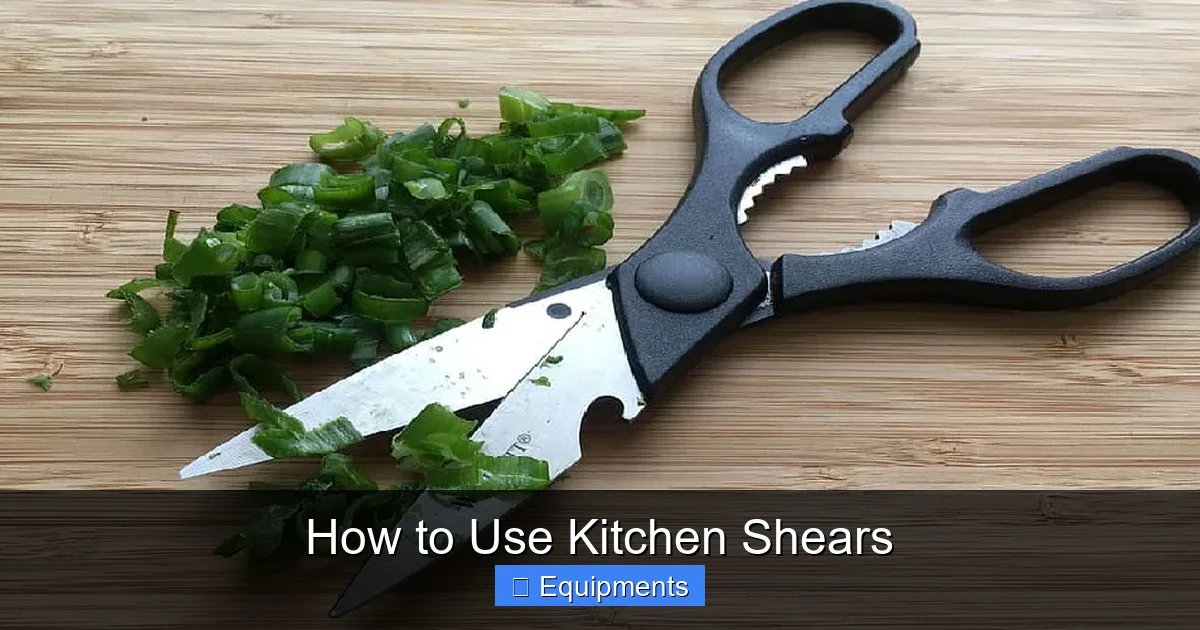
The most common blades are stainless steel, which resists rust and holds a sharp edge. Some premium models use high‑carbon steel for extra sharpness but need more care to avoid rust.
Visual guide about How to Use Kitchen Shears
Image source: thekitchenix.com
Edge style matters too. Straight edges are great for clean cuts on meat and vegetables. Serrated edges work better on bread, tomatoes, or anything with a soft interior and a firm skin.
Handle comfort and safety features
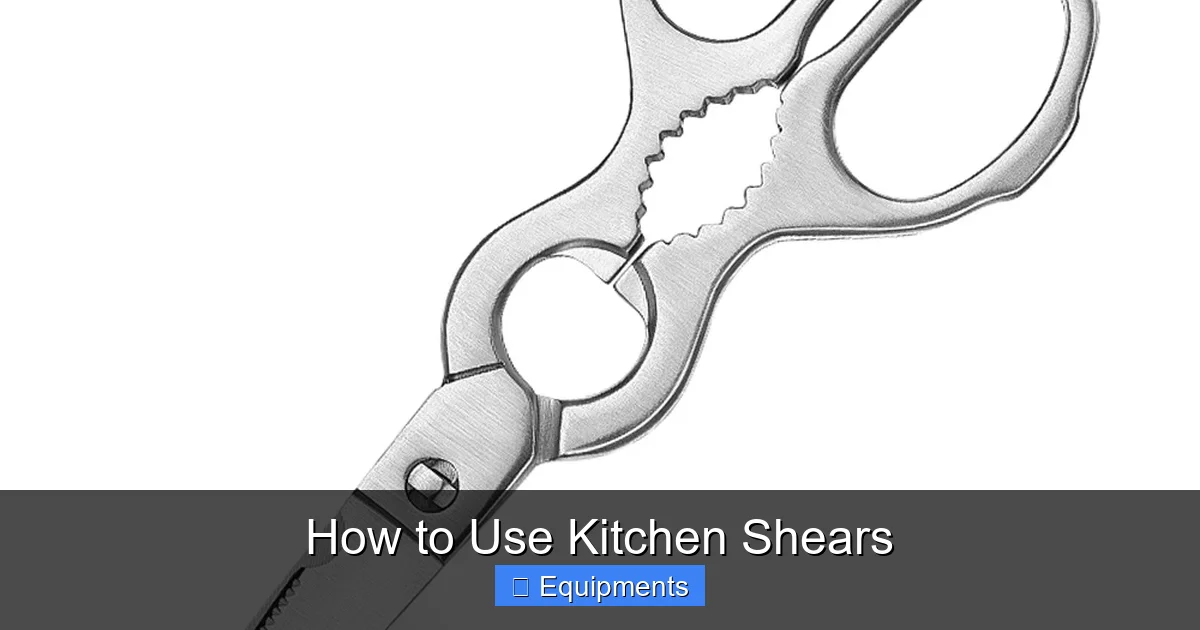
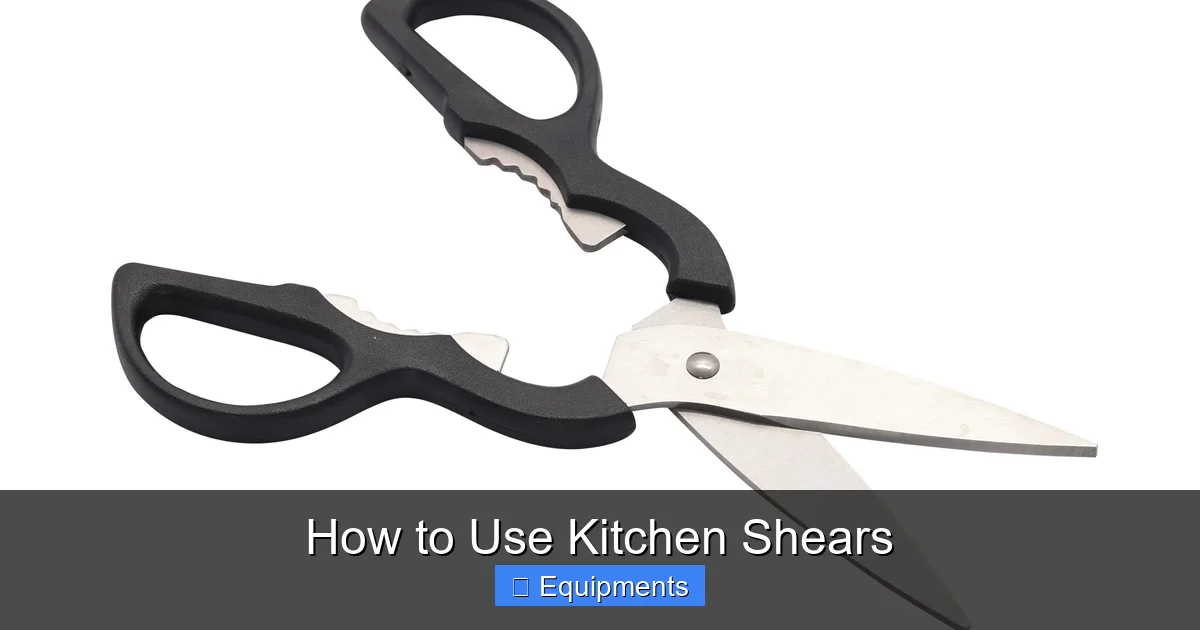
Look for ergonomically shaped handles that fit your hand size. Soft‑grip inserts reduce fatigue during long cutting sessions. Many shears also have a built‑in bottle opener, nutcracker, or split‑ring for hanging herbs—features that increase versatility.
Size and length considerations
Standard kitchen shears range from 6 to 9 inches. Shorter shears give you more control for detailed work, while longer ones provide leverage for heavy tasks like cutting through poultry bones.
2. Basic Grip and Cutting Technique
How to hold kitchen shears correctly
Open the shears and place your thumb in the larger loop and your middle finger in the smaller loop. Your index finger rests on the top handle for added control. This grip mimics a normal pair of scissors but adds stability for tougher cuts.
Visual guide about How to Use Kitchen Shears
Image source: wholesalechefknife.com
The “pinch‑and‑swing” motion
Close the blades by squeezing the handles together. For a clean cut, let the blades meet fully before you pull them apart. Think of it as a gentle “pinch‑and‑swing” rather than a hard chop. This motion reduces the chance of tearing or crushing delicate foods.
Applying the right amount of pressure
Start with light pressure. If the material resists, increase force gradually. For bone or cartilage, use a rocking motion—tilt the shears slightly and let the blades slide along the bone while you cut.
3. Everyday Kitchen Tasks Made Easy
Trimming poultry and meat
Use kitchen shears to remove skin, cut off excess fat, or portion chicken breasts. The shears glide through skin without shredding it, leaving a smooth surface for cooking.
Visual guide about How to Use Kitchen Shears
Image source: comcomph.com
Example: To separate chicken wings, place the wing flat on the cutting board, locate the joint, and cut straight through the cartilage with a firm squeeze.
Chopping herbs and greens
Gather a handful of herbs, hold them together, and snip with a quick motion. The shears produce uniform pieces without bruising the leaves.
Tip: Keep the stems attached when possible; they act as natural handles and make snipping faster.
Opening packages and cutting parchment
Never use a knife on cardboard. Kitchen shears cut through shipping boxes, frozen‑food wrappers, and parchment paper cleanly, reducing the risk of slipping.
Preparing pizza and flatbreads
Instead of a pizza cutter, use shears to cut slices. The blades can lift the slice away, preventing toppings from sliding off.
Cleaning and maintaining your shears
After each use, wash the blades with warm, soapy water. Dry them immediately to avoid rust. Periodically sharpen the edges with a fine‑grain sharpening stone or a dedicated scissor sharpener.
4. Advanced Uses and Creative Tricks
Making decorative garnishes
Kitchen shears excel at creating delicate curls from citrus peels or thin slices of vegetable. Hold the peel against the blade and snip in a gentle, rhythmic motion.
Splitting and portioning baked goods
For soft breads, pastries, or cakes, the serrated edge provides a clean cut without crushing the crumb. This is especially handy for layered desserts where presentation matters.
Preparing cocktails and bar snacks
Many shears include a built‑in bottle opener. Use the same tool to cut olives, lime wedges, or garnish sticks for drinks. The precision cut adds a professional touch.
DIY kitchen hacks
- Use the split‑ring to hang fresh herbs on the edge of a pantry door.
- Turn the shears into a makeshift zester by running a lemon rind across the serrated edge.
- Quickly remove stems from strawberries by snipping them in a single motion.
5. Safety Guidelines and Common Mistakes to Avoid
Never cut near your hand
Always keep your fingers clear of the cutting line. Position the food item on a stable board and let the shears do the work.
Avoid using shears on hard surfaces
Cutting on a metal or glass countertop can dull the blades quickly. Use a wooden or plastic cutting board instead.
Don’t use kitchen shears as a screwdriver
Even if the tip looks flat, the blade is not designed for torque. Using it as a tool can bend or break the edge.
Store them properly
Keep shears in a drawer with a blade guard, or hang them by the handle on a magnetic strip. This protects both the blades and your other utensils.
Regular inspection
Check for loose screws, rust spots, or worn edges before each use. Tighten any loose parts and replace the shears if the blades are severely damaged.
Conclusion: Turn Kitchen Shears into Your Everyday Hero
Mastering how to use kitchen shears transforms everyday cooking tasks from chores into quick, enjoyable actions. With the right pair, proper grip, and a few safety habits, you’ll cut, trim, and garnish like a professional chef. Keep your shears clean, sharpened, and stored safely, and they will serve you faithfully for years to come.
So the next time you reach for a knife, ask yourself: could kitchen shears do the job faster and safer? The answer is often yes, and now you have the knowledge to make the most of this versatile tool.
Frequently Asked Questions
Can I use kitchen shears to cut through bone?
Yes, but choose a pair with strong, long handles and a sturdy stainless‑steel blade. Use a rocking motion and apply steady pressure for best results.
How often should I sharpen my kitchen shears?
Sharpen when you notice the blades pulling or crushing food, typically every 6–12 months for regular home use. Professional sharpening or a fine stone works well.
Are serrated kitchen shears better than straight‑edge ones?
Serrated blades excel at cutting soft‑skinned items like tomatoes or bread, while straight edges give cleaner cuts on meat and vegetables. Many cooks keep both types on hand.
Is it safe to wash kitchen shears in the dishwasher?
Most stainless‑steel shears are dishwasher safe, but hand‑washing preserves the edge longer and prevents rust on lower‑grade steel.
Can I use kitchen shears for non‑food tasks?
Absolutely. The built‑in bottle opener, nutcracker, and split‑ring make them handy for opening packages, cracking nuts, or hanging herbs.
What is the best way to store kitchen shears?
Store them in a drawer with a protective sheath or hang them on a magnetic strip. Keeping them away from other sharp tools prevents damage.
