Discover the simple secrets to mastering your Greenpan pot. From pre‑heat to clean‑up, this guide walks you through every step so you can enjoy healthy, non‑stick cooking without hassle. Follow our practical tips and start cooking like a pro today.
Key Takeaways
- Seasoning matters: A quick oil rub before the first use creates a durable, non‑stick surface.
- Temperature control: Keep heat medium or low; high heat can damage the ceramic coating.
- Utensil choice: Use wood, silicone or plastic tools to protect the pot’s interior.
- Cleaning routine: Gentle hand‑wash with soft sponges preserves the non‑stick performance.
- Storage tip: Stack with a protective liner or hang to avoid scratches.
- Versatile recipes: Greenpan pots excel at sautéing, steaming, and even oven‑baking.
- Longevity hacks: Avoid sudden temperature changes and never use metal scouring pads.
📑 Table of Contents
- Introduction: Why the Greenpan Pot Is a Kitchen Game‑Changer
- 1. Getting Started: Unboxing and Initial Prep
- 2. Mastering Heat: How to Cook Without Burning the Coating
- 3. Cooking Techniques That Shine with Greenpan
- 4. Cleaning and Maintenance: Keep the Non‑Stick Magic Alive
- 5. Troubleshooting Common Issues
- Conclusion: Your Greenpan Pot as a Trusted Kitchen Companion
Introduction: Why the Greenpan Pot Is a Kitchen Game‑Changer
If you’ve ever struggled with food sticking to the bottom of a pan, you know the frustration of a ruined dinner and a scratched cookware surface. The Greenpan pot offers a solution that feels almost magical: a ceramic‑titanium non‑stick coating that lets you cook with less oil, clean with ease, and keep the pot looking new for years.
But like any piece of equipment, the Greenpan pot performs best when you understand how to treat it. This guide will walk you through everything you need—from the first seasoning step to the best ways to store the pot after use. Think of it as a friendly chat over coffee, where I share the exact routine that turned my Greenpan into a daily workhorse.
1. Getting Started: Unboxing and Initial Prep
1.1 What’s Inside the Box?
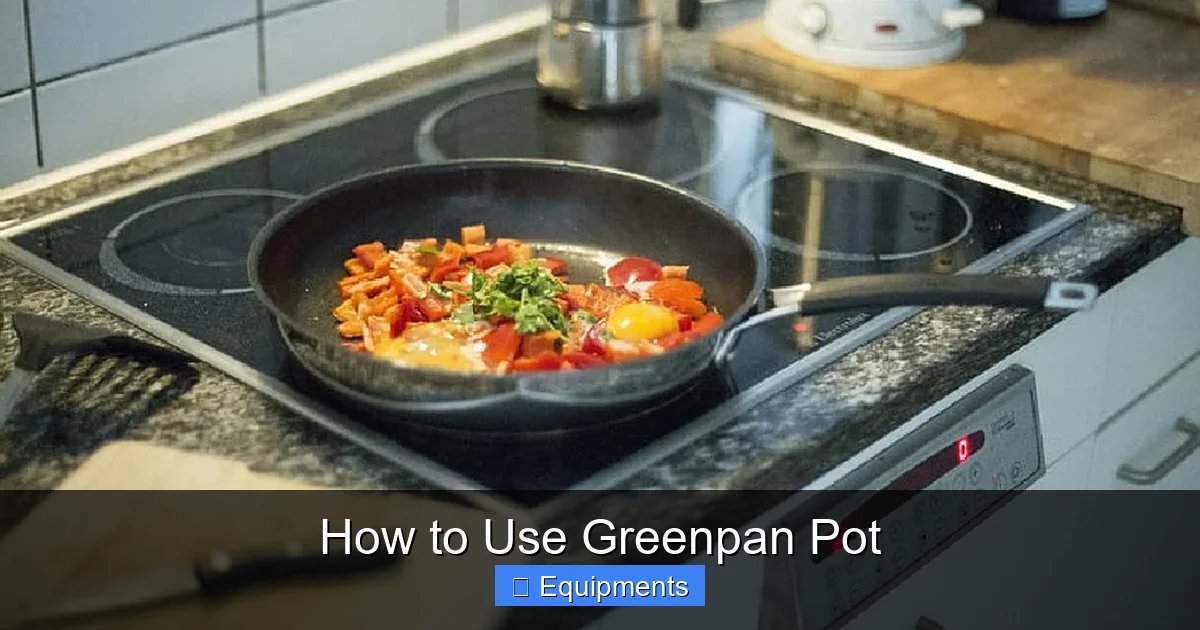
When you open the Greenpan package, you’ll typically find:
Visual guide about How to Use Greenpan Pot
Image source: thekitchenix.com
- The pot itself (various sizes are available).
- A user manual with warranty information.
Inspect the pot for any visible dents or scratches. Minor cosmetic marks are normal, but deep gouges could affect the coating.
1.2 First Wash – Why It’s Important
Even though the pot is marketed as “ready‑to‑use,” a gentle first wash removes factory residues. Use warm water, a soft sponge, and a few drops of mild dish soap. Rinse thoroughly and dry with a lint‑free cloth.
1.3 The Seasoning Step
Seasoning isn’t as intensive as with cast iron, but a quick oil rub helps the ceramic coating reach its full non‑stick potential.
- Preheat the empty pot on low heat for 2 minutes.
- Apply a thin layer of high‑smoke‑point oil (e.g., avocado or grapeseed) using a paper towel.
- Let the oil heat for another minute, then wipe away any excess.
- Cool, then store the pot dry.
This simple step creates a protective barrier and reduces the chance of food sticking during the first few uses.
2. Mastering Heat: How to Cook Without Burning the Coating
2.1 Understanding the Temperature Zones
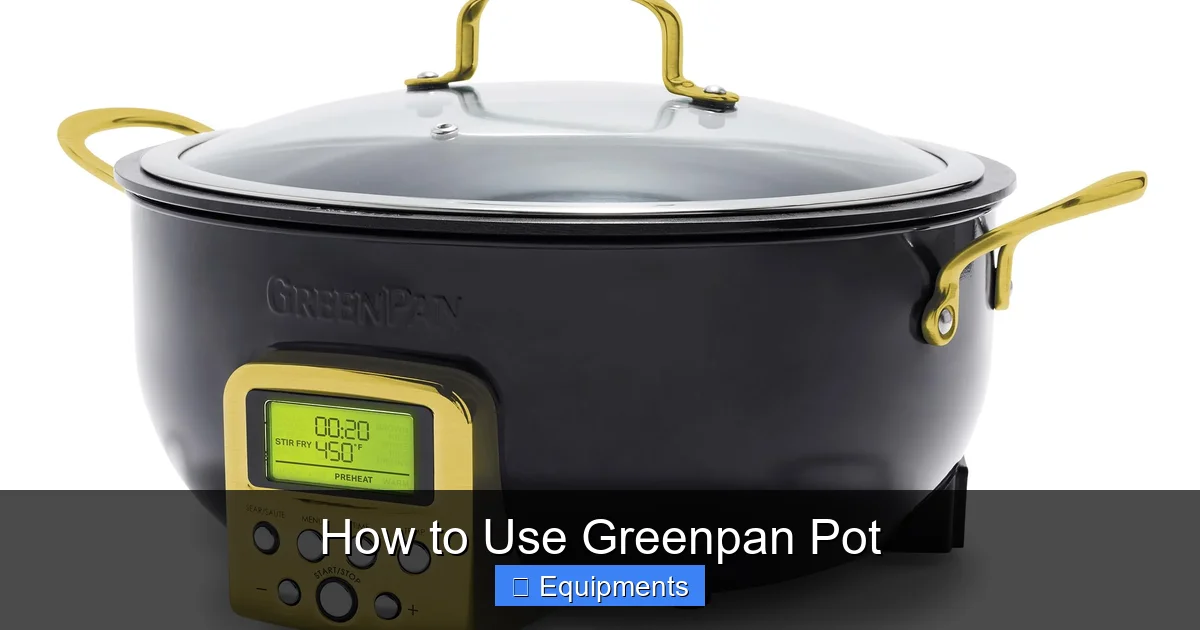
Greenpan’s ceramic‑titanium coating can handle up to 450°F (232°C), but the sweet spot for everyday cooking is 300–350°F (149–177°C). Here’s a quick guide:
Visual guide about How to Use Greenpan Pot
Image source: images-na.ssl-images-amazon.com
- Low (200–250°F): Ideal for delicate sauces, melting butter, or simmering.
- Medium (300–350°F): Perfect for sautéing vegetables, pan‑searing fish, or cooking eggs.
- High (above 400°F): Use sparingly—only for quick sears on sturdy foods like steak.
2.2 Pre‑Heating Tips
Never place food into a cold pot and then crank up the heat. Instead:
- Place the pot on the burner and set to medium.
- Wait 2–3 minutes; you can test with a few drops of water—if they dance and evaporate, the pot is ready.
- Add a small amount of oil or butter, then proceed with your ingredients.
2.3 Avoiding Thermal Shock
Sudden temperature changes can crack the ceramic layer. Never rinse a hot pot with cold water. Instead, let it cool for a few minutes, then wash with warm water.
3. Cooking Techniques That Shine with Greenpan
3.1 Sautéing Vegetables – A Quick Example
Ingredients: 1 cup sliced bell peppers, ½ cup broccoli florets, 1 tbsp olive oil, pinch of salt.
Visual guide about How to Use Greenpan Pot
Image source: m.media-amazon.com
- Pre‑heat the pot on medium for 2 minutes.
- Add olive oil; swirl to coat.
- Drop the vegetables in a single layer.
- Stir every 30 seconds; vegetables should be crisp‑tender in 4–5 minutes.
- Season and serve.
The even heat distribution prevents burning, and the non‑stick surface means no food clings to the bottom.
3.2 Perfect Eggs Every Time
Whether you like them scrambled or sunny‑side‑up, the Greenpan pot makes it painless.
- Heat on low; add ½ tbsp butter.
- Crack eggs directly into the pot.
- Cover with a lid for 1‑2 minutes for sunny‑side‑up, or gently stir for fluffy scrambled eggs.
The key is low heat—high heat will cause the whites to stick.
3.3 One‑Pot Pasta: A Minimal‑Mess Meal
Combine 2 cups water, ½ cup pasta, a pinch of salt, and a splash of tomato sauce in the pot. Bring to a boil, then reduce to a gentle simmer. Stir occasionally for 8–10 minutes until the pasta is al dente and the sauce thickens. The non‑stick surface stops the pasta from gluing to the bottom.
3.4 Oven‑Safe Baking
Most Greenpan pots are oven‑safe up to 350°F (177°C). Try a frittata:
- Pre‑heat oven to 350°F.
- Sauté diced veggies in the pot on the stovetop.
- Whisk 6 eggs with cheese, pour over veggies.
- Transfer the pot to the oven for 12‑15 minutes.
The same pot goes from stove to oven without a hassle.
4. Cleaning and Maintenance: Keep the Non‑Stick Magic Alive
4.1 Daily Cleaning Routine
After cooking, allow the pot to cool for a few minutes. Then:
- Fill with warm, soapy water.
- Use a soft sponge or nylon scrubber—no steel wool.
- Rinse thoroughly and dry completely.
If food is stubborn, soak for 5 minutes before cleaning.
4.2 De‑Scaling and Stubborn Stains
For occasional discoloration:
- Make a paste of baking soda and water.
- Apply to the stained area, let sit 10 minutes.
- Gently scrub with a soft sponge, rinse, and dry.
4.3 What to Avoid
- Never use metal scouring pads.
- Avoid cooking sprays; they can leave a residue that dulls the coating.
- Do not place the pot in the dishwasher unless the manufacturer explicitly says it’s safe.
4.4 Long‑Term Storage Tips
To protect the interior:
- Place a paper towel or silicone liner between stacked pots.
- Hang the pot by the handle if you have a pot rack.
- Store in a dry place; moisture can promote rust on the exterior metal.
5. Troubleshooting Common Issues
5.1 Food Still Sticks After Seasoning
Check the heat level—high heat is the usual culprit. Reduce to medium‑low and add a little more oil.
5.2 Discoloration or Fading
Gradual fading is normal over years of use. A gentle baking soda paste can restore brightness.
5.3 Warping or Uneven Cooking
If the pot warps, it may have been exposed to extreme temperature changes. Avoid placing a cold pot on a hot burner.
5.4 Scratches on the Coating
Minor scratches won’t affect performance immediately. Replace the pot if deep gouges appear, as they can harbor bacteria.
Conclusion: Your Greenpan Pot as a Trusted Kitchen Companion
Using a Greenpan pot isn’t rocket science—it’s about respecting the coating, controlling heat, and cleaning gently. Follow the seasoning step, keep the temperature moderate, and treat the surface with soft tools, and you’ll enjoy years of effortless, healthy cooking. From quick weekday meals to elegant oven‑baked dishes, the Greenpan pot adapts to nearly any cooking style. Treat it well, and it will reward you with consistent non‑stick performance, easy cleanup, and a lighter kitchen workload.
Frequently Asked Questions
How long does the Greenpan non‑stick coating last?
With proper care—medium heat, gentle cleaning, and no metal utensils—the coating can stay effective for 3–5 years, often longer.
Can I use the Greenpan pot on induction cooktops?
Yes, most Greenpan pots have a magnetic stainless‑steel base that works on induction. Check the product specs to confirm.
Is it safe to cook acidic foods like tomato sauce?
Absolutely. The ceramic‑titanium coating resists acid, so you can simmer sauces without worrying about degradation.
Do I need to re‑season the pot regularly?
Re‑seasoning isn’t required after every use, but a light oil rub every few weeks helps maintain peak non‑stick performance.
Can I put the Greenpan pot in the oven?
Most models are oven‑safe up to 350°F (177°C). Always verify the temperature limit on the manufacturer’s label.
What is the best way to store the pot to avoid scratches?
Place a soft liner (paper towel or silicone mat) between stacked pots, or hang the pot by its handle on a rack.