Cleaning your Breville juicer doesn’t have to be a chore. With the right routine, a few simple tools, and a little patience, you can keep every part sparkling and ensure maximum juice yield. Follow this guide for quick disassembly, deep cleaning tricks, and maintenance tips that extend the life of your machine.
Key Takeaways
- Disassemble safely: Always unplug and separate each component before washing.
- Rinse immediately: Fresh pulp left to dry causes stubborn buildup.
- Use the right tools: Soft brushes, non‑abrasive sponges, and the Breville cleaning brush work best.
- Deep‑clean monthly: Soak parts in warm, soapy water or a vinegar solution to dissolve residue.
- Dry thoroughly: Air‑dry or pat dry to prevent rust and mildew.
- Check the motor base: Wipe the exterior and clean the vent openings to avoid overheating.
- Store properly: Reassemble only when dry and keep the juicer in a dry, dust‑free area.
📑 Table of Contents
- Introduction: Why Cleaning Your Breville Juicer Matters
- 1. Preparing Your Juicer for Cleaning
- 2. Disassembling the Breville Juicer
- 3. Cleaning Each Component
- 4. Tips to Prevent Build‑Up and Extend Lifespan
- 5. Troubleshooting Common Cleaning Issues
- Conclusion: Keep Your Breville Juicer Running Like New
Introduction: Why Cleaning Your Breville Juicer Matters
When you first unbox a Breville juicer, the excitement of fresh, nutrient‑rich juice is hard to beat. But the joy can fade quickly if you neglect proper cleaning. Leftover pulp, fruit sugars, and tiny bits of skin can turn into sticky, hard‑to‑remove gunk. Over time, this buildup reduces the machine’s efficiency, alters the flavor of your juice, and can even cause motor overheating.
Fortunately, cleaning a Breville juicer is easier than you think. The brand designs its models with user‑friendly disassembly and dishwasher‑safe parts. By following a simple routine—after each use and a deeper monthly cleanse—you’ll protect the warranty, keep the taste pure, and extend the life of your investment.
1. Preparing Your Juicer for Cleaning
Unplug and Safety First
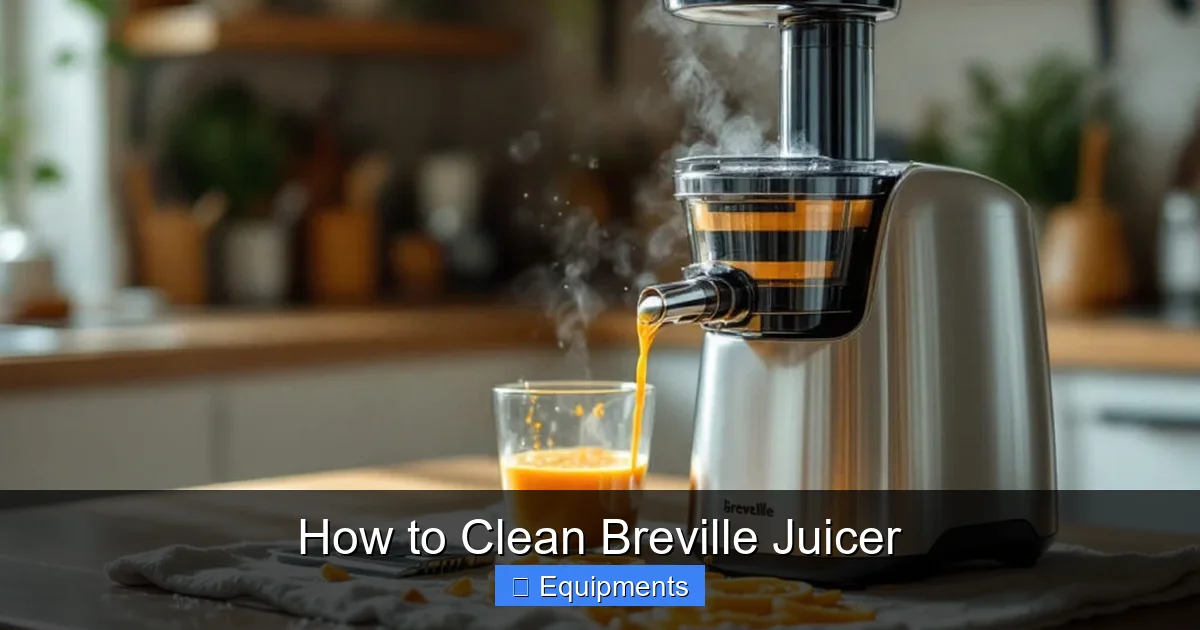
Never attempt to clean any electrical appliance while it’s plugged in. Start by turning off the juicer, unplugging it, and placing it on a stable surface. This prevents accidental start‑ups and protects you from electric shock.
Visual guide about How to Clean Breville Juicer
Image source: juicerdiary.com
Gather Your Cleaning Tools
Having the right tools on hand makes the job faster:
- Soft‑bristled brush: Often included with Breville models for cleaning the feed chute and mesh.
- Non‑abrasive sponge or cloth: Prevents scratching the plastic.
- Dishwasher‑safe basket and strainer: Check your model’s manual; most are safe for the top rack.
- Small silicone or rubber spatula: Helps scrape pulp without damaging surfaces.
- White vinegar or lemon juice: Natural degreaser for stubborn stains.
Immediate Rinse
After you finish juicing, give the parts a quick rinse under warm running water. This removes the majority of fruit pulp before it can dry and harden. A quick rinse also makes the later soak less messy.
2. Disassembling the Breville Juicer
Step‑by‑Step Breakdown
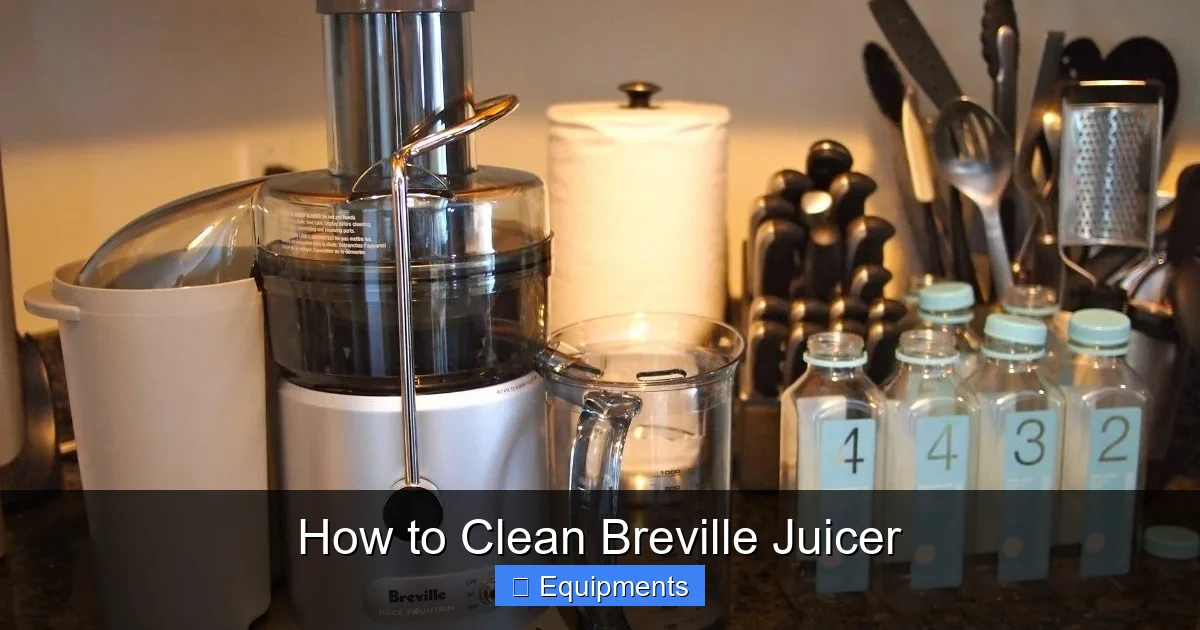
While each Breville model (e.g., Juice Fountain, Juice Fountain Elite, Juice Fountain Cold) has slight variations, the core components are the same. Follow these generic steps:
Visual guide about How to Clean Breville Juicer
Image source: completingmyhome.com
- Remove the feed chute: Pull it straight out. Most are dishwasher safe.
- Detach the juicing basket: Press the release button or lever, then lift the basket away.
- Separate the strainer and pulp container: Twist or press the latch to release.
- Take out the cutting blade (if removable): Some models have a detachable blade assembly; consult the manual.
- Leave the motor base intact: Only wipe the exterior; never submerge the motor.
Special Note for Cold Press Models
Cold press (slow) juicers have additional parts such as a auger and a pressure valve. These components are usually made of stainless steel and can be rinsed under warm water, but avoid submerging the motor housing. Refer to the user guide for the exact release mechanism.
3. Cleaning Each Component
Feed Chute and Cutting Blade
The feed chute often traps fine fibers. Use the supplied soft brush to scrub the interior, paying special attention to corners. For the cutting blade, gently wipe with a damp cloth; never use a metal scouring pad as it can dull the edge.
Visual guide about How to Clean Breville Juicer
Image source: m.media-amazon.com
Juicing Basket and Mesh Strainer
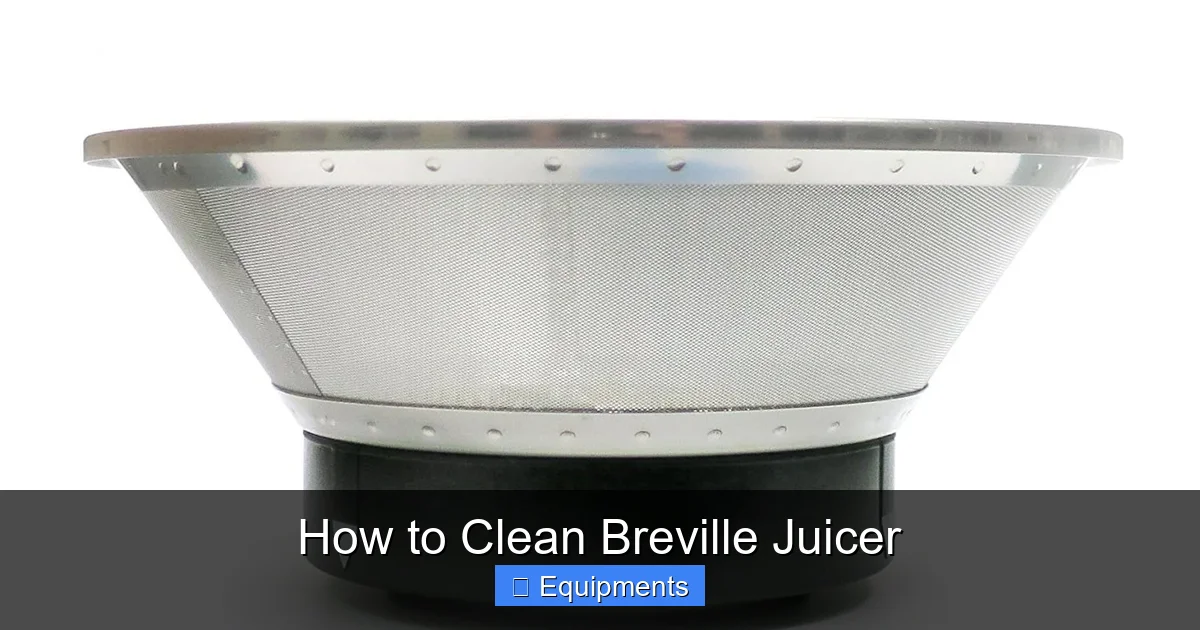
These parts are the most prone to clogging. If they’re dishwasher safe, place them on the top rack and run a normal cycle. For hand washing:
- Fill a basin with warm, soapy water.
- Submerge the basket and let it soak for 5‑10 minutes.
- Use a soft brush to clean the mesh thoroughly.
- Rinse under running water until no soap remains.
For stubborn residue, add a tablespoon of white vinegar to the soak water. The mild acidity helps dissolve dried pulp.
Pulp Container
The pulp container is usually a simple plastic bin. Rinse it immediately after each use, then wash with warm, soapy water. If the container has a lid, clean the lid’s gasket to prevent mold growth.
Motor Base and Exterior
Never immerse the motor base. Instead, wipe it with a damp cloth. Pay attention to the vent openings on the back and sides—dust and fruit dust can accumulate here. Use a dry, soft brush or a can of compressed air to clear the vents.
Deep Cleaning (Monthly Routine)
Even with daily rinses, a monthly deep clean keeps your juicer performing at peak efficiency. Follow this protocol:
- Disassemble all removable parts.
- Prepare a solution of 1 part white vinegar to 3 parts warm water.
- Soak the basket, strainer, and chute for 15‑20 minutes.
- Scrub gently, then rinse thoroughly.
- Wipe the motor base with a vinegar‑dampened cloth, avoiding the electrical contacts.
- Dry all components completely before reassembly.
4. Tips to Prevent Build‑Up and Extend Lifespan
Use Fresh, Clean Produce
Dirty or overly ripe fruit can leave extra sugars and enzymes that stick to the machine. Wash produce thoroughly before juicing and trim any bruised spots.
Don’t Overload the Feed Chute
Pushing too much fruit at once forces pulp into hard‑to‑reach areas. Feed small, steady pieces to allow the juicer to process them cleanly.
Dry Parts Promptly
Even after a thorough rinse, moisture can cause mold or rust, especially on stainless‑steel components. Pat dry with a clean towel or let air‑dry on a rack before reassembling.
Rotate the Cutting Blade
Some Breville models allow you to flip the blade assembly. Doing this every few weeks ensures even wear and reduces the chance of dull spots.
Store in a Dry Environment
After cleaning, keep the juicer in a cupboard with good airflow. Avoid sealing it in a plastic bag where humidity can linger.
5. Troubleshooting Common Cleaning Issues
Stubborn Stains on the Mesh
If the mesh remains discolored after a regular wash, create a paste of baking soda and water. Apply with a soft brush, let sit for 5 minutes, then rinse.
Odor Retention
A lingering fruit smell usually means a hidden pocket of pulp. Disassemble the chute completely and use a cotton swab dipped in diluted vinegar to clean interior seams.
Blade Dulling
Regularly inspect the cutting blade for nicks. If you notice reduced juice yield, sharpen the blade with a fine‑grit sharpening stone or replace it according to the warranty terms.
Motor Overheating
Overheating can be caused by clogged vents or a wet motor base. Ensure the base is completely dry and the vents are clear before each use.
Leaking Juice
Leaks often occur when the pulp container isn’t seated properly. Double‑check that the latch clicks into place and that the gasket is clean.
Conclusion: Keep Your Breville Juicer Running Like New
Cleaning your Breville juicer may feel like a routine task, but it’s the key to consistent, high‑quality juice and a long‑lasting machine. By rinsing immediately, disassembling safely, using the right tools, and performing a monthly deep clean, you’ll avoid most problems and keep the flavors bright. Remember, a well‑maintained juicer not only saves you money on repairs but also encourages you to juice more often—boosting your health one glass at a time.
Frequently Asked Questions
How often should I clean the Breville juicer after each use?
Rinse the feed chute, basket, and pulp container with warm water immediately after each juicing session. This prevents pulp from drying and sticking.
Can I put the motor base in the dishwasher?
No. The motor base contains electrical components and should only be wiped with a damp cloth. Submerging it can cause damage and void the warranty.
What if the mesh strainer is still clogged after soaking?
Use the soft‑bristled brush supplied with the juicer or a toothbrush to scrub the mesh gently. For tough residue, a baking‑soda paste works well.
Is it safe to use bleach to sanitize my Breville juicer?
Bleach is not recommended because it can corrode plastic parts and leave a strong odor. A vinegar solution or mild dish soap is sufficient for sanitizing.
How do I know when it’s time to replace the cutting blade?
If you notice a significant drop in juice yield, excessive pulpy residue, or visible nicks on the blade, it’s time to sharpen or replace it according to the manufacturer’s guidelines.
Can I store the juicer with the parts assembled?
It’s best to store the juicer disassembled and completely dry. This prevents moisture buildup, which can lead to mold or rust on metal components.