Discover the easiest way to master your Chefman Electric Kettle. From first‑time setup to cleaning and safety tips, this guide walks you through every step so you can enjoy hot drinks and meals without hassle. Follow our practical advice and keep your kettle working like new.
Key Takeaways
- Understanding How To Use Chefman Electric Kettle: Provides essential knowledge
📑 Table of Contents
- Introduction: Why the Chefman Electric Kettle Is a Kitchen Must‑Have
- 1. Unboxing and First‑Time Setup
- 2. Daily Use: Boiling Water the Right Way
- 3. Safety Features You Should Know
- 4. Cleaning and Maintenance
- 5. Troubleshooting Common Issues
- 6. Extending the Life of Your Chefman Kettle
- Conclusion: Brew With Confidence
Introduction: Why the Chefman Electric Kettle Is a Kitchen Must‑Have
Imagine waking up, pressing a button, and having boiling water ready in under a minute. That’s the promise of the Chefman Electric Kettle, and it’s not just a gimmick. This compact appliance delivers fast, consistent heat, making it perfect for tea lovers, coffee aficionados, and busy families who need quick meals.
But a great product only shines when you know how to use it properly. In this guide we’ll walk you through every step – from unboxing to daily use, cleaning, and troubleshooting. Think of it as a friendly chat over a cup of tea, where I share the little tricks that keep my kettle humming along for years.
1. Unboxing and First‑Time Setup
What’s Inside the Box?
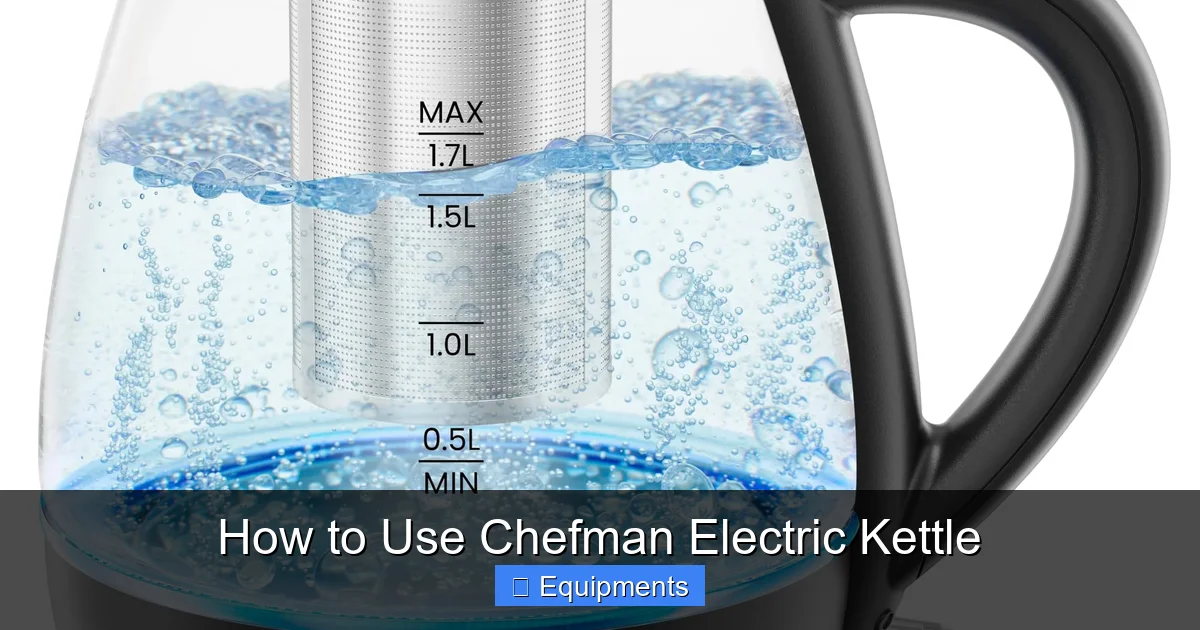
When you first open the Chefman Electric Kettle, you’ll find:
Visual guide about How to Use Chefman Electric Kettle
Image source: m.media-amazon.com
- The kettle body with a clear water window
- A detachable base with the power cord
- A silicone grip handle
- A user manual
- A small cleaning brush (optional)
Step‑by‑Step Setup
Follow these simple steps to get your kettle ready:
- Place the base on a flat, dry surface. Make sure there’s at least 6 inches of clearance behind it for ventilation.
- Align the kettle with the magnetic connector. You’ll hear a soft click when it locks in place.
- Fill the kettle. Open the lid, pour cold tap water into the window up to the “MAX” line. Never exceed this level.
- Plug it in. The indicator light will glow, confirming the unit has power.
- Test the auto‑off. Press the “ON/OFF” button. The kettle should start heating and shut off automatically once it reaches a boil.
That’s it! Your Chefman kettle is now ready for daily use.
2. Daily Use: Boiling Water the Right Way
Choosing the Correct Temperature
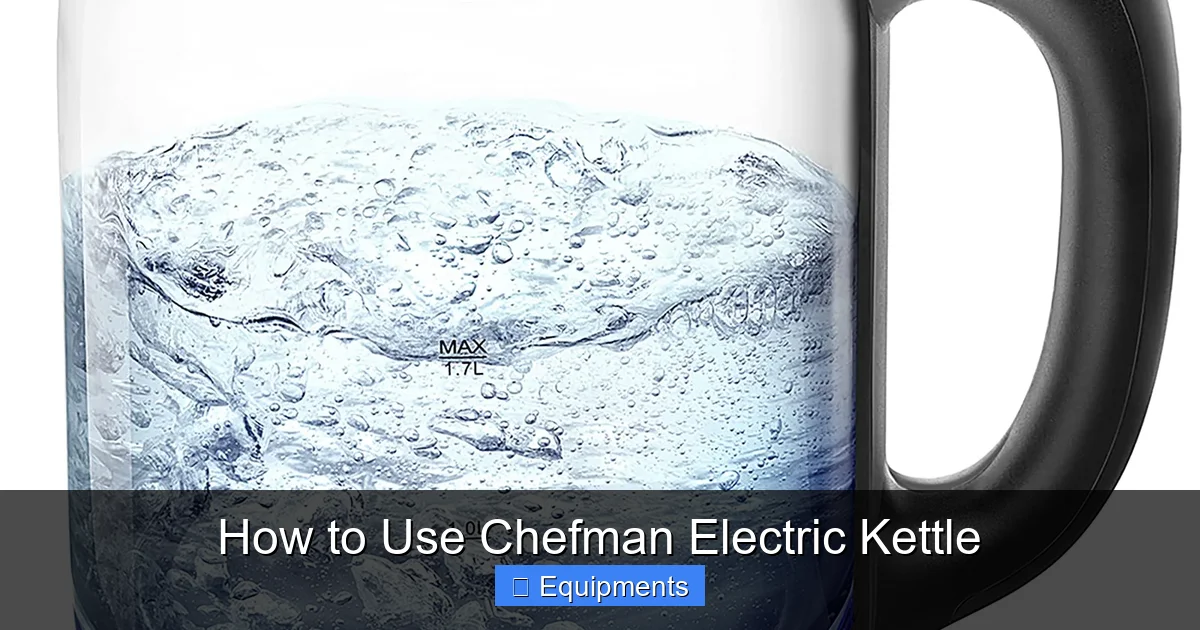
Not all drinks need a rolling boil. The Chefman model often includes preset temperature buttons (e.g., 175°F for green tea, 195°F for black tea, 212°F for coffee). If yours has a simple on/off switch, you’ll get 212°F every time.
Visual guide about How to Use Chefman Electric Kettle
Image source: m.media-amazon.com
To select a temperature:
- Press the “Temp” button until the desired setting lights up.
- Press “Start.” The kettle will heat to the chosen temperature and then shut off.
How Long Does It Take?
From a cold start, the kettle typically reaches a full boil in 3–4 minutes for 1‑liter capacity. Smaller volumes (e.g., 500 ml) may boil in under 2 minutes. The exact time depends on water temperature and altitude.
Practical Example: Making a Perfect Cup of Tea
- Fill the kettle with 250 ml of water.
- Select 175°F for green tea.
- While the water heats, place a tea bag in your cup.
- When the kettle stops, pour the water over the tea bag.
- Steep for 2–3 minutes, then enjoy.
This method ensures you don’t scorch delicate leaves, preserving flavor and aroma.
3. Safety Features You Should Know
Auto‑Off and Boil‑Dry Protection
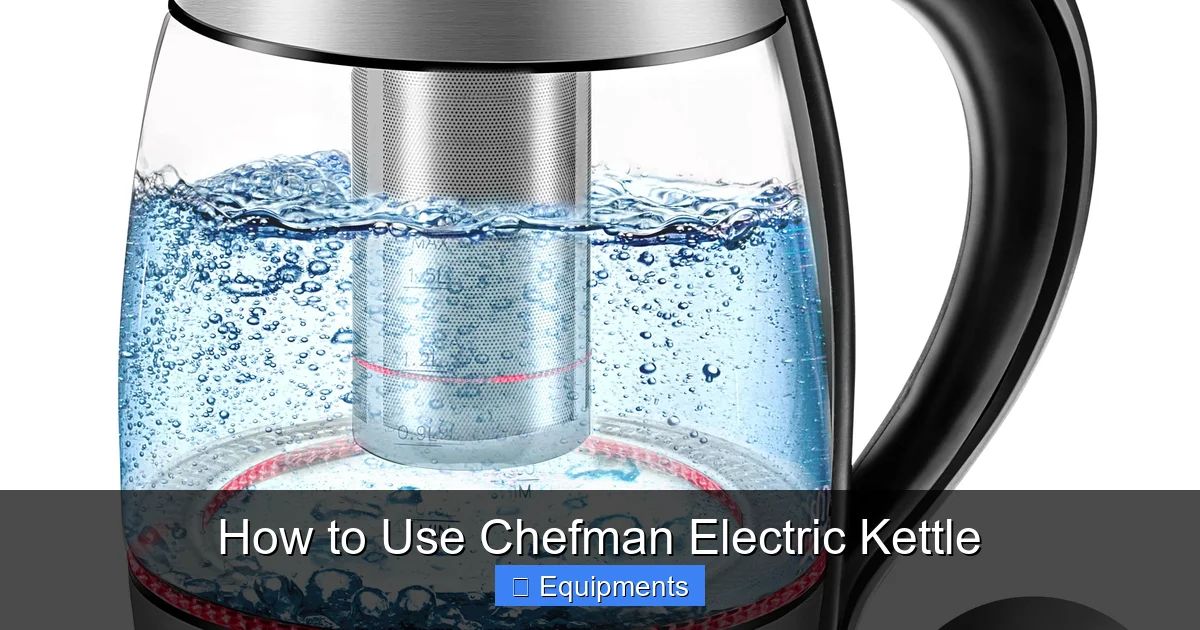
The Chefman kettle automatically turns off when the water reaches the set temperature. If you forget to add water, the boil‑dry protection kicks in after a few seconds, cutting power to prevent damage.
Visual guide about How to Use Chefman Electric Kettle
Image source: m.media-amazon.com
Cool‑Touch Exterior
The outer body stays cool thanks to double‑wall insulation. Still, always hold the kettle by the handle, not the spout, especially when the water is near boiling.
Child‑Lock Function (If Available)
Some models include a child‑lock that engages when you hold the “ON/OFF” button for three seconds. This prevents accidental activation.
4. Cleaning and Maintenance
Why Descaling Matters
Hard water leaves mineral deposits (scale) inside the kettle. Over time, scale reduces heating efficiency and can cause strange noises.
Simple Descaling Routine
- Mix 1 cup of white vinegar with 2 cups of water.
- Pour the solution into the kettle, filling it to the “MAX” line.
- Heat to a boil, then let it sit for 30 minutes.
- Discard the solution and rinse the kettle thoroughly.
- Boil fresh water once more to remove any lingering taste.
Do this every 1–2 months, or more often if you have very hard water.
Everyday Cleaning Tips
- Wipe the exterior with a damp cloth after each use.
- Use the supplied brush to scrub the water window if spots appear.
- Avoid abrasive cleaners; they can scratch the stainless‑steel finish.
5. Troubleshooting Common Issues
The Kettle Won’t Turn On
Check that the base is firmly seated on the plug and that the outlet works. Reset the unit by unplugging for 30 seconds, then plug back in.
Water Takes Too Long to Boil
Scale buildup is the usual culprit. Perform a descaling cycle. Also verify you’re not exceeding the “MAX” line, which forces the kettle to heat more water than needed.
Leaking From the Spout
Make sure the lid is fully closed. If the leak persists, the silicone seal may be misaligned; gently reposition it.
Unusual Noise or Smell
A brief metallic clang is normal when heating elements engage. A persistent burnt smell indicates mineral residue; run a descaling cycle immediately.
6. Extending the Life of Your Chefman Kettle
Smart Usage Habits
- Boil only the amount of water you need.
- Turn off the kettle if you notice it’s taking longer than usual.
- Store the kettle with the lid open to allow air circulation.
Seasonal Care
During winter, keep the kettle away from direct heat sources to avoid condensation inside the base. In summer, ensure the power cord isn’t exposed to sun‑bleached surfaces that could weaken insulation.
When to Replace the Kettle
If the auto‑off feature fails after multiple descaling attempts, or the heating element shows signs of corrosion, it’s safer to replace the unit. Chefman offers a one‑year warranty, so contact support for a replacement if you’re still within that period.
Conclusion: Brew With Confidence
The Chefman Electric Kettle is more than a quick‑boil gadget; it’s a versatile kitchen ally. By following the simple steps outlined above—proper setup, mindful temperature selection, regular cleaning, and a few safety checks—you’ll enjoy perfect hot water every time and keep your kettle in top shape for years.
Remember, the secret to great tea, coffee, or instant meals isn’t just the water temperature; it’s also the care you give to your kettle. Treat it well, and it will reward you with speed, safety, and consistent performance. Now, go ahead and brew that perfect cup—you’ve earned it!
Frequently Asked Questions
How long does it take for the Chefman Electric Kettle to boil water?
Typically 3–4 minutes for a full liter from cold tap water. Smaller amounts boil faster, often in under 2 minutes.
Can I use the Chefman kettle for cold beverages?
Yes, you can fill it with cold water and use the keep‑warm feature for chilled drinks, but avoid leaving ice directly in the kettle as it may damage the heating element.
Is it safe to leave the kettle plugged in when not in use?
The kettle’s auto‑off and boil‑dry protection keep it safe, but unplugging when you’re away for long periods conserves energy and adds an extra safety layer.
How often should I descale my Chefman electric kettle?
Descale every 1–2 months, or sooner if you notice a film inside the water window or a drop in heating speed.
What do I do if the kettle stops heating?
First, check the power connection and reset by unplugging for 30 seconds. If it still won’t heat, run a descaling cycle; persistent issues may require contacting Chefman support.
Can I use the kettle on a wooden countertop?
Yes, the base has a heat‑resistant foot, but place a small mat or coaster underneath to protect the wood from any accidental spills.

Pingback: Tea Kettle Stovetop Made in Usa - kitchenandhouseware.com