Cleaning the Wolf stove igniter is easier than you think. With a few simple tools and the right technique, you can restore reliable spark and keep your cooktop looking great. Follow our friendly guide to avoid common mistakes and enjoy trouble‑free cooking.
Key Takeaways
- Regular cleaning extends life: Removing grime every 3‑6 months prevents misfires.
- Use the right tools: A soft brush, mild detergent, and compressed air do the job without damage.
- Safety first: Always disconnect power and allow the stove to cool before you start.
- Check the igniter tip: A worn or cracked tip should be replaced, not just cleaned.
- Test after cleaning: A quick spark test confirms the job is done correctly.
- Maintain a cleaning schedule: Consistency reduces the need for costly repairs.
- Know when to call a pro: Persistent issues may indicate deeper electrical problems.
📑 Table of Contents
Introduction: Why a Clean Igniter Matters
When you hear that satisfying “click‑click” and see a blue flame leap to life, you’re witnessing the work of a tiny but mighty part: the igniter. In Wolf stoves, the igniter is the heart of the ignition system. Over time, food splatter, grease, and dust settle on the igniter tip, reducing its ability to spark reliably. A dirty igniter can cause delayed lighting, uneven flames, or even a complete failure to ignite.
Cleaning the igniter isn’t just about convenience; it’s about safety, efficiency, and protecting your investment. A well‑maintained igniter uses less electricity, lights faster, and helps your burners stay evenly heated. The good news? You don’t need a professional for routine cleaning. With a few household items and a careful approach, you can do it yourself in under an hour.
What Is a Wolf Stove Igniter?
Basic design and function
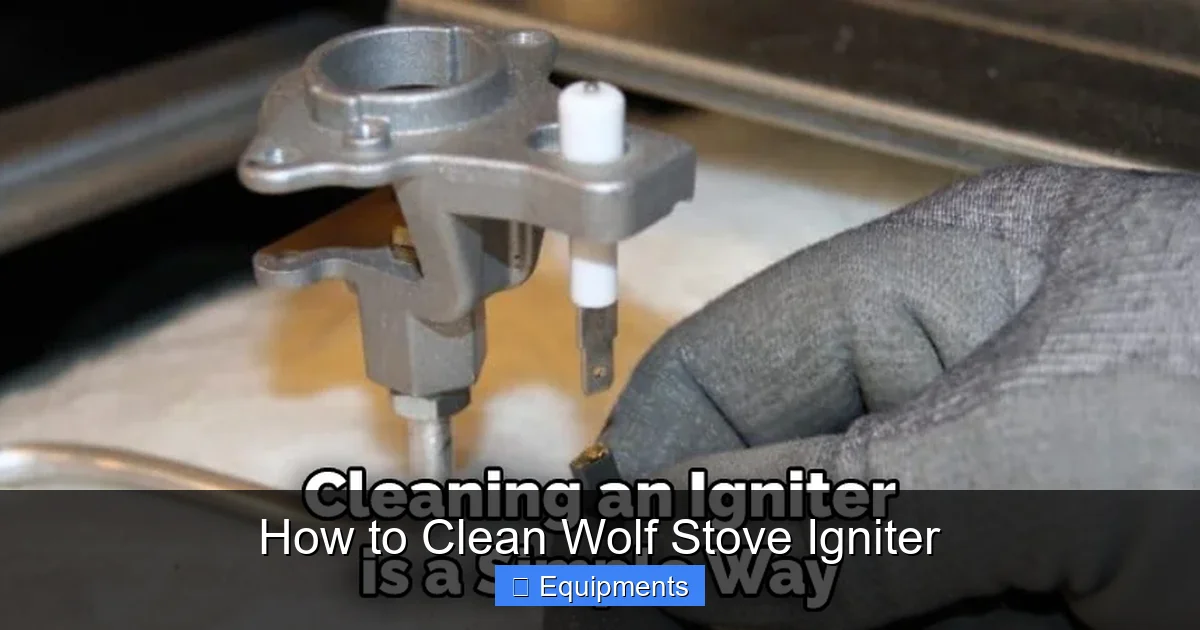
The Wolf igniter is a piezoelectric or electronic spark generator mounted near each burner. When you turn the knob, a small voltage jumps across a gap at the igniter tip, creating a spark that lights the gas. The tip is usually made of stainless steel or ceramic material, chosen for durability and resistance to heat.
Visual guide about How to Clean Wolf Stove Igniter
Image source: thekitchenix.com
Common places where grime builds up
- Igniter tip: Directly exposed to spills and splatters.
- Surrounding metal housing: Attracts grease that can melt onto the surface.
- Control panel area: Dust and cooking fumes settle here, especially in high‑use kitchens.
Tools and Materials You’ll Need
Essential cleaning supplies
- Soft‑bristled brush (an old toothbrush works well)
- Mild dish detergent
- Isopropyl alcohol (70% or higher)
- Compressed air canister
- Micro‑fiber cloths
- Non‑abrasive sponge
- Safety gloves and goggles
Optional but helpful items
- Plastic putty knife – for gently lifting stubborn residue
- Replacement igniter tips – in case the original is cracked
- Multimeter – to test continuity if the igniter still misbehaves after cleaning
Step‑by‑Step Guide: How to Clean Wolf Stove Igniter
Step 1: Prepare Your Workspace
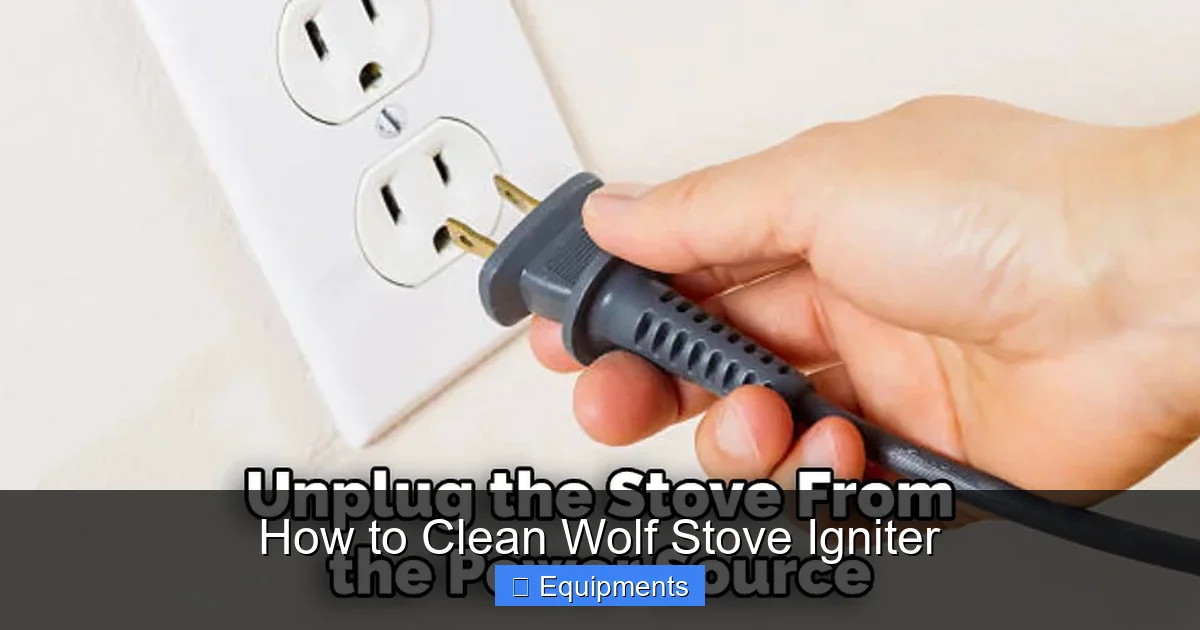
Start by turning off the stove’s power at the circuit breaker. Even though the igniter uses low voltage, cutting the power eliminates any surprise sparks. Then, let the stove cool for at least 15 minutes if you’ve been cooking.
Visual guide about How to Clean Wolf Stove Igniter
Image source: thekitchenix.com
Visual guide about How to Clean Wolf Stove Igniter
Image source: thekitchenix.com
Step 2: Remove Burner Grates and Caps
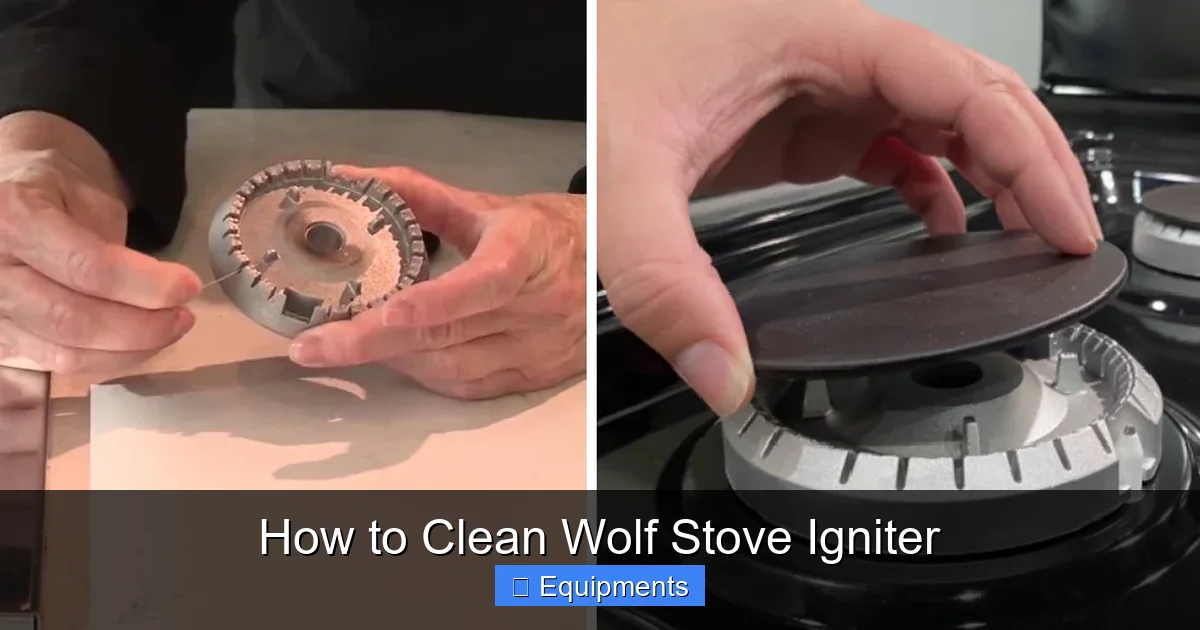
Lift the grates straight up and set them aside. Most Wolf models have removable burner caps that slide off. This gives you clear access to the igniter and prevents accidental damage.
Step 3: Inspect the Igniter
Look closely at the igniter tip. If you see cracks, chips, or severe corrosion, note the part number (usually printed on the back) and order a replacement. Minor buildup can be cleaned safely.
Step 4: Apply a Cleaning Solution
Dampen a soft brush with warm, soapy water. Gently scrub the igniter tip and surrounding metal. Avoid soaking the igniter; a little moisture is enough to lift grease.
Step 5: Use Isopropyl Alcohol for Stubborn Residue
For baked‑on grease, dip a cotton swab in isopropyl alcohol and rub the tip. Alcohol evaporates quickly and won’t leave water marks. Let it sit for 30 seconds, then wipe clean with a micro‑fiber cloth.
Step 6: Blow Away Debris
Take a short burst from a compressed air canister to remove any remaining particles from the spark gap. Hold the can upright and use short bursts to avoid moisture buildup.
Step 7: Reassemble and Test
Put the burner caps and grates back in place. Restore power at the breaker, then turn the knob to fire each burner. You should see a crisp, immediate spark and a steady flame. If a burner hesitates, repeat the cleaning or check the igniter tip for damage.
Maintenance Tips to Keep Your Igniter Spotless
Establish a cleaning routine
Schedule a quick wipe‑down after every heavy cooking session. A damp cloth followed by a dry micro‑fiber wipe takes less than five minutes and prevents buildup.
Use splatter guards
Invest in a silicone splatter guard for high‑heat sautéing. It catches oil droplets before they reach the igniter, reducing the frequency of deep cleanings.
Avoid abrasive cleaners
Never use steel wool or harsh chemicals. They can scratch the igniter tip and create micro‑gaps that affect spark quality.
Check the gas supply
Low gas pressure can make a clean igniter appear faulty. If you notice weak flames after cleaning, verify that the gas line is fully open and that the regulator is functioning.
When Cleaning Isn’t Enough: Troubleshooting Common Issues
Igniter won’t spark
If the spark is absent after a thorough cleaning, test the igniter with a multimeter set to continuity. No reading indicates a broken circuit; replace the igniter.
Irregular or weak spark
Often caused by a partially clogged tip. Remove the igniter (consult your user manual) and soak it in a solution of warm water and a few drops of dish soap for 10 minutes, then rinse and dry completely.
Frequent misfires on a single burner
Check the burner cap for warping or debris. A misaligned cap can block the flame front, making the igniter work harder.
Electrical smell or buzzing
This can signal a short in the wiring. Turn off power immediately and call a certified technician. Do not attempt to repair wiring yourself.
Conclusion: Keep the Spark Alive
Cleaning the Wolf stove igniter is a simple, inexpensive task that pays off in reliable performance and longer component life. By following the step‑by‑step guide, using the right tools, and sticking to a regular maintenance schedule, you’ll enjoy consistent ignition and avoid costly service calls. Remember: safety first, gentle cleaning methods second, and replace only when truly necessary. Your Wolf stove will thank you with every perfectly lit flame.
Frequently Asked Questions
How often should I clean the Wolf stove igniter?
Ideally every 3–6 months, or after any major cooking event that creates a lot of grease splatter.
Can I use vinegar to clean the igniter?
Yes, a diluted vinegar solution works, but rinse thoroughly with water and dry to prevent corrosion.
Do I need to disconnect the gas line when cleaning?
No, only the electrical power needs to be turned off. Keep the gas valve closed as an extra precaution.
What if the igniter tip is cracked?
A cracked tip should be replaced immediately. Continuing to use it can cause misfires and pose a safety risk.
Is compressed air safe for cleaning the igniter?
Yes, short bursts of compressed air are ideal for removing fine debris without touching the spark gap.
My stove still misfires after cleaning—what next?
Check the igniter continuity with a multimeter, inspect wiring for damage, and if the problem persists, contact a qualified service technician.
