Discover the simple steps to use cheese knives correctly, from choosing the right blade to serving each cheese perfectly. Our friendly guide covers tools, techniques, and care tips so you can impress guests and enjoy cheese without a mess.
Key Takeaways
- Choose the right knife: Different cheeses need specific blade shapes and materials.
- Hold the knife properly: Grip and angle affect smooth cuts and safety.
- Use the correct cutting technique: Apply gentle pressure and let the blade do the work.
- Serve at the right temperature: Cheese texture changes with temperature, influencing how you cut.
- Maintain and store knives: Cleaning and proper storage keep knives sharp and hygienic.
- Practice with common cheeses: Hands‑on practice builds confidence for any cheese board.
- Pair knives with accessories: Boards, spreads, and serving tools complete the experience.
📑 Table of Contents
- Introduction: Why the Right Knife Matters
- 1. Understanding Cheese Knife Types
- 2. Selecting the Right Knife for Each Cheese
- 3. Mastering the Grip and Stance
- 4. Step‑by‑Step Cutting Techniques
- 5. Serving and Presentation Tips
- 6. Cleaning, Maintaining, and Storing Cheese Knives
- Conclusion: Slice with Confidence
Introduction: Why the Right Knife Matters
Cheese is more than a snack; it’s a tradition, an art, and often the star of a gathering. But even the most flavorful cheese can lose its charm if you slice it the wrong way. That’s where the humble cheese knife steps in. Using the right knife, with the right technique, turns a simple slice into a perfect bite.
In this guide we’ll walk through everything you need to know how to use cheese knives—from picking the perfect blade for each cheese type to cleaning and storing your tools. Think of it as a friendly chat over a cheese board, where we share tips that make you look like a cheese connoisseur without the fuss.
1. Understanding Cheese Knife Types
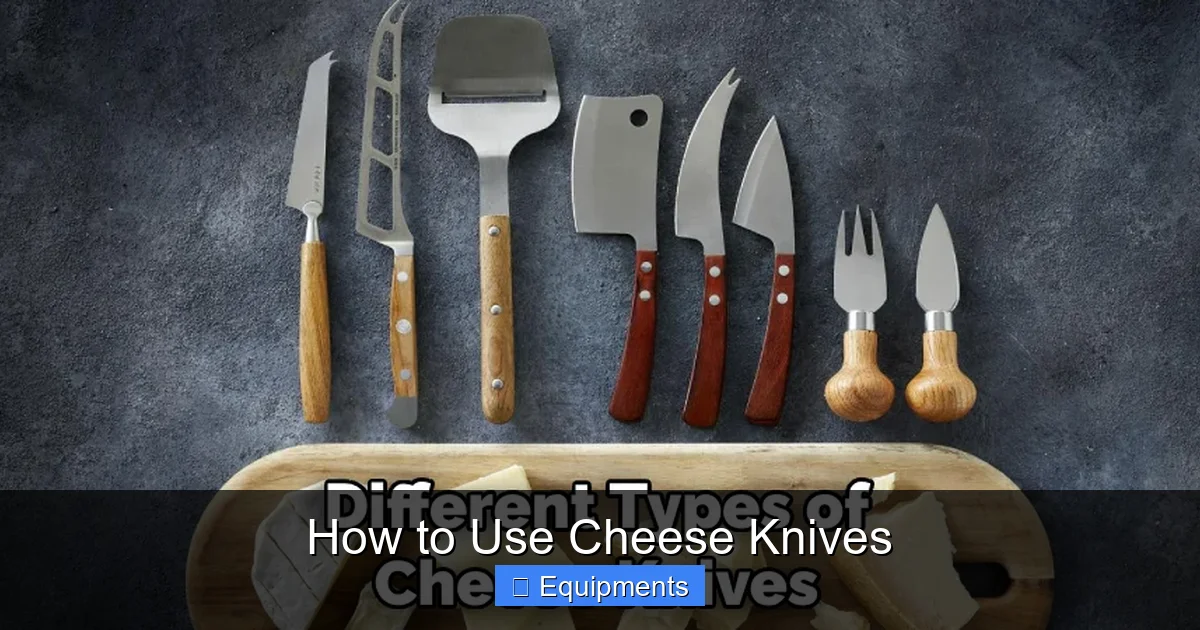
1.1. The Classic Wire Cutter
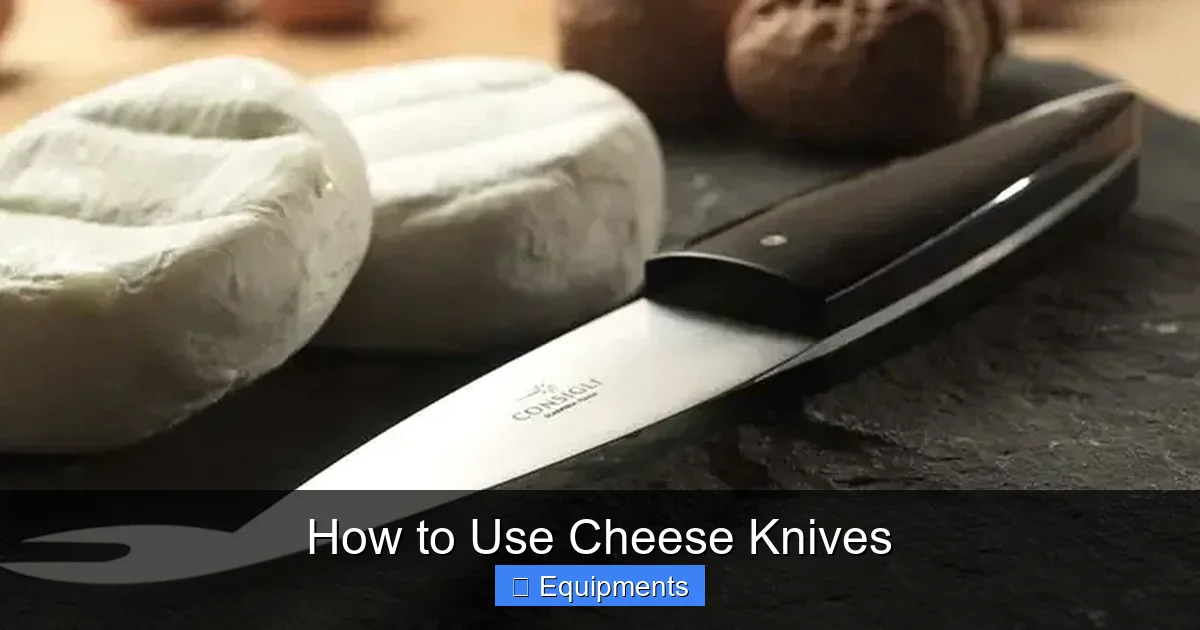
The wire cutter is a thin, stainless‑steel wire stretched between two handles. It’s ideal for soft cheeses like Brie, Camembert, and goat cheese. The wire slides through the cheese without tearing the delicate rind, giving you clean, even pieces.
Visual guide about How to Use Cheese Knives
Image source: media.thatsarte.com
1.2. The Straight Edge Blade
Sharp, straight blades work best with hard cheeses such as Cheddar, Parmesan, and Gouda. A sturdy handle provides leverage, allowing you to apply enough pressure to break through the firm texture.
1.3. The Forked Blade
A forked or “cheese fork” blade has two prongs that hold a slice while you cut. This style shines with semi‑soft cheeses like Havarti or Monterey Jack, where you want a slice that stays together on the board.
1.4. The Cheese Plane
Think of a cheese plane as a tiny wood‑shaving tool. It’s perfect for shaving thin, delicate slices of very hard cheeses—think aged Parmesan or Pecorino Romano. The result is a melt‑in‑your‑mouth sliver that melts quickly on hot dishes.
1.5. Specialty Knives
There are also double‑ended knives (one side for soft, one for hard), cheese spreaders, and even cheese knives with built‑in cleavers for blue cheeses with strong veins. Knowing which one to reach for saves time and keeps the cheese’s texture intact.
2. Selecting the Right Knife for Each Cheese
2.1. Soft Cheeses
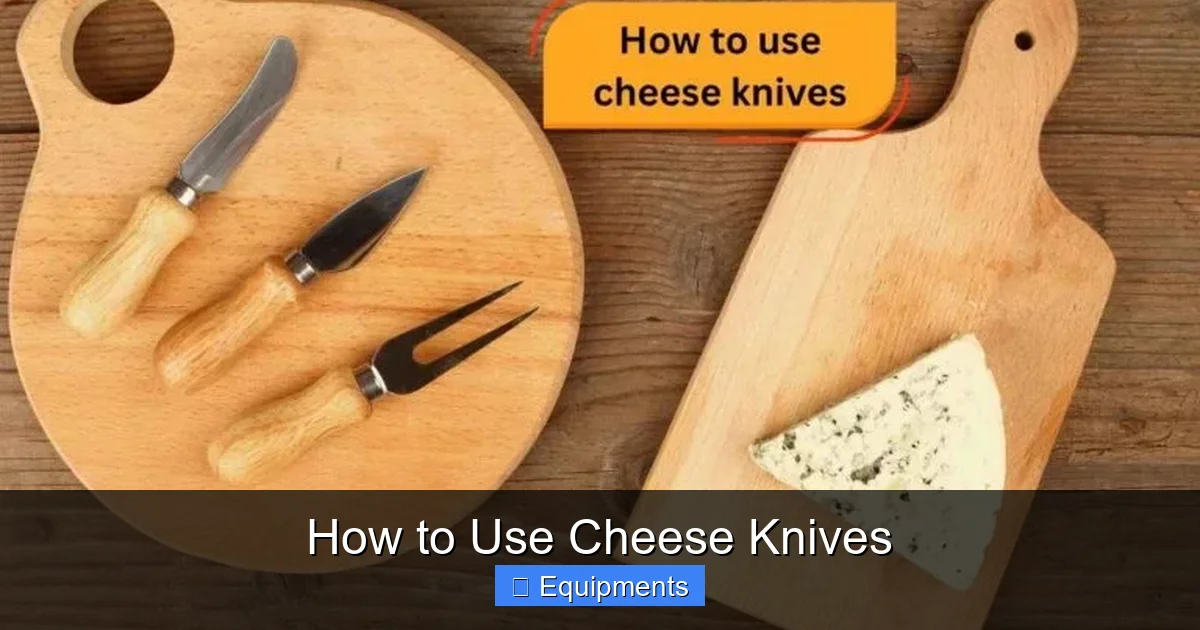
Choose a wire cutter or a small spreader. The wire’s flexibility prevents the creamy interior from sticking to the blade. For example, a 2‑inch wire cutter works wonders on a 4‑inch wheel of Brie.
Visual guide about How to Use Cheese Knives
Image source: slicenserves.com
2.2. Semi‑Soft Cheeses
A forked blade or a short, sharp straight edge is your go‑to. The fork holds the slice, letting you cut clean squares or wedges without the cheese sliding away.
2.3. Hard Cheeses
Use a sturdy straight‑edge knife with a comfortable grip. A 6‑inch blade gives you enough leverage to break through a block of aged Cheddar without crushing it.
2.4. Very Hard Cheeses
Grab a cheese plane or a heavy cleaver. A plane shaves off thin layers, while a cleaver can chunk a chunk of Parmigiano‑Reggiano for grating.
2.5. Blue and Veined Cheeses
These cheeses can be crumbly. A thin, flexible wire cutter or a small, sharp knife lets you slice without crumbling the blue veins.
3. Mastering the Grip and Stance
3.1. The Proper Grip
Hold the handle firmly but relaxed. Your thumb should rest along the spine of the blade for control. For wire cutters, pinch the handles together with your thumb and forefinger, letting the other fingers wrap around for stability.
Visual guide about How to Use Cheese Knives
Image source: thekitchenix.com
3.2. Body Position
Stand with feet shoulder‑width apart. Position the cheese board at waist height. This posture reduces strain and gives you better leverage, especially when cutting hard cheeses.
3.3. Angle of Attack
For most cheeses, aim for a 45‑degree angle between the blade and the board. This angle allows the blade to glide smoothly, reducing the need for excessive force.
4. Step‑by‑Step Cutting Techniques
4.1. Cutting Soft Cheese with a Wire Cutter
- Place the cheese on a chilled board.
- Position the wire over the spot you want to cut.
- Pull the handles apart gently; the wire will slice through without crushing.
- Rotate the cheese and repeat for even wedges.
4.2. Slicing Hard Cheese with a Straight Blade
- Secure the cheese on the board; a damp cloth underneath prevents slipping.
- Place the tip of the knife at the top edge of the cheese.
- Apply steady pressure while pushing forward, using your body weight rather than arm strength.
- Let the blade do the work; if it stalls, lift slightly and resume.
4.3. Shaving Very Hard Cheese with a Plane
- Hold the plane with both hands—one on the handle, the other on the rear grip.
- Position the plane at a slight angle (about 10‑15 degrees).
- Push forward in long, even strokes, letting the blade shave thin sheets.
- Collect the shavings on a plate; they’re perfect for sprinkling over pasta.
4.4. Using a Forked Blade for Semi‑Soft Cheese
- Insert the forked blade into the cheese, holding the fork side down.
- Slide the blade forward while the fork holds the slice.
- Lift the slice gently; the fork prevents it from breaking apart.
- Repeat until you have a uniform stack of slices.
4.5. Tips for Clean Cuts
- Keep the blade sharp—dull knives crush rather than cut.
- Use a chilled board for soft cheeses; cold helps them hold shape.
- Don’t rush; let the blade glide.
- Wipe the blade between cuts to avoid residue buildup.
5. Serving and Presentation Tips
5.1. Temperature Matters
Allow soft cheeses to sit at room temperature for 20‑30 minutes before cutting. This softens the rind and makes slicing easier. Hard cheeses can be served straight from the fridge; they stay firm and hold their shape.
5.2. Size and Shape of Pieces
For a balanced cheese board, aim for bite‑size pieces: 1‑inch cubes for hard cheeses, thin wedges for soft cheeses, and small pats for blue cheeses. Uniform pieces look inviting and make it easier for guests to grab a portion.
5.3. Pairing with Accompaniments
Place crackers, fruit, and nuts close to the cheese but not directly on the same plate. This prevents moisture from the cheese making the crackers soggy. Use separate small bowls for spreads like honey or chutney.
5.4. Using the Right Board
Wooden boards absorb moisture and add a rustic touch, while marble stays cool for soft cheeses. Choose a board that fits the size of your cheese selection; too small forces you to crowd the pieces.
6. Cleaning, Maintaining, and Storing Cheese Knives
6.1. Immediate Cleaning
Rinse the knife with warm water right after use. For wire cutters, pull the wire through a gentle stream to clear any cheese residue. Avoid soaking wooden handles for long periods.
6.2. Deep Cleaning
Occasionally, wash the blades with a mild dish soap and a soft sponge. Dry thoroughly with a lint‑free cloth. For stainless steel, a splash of vinegar removes any lingering odors.
6.3. Sharpening
Hard‑edge knives benefit from a whetstone or a sharpening steel. Hold the blade at a 20‑degree angle and run it across the stone 5‑6 times per side. Wire cutters rarely need sharpening; replace the wire when it shows signs of fraying.
6.4. Storage Solutions
Store knives in a dedicated block, magnetic strip, or a protective sheath. Keep them separate from other utensils to avoid dulling the edges. If you have a wooden block, line it with a soft cloth to protect the handles.
6.5. Longevity Tips
- Never use a cheese knife for cutting meat or vegetables; this dulls the edge.
- Avoid dishwasher cycles—heat and detergent can damage handles.
- Regularly inspect the wire tension; a loose wire can snap.
Conclusion: Slice with Confidence
Now you know exactly how to use cheese knives for every kind of cheese, from the softest Brie to the hardest Parmesan. By matching the right knife to the cheese, holding it correctly, and applying gentle, steady pressure, you’ll create perfect slices every time. Add a few care habits, and your cheese knives will stay sharp and ready for countless gatherings.
Next time you set out a cheese board, remember these simple steps. Your guests will notice the difference, and you’ll enjoy the satisfaction of serving cheese the right way—no crumbs, no mess, just pure, delicious bites.
Frequently Asked Questions
What is the best knife for cutting soft cheese?
A thin wire cutter or a small spreader works best for soft cheeses like Brie or Camembert because it cuts without crushing the delicate rind.
Can I use the same knife for hard and soft cheeses?
You can, but it’s not ideal. Hard cheeses need a sturdy straight‑edge blade, while soft cheeses benefit from a flexible wire. Using the right tool preserves texture and makes cutting easier.
How often should I sharpen my cheese knives?
Sharpen straight‑edge knives when you notice they’re dragging or crushing cheese—usually every few months for regular home use. Wire cutters rarely need sharpening; replace the wire when it frays.
Do I need to chill soft cheeses before cutting?
Yes, chilling soft cheeses for 20‑30 minutes helps them hold shape, making wire cuts cleaner and preventing the cheese from sticking to the blade.
Is it safe to wash cheese knives in the dishwasher?
It’s best to hand‑wash them. Dishwasher heat and detergents can damage wooden handles and dull blades, especially for high‑quality knives.
How should I store cheese knives to keep them sharp?
Store them in a knife block, magnetic strip, or protective sheath, keeping them separate from other utensils. This prevents edge damage and keeps handles in good condition.
Pingback: Velveeta Nacho Cheese Recipe - kitchenandhouseware.com
Pingback: What Type of Cheese Is Traditionally Us - kitchenandhouseware.com
Pingback: Process of Making Cheese Powder - kitchenandhouseware.com
Pingback: How to Pickle Ginger - kitchenandhouseware.com
Pingback: Moldy Cheese - kitchenandhouseware.com