Ever wondered why your wok slides around on the stove? A wok ring locks it in place, giving you steady heat and better results. Follow our friendly guide to master the wok ring and boost your Asian‑style cooking.
Key Takeaways
- Stability matters: A wok ring prevents slipping, giving even heat distribution.
- Correct size: Match the ring diameter to your wok’s bottom for a snug fit.
- Proper placement: Position the ring on a flat burner and center the wok.
- Heat management: Pre‑heat the ring with the wok to avoid thermal shock.
- Safety first: Use heat‑resistant gloves and never leave the ring unattended.
- Cleaning tips: Let the ring cool, then scrub with warm soapy water.
- Versatility: Rings work on gas, electric, and induction stovetops with the right adapter.
📑 Table of Contents
- Introduction: Why a Wok Ring Is a Game Changer
- 1. Choosing the Right Wok Ring for Your Kitchen
- 2. Setting Up Your Wok Ring Correctly
- 3. Cooking Techniques Enhanced by a Wok Ring
- 4. Safety Tips and Common Mistakes to Avoid
- 5. Cleaning, Maintenance, and Storage
- Conclusion: Mastering the Wok Ring for Consistent, Delicious Results
Introduction: Why a Wok Ring Is a Game Changer
If you love stir‑fry, deep‑fried dumplings, or sizzling noodles, you’ve probably noticed one annoying problem: the wok slides around on the burner. That wobble not only makes cooking harder, it can cause spills, uneven heat, and even a burnt bottom. The solution is simple—a wok ring. This little metal (or cast‑iron) circle sits between the wok and the stove, holding the pan steady while letting heat flow evenly.
In this guide we’ll walk you through everything you need to know about using a wok ring. From picking the right size to mastering heat control, you’ll finish each section with practical tips you can try tonight. Think of it as a friendly chat with a seasoned home chef who wants you to succeed.
1. Choosing the Right Wok Ring for Your Kitchen
Material Matters
Wok rings come in three common materials:
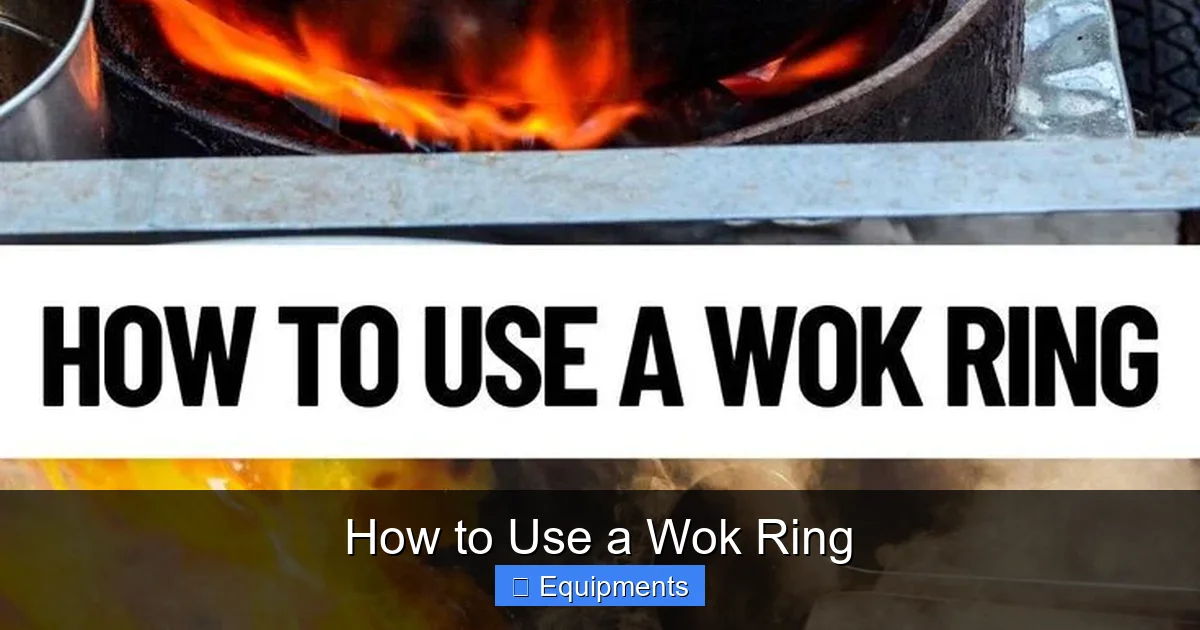
Visual guide about How to Use a Wok Ring
Image source: i.pinimg.com
- Stainless steel: Light, rust‑proof, and easy to clean. Ideal for gas and electric stovetops.
- Cast iron: Heavy, retains heat well, and works great on induction when paired with a magnetic base.
- Aluminum alloy: Lightweight and conducts heat quickly, but may warp with high heat.
Pick the material that matches your stove type and how often you plan to use the wok. For most home cooks, stainless steel offers the best balance of durability and convenience.
Sizing the Ring
The inner diameter of the ring must be slightly smaller than the wok’s bottom so it “grips” without squeezing. Measure the flat part of your wok (the base) and choose a ring that is 1‑2 mm smaller. Many manufacturers list the compatible wok diameters—double‑check before you buy.
Compatibility with Stove Types
– Gas burners: Most rings work straight out of the box.
– Electric coils: Look for a ring with a slightly larger outer diameter to sit securely on the coil.
– Induction: You’ll need a magnetic ring (usually cast iron) or a separate induction adapter.
2. Setting Up Your Wok Ring Correctly
Step‑by‑Step Placement
- Clean the burner: Wipe away food crumbs or spills. A clean surface ensures the ring sits level.
- Place the ring: Center it on the burner, making sure the flat side faces up.
- Set the wok: Gently lower the wok onto the ring. The wok’s rim should rest evenly on the ring’s outer edge.
- Check stability: Give the wok a light shake. It should feel locked in place, not wobble.
Pre‑heating the Ring
Turn the burner to medium heat and let the ring warm for 1‑2 minutes before adding oil. This prevents a sudden temperature jump that could warp a thin‑walled wok.

Visual guide about How to Use a Wok Ring
Image source: metalfixes.com
Adjusting for Different Burner Sizes
If your burner is larger than the ring, you can use a heat‑diffuser under the ring. This spreads the flame evenly and keeps the wok centered.
3. Cooking Techniques Enhanced by a Wok Ring
Stir‑Fry Basics
With the wok stable, you can toss ingredients confidently. Heat the wok until a drop of water sizzles, add a splash of oil, then quickly add your vegetables. The ring’s steady base lets you flip with a flick of the wrist, keeping everything in motion.

Visual guide about How to Use a Wok Ring
Image source: metalfixes.com
Deep Frying
When deep‑frying, the wok often sits on a high flame. The ring distributes heat, reducing hot spots that can cause oil to scorch. Fill the wok no more than halfway with oil, heat to 350 °F (175 °C), and drop in your food. The wok stays level, so the oil circulates evenly.
Simmering Sauces
Even low heat is a blessing when you’re reducing a sauce. The ring prevents the wok from “walking” across the burner as the flame lowers, giving you a consistent simmer.
Practical Example: Quick Chicken Chow Mein
- Pre‑heat ring + wok on medium‑high for 2 minutes.
- Add 1 tbsp sesame oil, then 200 g sliced chicken. Cook 3 minutes.
- Push chicken to the side, add noodles, veggies, and sauce.
- Stir continuously for 5 minutes until everything is glossy.
Because the wok doesn’t shift, each bite gets the same flavor and texture.
4. Safety Tips and Common Mistakes to Avoid
Never Use a Damaged Ring
Cracks or rust can cause the wok to slip. Inspect the ring before each use and replace it if you see wear.
Avoid Direct Flame Contact
While the ring is metal, prolonged direct contact with an open flame can discolor it. Keep the flame centered under the ring, not licking the sides.
Use Heat‑Resistant Gloves
When moving a hot wok, the ring can become extremely hot. Gloves protect your hands and keep the wok from slipping.
Don’t Overload the Wok
Overcrowding can cause the wok to tilt, even with a ring. Cook in batches if needed.
Cool‑Down Procedure
Turn off the burner and let the ring and wok cool naturally. Sudden water contact can warp both pieces.
5. Cleaning, Maintenance, and Storage
Routine Cleaning
After cooking, allow the ring to cool completely. Wash with warm, soapy water and a non‑abrasive sponge. Rinse thoroughly and dry with a cloth to prevent rust.
Deep Cleaning for Stubborn Grease
Soak the ring in a solution of equal parts vinegar and water for 30 minutes. Scrub with a brush, rinse, and dry.
Seasoning Cast‑Iron Rings
If you own a cast‑iron ring, give it a light coat of oil after each wash and heat it on low for a few minutes. This builds a protective patina.
Storage Tips
Store the ring in a dry drawer or hang it on a wall hook. Keep it away from moisture to avoid rust.
Conclusion: Mastering the Wok Ring for Consistent, Delicious Results
Using a wok ring may seem like a small detail, but it changes the entire cooking experience. Stability, even heat, and safety combine to let you focus on flavor rather than wobble. By choosing the right ring, setting it up properly, and following our safety and cleaning tips, you’ll unlock the full potential of your wok. So next time you fire up the stove, remember the humble ring—it’s the secret behind that perfect, restaurant‑style stir‑fry.
Frequently Asked Questions
Can I use a wok ring on an induction stove?
Yes, but the ring must be magnetic (usually cast iron). Some brands sell an induction‑compatible adapter that works with stainless steel rings.
Do I need a wok ring for a non‑stick wok?
A non‑stick wok is often lighter and may not need a ring, but using one still helps prevent slipping and protects the coating from direct flame.
How do I know if the wok ring is the right size?
Measure the flat bottom of your wok. The ring’s inner diameter should be 1‑2 mm smaller so it grips without squeezing.
Is it safe to leave the wok ring on the burner overnight?
No. Metal left on a hot burner can cause fire hazards. Always remove the ring after the wok cools.
Can I use the wok ring for other cookware?
Yes, the ring works with any round, flat‑bottomed pan that fits its diameter, such as a sauté pan or a small Dutch oven.
What’s the best way to prevent rust on a cast‑iron wok ring?
After washing, dry it completely, apply a thin layer of cooking oil, and heat it on low for a few minutes to create a protective coating.