Got a dull or sticky Greenpan? You’re not alone. This guide walks you through easy, budget‑friendly methods to clean, re‑season, and revive your Greenpan so it cooks like new again. Follow the step‑by‑step tips and keep your pan performing for years.
Key Takeaways
- Gentle cleaning is key: Use non‑abrasive tools and mild detergents to avoid damaging the ceramic coating.
- Re‑seasoning restores non‑stick: A thin layer of oil heated properly can bring back the pan’s slick surface.
- Avoid common mistakes: No metal utensils, high heat, or harsh cleaners that can scar the surface.
- Regular maintenance prolongs life: Simple after‑cooking care keeps the Greenpan looking and cooking like new.
- DIY solutions work: Baking soda, vinegar, and lemon are safe, effective restorers.
- Know when to replace: Deep scratches or flaking mean it’s time for a new pan.
- Safe cooking practices: Use medium heat and pre‑heat briefly to protect the coating.
📑 Table of Contents
- Introduction: Why Restoring Your Greenpan Matters
- 1. Understanding Greenpan’s Ceramic Non‑Stick Technology
- 2. Daily Care: The First Line of Defense
- 3. Deep Cleaning Techniques: When the Surface Looks Dull
- 4. Re‑Seasoning Your Greenpan: The Secret to Restored Non‑Stick
- 5. Common Mistakes to Avoid (What Not to Do)
- 6. When Restoration Isn’t Enough: Knowing When to Replace
- Conclusion: Keep Your Greenpan Glowing for Years
Introduction: Why Restoring Your Greenpan Matters
If you own a Greenpan, you already love its ceramic‑non‑stick surface, even heat distribution, and eco‑friendly reputation. Over time, however, even the best pans can lose their shine. Food may start sticking, the surface can look dull, and you might wonder, how do I restore my Greenpan? The good news is that with a few simple steps you can bring back the slick, buttery glide you remember.
Restoring isn’t about a magic miracle; it’s about treating the pan with the right care, using safe household items, and avoiding habits that wear down the coating. In this article we’ll cover everything from daily cleaning to deep restoration, seasoning tricks, and the warning signs that it’s time to say goodbye.
1. Understanding Greenpan’s Ceramic Non‑Stick Technology
What makes Greenpan different?
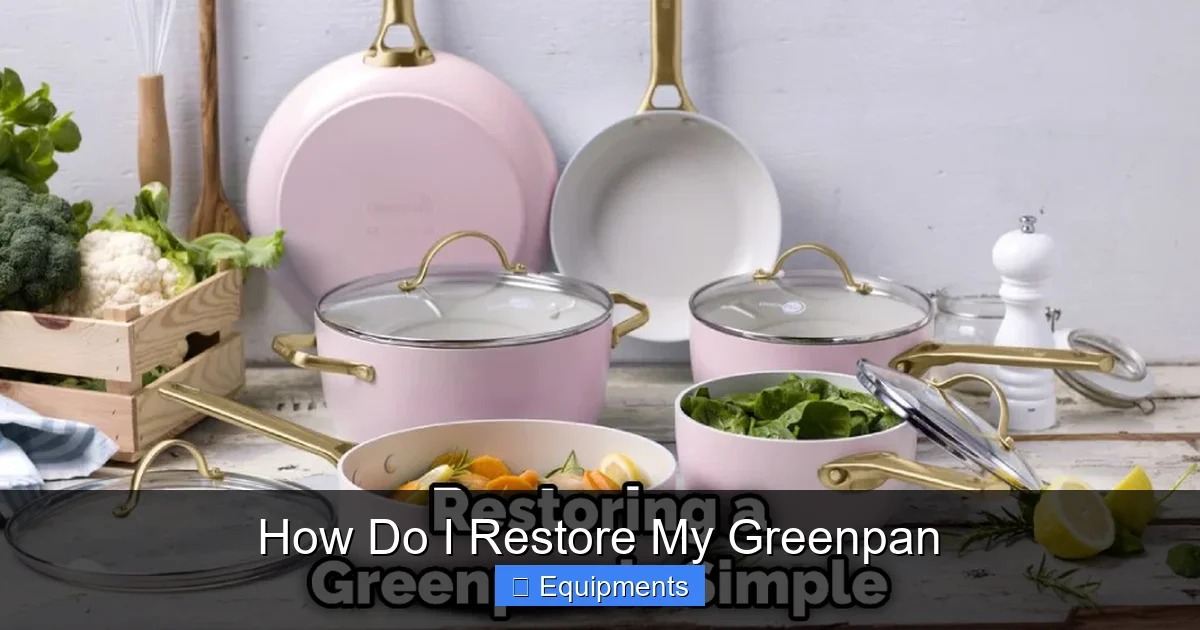
Greenpan uses a mineral‑based ceramic coating called Thermolon. Unlike traditional PTFE (Teflon) coatings, Thermolon is free of PFOA and PFAS, making it a healthier choice. The coating is derived from sand and is applied in a high‑temperature process that creates a hard, glass‑like surface.
Visual guide about How Do I Restore My Greenpan
Image source: cdn.mos.cms.futurecdn.net
How the coating ages
Even though ceramic is tough, it can become porous with repeated high‑heat exposure, abrasive cleaning, or metal utensils. When pores form, oil can seep in, causing a sticky feel. Knowing this helps you target the right restoration method.
2. Daily Care: The First Line of Defense
Cleaning after each use
The easiest way to keep your Greenpan in top shape is to clean it right after cooking. Follow these steps:
Visual guide about How Do I Restore My Greenpan
Image source: thekitchenix.com
- Let the pan cool to warm (no longer than 5 minutes).
- Fill with warm water and a few drops of mild dish soap.
- Use a soft sponge or silicone scrubber. Avoid steel wool.
- Rinse thoroughly and dry with a soft cloth.
This routine prevents food residue from baking onto the surface, which is the most common cause of stickiness.
Choosing the right utensils
Stick to silicone, wood, or heat‑resistant plastic tools. Metal spatulas can scratch the ceramic, creating micro‑scratches that trap oil and cause sticking.
Avoiding high heat
Greenpan performs best at medium or low heat. Pre‑heat for 1–2 minutes on medium, then add a small amount of oil. High heat (> 500°F) can degrade the coating faster.
3. Deep Cleaning Techniques: When the Surface Looks Dull
Method A: Baking Soda Paste
This is the go‑to DIY solution for mild discoloration and stuck‑on bits.
Visual guide about How Do I Restore My Greenpan
Image source: thekitchenix.com
- Mix 2 tablespoons of baking soda with enough water to form a thick paste.
- Spread the paste over the stained area.
- Let it sit for 15–20 minutes.
- Gently scrub with a soft sponge in a circular motion.
- Rinse well and dry.
The mild abrasive lifts residue without harming the ceramic.
Method B: Vinegar and Water Boil
Great for removing stubborn mineral buildup.
- Fill the pan with equal parts water and white vinegar.
- Bring to a gentle boil for 5 minutes.
- Remove from heat, let cool, then discard the liquid.
- Wash with mild soap and a soft sponge.
- Rinse and dry.
The acidity breaks down mineral deposits, leaving a brighter surface.
Method C: Lemon Power
Lemon’s natural acid works like vinegar but adds a fresh scent.
- Cut a lemon in half.
- Rub the cut side over the interior of the pan.
- Let the juice sit for 10 minutes.
- Wipe with a damp cloth and rinse.
This method also helps eliminate lingering odors.
When to use a commercial ceramic cleaner
If DIY methods don’t work, look for a non‑abrasive ceramic cleaner labeled safe for Thermolon. Follow the manufacturer’s instructions, and always rinse thoroughly.
4. Re‑Seasoning Your Greenpan: The Secret to Restored Non‑Stick
Why seasoning matters
Even though Greenpan’s ceramic coating is naturally non‑stick, a thin layer of polymerized oil can fill microscopic pores, creating a smoother cooking surface. This process is called “seasoning.”
Step‑by‑step seasoning guide
- Clean the pan: Use one of the deep‑clean methods above and dry completely.
- Choose the right oil: Use a high‑smoke‑point oil like grapeseed, avocado, or refined coconut oil.
- Apply a thin coat: Pour a teaspoon of oil onto the surface. Use a paper towel to spread it evenly, ensuring a film that’s barely visible.
- Heat gently: Place the pan on medium heat for 2–3 minutes until the oil starts to shimmer but not smoke.
- Cool and wipe: Remove from heat, let cool, then wipe off any excess oil with a clean paper towel.
- Repeat (optional): For a stronger layer, repeat the oil‑apply and heat step once more.
After seasoning, you’ll notice food slides more easily, and the pan will have a subtle sheen.
Seasoning tips for different cooking styles
- Stir‑fries: Use a spray bottle to mist oil evenly before heating.
- Eggs and pancakes: Add a few drops of butter after the pan is hot; butter’s milk solids help create a smooth surface.
- Roasting: For oven use, apply oil before pre‑heating the oven to 350°F, then bake the pan empty for 15 minutes.
5. Common Mistakes to Avoid (What Not to Do)
Using metal scrubbers
Steel wool, abrasive pads, and harsh scouring powders can micro‑scratch the ceramic, creating permanent stick points.
Cooking on high flame
Excessive heat not only damages the coating but can also warp the pan’s base, leading to uneven heating.
Skipping the dry step
Leaving water inside the pan before heating can cause steam pockets that degrade the coating over time.
Storing with other cookware
Stacking pans without protective layers can cause the surfaces to rub together. Use a soft cloth or pan protectors.
Using aerosol cooking sprays
Many sprays contain additives that leave a residue. Opt for a light drizzle of oil instead.
6. When Restoration Isn’t Enough: Knowing When to Replace
Signs of irreversible damage
- Deep scratches that are visible even after cleaning.
- Flaking or peeling of the ceramic coating.
- Persistent sticking despite multiple seasoning attempts.
- Warped base that rocks on a flat surface.
If you notice any of these, it’s safer to replace the pan. Continuing to use a damaged Greenpan can lead to uneven cooking and potential health concerns.
Choosing a replacement
When shopping for a new Greenpan, consider the size, handle comfort, and whether you want a newer Thermolon generation (Thermolon 2.0 offers improved durability). Look for a warranty that covers coating defects.
Conclusion: Keep Your Greenpan Glowing for Years
Restoring a Greenpan is simple when you understand the science behind the ceramic coating and follow a consistent care routine. From daily gentle cleaning to occasional deep cleaning, seasoning, and avoiding high‑heat pitfalls, you can answer the question how do I restore my Greenpan with confidence. Treat the pan like a culinary partner, and it will reward you with even cooking and effortless food release for many meals to come.
Frequently Asked Questions
Can I use a dishwasher for my Greenpan?
It’s best to hand‑wash. Dishwashers use high temperatures and harsh detergents that can wear down the ceramic coating faster.
Is seasoning necessary for every Greenpan?
Seasoning isn’t required, but it helps fill microscopic pores and extends the non‑stick performance, especially after a deep clean.
What oil is best for seasoning?
Use a high‑smoke‑point oil such as grapeseed, avocado, or refined coconut oil. These oils polymerize well without leaving a sticky residue.
How often should I deep clean my Greenpan?
Whenever the surface looks dull or food starts to stick—typically every few weeks with regular use, or sooner if you notice buildup.
Will using metal utensils ruin my Greenpan?
Yes. Metal utensils can scratch the ceramic coating, creating permanent stick points. Stick to silicone, wood, or plastic tools.
My Greenpan is warped. Can I fix it?
Warping is usually caused by overheating and cannot be repaired. It’s safest to replace the pan to ensure even cooking.