Discover the simple steps to master a propane stove, from ignition to cleanup, with safety first. Our guide covers everything you need—fuel handling, temperature control, and handy cooking ideas—so you can enjoy reliable heat wherever you are.
Key Takeaways
- Understanding How To Use A Propane Stove: Provides essential knowledge
📑 Table of Contents
- Introduction: Why a Propane Stove Is a Must‑Have
- 1. Getting Started: Unpacking and Setting Up Your Propane Stove
- 2. Ignition: Lighting Your Propane Stove Safely
- 3. Controlling Heat: Mastering Temperature on a Propane Stove
- 4. Cooking on a Propane Stove: Practical Tips and Recipes
- 5. Maintenance: Keeping Your Propane Stove in Top Shape
- 6. Safety Checklist: Before, During, and After Use
- Conclusion: Enjoy the Freedom of a Propane Stove
Introduction: Why a Propane Stove Is a Must‑Have
Whether you are a weekend camper, a backyard grill master, or someone who loves a quick, reliable heat source in the kitchen, a propane stove can be your best friend. It’s lightweight, portable, and delivers instant heat with just a twist of a knob. But, like any tool that deals with fire, it demands respect and a clear understanding of how to use it safely.
In this guide, we walk you through every step of using a propane stove—from unboxing the first tank to cleaning the burners after the last meal. We keep the language friendly, the sentences short, and the advice practical, so you feel confident whether you’re cooking a simple boiled egg or a full‑fledged stir‑fry under the stars.
1. Getting Started: Unpacking and Setting Up Your Propane Stove
1.1. Check the Package
When you first open the box, make sure all parts are present: the stove body, burner(s), regulator, hose, and the user manual. Look for any visible damage—cracks, dents, or missing pieces. If something is off, contact the seller before you attempt to use the stove.
Visual guide about How to Use a Propane Stove
Image source: propaneva.com
1.2. Choose the Right Location
Place the stove on a flat, stable surface. Indoor use requires a well‑ventilated area, away from curtains, paper, or any flammable material. Outdoor use should be on a fire‑proof mat or a sturdy tabletop that won’t tip over in wind.
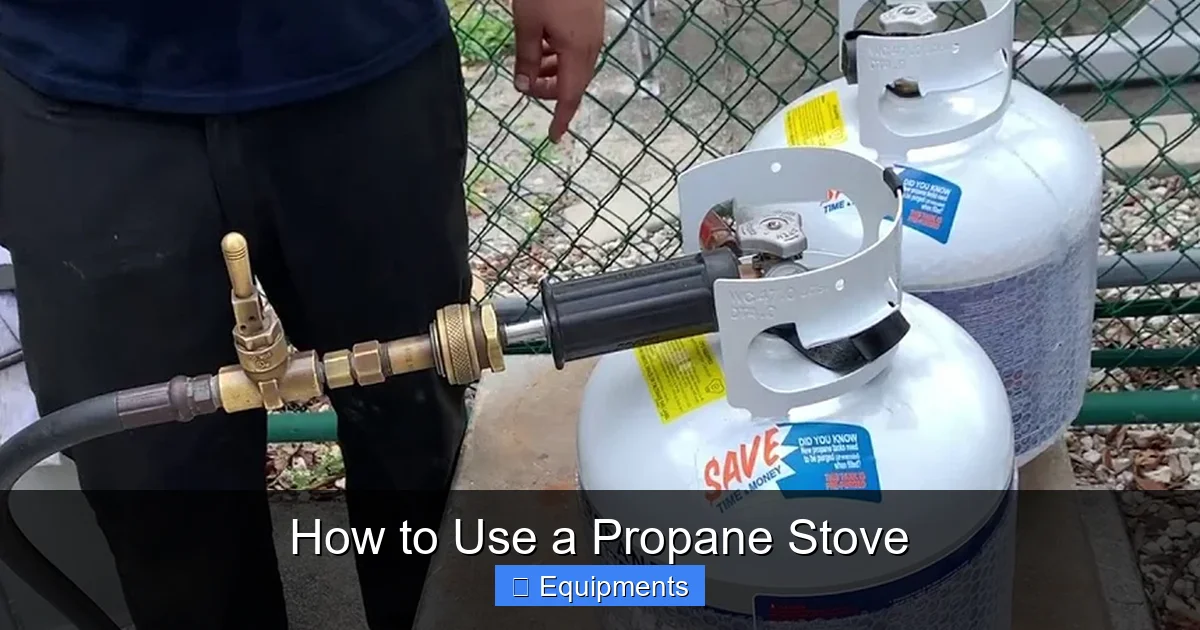
1.3. Connect the Regulator and Hose
Most propane stoves come with a built‑in regulator, but some portable models need a separate one. Follow these steps:
- Turn the propane tank valve clockwise to close it.
- Attach the hose to the tank’s valve, ensuring a snug fit.
- Secure the regulator onto the hose if it’s not pre‑installed.
- Open the tank valve slowly; you should hear a faint hissing sound as gas flows.
1.4. Perform a Leak Test
Safety starts with a leak check. Mix a solution of one part dish soap and one part water. Brush it over the connections. If you see bubbles, tighten the fitting and test again. No bubbles mean you’re good to go.
2. Ignition: Lighting Your Propane Stove Safely
2.1. Manual vs. Piezo Ignition
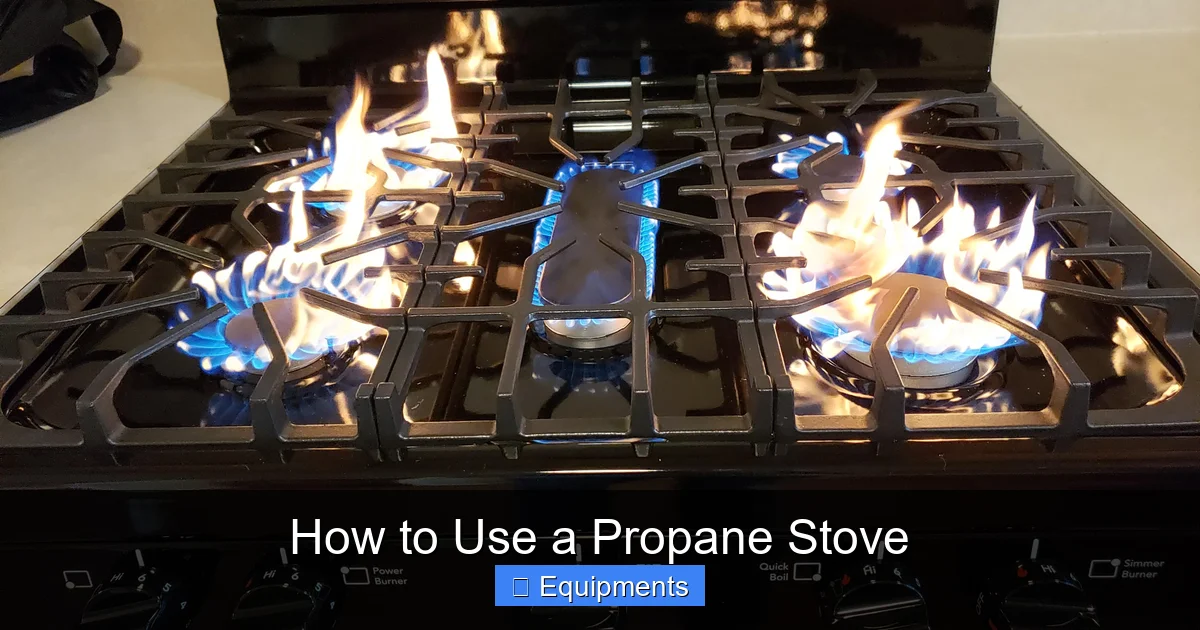
Many stoves have a built‑in piezo igniter—just push the button and a spark lights the flame. If yours is manual, you’ll need a long‑handled lighter or match. Always keep your hands away from the burner while igniting.
Visual guide about How to Use a Propane Stove
Image source: i.redd.it
2.2. Step‑by‑Step Ignition Process
- Turn the burner knob to the “low” position.
- Press the igniter or light the match near the burner’s edge.
- Once the flame appears, slowly increase the knob to the desired heat level.
- Listen for any irregular sounds; a steady whoosh means proper gas flow.
2.3. What to Do If the Flame Won’t Stay Lit
If the flame flickers or goes out, turn the knob off, wait a few seconds, and try again. Persistent issues may signal a clogged burner or a weak regulator—clean the burner ports and re‑check the hose connections.
3. Controlling Heat: Mastering Temperature on a Propane Stove
3.1. Understanding Burner Settings
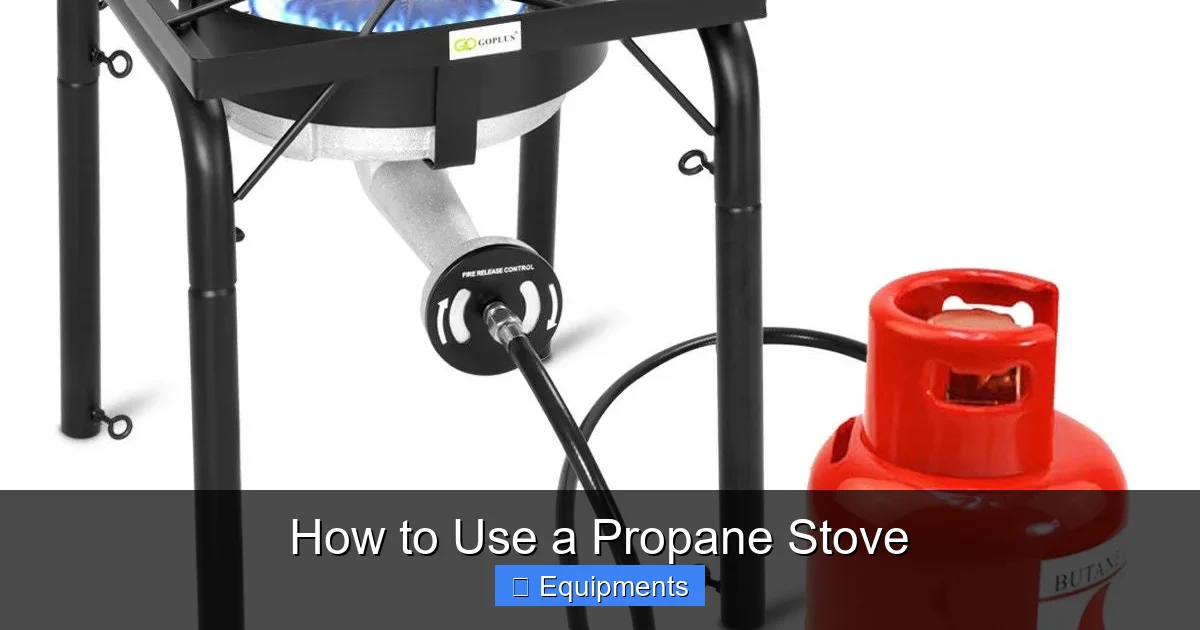
Most stoves have low, medium, and high settings. Low is ideal for simmering sauces, medium for pan‑frying, and high for boiling water quickly. Adjust the knob gradually; sudden jumps can cause flare‑ups.
Visual guide about How to Use a Propane Stove
Image source: expocafeperu.com
3.2. Using a Wind Shield
Outdoor wind can sabotage your flame. A simple wind shield—made from metal or a heat‑resistant fabric—helps maintain a steady temperature and reduces fuel consumption.
3.3. Temperature Hacks for Precise Cooking
- Use a thermometer to gauge water temperature for coffee or tea.
- Place a small metal spoon on the burner; when it starts to sizzle, you’re at medium heat.
- For a gentle simmer, keep the flame just enough to produce a few bubbles per minute.
4. Cooking on a Propane Stove: Practical Tips and Recipes
4.1. Choose the Right Cookware
Flat‑bottomed pans distribute heat evenly. Cast iron retains heat well for searing, while stainless steel heats quickly for stir‑frying. Avoid warped pots—they’ll cause uneven cooking.
4.2. Quick Breakfast Idea: One‑Pan Scrambled Eggs
1. Heat a non‑stick skillet on medium.
2. Add a teaspoon of oil.
3. Pour beaten eggs, stir gently.
4. Remove from heat when just set—residual heat finishes cooking.
4.3. Outdoor Dinner: Simple Chili
1. Brown ground beef on high heat.
2. Add diced onions, garlic, and bell peppers; sauté 3‑4 minutes.
3. Stir in canned tomatoes, beans, chili powder, and simmer on low for 20 minutes.
4. Serve with shredded cheese and cornbread.
4.4. Cleaning Up While Cooking
Keep a small bowl of water and a sponge nearby. Wipe splatters as they happen to avoid burnt residue that’s hard to remove later.
5. Maintenance: Keeping Your Propane Stove in Top Shape
5.1. Regular Cleaning Routine
After each use, let the stove cool, then wipe the burners with a soft cloth. For stubborn grime, soak a brush in warm, soapy water and scrub the burner ports gently.
5.2. Inspecting Hoses and Connections
Every few months, check the hose for cracks or wear. Replace any damaged parts immediately. A worn hose is a major fire hazard.
5.3. Storing the Propane Tank
Store tanks upright in a cool, dry place, away from direct sunlight. Never store a full tank inside a garage or cabin—ventilation is key.
5.4. When to Replace the Regulator
If you notice inconsistent flame height or a “popping” sound, the regulator may be failing. Most manufacturers recommend replacing it every 2–3 years.
6. Safety Checklist: Before, During, and After Use
6.1. Pre‑Use Checklist
- Check for leaks with soap solution.
- Ensure the area is well‑ventilated.
- Have a fire extinguisher or a bucket of sand nearby.
- Confirm the tank valve is fully open.
6.2. While Cooking
- Never leave the stove unattended.
- Keep flammable items (paper, cloth) away from the flame.
- Adjust flame size gradually.
- Use oven mitts when handling hot cookware.
6.3. Post‑Cooking Steps
- Turn off all burner knobs.
- Close the propane tank valve.
- Disconnect the hose if storing for a long period.
- Clean the stove surface and store it in a dry place.
Conclusion: Enjoy the Freedom of a Propane Stove
Learning how to use a propane stove opens up a world of cooking possibilities—whether you’re on a campsite, a balcony, or a small kitchen. By following the safety steps, mastering ignition, and maintaining your equipment, you’ll get reliable heat and tasty meals every time. Remember, the key is respect for the flame and regular care of your gear. Now, light that burner, add a pinch of curiosity, and let the delicious adventures begin!
Frequently Asked Questions
Is it safe to use a propane stove indoors?
Yes, if the area is well‑ventilated and you use a stove designed for indoor use. Always keep a window open and never operate it in a confined space.
How often should I check my propane tank for leaks?
Check for leaks each time you connect a new tank and whenever you notice a hissing sound. A quick soap‑water test takes just a minute.
Can I use any type of cookware on a propane stove?
Flat‑bottomed, heat‑conductive cookware works best. Avoid warped pans, as they cause uneven heating and can damage the burner.
What should I do if the flame goes out while cooking?
Turn the burner knob off, wait a few seconds, then try to relight. If it repeatedly goes out, clean the burner ports and inspect the hose for blockages.
How do I properly store an empty propane tank?
Store it upright in a cool, dry place away from direct sunlight. Many local recycling centers accept empty tanks for safe disposal.
Do I need a special regulator for different stove models?
Most stoves come with a compatible regulator, but if you replace it, choose one that matches the stove’s BTU rating and the tank’s pressure specifications.
