Got a loose or broken microwave door handle? You don’t need to replace the whole unit. This guide walks you through diagnosing the problem, gathering tools, and fixing the handle yourself—saving time and money. Follow the easy steps and get your microwave door working like new again.
Key Takeaways
- Understanding How To Fix Microwave Door Handle: Provides essential knowledge
📑 Table of Contents
- Introduction: Why a Microwave Door Handle Matters
- 1. Understanding the Door Handle Assembly
- 2. Safety First: Preparing Your Workspace
- 3. Diagnosing the Problem
- 4. Fixing a Loose or Stripped Screw
- 5. Replacing a Broken Latch Mechanism
- 6. Replacing a Cracked or Broken Handle Grip
- 7. Preventive Maintenance: Keeping the Handle Healthy
- Conclusion: You’ve Got This!
Introduction: Why a Microwave Door Handle Matters
We all rely on the microwave to heat leftovers, defrost meals, and even pop popcorn. The door handle is the unsung hero that lets us open and close the cavity safely. When that handle becomes wobbly, sticks, or breaks, the whole cooking experience turns frustrating. Worse, a faulty door can affect the seal, leading to uneven heating or, in rare cases, safety hazards.
Good news: most door‑handle issues are simple mechanical problems that you can fix at home. You don’t need a costly service call or a brand‑new microwave. With a few tools, a bit of patience, and the right instructions, you’ll have that handle clicking back into place in no time.
1. Understanding the Door Handle Assembly
What’s Inside the Handle?
The typical microwave door handle consists of three main parts:
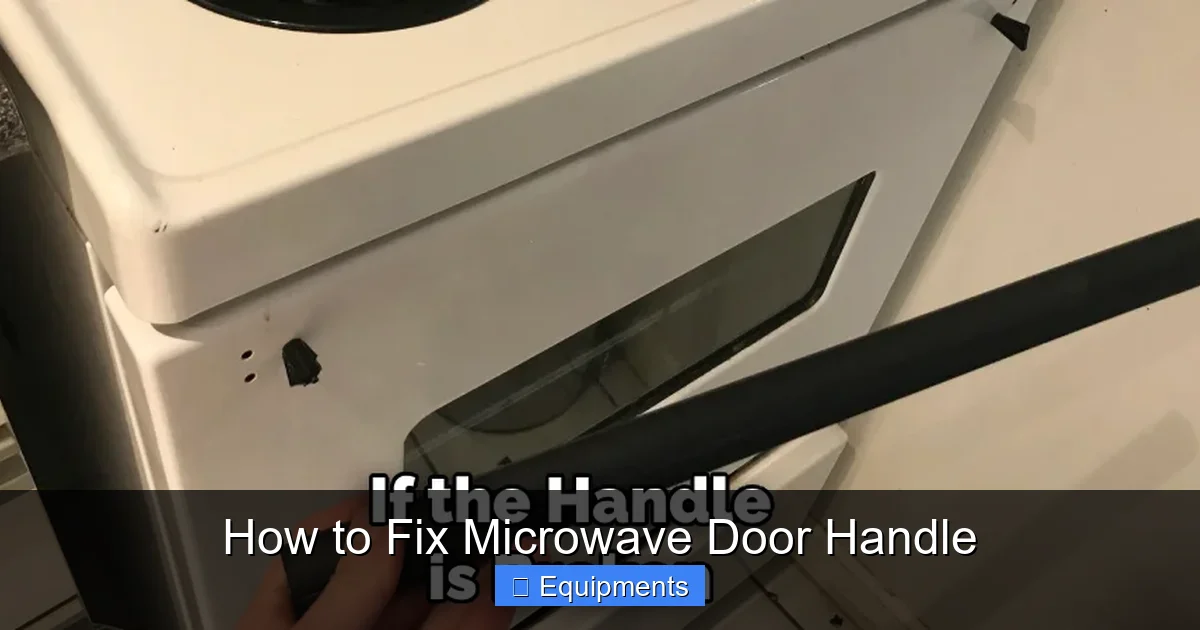
Visual guide about How to Fix Microwave Door Handle
Image source: thekitchenix.com
- Handle grip: The plastic or metal piece you pull.
- Latch mechanism: The internal spring‑loaded part that holds the door closed.
- Mounting screws: Usually two or three screws that attach the handle to the door frame.
Some models also include a rubber gasket that helps seal the door. Knowing these components helps you pinpoint which part needs attention.
Common Failure Points
Here are the usual suspects when a handle stops working:
- Loose or stripped screws: The handle wobbles or falls off.
- Broken latch spring: The door won’t stay shut.
- Cracked plastic grip: The handle feels weak or breaks when pulled.
- Damaged door hinge: The door misaligns, making the handle hard to use.
2. Safety First: Preparing Your Workspace
Unplug and Discharge
Before you touch any part of the microwave, unplug it from the wall outlet. Even when unplugged, microwaves store a high‑voltage charge in a capacitor that can give a nasty shock. To discharge:
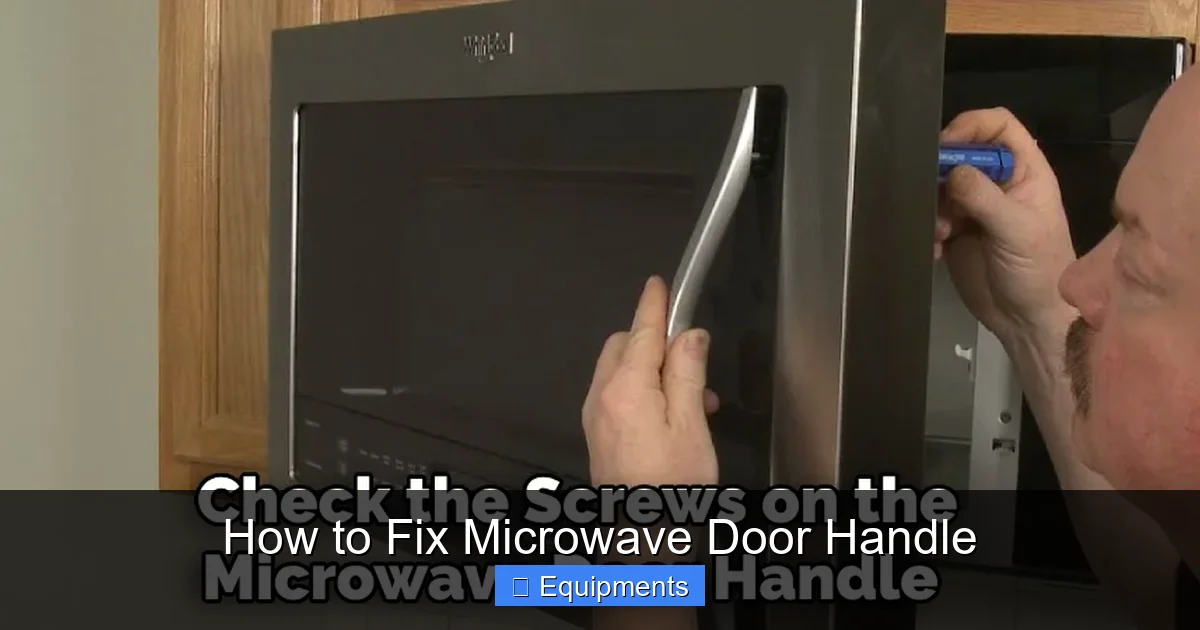
Visual guide about How to Fix Microwave Door Handle
Image source: thekitchenix.com
- Leave the microwave unplugged for at least five minutes.
- Press the “Stop/Cancel” button for a few seconds to release any residual power.
- If you feel comfortable, use a insulated screwdriver to short the capacitor terminals (only if you have the proper knowledge).
If you’re unsure, skip the capacitor step and move straight to unplugging—most door‑handle repairs won’t require capacitor access.
Gather Your Tools
Having everything at hand makes the process smoother. You’ll need:
- Phillips and flat‑head screwdrivers (size #2 works for most models)
- Pliers or needle‑nose pliers
- Replacement screws or latch (available at appliance parts stores)
- A small flashlight
- Cleaning cloth and mild detergent
3. Diagnosing the Problem
Step‑by‑Step Check
Follow this quick checklist to figure out what’s wrong:
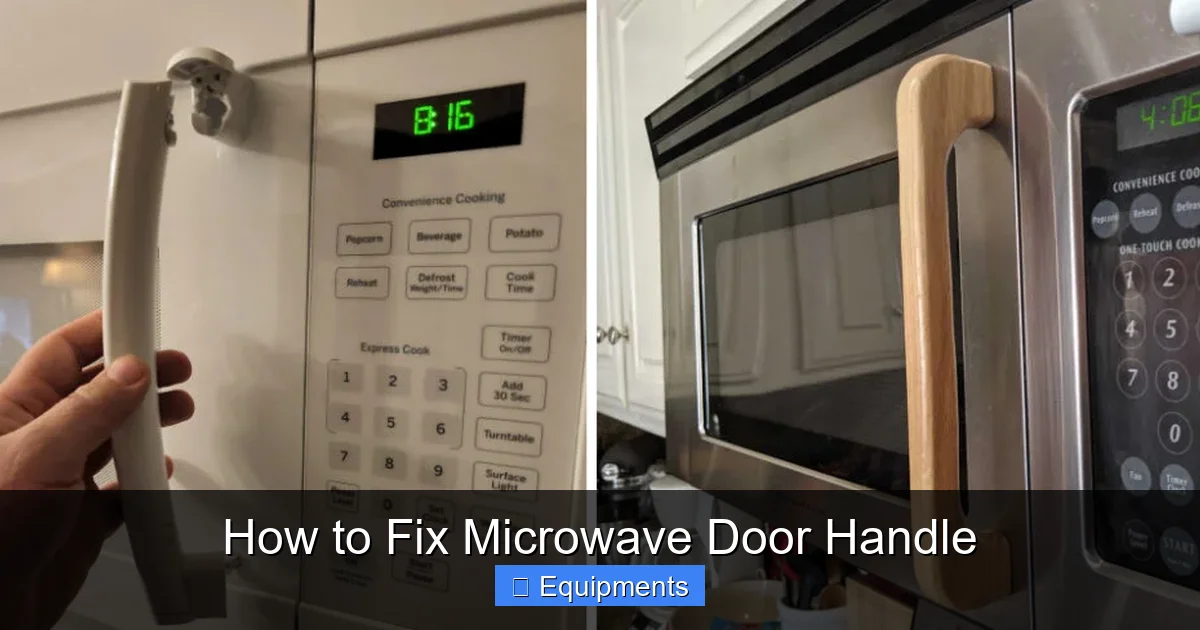
Visual guide about How to Fix Microwave Door Handle
Image source: thekitchenix.com
- Inspect the handle grip: Look for cracks, splits, or missing pieces.
- Test the latch: Close the door and try to open it without using the handle. If it stays shut, the latch is likely fine.
- Check the screws: Use a flashlight to see if any mounting screws are loose or stripped.
- Feel the door alignment: Open the door fully; the door should sit flush with the microwave body.
Write down what you observe. This will guide you to the correct repair method.
When to Replace vs. Repair
If the handle grip is cracked, replace the entire handle assembly. If the latch spring is broken, you can often buy a universal replacement latch. Loose screws usually just need tightening or new screws.
4. Fixing a Loose or Stripped Screw
Removing the Old Screw
Use the appropriate screwdriver and turn counter‑clockwise. If the head is stripped, try a rubber band for extra grip or use a small flat‑head screwdriver to turn the screw.
Installing a New Screw
Insert the new screw into the mounting hole and turn clockwise until snug. Avoid over‑tightening; the screw should be firm but not crushing the plastic.
Re‑checking the Handle
Gently pull the handle. It should feel solid with no wobble. If it still moves, the mounting hole may be stripped. In that case, you can:
- Use a slightly larger screw.
- Insert a toothpick or wooden dowel into the hole, then screw back in (acts as a filler).
- Apply a small amount of epoxy for a permanent fix (let cure 24 hours).
5. Replacing a Broken Latch Mechanism
Locating the Latch
The latch is usually hidden behind the handle grip. Once you remove the handle (see Section 4), you’ll see a small metal bar with a spring.
Removing the Old Latch
- Use pliers to gently pull the latch out of its slot.
- Take note of the orientation; a quick photo helps when installing the new part.
Installing the New Latch
Slide the new latch into the slot, making sure the spring sits correctly. Push until you hear a click, indicating the latch is seated.
Testing the Door Seal
Close the door slowly. The latch should engage and hold the door shut. Try opening the door by pulling the handle; it should release smoothly.
6. Replacing a Cracked or Broken Handle Grip
Finding a Compatible Replacement
Check the model number (usually on the back or inside the door) and search online for “microwave door handle your model”. Many manufacturers sell OEM parts; universal handles also work if they match the screw pattern.
Removing the Old Grip
- Unscrew the mounting screws (refer to Section 4).
- Gently pull the grip away from the door. If it’s stuck, use a plastic pry tool to avoid damaging the door surface.
Installing the New Grip
Line up the new grip with the mounting holes, insert the screws, and tighten. Ensure the grip sits flush and the latch aligns correctly.
7. Preventive Maintenance: Keeping the Handle Healthy
Regular Cleaning
Wipe the handle with a damp cloth and mild dish soap once a month. Avoid abrasive cleaners that can weaken the plastic.
Quarterly Checks
Every three months, give the screws a gentle tighten and test the latch. Early detection of looseness prevents bigger repairs.
Avoid Over‑Force
Never yank the door open with excessive force. Use the handle gently; the latch is designed to hold the door securely without extra pressure.
Conclusion: You’ve Got This!
Fixing a microwave door handle is one of those household repairs that feels intimidating until you break it down into simple steps. By unplugging the unit, diagnosing the exact problem, and following the appropriate fix—whether tightening screws, swapping a latch, or installing a new handle—you’ll restore full functionality without spending a fortune.
Remember to keep safety at the forefront, maintain the handle regularly, and replace worn parts promptly. A well‑functioning door handle not only makes daily use smoother but also keeps your microwave sealed properly, ensuring even cooking and energy efficiency. So roll up your sleeves, grab a screwdriver, and enjoy the satisfaction of a job well done!
Frequently Asked Questions
Why does my microwave door handle feel loose?
The most common cause is stripped or loosened mounting screws. Over time, vibration from regular use can loosen them, causing wobble.
Can I use any screwdriver to tighten the handle screws?
It’s best to use the correct size (usually #2 Phillips). Using the wrong size can strip the screw head and make the problem worse.
Do I need to replace the entire door if the latch is broken?
No. In most cases you can replace just the latch mechanism. Look for a part that matches your microwave’s model number.
Is it safe to operate the microwave after fixing the handle?
Yes, as long as the door closes securely and the latch engages properly. Perform a quick test by heating a cup of water for 30 seconds; the door should stay shut.
What if the door seal is also damaged?
A damaged seal can cause heat loss and uneven cooking. If the seal is cracked or torn, replace the gasket or consult a professional, as it may involve more extensive work.
Where can I buy replacement microwave door handles?
Replacement handles are available from the microwave’s manufacturer website, appliance parts stores, and major online retailers like Amazon. Have your model number handy to ensure a proper fit.