Got a rusty Blackstone griddle? Don’t panic. This guide shows you how to strip away rust, season the surface, and protect it from future damage—all with simple tools and household items. Follow the easy steps and bring your griddle back to showroom shine.
Key Takeaways
- Assess the rust: Identify surface rust versus deep pitting before you start.
- Use the right tools: A metal scraper, fine‑grade steel wool, and a non‑abrasive pad do the trick.
- Natural cleaners work: White vinegar, baking soda, and lemon juice safely dissolve rust without harming the steel.
- Season properly: A thin, even coat of high‑smoke‑point oil creates a protective layer.
- Maintain weekly: Light cleaning after each use prevents rust from reappearing.
- Store wisely: Keep the griddle covered and in a dry place to avoid moisture buildup.
- Know when to replace: Severe pitting may require a new cooking surface.
📑 Table of Contents
- Introduction: Why a Rusty Blackstone Griddle Deserves Your Attention
- 1. Assessing the Condition of Your Griddle
- 2. Gathering the Right Tools and Supplies
- 3. Removing the Rust
- 4. Restoring the Seasoning Layer
- 5. Preventing Future Rust
- 6. When to Consider a Replacement
- Conclusion: Your Rust‑Free Griddle Is Just a Few Steps Away
Introduction: Why a Rusty Blackstone Griddle Deserves Your Attention
Blackstone griddles are beloved for their massive cooking surface, even heat distribution, and the ability to sear everything from breakfast pancakes to juicy steaks. But like any steel cookware, they are prone to rust if they sit wet, are stored improperly, or are neglected after a long cooking session.
Rust isn’t just an eyesore; it can flake off into food, affect flavor, and, over time, eat through the metal. The good news? A rusted Blackstone griddle can be revived with a few household items and a little elbow grease. This article walks you through every step—from assessing the damage to seasoning the surface—so you can enjoy a pristine, non‑stick cooking area again.
1. Assessing the Condition of Your Griddle
Spot‑check for surface rust vs. deep pitting
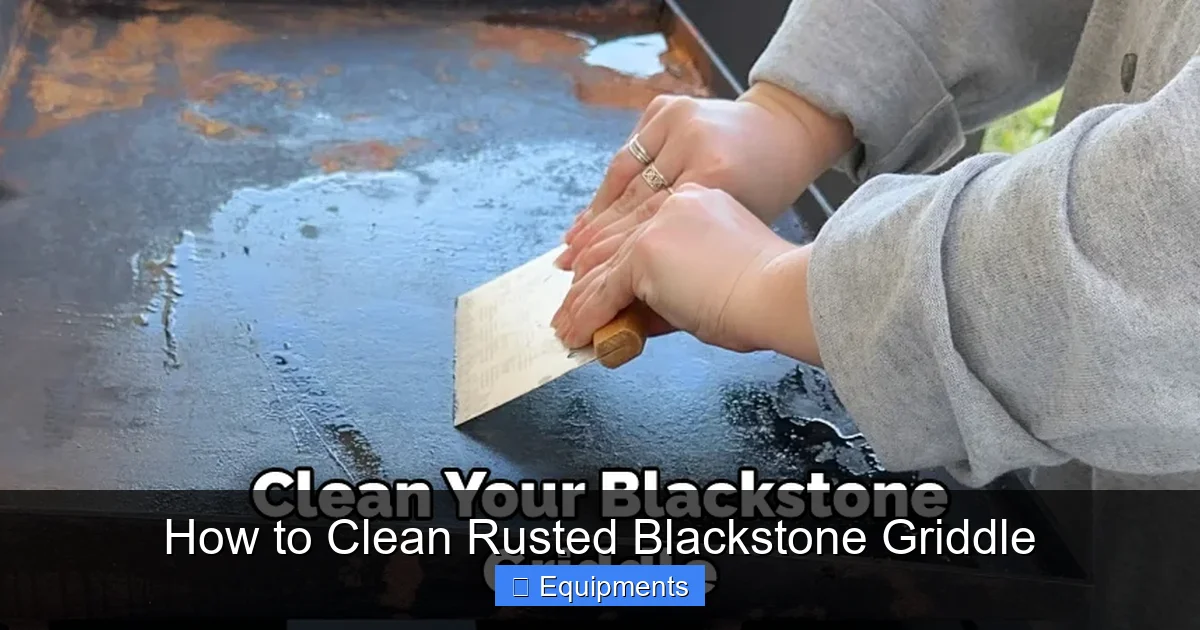
Before you grab a scrubber, take a close look at the griddle while it’s cool. Light orange specks that can be wiped away with a damp cloth are surface rust and are easy to treat. Dark brown or black spots that feel rough to the touch may indicate deeper corrosion.
Visual guide about How to Clean Rusted Blackstone Griddle
Image source: thekitchenix.com
Test with water
Sprinkle a few drops of water on the affected area. If the water beads and rolls off, the seasoning layer is still intact. If the water spreads and darkens the rust, you’ll need a more thorough cleaning.
Decide if you need a full strip or a spot treatment
- Spot treatment: Use for isolated rust patches.
- Full strip: Recommended when rust covers more than 30% of the surface or when the seasoning is completely gone.
2. Gathering the Right Tools and Supplies
Essential tools
- Metal scraper or putty knife (plastic can tear the steel)
- Fine‑grade steel wool (grade #000 or #0000)
- Non‑abrasive scrub pad (e.g., green Scotch‑Brite)
- Heat‑proof gloves
- Sturdy work surface or a large tray
Cleaning agents
- White distilled vinegar (5% acidity)
- Baking soda
- Lemon juice (optional for extra acidity)
- High‑smoke‑point oil (flaxseed, grapeseed, or canola)
- Mild dish soap (for final rinse only)
Why these choices?
Vinegar and lemon juice dissolve iron oxide without scratching the steel. Baking soda neutralizes the acid after treatment, preventing any lingering corrosion. Steel wool removes rust but is soft enough not to gouge the metal when used gently.
Visual guide about How to Clean Rusted Blackstone Griddle
Image source: thekitchenix.com
3. Removing the Rust
Step 1 – Heat the griddle slightly
Turn the burners on low and let the surface warm for 5‑7 minutes. Warm metal expands slightly, making rust easier to lift. Do not overheat; you only need a gentle warmth, not a smoking hot surface.
Visual guide about How to Clean Rusted Blackstone Griddle
Image source: thekitchenix.com
Step 2 – Scrape away loose flakes
Using the metal scraper, push away any flaky rust. Work in the direction of the grain (if you can see it) to avoid creating deep scratches.
Step 3 – Apply vinegar solution
Mix equal parts white vinegar and water in a spray bottle. Generously spray the rusted area and let it sit for 10‑15 minutes. The acid will break down the iron oxide.
Step 4 – Scrub with steel wool
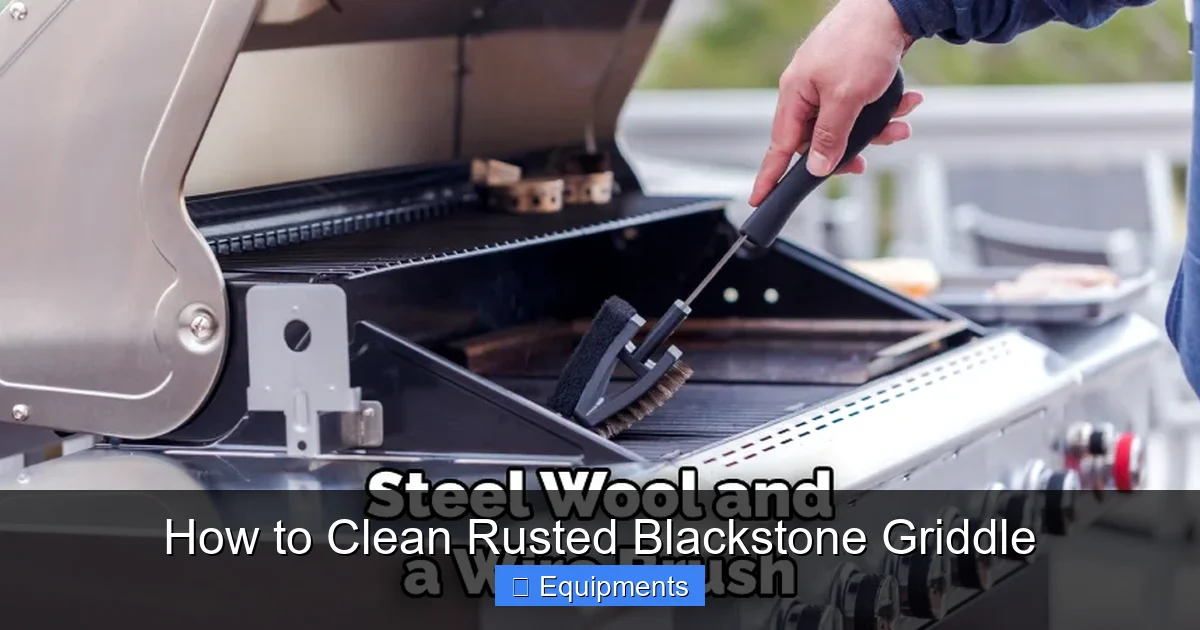
Put on heat‑proof gloves, dip the steel wool in the vinegar mixture, and rub the rust in circular motions. You’ll see the rust turn dark brown and lift away.
Step 5 – Rinse and neutralize
Wipe the surface with a damp cloth to remove vinegar residue. Then sprinkle baking soda over the area; it will fizz, neutralizing any remaining acid. Wipe again with a clean, damp cloth.
Step 6 – Dry thoroughly
After cleaning, use a dry towel or paper towels to remove all moisture. You can also place the griddle on low heat for a few minutes to evaporate any hidden water.
4. Restoring the Seasoning Layer
Why seasoning matters
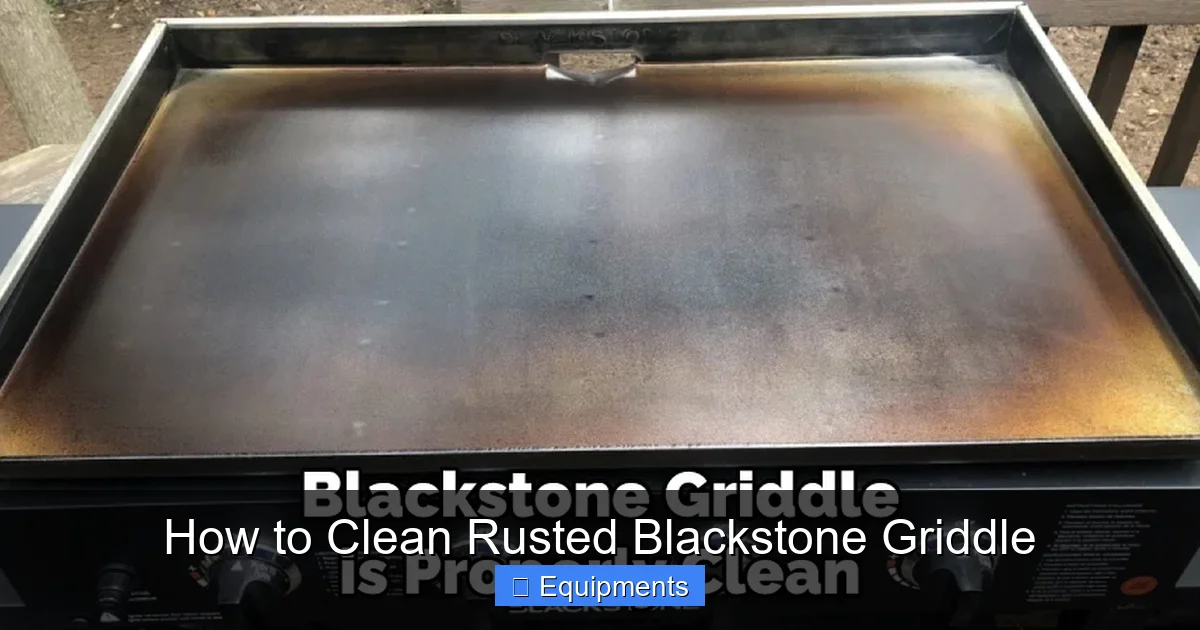
Seasoning is a polymerized layer of oil that protects the steel from moisture and creates a natural non‑stick surface. Without it, the griddle is vulnerable to rust and food sticking.
Choosing the right oil
Flaxseed oil is often recommended because it has a low smoke point and creates a hard, durable coating when heated repeatedly. However, grapeseed or canola oil work well and are more readily available.
Step‑by‑step seasoning process
- Preheat the griddle: Set burners to medium‑high and let the surface heat until it just starts to smoke.
- Apply a thin coat of oil: Using a paper towel, spread a very thin layer of oil over the entire cooking surface. Too much oil will pool and create sticky spots.
- Heat until it smokes: Keep the burners on medium‑high. The oil will begin to smoke and then turn a light amber color. This indicates polymerization.
- Cool and repeat: Turn off the heat and let the griddle cool completely. Repeat the oil‑apply‑heat cycle 3‑5 times for a solid seasoning layer.
Tips for a flawless finish
- Always wipe excess oil away before heating; a thin film is key.
- Ventilate the area—seasoning creates smoke.
- If the surface looks uneven after the first round, repeat the process until it’s uniformly dark gray.
5. Preventing Future Rust
Weekly maintenance routine
After each cooking session, scrape off food particles while the griddle is still warm. Then wipe with a paper towel dipped in a little oil. This thin oil coat keeps moisture at bay.
Deep cleaning schedule
Every 2‑3 months, perform a light deep clean: heat the griddle, spray a small amount of vinegar, scrub gently, rinse, dry, and re‑season with a thin oil layer.
Storage best practices
- Cover the griddle with a fitted, breathable cover (avoid plastic that traps moisture).
- Store in a dry garage or pantry; never leave it outdoors.
- If you must store it outdoors, place a thin sheet of silicone mat underneath to prevent ground moisture from wicking up.
What to do during rainy or humid seasons
Increase the frequency of oiling. A quick wipe with oil after each use is enough to protect the surface during high humidity.
6. When to Consider a Replacement
Signs of irreparable damage
If you notice deep pits that expose the base metal, or if rust reappears within days despite proper seasoning, the griddle’s integrity may be compromised. In such cases, continuing to cook on a damaged surface can affect food safety.
Cost‑effective alternatives
Before buying a brand‑new Blackstone, check if the manufacturer offers replacement cooking plates. These plates are often cheaper than a full unit and can be swapped out in under an hour.
Disposal tips
Recycle the old steel plate if possible. Many metal recyclers accept steel griddles, and some manufacturers have take‑back programs.
Conclusion: Your Rust‑Free Griddle Is Just a Few Steps Away
Cleaning a rusted Blackstone griddle may sound daunting, but with the right tools, a bit of patience, and the step‑by‑step method outlined above, you can restore it to its original glory. Remember: the key is regular maintenance—scrape, oil, and store properly. By following these practices, you’ll enjoy countless meals on a rust‑free surface and keep your griddle performing like new for years to come.
Frequently Asked Questions
How long does it take to fully season a Blackstone griddle?
Typically 3‑5 heating cycles, each lasting about 10‑15 minutes, are enough to build a solid seasoning layer.
Can I use a wire brush instead of steel wool?
A wire brush is too aggressive and can gouge the steel. Fine‑grade steel wool or a non‑abrasive pad is safer and just as effective.
Is it safe to use chemical rust removers on a griddle?
Most chemical removers contain harsh acids that can leave residues. Stick to natural solutions like vinegar and lemon juice for food‑safe cleaning.
Do I need to season the griddle after every cleaning?
Yes, any time you strip the surface down to bare metal you should re‑season. Light weekly cleaning only requires a thin oil wipe.
What temperature should I avoid when cleaning?
Never clean a hot griddle with water; it can cause steam burns and warp the steel. Let it cool to a warm, comfortable temperature before scrubbing.
Can I use a dishwasher to clean the griddle?
No. The high humidity and harsh detergents will accelerate rust. Hand cleaning with the methods described is the only safe approach.
