Storing tomato paste in the freezer is a simple, game-changing technique for any cook. It dramatically extends its shelf life from days to months, prevents food waste, and ensures you always have this flavor booster ready. By using proper portioning and airtight packaging, you can maintain its quality and texture. Follow our step-by-step methods to freeze tomato paste like a pro and elevate your cooking with minimal effort.
You open a can of tomato paste to make a rich Sunday gravy or a vibrant Shakshuka, only to be left with a tablespoon or two in the can. That little bit of concentrated tomato gold is too precious to toss, but how do you save it? Stashing the open can in the fridge isn’t ideal; it dries out, develops a weird skin, and spoils within days. This is where knowing how to store tomato paste in the freezer becomes an indispensable kitchen skill. Freezing is the ultimate solution for preserving its tangy, sweet flavor and vibrant color, turning a common leftover into a powerful, ready-to-use pantry staple. This comprehensive guide will walk you through every method, tip, and trick to master freezing tomato paste, ensuring zero waste and maximum flavor impact in your future cooking.
Key Takeaways
- Freezing drastically extends usability: Properly frozen tomato paste lasts 3-6 months, compared to just 5-7 days in the refrigerator after opening.
- Portion control is essential: Freeze in recipe-sized amounts (like 1-2 tablespoons) using ice cube trays, silicone molds, or small containers to avoid thawing more than needed.
- Airtight packaging prevents freezer burn: Use heavy-duty freezer bags, vacuum-seal bags, or rigid airtight containers, removing as much air as possible before sealing.
- Label everything clearly: Always note the contents and date of freezing on the package with a permanent marker to avoid mystery items.
- Thaw safely in the refrigerator: For best texture and safety, transfer frozen tomato paste to the fridge 12-24 hours before needed. It can also be used directly from frozen in hot dishes.
- Texture may change slightly: Frozen and thawed tomato paste can be a bit more watery or separated; a good stir or brief simmer will re-integrate it perfectly for cooking.
- It’s perfect for quick flavor: Having frozen tomato paste on hand makes adding rich, umami depth to sauces, soups, stews, and dressings incredibly convenient.
📑 Table of Contents
Why You Should Freeze Tomato Paste
Before diving into the “how,” let’s establish the “why.” Tomato paste is a culinary powerhouse. It’s made by cooking tomatoes for hours to remove water, then straining out seeds and skins, resulting in a thick, deeply flavored concentrate. A small spoonful can transform a dish, adding body, acidity, and a foundational tomato taste that fresh tomatoes alone can’t provide. However, its concentrated nature means it has a very short fresh life once the seal is broken.
The Problem with Refrigerating Opened Tomato Paste
Storing the opened can or tube in the refrigerator is a temporary fix at best. The exposed paste is susceptible to oxidation and mold. It quickly forms a dry, hardened skin on top and can develop off-flavors. Even if you press plastic wrap directly onto the surface, you’ll only buy yourself 5-7 days. For a home cook who doesn’t use tomato paste daily, this leads to inevitable waste and repeated purchases.
The Benefits of Freezing: Flavor, Economy, and Convenience
Freezing essentially hits the pause button on spoilage. The cold temperatures halt bacterial and mold growth. When you store tomato paste in the freezer correctly, you lock in that just-opened flavor and color for months. This has three major benefits:
- Eliminates Food Waste: Never throw away another spoonful. You can use every last bit of that can.
- Saves Money: Buying full cans or tubes is almost always cheaper than single-serve packets. Freezing allows you to use the larger, more economical format without waste.
- Boosts Convenience: Imagine having perfectly portioned tomato paste ready to toss into a weeknight pasta sauce, a chili, or a salad dressing without even having to open a can. It streamlines your cooking process immensely.
Essential Tools and Preparation for Freezing
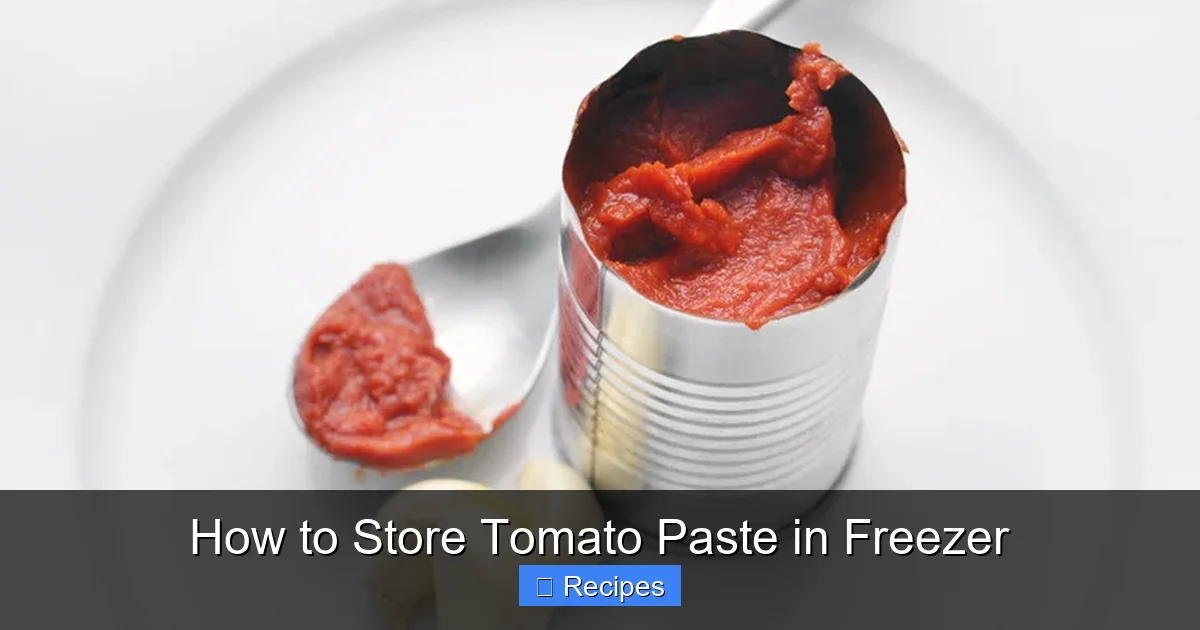
Success in freezing tomato paste hinges on two things: proper portioning and airtight packaging. The goal is to create individual, usable units that are protected from freezer burn—that dreaded dry, leathery texture caused by air exposure. You likely have everything you need already in your kitchen.
Visual guide about How to Store Tomato Paste in Freezer
Image source: thetakeout.com
Portioning Tools: Your Best Friends
The first step is deciding how much tomato paste you typically use in a recipe. For most home cooks, that’s between 1 tablespoon (for a dressing or sauté) and 6 tablespoons (for a large pot of soup or sauce). Here are the best tools for creating these portions:
- Standard Ice Cube Tray: The classic method. Most cubes hold about 1-2 tablespoons. This is the perfect “small boost” size for vinaigrettes, pan sauces, or adding to a single serving of soup.
- Silicone Ice Cube Trays or Mini Muffin Tins: These are superior to rigid plastic trays. The flexible silicone allows you to pop out frozen cubes or “pucks” with zero effort. Mini muffin tins create larger, ¼-cup portions ideal for standard sauce recipes.
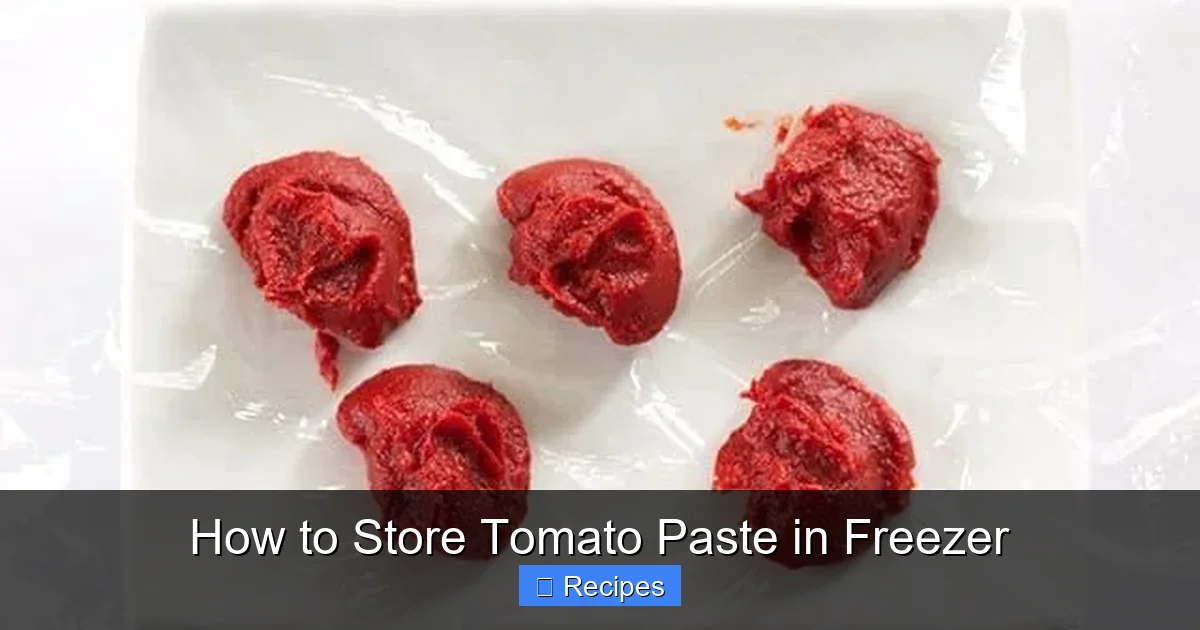
- Measuring Spoons and Parchment Paper: For ultimate precision, you can dollop measured amounts onto a parchment-lined baking sheet, freeze, then bag.
Packaging Materials: Shielding from the Cold
Once your paste is portioned and frozen solid, it needs a permanent, airtight home. Do not skip the step of transferring from the tray to a bag or container; the tray itself is not airtight for long-term storage.
- Heavy-Duty Freezer Bags (Zip-Top):strong>: The most common and effective solution. Use bags specifically labeled “freezer” as they are thicker and more resistant to punctures and freezer burn. The “press-and-seal” style often provides a better airtight seal than standard zip-top.
- Vacuum Sealer Bags: If you own a vacuum sealer, this is the gold standard. Removing virtually all air gives the longest possible shelf life and best protection against freezer burn.
- Rigid Airtight Plastic Containers: Small containers (like 4-oz. or 8-oz. sizes) work well. Ensure they are labeled “freezer-safe” as some plastics can become brittle. Leave a tiny bit of headspace for expansion.
- Parchment or Wax Paper: A simple layer between stacked cubes in a bag can prevent them from fusing together into one giant block.
Pro Tip: Always have a permanent marker on hand. You will label every single bag or container with “Tomato Paste” and the date. Trust us, you will forget what that red block is in two months.
Step-by-Step Methods to Freeze Tomato Paste
Now for the hands-on part. We’ll cover three primary methods, from the simplest to the most precise. All start with the same first step: opening your can or tube and giving the paste a good stir to homogenize it.

Visual guide about How to Store Tomato Paste in Freezer
Image source: chefsknowhow.com
Method 1: The Ice Cube Tray Method (Best for Small Portions)
This is the go-to method for most people. It’s fast, requires minimal tools, and creates perfect little flavor bombs.
- Prepare the Tray: For extra ease, give your ice cube tray a quick spray with a neutral oil (like canola or avocado) or rub a tiny bit of oil on a paper towel and coat the cubes. This isn’t always necessary with silicone, but it guarantees a non-stick surface.
- Fill: Using a spoon or small measuring cup, fill each cube compartment with tomato paste. Don’t overfill; leave about 1/8-inch headspace. For neatness, you can spoon it into a small zip-top bag, snip a tiny corner, and pipe it in.
- Freeze: Place the tray flat in the freezer. Let it freeze completely, at least 4-6 hours or overnight. You want the paste to be rock-solid.
- Remove and Bag: Once frozen, pop out the cubes. Work quickly so they don’t begin to thaw. Immediately place all the cubes into a labeled, heavy-duty freezer bag. Squeeze out as much air as possible before sealing.
- Store: Place the bag in the deepest part of your freezer, away from the door, for consistent temperature.
Method 2: The Freezer-Safe Container Method (Best for Larger, Specific Portions)
If you know you always use, say, 6 tablespoons (the standard “can” amount) for your signature spaghetti sauce, pre-portion it this way.
- Measure: Scoop the exact amount you need for your most common recipe (e.g., 2 oz. or ¼ cup) into a small, freezer-safe glass or plastic container.
- Surface Protection (Crucial!): To prevent a skin from forming and to combat freezer burn, press a small square of parchment or wax paper directly onto the surface of the tomato paste. This creates a protective barrier.
- Seal: Cover the container tightly with its lid. If using a bag, place the container inside the bag for an extra layer of protection.
- Freeze: Label with contents and date. Freeze flat if using a bag, or just place the container in the freezer.
Method 3: The Flat Freezer Bag Method (Best for Ultimate Space Saving)
This method is efficient for freezer organization and works well if you plan to break off pieces as needed.
- Line a Tray: Line a small baking sheet or tray with parchment paper.
- Spread: Dollop or spread the tomato paste in a thin, even layer (about ½-inch thick) onto the parchment. You can make one large sheet or several smaller rectangles.
- Pre-Freeze: Place the tray in the freezer just until the paste is firm enough to handle but not rock-hard (1-2 hours). This makes the next step clean.
- Fold and Bag: Lift the parchment paper and fold or break the frozen tomato paste sheet into portions that match your common use (e.g., 2-inch squares). Quickly transfer these pieces into a labeled freezer bag, removing air.
- Store: The bag will lie flat, saving significant freezer space. To use, you can often break off a piece right from the frozen bag.
Thawing and Using Frozen Tomato Paste
You’ve done the work, your freezer is stocked with little red treasures. Now, how do you bring them back to life? The good news is, you often don’t need to do a full thaw.
Visual guide about How to Store Tomato Paste in Freezer
Image source: arenafood.co
Best Practice: Thawing in the Refrigerator
For the best texture and safest handling, plan ahead. Transfer the desired number of cubes or container from the freezer to the refrigerator 12-24 hours before you need it. This slow, gentle thawing minimizes liquid separation. Once thawed, give it a good stir. You might notice a bit of watery liquid on top—simply stir it back in or pour it off if your recipe requires a thicker paste.
The No-Thaw Direct-to-Pot Method
This is the major convenience win. For any recipe that involves simmering or cooking—like a pasta sauce, soup, chili, or braise—you can toss the frozen tomato paste cube directly into the pot. The heat will melt and integrate it perfectly within minutes. There is zero texture degradation in this scenario because it’s going straight into a hot, wet environment. This is why freezing in small cubes is so brilliant for everyday cooking.
Fixing Separation and Texture
It’s common for frozen tomato paste to release a little water upon thawing due to ice crystals disrupting its structure. This is not a flaw. Simply:
- Stir Vigorously: For cold applications like a salad dressing or a salsa, whisk the thawed paste with the other acidic/oily ingredients, and it will emulsify beautifully.
- Simmer: For hot applications, as mentioned, just add it to the pot. If you’re using it as a base for a sauce and need to sauté it first, add it to the pan and let it cook for 1-2 minutes to evaporate the excess moisture before adding other liquids.
Remember: The flavor is preserved. The minor textural change is easily corrected with a little heat or mixing.
Shelf Life, Safety, and Quality
Knowing how long your frozen tomato paste will last and how to identify spoilage is key to safe and delicious cooking.
How Long Does It Last in the Freezer?
When properly packaged to prevent freezer burn, tomato paste maintains excellent quality for 3 to 6 months. The “best by” window is for peak flavor and texture. It will remain safe to eat indefinitely as long as it stays frozen, but after 6 months, you may notice a gradual decline in flavor intensity and a higher chance of that watery separation upon thawing. Always use the date on your label as your guide.
Signs of Freezer Burn vs. Spoilage
This is an important distinction. Freezer burn is a quality issue, not a safety one. It appears as dry, discolored (grayish-brown), leathery patches on the surface. Affected areas will have a bland, unpleasant texture but are not harmful. You can often cut away lightly burned sections. Spoilage due to thawing and refreezing or long-term temperature abuse is different. If your frozen tomato paste has:
- An off smell (sour, funky) after thawing.
- Visible mold (fuzzy spots of green, white, black).
- A slimy or excessively watery texture that doesn’t improve with stirring.
…then it should be discarded. If it smells and looks like tomato paste after thawing, it’s fine.
The Cardinal Rule: Do Not Refreeze Thawed Paste
Once you have thawed tomato paste, treat it like a fresh, opened can. Use it within 3-5 days in the refrigerator. Do not refreeze it. The cycle of freezing, thawing, and refreezing causes severe texture breakdown and increases the risk of bacterial growth, compromising both quality and safety.
Creative Ways to Use Your Frozen Tomato Paste
Having a freezer full of ready-to-go tomato paste will revolutionize your cooking. Here’s some inspiration beyond the obvious pasta sauce.
Instant Flavor Boosters
- Pan Sauces & Deglazing: After searing chicken, steak, or pork, toss a frozen cube into the hot pan with a splash of wine or broth. It will melt instantly, creating a beautiful, flavorful base for a quick sauce.
- Soup & Stew Starter: Add a cube or two to almost any soup—minestrone, vegetable, lentil, or beef stew—as you sauté the aromatics. It builds a deeper, more complex flavor foundation.
- Quick Shakshuka or Huevos Rancheros: Sauté onions and peppers, then drop in a frozen cube of tomato paste, stir for a minute, add spices and canned tomatoes. The paste gives it that authentic, rich, reddish base.
- Homemade Ketchup or BBQ Sauce: Blend thawed tomato paste with vinegar, sweetener (maple syrup, sugar), and spices for a quick, preservative-free condiment.
- Pizza & Flatbread Sauce: Mix thawed paste with a little olive oil, garlic, and dried oregano for an instant, no-cook pizza sauce that tastes like it simmered for hours.
Beyond Italian: Global Inspirations
Don’t think of tomato paste as just for Italian food. It’s a secret weapon in:
- Indian Curries: Many recipes call for a tablespoon of tomato paste to add depth and color. Toss a frozen cube in with the ginger-garlic paste.
- Middle Eastern Muhammara: Blend thawed paste with roasted red peppers, walnuts, pomegranate molasses, and cumin for a stunning dip.
- Mexicali-Style Rice: Sauté rice with a little tomato paste before adding water and broth for vibrant, flavorful Mexican rice.
The convenience means you’ll actually use it, and using it will make your everyday meals taste restaurant-quality.
Conclusion: Your Flavor Future is Frozen
Mastering the simple art of how to store tomato paste in the freezer is a small habit that yields enormous returns. It’s a cornerstone of an efficient, waste-not kitchen. By taking five minutes after opening a can to portion and freeze that leftover paste, you invest in your future self. You invest in weeknights when dinner comes together in 20 minutes because your flavor base is already prepped. You invest in not having to throw away money and resources. You invest in consistently better-tasting food. So, grab your ice cube tray, your freezer bags, and that open can of tomato paste. Get it into the cold where it will wait, patient and potent, to transform your next meal from simple to spectacular. Your future kitchen self will thank you every single time.
Frequently Asked Questions
Can you freeze tomato paste in its original can?
No, you should never freeze tomato paste while still in its metal can. The liquid inside will expand as it freezes, which can cause the can to bulge, leak, or even burst. Always transfer the paste to a freezer-safe container or bag before freezing.
Does freezing tomato paste change the taste?
When frozen properly, tomato paste retains its original flavor almost perfectly. The freezing process does not significantly alter the taste compounds. The minor texture changes (like slight separation) are easily corrected with stirring or cooking, so the final flavor in your dish will be identical to using fresh paste.
What is the best container for freezing tomato paste?
The best container depends on your needs. For small, versatile portions, silicone ice cube trays followed by transfer to heavy-duty freezer bags are ideal. For larger, pre-measured amounts, use small, rigid, airtight freezer-safe plastic or glass containers with a piece of parchment paper pressed onto the surface.
How can you prevent freezer burn on tomato paste?
Prevent freezer burn by eliminating air exposure. First, freeze the paste in individual portions. Then, place those solid portions into a freezer bag and press out all air before sealing. For containers, ensure lids are tight and consider placing a layer of parchment paper directly on the paste’s surface before sealing.
Can you use frozen tomato paste without thawing it first?
Yes, absolutely. For any cooked dish like sauces, soups, stews, or braises, you can add the frozen tomato paste cube directly to the pot. It will melt and integrate perfectly as the dish heats. This is the most convenient method. Thawing is only necessary if you need it for a cold application like a salad dressing or salsa.
How do you know if frozen tomato paste has gone bad?
Check for signs of spoilage after thawing. If it has an off, sour, or unpleasant smell, visible mold, or a slimy texture that doesn’t improve with stirring, discard it. Freezer burn appears as dry, discolored patches and is a quality issue (you can cut it away), but it does not mean the paste is unsafe to eat.
Pingback: Chipotle Paste - kitchenandhouseware.com
Pingback: Turn Tomato Puree into Tomato Sauce - kitchenandhouseware.com