Storing spices correctly is crucial for maintaining their flavor, aroma, and shelf life. The key is protecting them from their four main enemies: light, air, heat, and moisture. Using airtight, opaque containers and storing them in a cool, dark, dry place away from the stove is essential. Proper organization with clear labeling and a “first in, first out” system ensures you always use your spices at their peak potency.
Key Takeaways
- Shield from the Four Enemies: Light, air, heat, and moisture are the primary culprits that degrade spice flavor and potency. Your storage system must combat all four.
- Choose Airtight, Opaque Containers: Glass jars with tight-sealing lids are ideal. Avoid the original cardboard boxes and clear containers that let in light.
- Store in a Cool, Dark, Dry Spot: A pantry cabinet or drawer far from the oven, dishwasher, and sink is perfect. Never store spices above the stove.
- Label Everything Clearly: Include the purchase or “opened on” date. Spices lose potency over time, and you need to know what’s what and how old it is.
- Buy Whole, Grind as Needed: Whole spices (peppercorns, seeds) retain their oils and flavor significantly longer than pre-ground versions. Invest in a small grinder.
- Adopt a “First In, First Out” System: Place newer purchases behind older ones. This simple habit prevents forgotten, ancient spices from cluttering your shelves.
- Don’t Refrigerate or Freeze Most Spices: Condensation is a major moisture risk. The only exceptions are large quantities of rarely used spices or volatile blends like saffron.
📑 Table of Contents
- Why Your Spices Are Losing Their Magic (And How to Stop It)
- The Four Enemies of Fresh Spices: Understanding the Threats
- Choosing the Perfect Fortress: Container Selection Guide
- The Ideal Location: More Than Just “The Pantry”
- Organization & The “First In, First Out” (FIFO) System
- Special Cases: Spices That Need Extra TLC
- Putting It All Together: Your Action Plan
Why Your Spices Are Losing Their Magic (And How to Stop It)
You’ve invested in a beautiful collection of spices—vibrant paprika, aromatic cumin, complex curry blends. You bring them home with dreams of fragrant curries and roasted vegetables. But months later, you open the jar and… nothing. The flavor is flat, the aroma faint. What happened? The sad truth is that most home cooks are storing spices all wrong, silently accelerating their demise with every passing day. Spices are not immortal; they are delicate botanical products whose precious essential oils and flavor compounds are under constant attack.
Think of a spice jar as a tiny fortress. Its job is to protect the volatile flavor molecules inside from the outside world. The outside world, however, has four relentless armies marching against your fortress: Light, Air, Heat, and Moisture. These are the Four Enemies of spice longevity. Light bleaches color and degrades compounds. Air carries away volatile oils and introduces oxygen that causes slow spoilage. Heat cooks the delicate flavors right out of the spice. Moisture is the most insidious, leading to clumping, mold, and the complete loss of texture and taste. Proper long-term storage is simply the art of building a fortress impervious to these four forces.
The goal of this guide isn’t just to tell you to “use airtight containers.” It’s to give you a complete, actionable system. We’ll dive deep into container science, ideal pantry locations, organization hacks, and special cases for tricky spices. By the end, you’ll transform your spice collection from a flavor graveyard into a potent, vibrant arsenal that will elevate your cooking for years to come.
The Four Enemies of Fresh Spices: Understanding the Threats
Before we talk solutions, we must understand our adversaries. Knowing exactly how spices degrade makes the “why” behind every storage rule crystal clear.
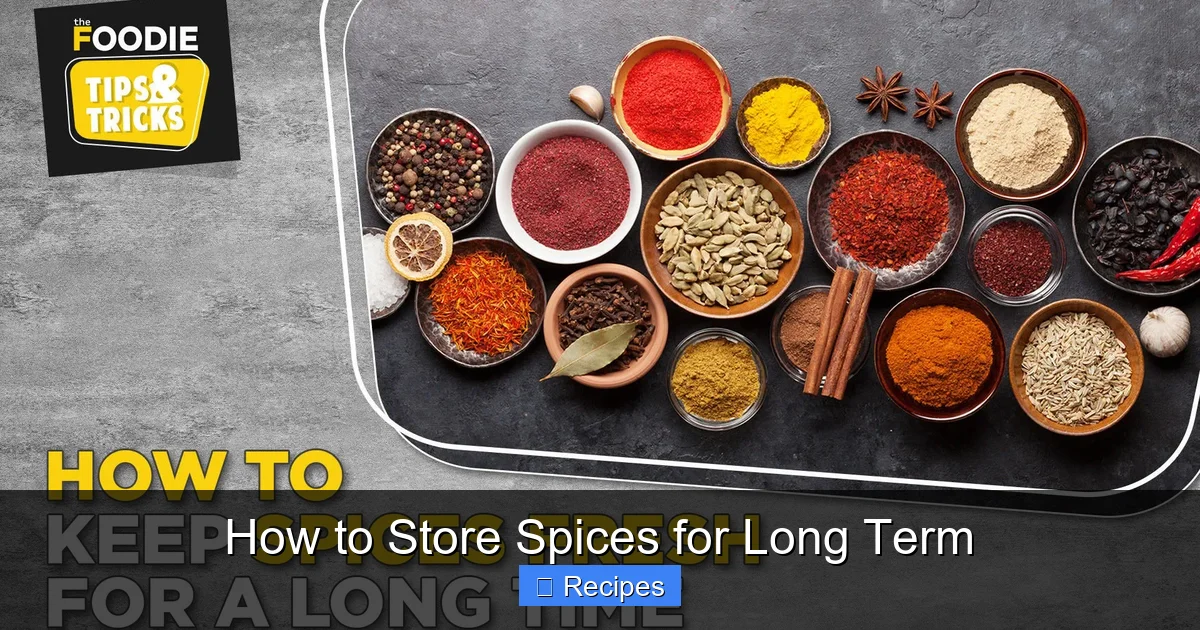
Visual guide about How to Store Spices for Long Term
Image source: imgk.timesnownews.com
Enemy #1: Light – The Silent Bleacher
Sunlight and even strong artificial light contain UV rays that are catastrophic for spice pigments and essential oils. That brilliant red of your Hungarian paprika? UV rays break down the carotenoid compounds, turning it a dull brown. The complex, floral notes of your saffron? They evaporate under light exposure. Clear glass jars on a sunny windowsill are the single worst storage location possible. Light doesn’t just fade color; it actively destroys flavor molecules.
Enemy #2: Air (Oxygen) – The Flavor Thief
Every time you open a spice jar, a rush of oxygen rushes in. Oxygen is highly reactive. It gradually oxidizes the very compounds that create a spice’s signature taste and smell. This process is slow but inevitable. Ground spices, with their vastly increased surface area exposed to air, are particularly vulnerable. You’ve likely experienced this: a jar of ground cinnamon that once filled the kitchen now smells vaguely dusty. That’s oxygen at work, stealing the volatile cinnamaldehyde compounds.
Enemy #3: Heat – The Flavor Cooker
Heat accelerates all chemical reactions, including the degradation of flavor compounds. Storing spices next to the oven, toaster, or dishwasher (which emits steam and heat) is a recipe for rapid staleness. The warmth essentially “cooks” the flavors out of the spice, leaving behind a hollow, often bitter residue. A study by a major spice institute found that storage at 70°F (21°C) preserves potency far longer than storage at 90°F (32°C). Your pantry should be a cool, temperate zone.
Enemy #4: Moisture – The Mold Maker and Clumper
This is the most immediately destructive enemy. A single drop of water in a jar of dried herbs or chili flakes introduces humidity. This causes clumping, caking, and, worst of all, creates a breeding ground for mold and bacteria. You might not see it, but mycotoxins can develop. Moisture also causes spices to lose their free-flowing texture and can cause salt-based spice blends to harden into a solid brick. Steam from cooking is a major source of accidental moisture—never sprinkle spices directly over a steaming pot.
Choosing the Perfect Fortress: Container Selection Guide
Now that we know what we’re defending against, let’s build the perfect fortress. The container is your first and most important line of defense. Not all containers are created equal.
Visual guide about How to Store Spices for Long Term
Image source: homekitchenmagazine.com
The Gold Standard: Amber or Cobalt Glass Jars with Tight-Sealing Lids
This is the undisputed champion for long-term spice storage. Why? Glass is non-porous, meaning it won’t absorb odors or flavors and won’t leach chemicals. Amber or cobalt blue glass provides complete UV protection, blocking the light that destroys potency. Look for jars with a rubber gasket or clamp-lid mechanism that creates an airtight seal. The classic European-style “twist-off” jars with a rubber seal are excellent. Mason jars can work in a pinch, but ensure the lid is new and seals tightly, as the two-piece lids can sometimes allow slow air exchange.
The Plastic Problem: When and How to Use It
Food-grade plastic containers are ubiquitous and cheap, but they have significant drawbacks. Many plastics are slightly porous and can absorb strong spice odors over time, potentially transferring them to other foods. More importantly, some plastics can leach chemicals, especially when exposed to heat or oils. If you must use plastic, choose high-quality, BPA-free, opaque containers specifically designed for spices. They should have a very secure, locking lid with a silicone gasket. Use plastic only for short-term storage or for spices you use very frequently and replace often.
What to Absolutely Avoid
- The Original Cardboard Box: It offers zero protection from air, light, or moisture. The inner plastic flap is a joke. Transfer spices immediately.
- Clear Glass Jars on an Open Shelf: You might as well leave the lid off. The light will degrade the spices rapidly.
- Loose-Lid Tins or Tubs: Anything that doesn’t form a true airtight seal is a failure. Air will circulate freely.
- Reused Food Jars (like pasta sauce): The residual oils and smells can permeate your spices, and the lids rarely seal well after the first use.
Size Matters: The Right Jar for the Job
Don’t store a half-teaspoon of saffron in a giant quart jar. The large amount of airspace above the spice accelerates oxidation. Choose jars that are appropriately sized—filled nearly to the top. This minimizes the volume of air trapped inside each time you seal it. For rarely used spices, buy small quantities in the first place and use small jars. For bulk purchases of common spices like black pepper or salt, use larger containers but still ensure they are airtight and opaque.
The Ideal Location: More Than Just “The Pantry”
You have your perfect jars. Now, where do you put them? Location is everything. The wrong spot can undo all the good work of your containers.

Visual guide about How to Store Spices for Long Term
Image source: homekitchenmagazine.com
The Prime Directive: Cool, Dark, and Dry
This is the holy trinity of spice storage. “Cool” means consistently below 70°F (21°C). “Dark” means no direct light, and minimal ambient light. “Dry” means no humidity, no steam, no risk of condensation. The classic, ideal location is an interior pantry cabinet or a deep drawer, far away from any heat or moisture sources. A basement storage room can be excellent if it’s dry. The back of a deep cabinet is better than the front, which gets opened more often and exposed to light.
Danger Zones: Spots to Never Consider
- Above the Stove or Oven: This is the worst possible spot. Heat radiates upward, and steam from cooking rises. Spices here will lose potency in weeks, not months.
- Next to the Dishwasher: The heat and steam from a cycle are a direct assault on your spices.
- On the Countertop: Even if away from the stove, countertops get light and temperature fluctuations from cooking and sunlight.
- In a Refrigerator (for most spices): The humidity inside a fridge is a moisture hazard. Every time you take a jar out, condensation forms on the cold surface and drips in when you open it. Refrigerators also expose spices to food odors.
- In a Spice Rack on the Wall: Unless it’s in a completely dark closet, this is a light and heat exposure nightmare.
The Freezer Exception: When It’s Actually Okay
The common wisdom “never freeze spices” has one major exception: large quantities of seldom-used spices or highly volatile blends. If you buy a pound of whole cumin seeds for a once-a-year recipe, the freezer is a great way to keep them fresh for 3-5 years. The key is perfect packaging. Place the spice in a truly airtight, freezer-safe bag or container, squeeze out all air, and double-bag if necessary. Let it come to room temperature completely before opening to prevent condensation. For your daily-use spices, the freezer is a risk not worth taking.
Organization & The “First In, First Out” (FIFO) System
Even with perfect containers and location, a disorganized collection leads to wasted, forgotten spices. A simple system ensures you always use your oldest spices first, maximizing their usable life.
Labeling: Non-Negotiable
Every single jar must be labeled. Not just with the spice name (though that’s essential), but with the date you filled the jar or opened the original package. Use a permanent marker on a piece of masking tape or a label maker. This date is your single most important piece of information. Without it, you’re guessing about freshness. When you buy a new spice, label it immediately before it even goes on the shelf.
Implementing a FIFO System
The “First In, First Out” principle from inventory management is your best friend. When you buy a new jar of paprika, you don’t just put it in the front. You place it behind the older jar of paprika. When you cook, you naturally reach for the front jar, which is the oldest. This simple habit prevents the accumulation of ancient, flavorless spices in the back of your cabinet. For a drawer system, place new jars at the back, pushing older ones forward.
Grouping and Cataloging
Organize your jars logically. Group by cuisine (Indian spices together), by use (baking spices: cinnamon, nutmeg, cloves), or alphabetically. Consistency is key. Consider creating a small “master list” on the inside of your pantry door that lists all your spices and their “opened on” dates. This is especially helpful if you have a large collection. You can also use small spice jars with uniform labels for a clean, professional look that makes spotting the one you need instant.
Special Cases: Spices That Need Extra TLC
Not all spices are created equal. Some have unique vulnerabilities or storage needs.
Ground vs. Whole: The Fundamental Rule
This is the most important rule in the spice world: Always buy whole spices and grind them yourself. A whole peppercorn, cumin seed, or coriander seed will stay potent for 3-4 years. Once ground, its surface area explodes, and its clock starts ticking—usually 1-2 years for peak flavor, sometimes less. The difference in flavor between pre-ground cumin and freshly ground cumin is night and day. Invest in a small, dedicated electric grinder or a mortar and pestle. Grind what you need, right before you use it. This single habit will dramatically improve your cooking.
Delicate and Volatile Spices
Spices like saffron, vanilla beans, and high-quality dried herbs (like basil or dill) are particularly fragile. Saffron threads should be stored in a tiny, airtight, opaque vial in a cool, dark place. Do not refrigerate unless you live in a very hot, humid climate. Vanilla beans can be stored in an airtight glass jar in a cool, dark pantry for months. For dried herbs, treat them like ground spices—they degrade faster than seeds.
Salt- and Oil-Based Blends
Seasoning salts (like garlic salt, celery salt) and spice blends with salt (like taco seasoning) are hygroscopic, meaning they attract moisture. This makes them prone to clumping and hardening. Store these in the most airtight containers you own. If a blend does harden, break it up with a fork or pulse it briefly in a grinder. Blends with oil, like chili oil or infused oils, have a completely different shelf life and must be refrigerated after opening—they are not long-term dry storage candidates.
Fresh Aromatics: Ginger, Garlic, Onion
Dried minced onion, garlic powder, and ground ginger follow the standard rules. But for fresh ginger root or garlic bulbs? These are vegetables and must be treated as such. Store fresh ginger in the fridge in a perforated bag or wrapped in a paper towel. Garlic can be kept in a cool, dark, well-ventilated spot (not the fridge, which makes it rubbery). For long-term storage of fresh garlic, you can peel and freeze the cloves in a single layer, then transfer to a freezer bag.
Putting It All Together: Your Action Plan
Okay, theory is done. Let’s build your new spice storage system from the ground up this weekend.
Step 1: The Great Spice Audit
Empty every jar, tin, and bag. Sniff each one. Does it have a strong, vibrant aroma? Or is it dusty, flat, or worse, musty? Toss anything that smells weak, off, or shows signs of moisture. This is your purge. It might be painful, but it’s necessary. Now, you’re working with a clean slate.
Step 2: Invest in Uniform, High-Quality Jars
Buy a set of identical amber glass jars with clamp-lids and rubber gaskets (like Weck or similar). Uniformity makes stacking and organization a dream. Aim for a few different sizes: a small one for rarely used spices (like whole mace), a medium for standard ground spices, and a large for bulk items like black peppercorns or salt. Label them with a permanent marker or printed labels.
3: The Transfer Protocol
For every spice you keep, transfer it from its original packaging into your new jar. Do this in a dry environment, not over a steaming pot. Fill the jar as full as possible to minimize air. Wipe the rim clean before sealing. Label immediately with the spice name and today’s date. If you’re transferring from a bulk bin, note the purchase date. If it’s a replacement for an old jar, note the “opened on” date.
Step 4: Strategic Placement
Find your ideal cool, dark, dry spot. Install a simple shelf or drawer organizer if needed. Place your jars here, implementing the FIFO system. Keep the most-used spices in the most accessible spots. Consider storing your grinder nearby for whole spices.
Step 5: Maintenance and Mindset
Once a month, do a quick sniff test of your most-used spices. Once a year, do a full audit. When you buy a new spice, make labeling and proper storage part of the ritual. Your spice collection is now a living system, not a static accumulation. Treat it with this care, and it will repay you with exponentially better flavor in every meal you cook for years to come.
Frequently Asked Questions
Can I store spices in the refrigerator to make them last longer?
For most spices, no. Refrigerators are humid environments, and condensation forms on cold spice jars when you take them out, introducing moisture that causes clumping and spoilage. The only exceptions are large quantities of rarely used spices you’ve packaged perfectly for freezing, or fresh, oil-infused blends which must be refrigerated after opening.
How long do spices actually last?
Whole spices (peppercorns, seeds, bark) retain peak flavor for 3-4 years. Ground spices and dried herbs are best used within 1-2 years for maximum potency. However, these are “best by” guidelines for flavor, not safety. Spices don’t spoil like meat, but they lose their aromatic oils and taste flat. Always use your senses—if it smells weak or musty, discard it.
Is it worth buying whole spices and grinding them myself?
Absolutely, yes. It is the single biggest upgrade you can make to your cooking. The flavor difference between pre-ground cumin and freshly toasted, ground cumin is profound. Whole spices have a much longer shelf life, so you can buy in bulk without waste. A small, dedicated electric grinder or a mortar and pestle is a worthwhile investment.
What’s the best way to label spice jars?
Use a permanent marker on a piece of masking tape or a label maker. The label must include the spice name and the date it was filled/opened. This date is critical for your “first in, first out” system. Avoid using paper that can disintegrate with oil or moisture. A simple, clear label on the jar lid or side is perfect.
Can I reuse spice jars from the store?
It’s generally not recommended. The original lids are often not designed for a perfect airtight seal over long periods. The jars themselves (especially if they held strong-smelling spices) can retain odors and oils that can permeate your new spices. For true long-term storage, invest in new, dedicated, high-quality glass jars with proper sealing mechanisms.
My spice blend has hardened into a brick. What happened?
This is almost always caused by moisture exposure. Salt- or sugar-based blends (like taco seasoning, chili seasoning) are highly hygroscopic. Perhaps steam got in during cooking, or the container wasn’t airtight. Unfortunately, once a blend has hardened and potentially developed off-flavors from moisture, it’s best to discard it. In the future, ensure these blends are in the most airtight containers and never sprinkle them over a steaming pot.
Pingback: Marinade for Pork Chops to Make Them Tender - kitchenandhouseware.com
Pingback: How Long to Boil Eggs for Deviled Eggs - kitchenandhouseware.com