Storing a stand mixer doesn’t have to be a hassle. Follow these practical steps to protect your appliance, extend its life, and keep your kitchen tidy. From cleaning to placement, we’ve got you covered.
Key Takeaways
- Clean before storing: Remove dough, wipe down all parts, and dry thoroughly to prevent mold and odors.
- Disassemble wisely: Keep attachments organized in a dedicated box or bag to avoid loss.
- Choose the right spot: Store in a cool, dry place away from direct sunlight and moisture.
- Use protective covers: A simple cloth or custom mixer cover shields against dust and scratches.
- Maintain regularly: Schedule periodic inspections and lubrication to keep the motor in top shape.
- Consider space‑saving options: Stackable racks or wall‑mounted hooks free up countertop real estate.
- Follow the manufacturer’s guide: Always check the user manual for brand‑specific storage recommendations.
📑 Table of Contents
- Introduction: Why Proper Storage Matters
- 1. Clean Before You Store
- 2. Disassemble and Organize Attachments
- 3. Choose the Ideal Storage Location
- 4. Protect the Mixer from Dust and Scratches
- 5. Maintenance While in Storage
- 6. Space‑Saving Hacks for Small Kitchens
- Conclusion: Keep Your Mixer Happy and Ready
Introduction: Why Proper Storage Matters
Imagine you’ve just finished a big baking marathon. Your stand mixer has worked overtime, and now it sits idle on the counter. If you simply push it aside and forget about it, you’re inviting a host of problems—dust buildup, rust, and even motor burnout. Proper storage isn’t just about keeping your kitchen looking neat; it’s about protecting a costly investment.
In this guide, we’ll walk you through every step of storing a stand mixer, whether you have a compact kitchen drawer or a spacious pantry. We’ll share real‑world tips, common mistakes to avoid, and a few clever hacks that even seasoned bakers love. By the end, you’ll know exactly how to keep your mixer ready for the next batch of cookies, without the headache of maintenance surprises.
1. Clean Before You Store
Why cleaning matters
A dirty mixer is a magnet for bacteria, mold, and unpleasant odors. Food residue left on the bowl, beaters, or motor housing can harden, making future cleaning a nightmare. Moreover, moisture trapped inside can cause rust on metal parts.
Visual guide about How to Store Stand Mixer
Image source: static.vecteezy.com
Step‑by‑step cleaning routine
- Unplug the mixer: Safety first. Make sure the unit is completely disconnected from power.
- Detach all accessories: Remove the bowl, beaters, dough hook, and any other attachments.
- Wash the bowl and attachments: Use warm, soapy water. For stubborn dough, let the bowl soak for 10‑15 minutes.
- Rinse and dry: Rinse thoroughly to remove soap residue, then dry with a clean towel or let air‑dry on a rack.
- Wipe the motor housing: Dampen a soft cloth with a mild cleaner (or a mixture of water and vinegar) and gently wipe the exterior. Avoid getting water inside the motor.
- Check the power cord: Look for frays or cracks. If you spot damage, replace the cord before storing.
Quick tip: Use a silicone brush
Silicone brushes are flexible enough to reach into the corners of the bowl without scratching the surface. They also repel heat, making them safe for any residual warmth after mixing.
2. Disassemble and Organize Attachments
Keeping everything together
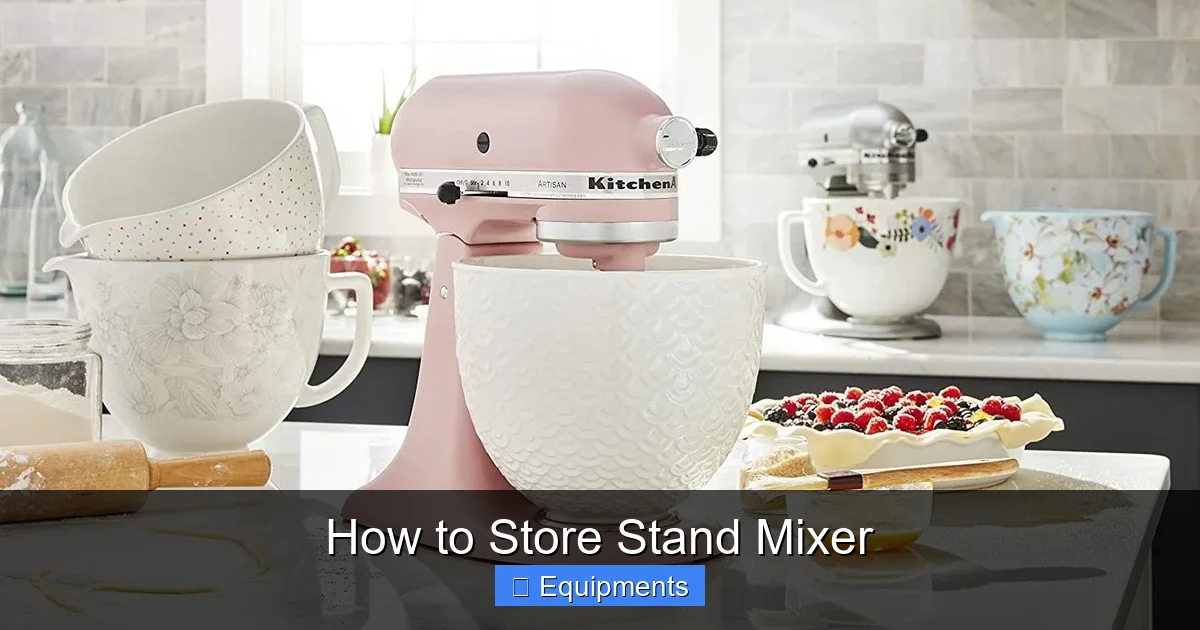
Stand mixers come with a handful of attachments—beaters, dough hooks, whisk, and sometimes specialty tools. If you toss them in a drawer haphazardly, you’ll spend extra time hunting for the right piece later.
Visual guide about How to Store Stand Mixer
Image source: storables.com
Best storage containers
- Original box: If you kept the manufacturer’s packaging, it’s often the perfect fit.
- Plastic zip‑top bags: Great for protecting smaller accessories from dust.
- Dedicated metal or wooden tray: A tray with slots keeps each piece upright and visible.
Labeling for fast retrieval
Use a label maker or simple masking tape to mark each bag or slot. A quick glance will tell you where the whisk lives, where the dough hook is, and where the spare bowl sits.
3. Choose the Ideal Storage Location
Temperature and humidity considerations
Mixers love a stable environment. Extreme heat can warp plastic parts, while humidity encourages rust on metal components. Aim for a spot that stays between 60‑75°F (15‑24°C) and has low moisture.
Visual guide about How to Store Stand Mixer
Image source: media.veli.store
Top storage options
- Cabinet shelf: The most common choice. Place a sturdy shelf liner to cushion the mixer.
- Pantry or closet: Works well if you have space and can keep the area dry.
- Under‑counter pull‑out drawer: A premium solution that hides the mixer completely while keeping it accessible.
- Wall‑mounted rack: For small kitchens, a wall rack frees up floor space and adds a decorative touch.
Safety first
Never store the mixer near the stove or dishwasher where steam and heat are constant. Also, keep it away from children’s reach if the unit has sharp edges.
4. Protect the Mixer from Dust and Scratches
Simple covers that work
A breathable cloth cover (like a cotton sheet) draped over the mixer prevents dust while allowing air circulation. For a tighter fit, consider a custom‑cut mixer cover made from stretchy fabric.
DIY cover using a fitted sheet
- Measure the height, width, and depth of your mixer.
- Cut a piece of fitted sheet that’s a few inches larger on each side.
- Place the sheet over the mixer and tuck the excess under the base.
Commercial protective cases
Many brands sell hard‑shell cases specifically designed for their models. These cases are ideal for those who store the mixer in a garage or transport it to a friend’s house.
5. Maintenance While in Storage
Lubricate moving parts
Even when not in use, the gears and shafts benefit from a light coat of food‑grade silicone oil. Apply a few drops to the gear assembly (refer to the manual for exact locations) and wipe away excess.
Periodic checks
- Monthly: Inspect the cord, clean any dust that settled, and rotate the bowl to prevent flat spots.
- Every six months: Run the mixer for a minute on low speed to keep the motor lubricated and catch any odd noises early.
What to do if you notice rust
Light surface rust can be removed with a fine steel wool pad and a dab of white vinegar. Dry immediately and apply a thin layer of food‑safe oil to protect the metal.
6. Space‑Saving Hacks for Small Kitchens
Stackable storage racks
Invest in a metal rack that allows you to stack bowls on top of the mixer. This uses vertical space efficiently and keeps bowls within arm’s reach.
Fold‑down wall brackets
These brackets swing out when you need the mixer and fold back flat against the wall when not in use. They’re perfect for apartments where countertop space is premium.
Multi‑purpose furniture
Some kitchen islands come with a built‑in compartment designed for appliances. Look for models with a recessed cavity that matches the dimensions of a standard stand mixer.
Conclusion: Keep Your Mixer Happy and Ready
Storing a stand mixer correctly is as important as using it properly. A clean, well‑protected mixer will serve you for years, delivering consistent results batch after batch. By following the steps outlined—cleaning, disassembling, choosing the right spot, covering, maintaining, and using space‑saving tricks—you’ll avoid costly repairs and keep your kitchen looking sleek.
Next time you finish a baking session, take a minute to store your mixer the right way. Your future self (and your mixer) will thank you.
Frequently Asked Questions
How often should I clean my stand mixer before storing it?
Ideally, clean it after each use. If you’re storing it for an extended period, give it a thorough cleaning and dry all parts before placing it away.
Can I store my stand mixer with the power cord attached?
Yes, but make sure the cord is neatly coiled and not pinched. Avoid wrapping it tightly around the base, as this can damage the insulation.
Is it safe to store a stand mixer in a garage?
Only if the garage stays dry and maintains a moderate temperature. Excessive humidity or extreme cold can harm the motor and metal parts.
Do I need a special cover for my mixer?
A breathable cloth or a custom‑fit cover works well. If you live in a dusty environment, a hard‑shell case offers extra protection.
What should I do if my mixer develops a strange noise after storage?
Run it on low speed for a minute. If the noise persists, check for loose parts, lubricate the gears, and consult the user manual or a professional technician.
Can I store the mixer without disassembling the attachments?
You can, but it’s not recommended. Keeping attachments together prevents loss and makes future cleaning easier.