Recycling a Keurig machine is easier than you think. This guide walks you through disassembly, local drop‑off options, and creative up‑cycling ideas so you can give your coffee maker a second life.
Key Takeaways
- Know the parts: Separate plastic, metal, and electronic components for proper recycling streams.
- Check local regulations: Many municipalities have specific drop‑off sites for small appliances.
- Manufacturer programs: Keurig offers a take‑back program that can handle complete units.
- Prep before you ship: Clean, disassemble, and pack safely to avoid damage and contamination.
- Up‑cycle creatively: Turn old parts into planters, organizers, or art projects.
- Document your effort: Keep receipts or photos for tax deductions or corporate sustainability reports.
- Spread the word: Encourage friends and family to recycle their machines too.
📑 Table of Contents
- Introduction: Why Recycling Your Keurig Matters
- 1. Understand What’s Inside a Keurig
- 2. Check Local Recycling Options
- 3. Take Advantage of Keurig’s Take‑Back Program
- 4. Step‑by‑Step DIY Recycling Process
- 5. Creative Up‑Cycling Ideas for Keurig Parts
- 6. Maintaining a Sustainable Coffee Routine
- Conclusion: Your Role in a Cleaner Planet
Introduction: Why Recycling Your Keurig Matters
Every morning millions of coffee lovers reach for their Keurig machines. They’re fast, convenient, and make a single cup feel like a treat. But when the machine finally gives out, it doesn’t just disappear. A typical Keurig contains plastic, metal, electronic boards, and a small amount of hazardous material. If tossed in the trash, these components sit in a landfill for decades, leaching chemicals and wasting resources.
Recycling your Keurig machine is a simple way to reduce waste, conserve raw materials, and support a circular economy. The good news? Most communities already have the infrastructure to handle small appliances, and Keurig itself offers a take‑back program. This guide will show you exactly how to recycle Keurig machine step by step, from preparation to final drop‑off, plus fun ideas to up‑cycle parts you might keep.
1. Understand What’s Inside a Keurig
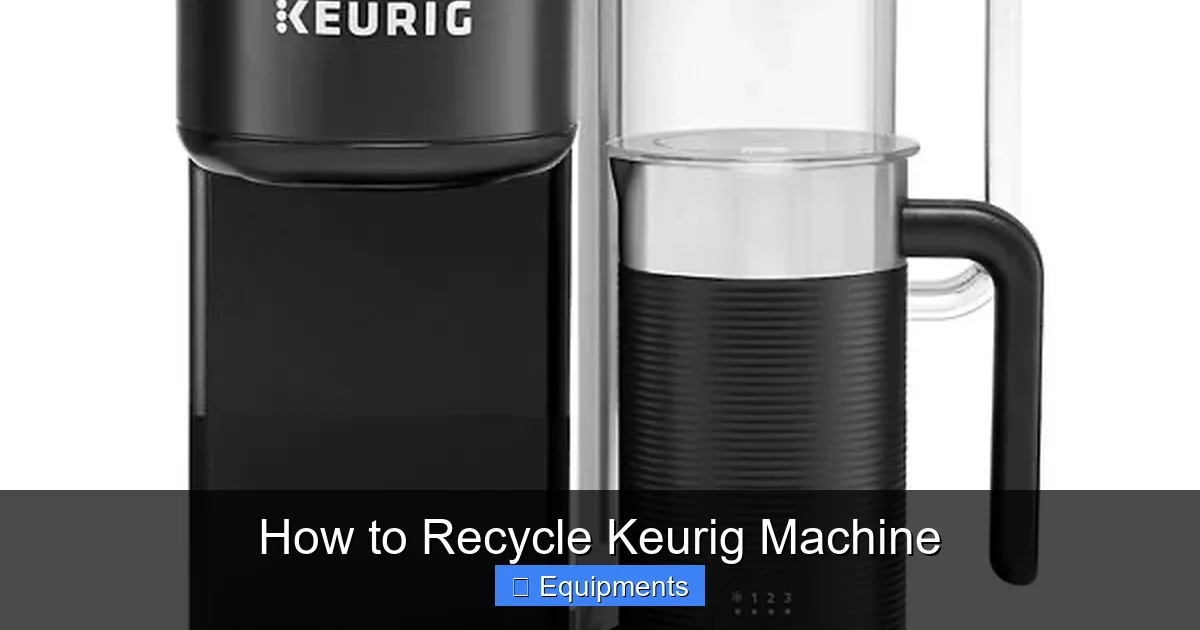
Before you can recycle anything, you need to know what you’re dealing with. A typical single‑serve Keurig (models like the K‑Classic, K‑Elite, or K‑Mini) consists of three main material groups:
Visual guide about How to Recycle Keurig Machine
Image source: static.slickdealscdn.com
Plastic Housing
The outer shell and the water reservoir are usually made of high‑density polyethylene (HDPE) or polypropylene (PP). These plastics are widely accepted at most recycling centers.
Metal Components
The heating element, pump, and internal brackets are steel or aluminum. Metal is valuable and easy to recycle when separated from plastic.
Electronic Circuitry
The control board, wiring, and sensors contain copper, gold‑plated contacts, and small amounts of lead or mercury. These require special handling and should never be mixed with regular recyclables.
Knowing these categories helps you sort the parts correctly and avoid contamination, which is the most common reason items get rejected at recycling facilities.
2. Check Local Recycling Options
Not every city treats small appliances the same way. Follow these quick steps to find the best local solution:
Visual guide about How to Recycle Keurig Machine
Image source: thekitchenix.com
Search Your Municipality’s Website
Type “appliance recycling” plus your city or county name into a search engine. Most local governments publish a list of approved drop‑off locations, collection days, or curbside programs for electronic waste (e‑waste).
Call the Waste Management Hotline
A quick phone call can confirm whether your Keurig can go in the regular recycling bin or needs a special appointment. Ask about any fees, size limits, and required preparation (e.g., removing the K‑Cup pod holder).
Use Online Locator Tools
Websites like Call2Recycle or Earth911 let you enter a zip code and filter results for “small appliances” or “electronics.” They provide addresses, hours, and contact numbers.
Consider Community E‑Waste Events
Many towns host quarterly e‑waste collection days. These events accept a wide range of gadgets, including coffee makers. Mark the calendar, and you’ll have a hassle‑free drop‑off.
3. Take Advantage of Keurig’s Take‑Back Program
Keurig (now owned by Keurig Dr Pepper) runs a voluntary recycling program for its machines. Here’s how to use it:
Visual guide about How to Recycle Keurig Machine
Image source: thekitchenix.com
Register Your Product
Visit Keurig’s recycling page and enter the model number and serial code. This creates a record and may qualify you for a discount on a new machine.
Request a Prepaid Shipping Label
After registration, you can request a free USPS or UPS label. Pack the entire unit (including the power cord) in a sturdy box, attach the label, and drop it at any post office.
What Happens Next?
Keurig’s recycling partner disassembles the machine, separates plastics, metals, and electronics, and sends each stream to the appropriate recycler. The company reports the tonnage recycled each year, helping you feel good about your contribution.
Tips for a Smooth Return
- Remove any remaining water and dry the reservoir.
- Detach the K‑Cup pod holder and any removable accessories; they can be recycled separately.
- Place a small piece of cardboard inside the box to prevent the machine from shifting during transport.
4. Step‑by‑Step DIY Recycling Process
If you prefer to handle the recycling yourself, follow this hands‑on guide. It takes about 15‑20 minutes and ensures each component ends up in the right bin.
Step 1: Unplug and Clean
Safety first—unplug the machine. Empty any water, discard used K‑Cup pods, and wipe down the interior with a damp cloth. A clean unit is less likely to attract pests at the recycling center.
Step 2: Disassemble the Machine
Most Keurig models have a few screws on the back or bottom. Use a Phillips screwdriver to remove them. Gently pry apart the plastic housing to expose the metal frame and electronics. Keep the screws in a small bag; you can recycle them with metal.
Step 3: Separate Materials
- Plastics: Set aside the outer shell, water reservoir, and any plastic knobs.
- Metals: Collect the heating element, pump, and any steel brackets.
- Electronics: Bundle the circuit board, wiring, and small metal contacts together.
Step 4: Bag and Label
Place each material group in a clear, resealable bag. Label the bags “Plastic – HDPE/PP,” “Metal – Steel/Aluminum,” and “E‑Waste – Electronics.” This labeling helps the recycling facility sort quickly.
Step 5: Deliver to the Appropriate Facility
Take the plastic bag to your curbside recycling bin (if accepted) or a plastics drop‑off. Bring the metal bag to a scrap metal recycler or the metal bin. Deliver the e‑waste bag to a certified electronics recycler or your municipality’s e‑waste collection point.
Step 6: Keep Documentation
Ask for a receipt or take a photo of the drop‑off. Some companies offer tax deductions for charitable recycling, and the paperwork can serve as proof of responsible disposal.
5. Creative Up‑Cycling Ideas for Keurig Parts
Even after you’ve recycled the main components, you might have some parts that are still usable. Up‑cycling not only reduces waste but adds a personal touch to your home.
Planter from the Water Reservoir
Clean the empty reservoir, drill a few drainage holes in the bottom, and fill it with soil. It makes a sleek, modern planter for herbs or succulents.
Desk Organizer from Plastic Housing
Cut the outer shell lengthwise, sand the edges, and use it to hold pens, chargers, and sticky notes. The built‑in handle makes it easy to move around.
Coasters from the Pump Housing
The metal pump casing can be sanded and painted to create a set of sturdy, heat‑resistant coasters.
Art Projects
Kids love turning old electronics into “circuit art.” Glue the circuit board onto a canvas, add paint, and you’ve got a conversation piece for the living room.
Donate to Schools or Makerspaces
Many educational programs accept old electronics for teaching basic engineering concepts. Contact local schools or community workshops to see if they’d like the parts.
6. Maintaining a Sustainable Coffee Routine
Recycling your Keurig is just one part of a greener coffee habit. Here are a few extra steps to keep your caffeine fix eco‑friendly:
Switch to Reusable K‑Cups
Stainless‑steel or BPA‑free plastic reusable pods cut waste dramatically. They fit most Keurig models and last for years.
Buy Compostable Pods
If you prefer convenience, look for certified compostable K‑Cups. They break down in industrial composting facilities, not your backyard.
Use Filtered Tap Water
Skipping bottled water reduces plastic waste and saves money. A simple water filter can improve taste and protect your machine.
Energy‑Efficient Practices
Turn off the machine when not in use, or unplug it. Some Keurig models have an auto‑off feature—enable it in the settings.
Consider a Manual Brewer
For the ultimate low‑impact option, try a French press or pour‑over. They require no electricity and produce no e‑waste.
Conclusion: Your Role in a Cleaner Planet
Knowing how to recycle Keurig machine empowers you to turn a common household item into a resource rather than trash. By following the steps above—checking local rules, using Keurig’s take‑back, disassembling for DIY recycling, and even up‑cycling leftover parts—you close the loop on a product that otherwise would sit in a landfill for decades.
Every recycled component saves energy, reduces raw‑material extraction, and keeps hazardous substances out of the environment. Plus, sharing what you’ve learned with friends and family creates a ripple effect that amplifies the impact. So the next time your Keurig gives its last brew, remember: you have the tools to recycle it responsibly and keep your coffee habit sustainable.
Frequently Asked Questions
Can I put a whole Keurig machine in my curbside recycling bin?
Most curbside programs do not accept complete appliances. You’ll need to separate plastic, metal, and electronics, or use a drop‑off location or Keurig’s take‑back program.
Is there a cost to ship my Keurig to the manufacturer’s recycling program?
No. Keurig provides a prepaid shipping label for eligible models, so you can send the unit free of charge.
What should I do with the power cord?
The cord is considered e‑waste because it contains copper and plastic. Bundle it with the other electronic components and drop it off at an electronics recycling center.
Are the plastic parts of a Keurig recyclable everywhere?
Most plastics used in Keurig machines (HDPE and PP) are widely accepted, but some municipalities require them to be taken to a specific plastics recycling facility. Check local guidelines.
Can I donate a broken Keurig to a school or makerspace?
Yes, many educational programs accept non‑functional electronics for teaching purposes. Contact the organization first to confirm they can take the parts.
How often should I clean my Keurig before recycling it?
Give it a quick rinse and wipe down to remove water and coffee residue. A clean machine is less likely to attract pests and makes handling easier for recyclers.