Storing smoothies overnight is simple with the right technique. The key is preventing oxidation and separation by using airtight containers and adding stabilizers like lemon juice or yogurt. Proper storage ensures your smoothie stays fresh, nutritious, and ready to grab for a healthy breakfast on the go.
Key Takeaways
- Use Airtight Containers: Mason jars or BPA-free plastic bottles with tight-sealing lids are essential to minimize air exposure and prevent oxidation.
- Add a Natural Stabilizer: A squeeze of lemon juice, a dollop of yogurt, or a teaspoon of chia seeds helps maintain texture and color by slowing enzymatic browning.
- Fill to the Top: Reduce air space in the container by filling it completely, or press plastic wrap directly onto the smoothie’s surface before sealing.
- Refrigerate Immediately: Place your smoothie in the fridge within an hour of blending to keep it cold and inhibit bacterial growth.
- Shake Before Drinking: Separation is natural; a vigorous shake or stir will recombine the ingredients for a consistent texture.
- Freeze for Longer Storage: For storage beyond 24 hours, freeze smoothies in freezer-safe containers, leaving headspace for expansion, for up to 3 months.
- Prep Components, Not the Whole Smoothie: For peak freshness, consider storing pre-portioned frozen fruit and dry ingredients separately, blending fresh each morning.
📑 Table of Contents
- Why Your Morning Smoothie Deserves a Better Night
- The Science of Separation: What’s Happening in Your Fridge?
- Your Toolbox: Essential Gear for Overnight Smoothie Success
- The Prep Protocol: Step-by-Step for Perfect Storage
- Beyond the Fridge: Freezing Your Smoothie for Long-Term Storage
- Common Pitfalls & Pro Tips for Flawless Results
- The Final Word: Is It Worth It?
Why Your Morning Smoothie Deserves a Better Night
There’s a special kind of joy in waking up to a ready-to-drink, nutrient-packed smoothie. No fuss, no mess, just pure, blended goodness to kickstart your day. But if you’ve ever tried to store smoothies overnight, you’ve likely encountered the disappointing reality of a separated, watery, or brownish sludge where your vibrant drink once was. It’s a common frustration, but it doesn’t have to be your reality.
The core challenge when you store smoothies overnight is a natural process called oxidation. Just like an apple turns brown when cut, the enzymes in your fruits and vegetables begin to break down when exposed to air. This not only changes the color but can also alter the flavor and diminish some of the delicate nutrients, like vitamin C. Furthermore, the different densities in your blend—the heavy greens, the creamy yogurt, the light juice—will naturally separate over time, leaving a layer of liquid on top and a thick sediment at the bottom.
But here’s the good news: with a few smart strategies, you can absolutely master how to store smoothies overnight. It’s not about magic; it’s about science and simple kitchen habits. This guide will walk you through everything you need to know, from the best containers to the secret ingredients that keep your smoothie looking and tasting like it was just blended. Say goodbye to morning smoothie disappointment and hello to effortless, healthy habits.
The Science of Separation: What’s Happening in Your Fridge?
Before we dive into the “how,” let’s quickly understand the “why.” Knowing what causes your smoothie to go from gorgeous to grim overnight empowers you to stop it. Two main processes are at work: oxidation and gravitational separation.
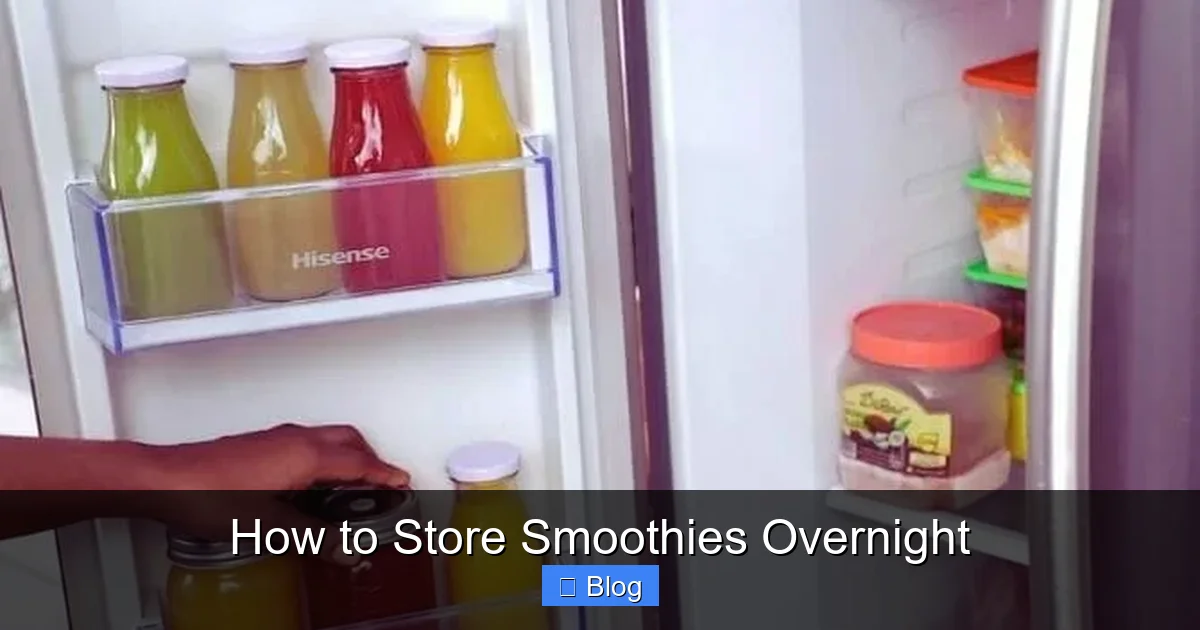
Visual guide about How to Store Smoothies Overnight
Image source: jucesip.com
Oxidation: The silent nutrient thief
When you blend your produce, you rupture millions of plant cells, exposing their insides to oxygen. This triggers enzymatic browning. Polyphenol oxidase (PPO), an enzyme found in many fruits like bananas, apples, and avocados, reacts with oxygen to create brown pigments called melanins. This is why a banana-based smoothie often turns an unappetizing grey-brown by morning. Oxygen also degrades sensitive vitamins and phytochemicals, subtly reducing your smoothie’s nutritional punch.
Separation: It’s all about density
Your smoothie isn’t a homogeneous solution; it’s a mixture of components with different densities. Pulp and fiber are heavier and will sink. Liquids like water, juice, or melted yogurt are lighter and will rise to the top. Air bubbles incorporated during blending will also rise and escape. This is a physical separation, not spoilage, but it makes for a very unappealing drink without a good shake.
Understanding these two processes—oxidation affecting color/flavor/nutrients and gravity affecting texture—is the foundation of our storage solutions. Our goal is to limit oxygen contact and stabilize the mixture as much as possible.
Your Toolbox: Essential Gear for Overnight Smoothie Success
Having the right tools makes all the difference. The right container is your first and most important line of defense against a sad, separated smoothie.
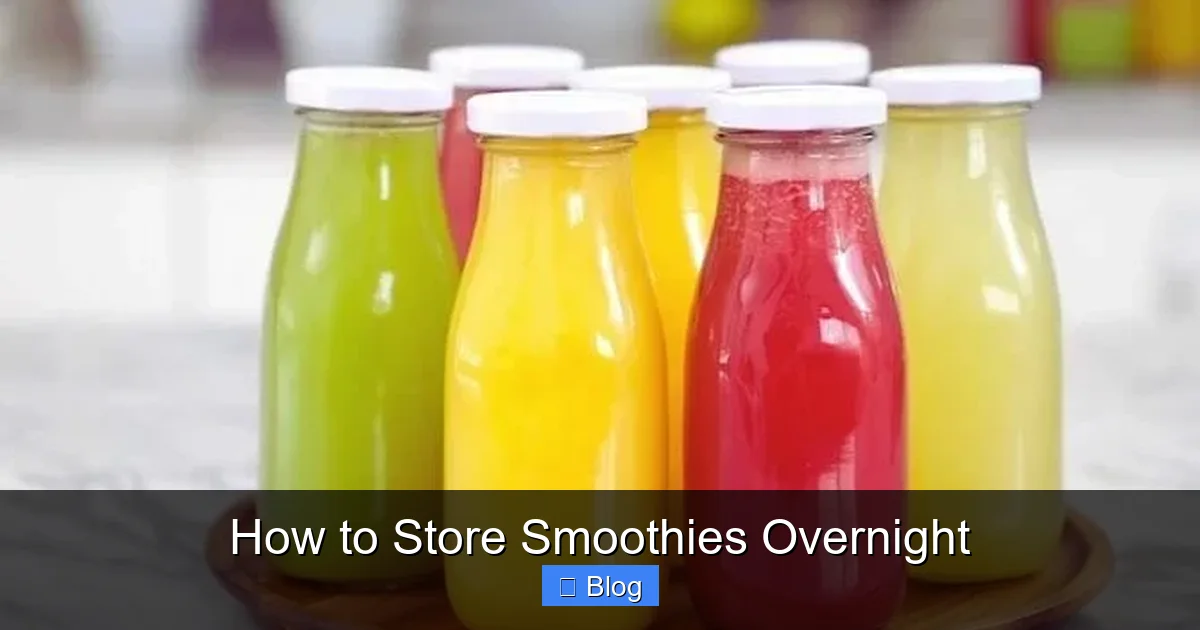
Visual guide about How to Store Smoothies Overnight
Image source: jucesip.com
The Container Conundrum: What to Look For
The ideal container for overnight smoothie storage has three key features: it’s airtight, it’s the right size, and it’s made of safe material.
- Airtight Seal: This is non-negotiable. Look for containers with a rubber gasket or a locking mechanism that creates a vacuum-like seal. Standard water bottles often leak air. Mason jars with two-piece lids can seal well if the band is tightened properly. Specialized smoothie bottles are designed for this purpose.
- Size Matters: Choose a container that closely matches your serving size. A 16-oz (500ml) jar for a single serving is perfect. The less empty space (headspace) in the container, the less oxygen is present to cause oxidation.
- Material Safety: Opt for BPA-free plastic or glass. Glass is excellent as it’s non-porous and won’t absorb odors or stains. Wide-mouth mason jars are a favorite for their versatility and easy cleaning.
Pro-Tip: The Plastic Wrap Trick
If your container isn’t perfectly airtight, or if you want extra insurance, use this chef’s trick: after filling your container, place a small piece of plastic wrap or parchment paper directly on the surface of the smoothie, pressing it down gently to eliminate any air bubbles between the wrap and the liquid. Then, seal the container with its lid. This creates a physical barrier that drastically reduces oxygen contact.
The Prep Protocol: Step-by-Step for Perfect Storage
Now, let’s put theory into practice. Following these steps will ensure your smoothie is as close to freshly-blended as possible when you grab it from the fridge.
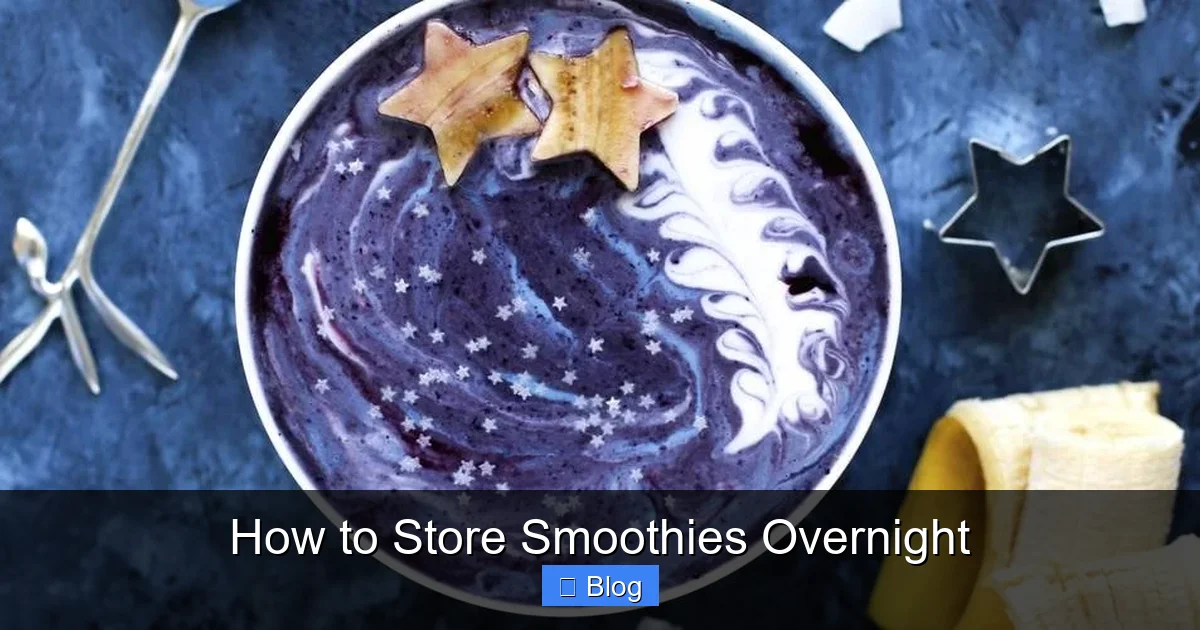
Visual guide about How to Store Smoothies Overnight
Image source: thekitchenix.com
Step 1: Blend with Storage in Mind
Your blending technique can influence storage outcomes. For smoother, more stable smoothies, blend your liquid and soft ingredients (yogurt, banana, avocado) first, then add your greens and ice last. This creates a more homogenized base that’s less prone to severe separation. Also, consider adding your stabilizer (more on that next) during this step.
Step 2: The Stabilizer Secret
Adding a natural stabilizer is your secret weapon against oxidation and separation. These ingredients work by introducing acidity, fat, or soluble fiber that helps bind the mixture.
- Acidic Boost: A squeeze of fresh lemon or lime juice (about 1/2 tsp per smoothie) lowers the pH, slowing down enzymatic browning dramatically. It also adds a bright flavor that complements most fruit smoothies.
- Creamy Binders: Full-fat Greek yogurt, coconut milk, or a spoonful of nut butter adds fat, which helps emulsify the smoothie, keeping oil and water components from separating as quickly.
- Fiber Power: A teaspoon of chia seeds or ground flaxseed absorbs liquid and forms a gel, thickening the smoothie and creating a more stable matrix that resists separation.
Step 3: Fill, Seal, and Chill
Once blended, immediately pour your smoothie into your prepared airtight container. If using the plastic wrap trick, do it now. Seal the lid tightly. The key is speed: the less time your smoothie sits out at room temperature, the better. Place it directly into the refrigerator. Do not let it sit on the counter while you clean up the blender.
Beyond the Fridge: Freezing Your Smoothie for Long-Term Storage
What if you want to prep a week’s worth or take advantage of a big batch of seasonal fruit? Freezing is your answer. Properly frozen smoothies can last for 2-3 months with minimal quality loss.
How to Freeze Smoothies Correctly
The critical rule for freezing is to leave headspace. Liquids expand when frozen. If you fill a container to the brim, it will crack. Always leave at least 1/2 inch to 1 inch of space at the top of your jar or bottle.
For ultimate convenience, consider freezing smoothies in individual portions using ice cube trays. Once frozen, transfer the cubes to a freezer bag. You can then blend 4-5 cubes with a splash of liquid (milk, water, juice) in the morning for a perfectly fresh, thick smoothie bowl or drink. This method also allows for creative flavor combos.
Thawing and Reblending
The best way to thaw a frozen smoothie is in the refrigerator overnight. For a quicker method, place the sealed container in a bowl of cool water for 30-40 minutes. Once thawed, it will likely be quite separated. This is normal! Pour it into your blender, give it a quick 10-second burst to recombine and fluff it up, and it will be ready to enjoy.
Common Pitfalls & Pro Tips for Flawless Results
Even with the best methods, a few mistakes can trip you up. Here’s how to avoid them and some extra tips for smoothie storage mastery.
Pitfall #1: The Watery Top Layer
The Cause: This is pure separation. The liquid components have risen.
The Fix: Simply give your smoothie a vigorous shake or stir before drinking. If you find it’s excessively watery, you may have used too much liquid initially. Next time, start with less liquid and add more only if needed to blend.
Pitfall #2: The Brown, Dull Color
The Cause: Oxidation from too much air exposure or from ingredients like bananas and apples without an acid stabilizer.
The Fix: Always use your stabilizer (lemon juice!). Ensure your container is truly airtight. For smoothies heavy in oxidizing fruits, consume within 24 hours for best color and nutrient retention.
Pro-Tip: Layer Your Ingredients (The “Smoothie Jar” Method)
For grab-and-go convenience without any blending the night before, assemble a “smoothie jar.” In a wide-mouth mason jar, layer your dry ingredients (protein powder, chia seeds) on the bottom, then soft fruits (banana slices, mango) above that, and finally leafy greens on top. Seal and refrigerate. In the morning, add your liquid (milk, juice) and blend directly in the jar if your blender allows, or transfer to the blender. This keeps everything pristine and eliminates separation entirely until the moment of blending.
The Final Word: Is It Worth It?
Absolutely. Learning how to store smoothies overnight is a game-changer for anyone seeking a healthier, more efficient morning routine. It transforms your smoothie from a weekend luxury into a reliable weekday ally. By understanding the simple science of oxidation and separation, arming yourself with the right airtight containers, and employing a stabilizer like lemon juice or yogurt, you can consistently enjoy a smoothie that’s fresh, vibrant, and nutritionally sound.
This isn’t about cutting corners; it’s about smart preparation. You’re still getting all the fiber, vitamins, and minerals of your carefully chosen ingredients. You’re simply shifting the work to a time when you’re not rushed, reclaiming precious morning minutes for yourself. So, blend with purpose, store with confidence, and look forward to that first delicious sip tomorrow. Your future, well-nourished self will thank you.
Frequently Asked Questions
Will my smoothie lose nutrients if stored overnight?
Yes, some sensitive nutrients like vitamin C can degrade slightly due to oxidation. However, the majority of the fiber, minerals, and phytonutrients remain stable. Using an acid like lemon juice and minimizing air exposure helps preserve nutrients significantly, making an overnight smoothie still a highly nutritious choice.
Can I store a green smoothie with spinach or kale overnight?
Yes, but green smoothies are particularly prone to color change (turning dull olive or brown) due to chlorophyll oxidation. Adding lemon juice is crucial to help maintain their vibrant green color. For best results, consume green smoothies within 24 hours.
Is it safe to leave a smoothie at room temperature overnight?
No. Perishable ingredients like dairy, yogurt, and fresh produce should not be left in the “danger zone” (40°F – 140°F) for more than two hours. Always refrigerate your smoothie within an hour of blending to ensure food safety and prevent bacterial growth.
What’s the best container for freezing smoothies?
The best freezer-safe containers are wide-mouth mason jars (leave 1/2 inch headspace) or BPA-free plastic freezer bags (lay flat to freeze). Silicone ice cube trays are perfect for creating portion-controlled “smoothie cubes” that can be blended fresh each morning.
My smoothie separated a lot—is it still good?
Yes, separation is natural and does not mean the smoothie has spoiled. Simply shake or stir it vigorously, or pour it into a blender for a quick re-mix. If it smells sour, has an off texture, or shows signs of mold, discard it.
Can I add protein powder before storing?
Yes, you can. Most protein powders (whey, pea, soy) store well and won’t break down overnight. However, some plant-based powders can thicken considerably over time. If this happens, you may need to add a splash of liquid when you re-blend or shake it the next day.