How To Store Costco Muffins is an essential topic that provides valuable insights and practical knowledge for anyone interested in learning more about this subject.
Key Takeaways
- Understanding How To Store Costco Muffins: Provides essential knowledge for making informed decisions
- Practical applications: Can be applied in various real-world scenarios
- Key benefits: Offers significant advantages when properly implemented
- Important considerations: Requires attention to specific details and best practices
- Future implications: Continues to evolve and impact related fields
📑 Table of Contents
- How to Store Costco Muffins: A Friend’s Guide to Keeping Them Fresh for Weeks
- Why Proper Storage is Non-Negotiable for Costco Muffins
- The Golden Rule: Cool Completely, Then Store
- Short-Term Storage (1-3 Days): The Room Temperature Method
- Long-Term Storage (1+ Weeks): The Freezer is Your Friend
- The Refrigerator: The “No-Man’s Land” of Muffin Storage
- Thawing and Reheating: The Grand Finale
- Pro Tips and Troubleshooting for the Ultimate Muffin Experience
- Conclusion: Store Smart, Eat Happy
How to Store Costco Muffins: A Friend’s Guide to Keeping Them Fresh for Weeks
Let’s be honest, that walk past the bakery at Costco is a test of willpower. Those giant, perfectly domed muffins, stacked high in their iconic plastic clamshells, whisper sweet nothings about breakfast for the next month. You grab the double chocolate chunk, the giant blueberry, maybe a bran muffin for “health,” and before you know it, you’re walking out with a 6-pack that could feed a small army. The first few are heavenly, but then… reality sets in. How do you possibly keep these bakery behemoths from turning into sad, stale, or moldy hockey pucks? Storing Costco muffins properly isn’t just about throwing them in a bag; it’s a small art that saves money, cuts down on waste, and ensures every single bite is as delightful as the first. I’ve learned the hard way—through experiences involving a particularly soggy muffin and one that grew a fascinating fuzzy garden—so let me share the secrets I’ve discovered.
Why Proper Storage is Non-Negotiable for Costco Muffins
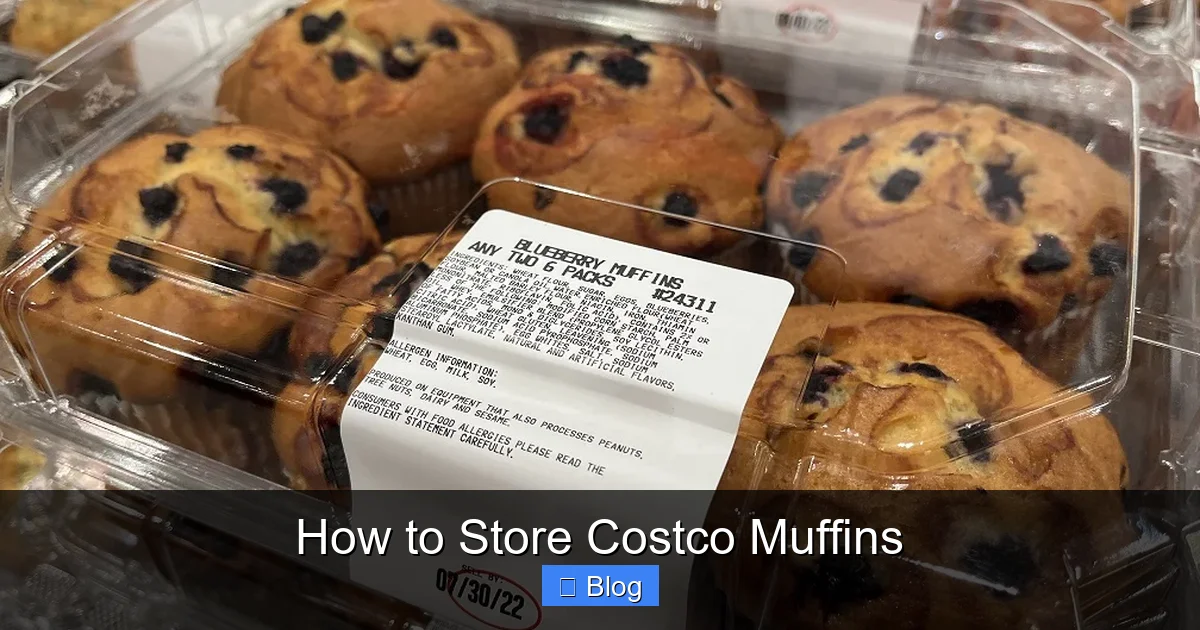
Before we dive into the “how,” let’s talk about the “why.” Costco muffins are a unique beast. They are baked in massive quantities, sold at a fantastic price per muffin, but their very size is a double-edged sword. That thick, moist crumb, designed to stay fresh for a day or two on a bakery shelf, becomes a perfect incubator for mold and a victim of staling when not handled correctly. The goal of proper storage is to combat two main enemies: staling (that dry, crumbly texture) and mold growth (the fuzzy, unwanted guest).
Visual guide about How to Store Costco Muffins
Image source: shoppingwithdave.com
The Costco Munchkin Effect: Size and Moisture Matter
Think of a Costco muffin as a small cake. Its high moisture content from ingredients like yogurt, sour cream, or fresh fruit, combined with its dense structure, means air and moisture move through it slowly. This is great for freshness initially but terrible for long-term storage if sealed while even slightly warm. Trapping steam creates a soggy top and a gummy texture. Conversely, leaving it exposed dries out the edges rapidly. The key is managing that moisture barrier strategically.
The Economics of a Muffin Mishap
Let’s put a dollar value on this. A 6-pack of Costco muffins might run you around $9.99. That’s roughly $1.66 per muffin. If you waste just two because they went moldy, you’ve tossed over $3.30 in the trash. Over a year, for a family that buys these regularly, improper storage could mean literally hundreds of dollars literally molding away. Proper storage isn’t just about taste; it’s a smart financial move.
The Golden Rule: Cool Completely, Then Store
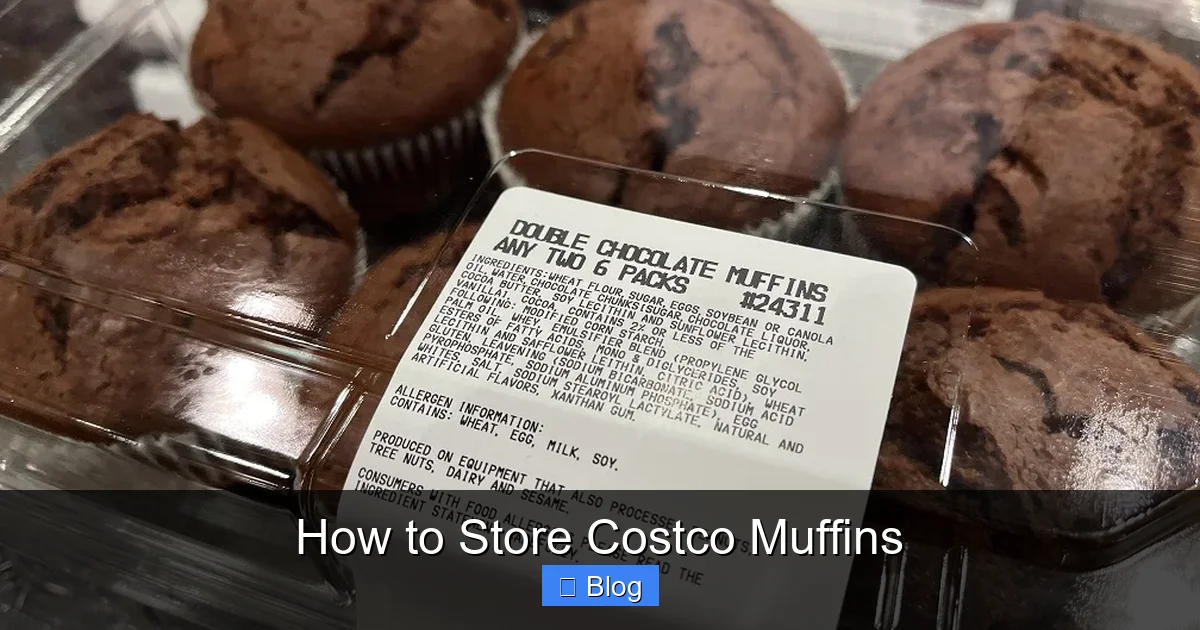
This is the single most important, non-negotiable rule, and it’s where most people go wrong. That muffin is still baking internally, releasing steam, for hours after it comes out of the oven. If you seal it in any kind of container while it’s warm, you are literally trapping that steam inside. The result? Condensation forms, the top crust softens unpleasantly, and you create a humid environment that welcomes mold like a red carpet.
Visual guide about How to Store Costco Muffins
Image source: shoppingwithdave.com
How to Cool Properly: Patience is a Virtue
Here’s your simple protocol:
- Step 1: Remove muffins from the clamshell and place them on a wire rack. The plastic container traps heat and moisture.
- Step 2: Space them out. Let air circulate around each muffin. If your rack is small, you can do two layers with a sheet of parchment paper between them.
- Step 3: Wait. At least 2-3 hours at room temperature, depending on your kitchen’s warmth. The muffin should feel completely cool to the touch, especially the very center. If you’re unsure, leave it an hour longer. It’s better to wait than to rush.
The “Warm Muffin” Trap: A Personal Anecdote
I once, in my haste, sealed two still-warm blueberry muffins in a large zip-top bag to take to a friend’s house. By the time we arrived an hour later, the bag was fogged up, and the muffin tops were depressingly soft and sticky. The blueberries had leached juice, creating a soggy mess. It was a tragically wasted muffin. Don’t let this be you. Cooling is your first line of defense.
Short-Term Storage (1-3 Days): The Room Temperature Method
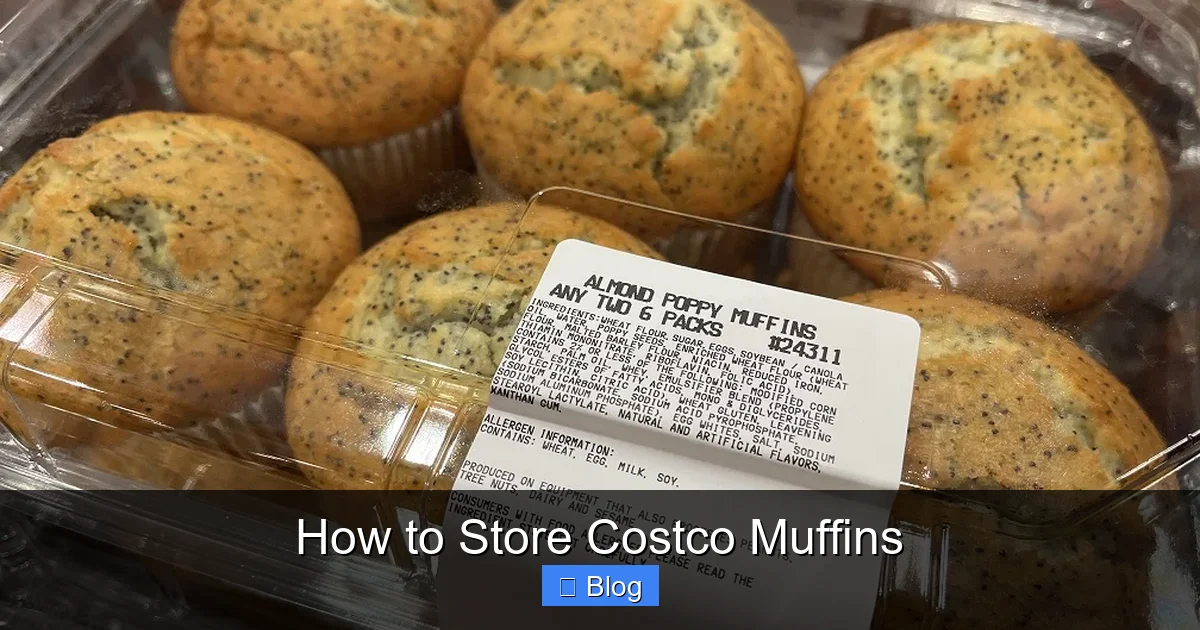
If you’re a Costco regular and plan to eat your muffins within the next 72 hours, room temperature storage is your best friend for maintaining that ideal “just-baked” texture. The goal here is to protect the muffin from drying out without sealing in moisture.
Visual guide about How to Store Costco Muffins
Image source: shoppingwithdave.com
The Paper Towel & Airtight Container Duo
This is my go-to method for the week’s supply:
- Line the bottom of an airtight container (like a large Pyrex or plastic storage bin) with a dry paper towel.
- Place muffins in a single layer on the paper towel. If you must stack them, place a sheet of parchment paper between them.
- Cover the top of the muffins with another dry paper towel before sealing the lid. The paper towel absorbs any excess ambient humidity while the sealed container prevents the muffin from drying out.
- Store in a cool, dry place away from direct sunlight (not on top of the fridge, which is warm).
The Bread-Bag Trick for Individual Muffins
For grabbing one on the go, you can place a completely cooled muffin in its own small, resealable plastic bag. Squeeze out as much air as possible before sealing. This creates a mini-environment that slows staling. However, check it after 24 hours—if you see condensation, the bag wasn’t dry enough or the muffin wasn’t fully cooled.
Long-Term Storage (1+ Weeks): The Freezer is Your Friend
This is the real game-changer. Freezing stops mold growth dead in its tracks and essentially pauses the staling process. When done correctly, a frozen Costco muffin can taste virtually fresh after thawing. The key is freezing it at its peak freshness and protecting it from freezer burn.
The Double-Bagging & Parchment Shield Method
Here’s the fail-safe freezer protocol:
- Cool Completely: I know I’m repeating this, but it’s 10x more critical for freezing. Any residual heat will create large ice crystals that destroy texture.
- Wrap Individually: Wrap each muffin tightly in a sheet of parchment paper or wax paper. This creates a primary barrier against air and prevents the plastic from sticking to any moist bits (like berry tops).
- First Bag: Place the parchment-wrapped muffin in a small, high-quality freezer zip-top bag. Press out all the air and seal. This is your first defense against freezer air.
- The Magic Second Layer: Place the sealed small bag into a larger, heavyweight freezer bag or a small airtight freezer container. Squeeze out air from this outer layer too. This double-bagging is crucial for preventing freezer burn over weeks or months.
- Label & Date: Use a marker to note the muffin type and date. Trust me, you will forget. A frozen mystery lump is no friend to anyone.
Freezing Do’s and Don’ts: A Quick Reference
| Do This | Not That |
|---|---|
| Cool muffins for 3+ hours | Wrap a warm muffin |
| Use parchment paper as a first wrap | Wrap directly in plastic wrap (it sticks) |
| Double-bag or use airtight containers | Use a single thin bag |
| Label everything with date and type | Toss it in the freezer unmarked |
The Refrigerator: The “No-Man’s Land” of Muffin Storage
Here’s a pro tip: avoid the refrigerator for whole, uncut muffins if you can help it. The fridge is cold and humid—a perfect storm for accelerating staling. The starch molecules in the muffin recrystallize (retrograde) much faster at refrigerator temperatures than at room temperature, making it dry and crumbly within a day. It also doesn’t get cold enough to truly halt mold spores if they’re present. The fridge is really only suitable for:
- Partial consumption: You’ve eaten half a muffin and need to store the other half for a few hours. Wrap the cut side tightly against a piece of plastic wrap, then place in an airtight container. Eat within 24 hours.
- Muffins with highly perishable fillings: If your Costco batch includes something like a cream cheese-filled specialty muffin (less common but possible), refrigeration for 2-3 days is necessary for food safety.
For standard bakery-style muffins, your freezer is a far superior long-term option than the fridge.
Thawing and Reheating: The Grand Finale
All your careful storage work hinges on this final step. How you bring that muffin back to life determines its final deliciousness score.
The Best Thawing Method: Overnight in the Fridge
For the most even, texture-preserving thaw, plan ahead. Transfer your frozen muffin(s) from the freezer to the refrigerator the night before you want to eat it. This slow, gentle thawing allows ice crystals to melt without creating a soggy, waterlogged crumb. In the morning, let it sit at room temperature for 30 minutes to take the chill off.
The Quick Fix: Countertop Thaw & Toaster Oven Revival
In a hurry? Unwrap the frozen muffin and place it on a wire rack at room temperature for 2-3 hours. For a truly spectacular revival, never use a microwave (it makes everything rubbery). Instead:
- Preheat your toaster oven to 350°F (175°C).
- Lightly mist the top of the thawed (or even still-frozen) muffin with a little water or brush with melted butter. This reintroduces moisture.
- Wrap loosely in aluminum foil and heat for 10-12 minutes if thawed, 15-18 minutes if frozen. The foil prevents the top from over-browning while the interior heats through.
- Unwrap and toast for 1-2 minutes to crisp the exterior if desired. The result is a muffin that smells incredible and tastes remarkably fresh.
Pro Tips and Troubleshooting for the Ultimate Muffin Experience
Let’s elevate your storage game from good to expert.
Know Your Muffin: Moisture Content is Key
Not all Costco muffins are created equal in terms of moisture. A bran muffin or a lemon poppyseed (with a moist lemon glaze) has higher moisture content than a basic coffee cake muffin. These moister varieties are more prone to sogginess and mold. Be extra vigilant about cooling them completely and consider freezing them sooner rather than later. Drier muffins, like plain cornbread, are a bit more forgiving at room temperature.
The Savior: The Toaster Oven for Stale Muffins
Did a muffin left on the counter get a little too firm? Don’t toss it! Reheating it as described above is essentially “re-baking” it. The heat re-gelatinizes the starches, bringing back a tender, fresh-like crumb. A few minutes in a hot toaster oven can perform miracles on a day-old muffin.
Bulk Storage Hack: The Freezer Inventory Sheet
If you’re a serious Costco muffin freezer, keep a small magnetic whiteboard on your freezer. List the muffin types and the date you froze them. Use a checkmark when you use one. This prevents the deep freeze mystery and ensures you use the oldest ones first (FIFO – First In, First Out).
Conclusion: Store Smart, Eat Happy
Storing Costco muffins properly transforms a potential weekly waste problem into a month-long treasure trove of bakery-quality breakfasts. It all circles back to the core principles: cool completely, choose the right method for your timeline, and protect from air and moisture. Room temperature in an airtight container with paper towels for the immediate few days. The freezer, with its double-bagging and parchment shield, for the long haul. And always, always reheat with dry heat—never the microwave.
By treating these humble muffins with a little respect and the right technique, you honor the good money you spent and the joy they’re meant to bring. You’ll never look at that giant bakery box the same way again. Instead of a race against time, it becomes a well-stocked pantry of ready-to-enjoy delights. So go ahead, grab that 6-pack (or the 12-pack, I won’t judge). Cool them properly, stash them smartly, and look forward to that perfect, fresh-from-the-oven bite whenever the craving strikes, for weeks to come. Your future self, holding a perfectly revived chocolate chunk muffin, will thank you.
Frequently Asked Questions
What is How To Store Costco Muffins?
How To Store Costco Muffins is an important topic with many practical applications and benefits.
How can How To Store Costco Muffins help me?
Understanding How To Store Costco Muffins can improve your knowledge and provide practical solutions.