Storing pawpaws correctly is key to enjoying their unique tropical flavor. The process depends entirely on the fruit’s ripeness when you bring it home. Unripe pawpaws must ripen at room temperature, while fully ripe ones can be refrigerated to slow further ripening for a few days. For long-term storage, freezing is the most effective method, either as whole fruit, chunks, or puree.
You’ve done it. You’ve sought out that elusive, fragrant fruit at the farmers market or from a local grower. You’ve held the oddly shaped, greenish-brown orb in your hand, feeling its potential. You’ve brought a pawpaw home. But now what? This delicate, custard-like fruit, often called America’s forgotten tropical treasure, is notoriously perishable. Its short peak of perfection can be frustratingly brief. Learning how to store pawpaws properly isn’t just a suggestion; it’s the essential key to unlocking their incredible, mango-banana-custard flavor without the disappointment of a mushy, overripe mess or a hard, flavorless rock. This guide will walk you through every stage, from a rock-hard fruit to a perfectly ripe delight and into long-term preservation, ensuring you get the most from every precious pawpaw you find.
Key Takeaways
- Ripeness is everything: Always assess a pawpaw’s ripeness by its softness and color before deciding how to store it.
- Room temperature ripening: Unripe, firm pawpaws need 2-5 days at room temperature to reach their peak flavor and texture.
- Refrigeration slows decay: Once perfectly ripe, move pawpaws to the fridge to extend their edible window by 3-5 days.
- Freezing is for the long haul: Pawpaws freeze exceptionally well, especially when scooped from the skin and stored as puree or chunks.
- Avoid ethylene exposure: Keep ripening pawpaws away from other ethylene-producing fruits like bananas and apples to prevent over-ripening.
- Use ripe fruit quickly: A perfectly ripe pawpaw has a very short shelf life at room temperature and should be used within 24-48 hours.
- Prep before freezing: For best results, peel, seed, and puree or chunk pawpaws before freezing to save space and ensure even thawing.
📑 Table of Contents
- Understanding Pawpaw Ripeness: The First Step to Proper Storage
- Room Temperature Storage: The Ripening Process
- Refrigeration: Slowing Down the Clock on Ripe Fruit
- Freezing Pawpaws: The Ultimate Long-Term Storage Solution
- Common Pawpaw Storage Mistakes to Avoid
- Creative Ways to Use Your Stored Pawpaws
- Conclusion: Mastering the Art of the Pawpaw
Understanding Pawpaw Ripeness: The First Step to Proper Storage
Before we talk about storage, we must talk about ripeness. Storing a pawpaw incorrectly for its current state is the number one reason for spoilage. Unlike apples or bananas, you cannot store an unripe pawpaw in the fridge to wait for it. Chilling injury will set in, ruining its texture and flavor. The first rule of pawpaw storage is to know what you’re dealing with.
The Visual and Tactile Cues of Ripeness
A ripe pawpaw tells you it’s ready. Its skin, which starts a uniform pale green, will begin to change. Look for a subtle yellowing or a faint blush, especially around the stem end. More importantly, use your sense of touch. Gently press the fruit with your thumb, similar to checking an avocado or a pear. A perfectly ripe pawpaw will yield to gentle pressure, feeling soft but not mushy. It should have a slight give, like the fleshy part of your palm when you press your thumb into it. If it’s rock hard, it’s unripe. If it’s very soft, almost collapsing under its own weight, and the skin may show dark spots, it’s overripe and on the verge of spoiling.
The Aroma Test: Your Best Friend
The most reliable indicator is smell. Bring the pawpaw close to your nose and sniff at the stem end. An unripe fruit has little to no aroma. As it ripens, it develops a complex, intensely sweet, and almost floral fragrance with notes of tropical fruit and vanilla. This aroma is your signal that the fruit is approaching or has reached its prime. If the smell is faint or absent, it needs more time at room temperature. If the smell is overpoweringly sweet with a fermented or alcoholic tang, it has likely gone too far.
Ripeness Stages and Corresponding Storage
Think of your pawpaw’s journey in three clear stages, each with its own storage command:
- Stage 1: Firm & Unripe (Green, no give, no smell): This fruit is a project. It needs patience and room temperature storage to begin its transformation.
- Stage 2: Perfectly Ripe (Slight yellow/blush, gentle give, strong sweet aroma): This is your window of peak enjoyment. Storage now is about slowing down the inevitable for a few days.
- Stage 3: Overripe (Very soft, dark spots, fermented smell): This fruit is past its prime for eating fresh but may still be salvageable for baking or smoothies if used immediately.
Room Temperature Storage: The Ripening Process
For the unripe pawpaw, your countertop is your best friend. This is the only way to initiate and complete the ripening process properly. Refrigeration at this stage will halt enzymatic activity and lead to a condition called chilling injury, where the fruit’s cells are damaged, resulting in a brown, mealy, and flavorless interior upon eventual thawing or warming.

Visual guide about How to Store Pawpaws
Image source: img.ws.mms.shopee.co.id
The Ideal Countertop Conditions
Place your firm pawpaw on a kitchen counter, out of direct sunlight. Direct sun can heat the fruit unevenly, causing one side to overripen while the other remains hard. A cool, dark pantry or a fruit bowl on a table away from windows is ideal. The optimal ripening temperature is between 65°F and 75°F (18°C – 24°C). At this range, the natural ethylene gas the fruit produces works efficiently to soften the flesh and develop sugars and aromatic compounds.
Using the Paper Bag Trick (With Caution)
To gently speed up ripening, you can place the pawpaw in a brown paper bag. The bag traps ethylene gas, creating a mini ripening chamber. For an even greater boost, add a ripe banana or apple to the bag, as these fruits are prolific ethylene producers. However, check the bag at least twice a day. This method can accelerate ripening rapidly, and it’s easy to go from unripe to overripe in a matter of hours. This technique is best used if you need the fruit ripe by a specific time the next day.
The Ripening Timeline: What to Expect
Patience is required. Depending on the initial firmness and the ambient temperature, ripening can take anywhere from 2 to 5 days. A very firm, green fruit from late in the season might take closer to 5 days. A fruit that has already started to yellow might be ready in 2 days. Check daily using the press-and-sniff test. Once it reaches that sweet spot of gentle give and strong aroma, it’s time to either use it or move it to the next storage phase. Do not leave a perfectly ripe pawpaw on the counter for more than 24-48 hours, as it will degrade quickly.
Refrigeration: Slowing Down the Clock on Ripe Fruit
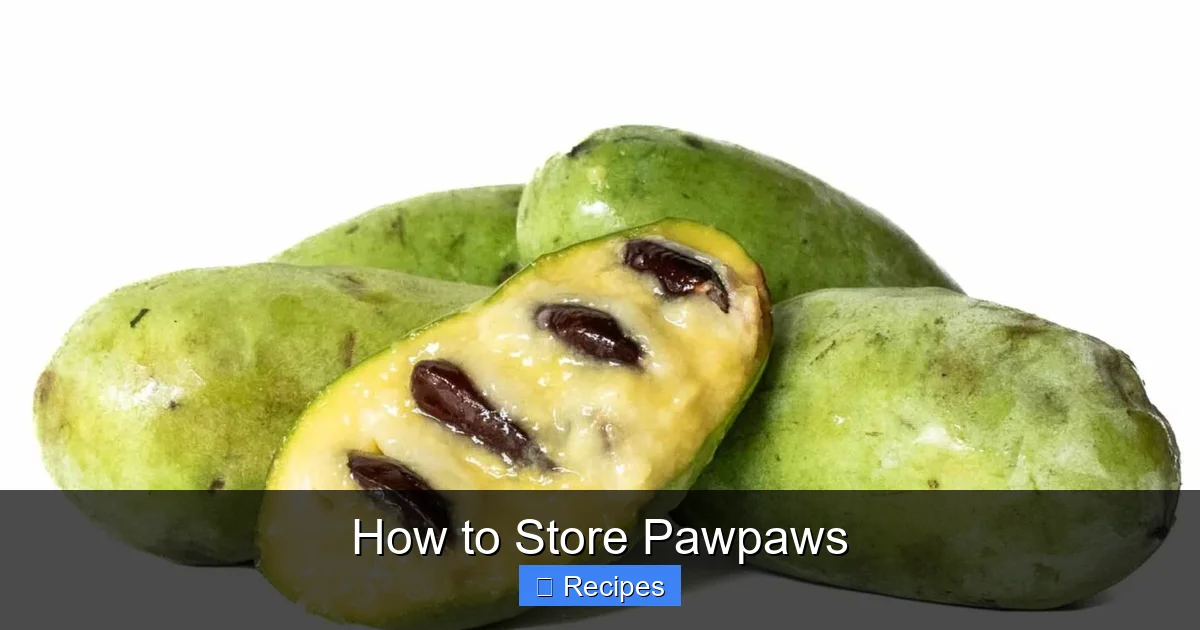
You’ve achieved the perfect ripeness. You’re not ready to eat it just yet, or you have several ripe fruits. This is the moment to employ your refrigerator. Cold temperatures dramatically slow down the enzymatic and respiratory processes that cause fruit to soften and spoil. Proper refrigeration can extend the life of a ripe pawpaw by an additional 3 to 5 days.
Visual guide about How to Store Pawpaws
Image source: askthefoodgeek.com
How to Refrigerate Pawpaws Correctly
The goal is to keep the fruit cold but not too cold, and to prevent it from absorbing other odors or losing moisture. Do not just toss it on a shelf. Follow these steps:
- Do NOT wrap tightly in plastic: Trapping moisture will promote mold and accelerate decay.
- Use a perforated bag or loose wrap: Place the pawpaw in a plastic bag with a few holes poked in it, or loosely wrap it in a paper towel and then a loose plastic bag. This allows for some air circulation while maintaining a slightly humid microclimate to prevent desiccation.
- Store in the crisper drawer: The crisper drawer is designed for fruits and vegetables, maintaining a higher humidity level than the rest of the fridge, which is perfect for preventing the pawpaw from drying out.
- Keep it whole: An uncut, unpeeled pawpaw stores best. Once the skin is broken, the flesh is exposed to air and bacteria, drastically shortening its fridge life.
The “Chill Injury” Warning
It is critical to remember: only refrigerate a pawpaw that is already ripe. Storing an unripe or underripe pawpaw in the fridge will cause chilling injury. The fruit may look fine when you take it out, but its interior will be brown, watery, and lacking in flavor. The cold damages the cell structure irreversibly. If you put a firm pawpaw in the fridge by mistake, return it to room temperature immediately. It may recover somewhat, but it will never reach its full potential.
Checking on Your Refrigerated Pawpaw
Even in the fridge, a ripe pawpaw is a ticking clock. Check it every day. Gently feel it. If the skin is starting to feel very fragile and the fruit is yielding to the slightest touch, use it immediately. The cold will slow but not stop the ripening enzymes. A fruit that was perfectly ripe when put in will be overripe after 4-5 days.
Freezing Pawpaws: The Ultimate Long-Term Storage Solution
When you are blessed with a bumper crop of pawpaws or want to preserve the fleeting season’s harvest, freezing is your most reliable ally. Frozen pawpaw, when prepared correctly, retains its flavor and texture exceptionally well for use in smoothies, baked goods, ice cream, and sauces. The key is proper preparation before freezing.
Visual guide about How to Store Pawpaws
Image source: askthefoodgeek.com
Step 1: Selection and Preparation
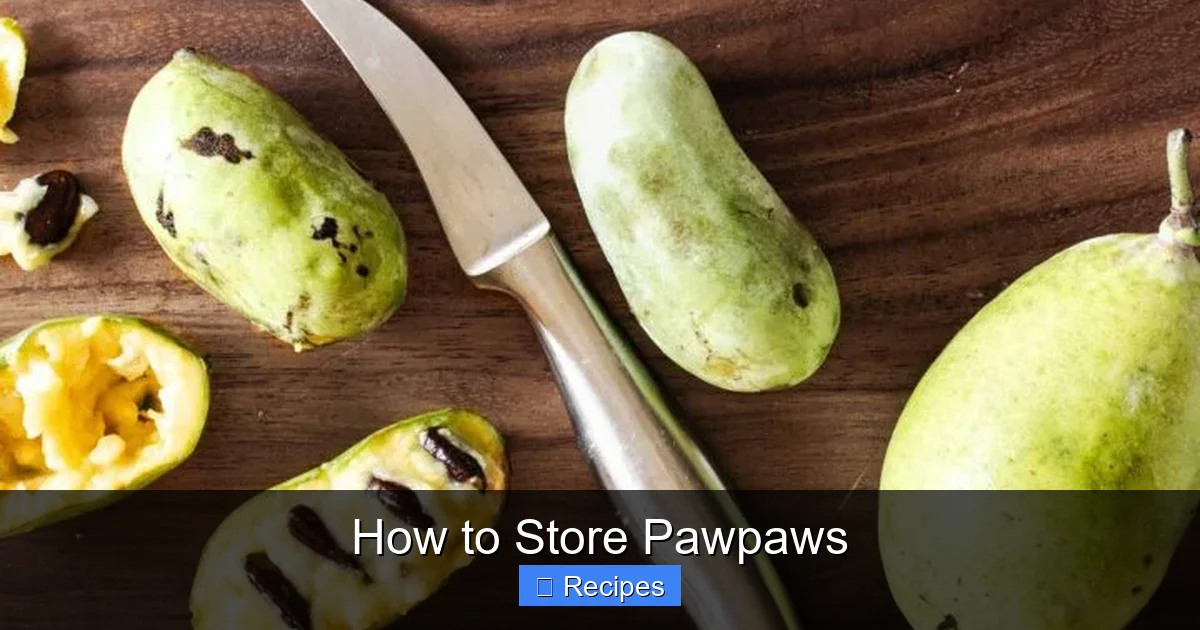
Freeze only pawpaws that are perfectly ripe or even slightly overripe. You are essentially capturing the fruit at its peak. Unripe fruit will not develop properly after freezing and thawing. Wash the fruit thoroughly. Using a sharp knife, slice the pawpaw in half lengthwise. The large, glossy seeds will be visible. Scoop out the seeds and discard them (or try to grow a tree!). Then, use a spoon to scoop the creamy flesh out of the skin. You will be left with a bowl of beautiful, pale-yellow custard.
Step 2: Choosing Your Freezing Format
You have three primary options, each with its own use case:
- Whole Halves or Chunks: After scooping, you can leave the flesh in large sections or cut it into chunks. This is good for later use in recipes where you want distinct pieces, like in a fruit salad (after thawing) or baked into a crisp. Lay the pieces on a parchment-lined baking sheet in a single layer and freeze until solid (this is “flash freezing”). Once frozen, transfer the chunks to an airtight freezer bag or container, squeezing out as much air as possible. This prevents the chunks from freezing together into one solid block.
- Puree (The Most Versatile Method): This is the most popular and useful method. Place the scooped pawpaw flesh into a food processor or blender and puree until completely smooth. You can add a tiny amount of lemon juice (about 1 tsp per 2 cups of puree) to help preserve color, though pawpaw is not prone to severe browning like apples. For ease of use, portion the puree into freezer-safe bags laid flat, or into ice cube trays. Once frozen, pop out the cubes or bags. Pawpaw puree cubes are perfect for adding a single serving of flavor to smoothies, yogurt, or cocktails.
- With Sugar (Optional): For an extra-sweet, syrup-like product, you can mix the puree with a small amount of sugar (start with 1/4 cup sugar per 4 cups of puree) before freezing. This dissolves easily and creates a sweeter base for desserts.
Labeling and Freezer Life
Always label your freezer bags or containers with the contents and the date. Properly frozen pawpaw will maintain its best quality for 10 to 12 months. While it will remain safe to eat indefinitely if kept at 0°F (-18°C), its flavor and texture will slowly degrade over time after a year. When ready to use, thaw puree in the refrigerator overnight. For chunks, you can often use them directly in smoothies or baked goods without thawing first.
Common Pawpaw Storage Mistakes to Avoid
Even with the best intentions, it’s easy to make errors that ruin your pawpaw. Here are the most common pitfalls and how to sidestep them.
Mistake 1: Refrigerating an Unripe Pawpaw
We’ve said it before because it’s the cardinal sin. A cold, unripe pawpaw is a doomed pawpaw. It will never ripen properly. If you’ve already made this error, move the fruit to the counter immediately and hope for the best, but manage your expectations.
Mistake 2: Storing Pawpaws with Ethylene-Sensitive Produce
Pawpaws themselves produce ethylene gas, which accelerates ripening. While you can use this to your advantage in a paper bag, you should generally keep ripening pawpaws separate from other fruits and vegetables, especially those that are sensitive to ethylene or produce a lot themselves. Keep them away from leafy greens (which will yellow), carrots, asparagus, and other delicate produce. Also, storing them right next to bananas or apples will cause the pawpaw to ripen—and spoil—much faster than intended.
Mistake 3: Cutting and Storing a Whole Fruit
It’s tempting to cut into a firm pawpaw to check its ripeness. If it’s not ready, don’t just wrap the cut half and put it in the fridge. The exposed flesh will oxidize and spoil rapidly. If you must cut an unripe fruit to check it, use that portion immediately in a recipe (like a baked good where texture matters less). Otherwise, leave it whole until it’s ready.
Mistake 4: Ignoring the Overripe Fruit
An overripe pawpaw isn’t necessarily garbage. If the flesh is still creamy and only slightly brown at the edges, with a deep, sweet, fermented aroma, it’s perfect for baking. Use it immediately in pawpaw bread, muffins, or cakes. The sugar content is high, and the strong flavor will shine through in baked goods. However, if it’s leaking liquid, has dark, mushy spots, or smells off (sour, alcoholic in a bad way), it’s time to compost it.
Mistake 5: Freezing Without a Plan
Dumping five whole, unpeeled pawpaws into a freezer bag is a recipe for a frozen brick that’s impossible to use. Take the time to peel, seed, and process the fruit into a usable format (chunks or puree) before freezing. This small prep step saves massive frustration later.
Creative Ways to Use Your Stored Pawpaws
All this storage knowledge is for naught if you don’t know what to do with the fruit. Whether you’re using a fruit ripened on the counter, one saved from the fridge, or a cube of frozen puree, the culinary possibilities are vast.
The Simple Joy of Fresh, Ripe Pawpaw
The purest way to enjoy a perfectly stored and ripened pawpaw is to eat it fresh. Cut it in half, scoop out the seeds, and eat the flesh straight from the skin with a spoon. This is the best way to appreciate its delicate, complex flavor. You can also dice it and add it to fruit salads, where its creamy texture provides a beautiful contrast to crisper fruits.
Smoothies and Bowls: The Frozen Puree Star
This is the #1 use for frozen pawpaw puree. Toss a few cubes into a blender with banana, spinach, coconut milk, or yogurt for a decadent, creamy smoothie. The frozen fruit makes the smoothie thick and frosty. For a pawpaw “nice cream,” blend frozen puree cubes with just a splash of milk until it reaches a soft-serve consistency.
Baking with Overripe or Thawed Pawpaw
Pawpaw’s custard-like texture makes it a fantastic ingredient in baked goods, similar to banana or pumpkin. Use thawed puree or very ripe fresh pulp in pawpaw bread, muffins, pancakes, and cakes. It adds incredible moisture, sweetness, and a unique flavor. A simple pawpaw upside-down cake, with caramelized pawpaw slices on top, is a showstopper.
Sauces, Sorbets, and Sophisticated Drinks
Puree can be simmered with a bit of sugar and lemon juice to make a vibrant fruit sauce for pancakes, waffles, or ice cream. It can be churned in an ice cream maker for an unforgettable pawpaw sorbet. For cocktails, muddle fresh pawpaw or use a spoonful of puree in place of banana in a tropical drink. It pairs beautifully with rum, coconut, and citrus.
Conclusion: Mastering the Art of the Pawpaw
Storing pawpaws successfully is a simple dance of observation and timing. It begins with the fundamental skill of knowing when your fruit is ripe. From there, you move to the counter for ripening, the fridge for a short pause, or the freezer for a long winter’s nap. By avoiding the common mistakes—the fridge for unripe fruit, the neglect of overripe gems—you transform this fleeting seasonal treasure into a reliable ingredient in your kitchen. Whether you’re savoring a fresh, fragrant half with a spoon or blending a frosty smoothie with frozen summer memories, you’ve earned that taste of the tropics. So next time you find a pawpaw, take a moment to assess it, choose your storage path, and get ready to enjoy one of nature’s most unique and delicious creations at its absolute best.
Frequently Asked Questions
How long do pawpaws last at room temperature?
A perfectly ripe pawpaw will last at room temperature for only 24-48 hours before becoming overripe. Unripe pawpaws will take 2-5 days to ripen at room temperature.
Can I put an unripe pawpaw in the fridge to make it ripen later?
No. Refrigerating an unripe pawpaw causes chilling injury, damaging its cells. It will likely develop a brown, mealy texture and fail to develop proper flavor even if brought back to room temperature.
What is the best way to freeze pawpaws for smoothies?
Scoop the flesh from perfectly ripe pawpaws and puree until smooth. Pour the puree into ice cube trays and freeze. Once solid, pop out the cubes and store them in a freezer bag. These single-serving cubes are perfect for blending into smoothies.
How can I tell if a stored pawpaw has gone bad?
Signs of spoilage include a very soft, almost liquid texture; dark, sunken spots on the skin; a sour or overly fermented (alcoholic) smell instead of a sweet one; and visible mold. If the flesh inside is excessively brown and mushy, discard it.
Should I store pawpaws with other fruits?
It’s best to store ripening pawpaws separately. They produce ethylene gas, which will cause other fruits (and themselves) to ripen and spoil faster. Keep them away from ethylene-sensitive produce like leafy greens.
Can I use frozen pawpaw the same way as fresh?
Frozen pawpaw, especially when pureed, is excellent for smoothies, baked goods, sauces, and ice cream. Its texture is best suited for blended or cooked applications. It is not ideal for eating fresh or in fruit salads where firm, distinct pieces are desired.