Storing galangal correctly is crucial to preserve its pungent, citrusy flavor and prevent rapid spoilage. The most effective short-term method is wrapping it in a paper towel and placing it in a sealed bag in your refrigerator’s crisper drawer. For long-term storage, you can freeze galangal whole, sliced, or as a paste, or dehydrate it into crispy slices. Always keep it dry, avoid moisture, and label your containers with dates for best results.
Key Takeaways
- Refrigerate for Short-Term: Wrap galangal in a dry paper towel, place in a zip-top bag, and store in the crisper drawer for up to 3 weeks.
- Freeze for Long-Term: Galangal freezes exceptionally well whole, chopped, or as a paste without blanching, lasting 6-12 months.
- Dry for Shelf-Stable Storage: Thinly slice and dehydrate galangal for crispy, aromatic pieces that store in an airtight jar for a year or more.
- Store Prepared Forms: Keep galangal paste in a layer of oil in a sealed jar in the fridge for a month, or vacuum-seal for freezing.
- Moisture is the Enemy: Always ensure galangal is completely dry before storing any way to prevent mold and sogginess.
- Label Everything: Always date your stored galangal, whether in the fridge, freezer, or pantry, to track freshness.
- Check for Spoilage: Discard galangal if it becomes excessively soft, slimy, develops dark spots, or loses its sharp aroma.
📑 Table of Contents
- Introduction: The Fragile Flavor of Galangal
- Why Proper Storage Matters: More Than Just Freshness
- Refrigeration: Your Go-To for Short-Term Freshness
- Freezing Galangal: The Champion of Long-Term Storage
- Drying and Dehydrating: For Shelf-Stable Aroma
- Storing Prepared Galangal: Pastes, Powders, and More
- Special Cases and Troubleshooting
- Conclusion: A Little Prep, A Lot of Flavor
Introduction: The Fragile Flavor of Galangal
Galangal (Alpinia galanga), that aromatic rhizome with its sharp, peppery, and slightly citrusy notes, is the soul of so many Southeast Asian dishes. From the deep, complex heat of a Thai tom yum soup to the fragrant base of a Vietnamese pho, its unique flavor is irreplaceable. Yet, for such a potent ingredient, it can be surprisingly fragile. Buy a large root from the Asian market, use a few slices for a curry, and then what? Too often, the remainder is forgotten in the back of the fridge, only to be discovered weeks later as a sad, shriveled, or moldy lump. Knowing how to store galangal properly isn’t just a kitchen hack; it’s the key to unlocking its flavor potential and ensuring you always have this essential spice on hand. This guide will walk you through every method, from simple fridge storage to advanced preservation, so your galangal stays vibrant and powerful.
Unlike ginger, which can sometimes get away with a bit of neglect, galangal is more susceptible to drying out and losing its volatile essential oils. Its dense, fibrous structure can also trap moisture, creating a perfect environment for mold if not handled correctly. The goal of any storage method is to combat three main enemies: air, moisture, and temperature fluctuations. By creating a stable, dry, and cold environment, you essentially pause the degradation process. Whether you’re a casual cook who uses it once a month or a devotee of Thai cuisine who needs a constant supply, mastering these techniques will save you money, reduce waste, and dramatically improve your cooking. Let’s dive into the specifics, starting with why proper storage matters so much.
Why Proper Storage Matters: More Than Just Freshness
The Science of Spoilage and Flavor Loss
At its core, storing galangal is about managing enzymatic activity and microbial growth. Once harvested, the rhizome continues to respire, slowly breaking down its own starches and fibrous tissues. Exposure to air accelerates this process and leads to oxidation, which dulls its bright, sharp aroma into something musty and weak. Moisture is the catalyst for mold and bacteria. The interior of a galangal root is already quite moist, but surface moisture from washing or a humid fridge creates a slick where spoilage organisms thrive. Properly storing galangal means creating a barrier against these elements.

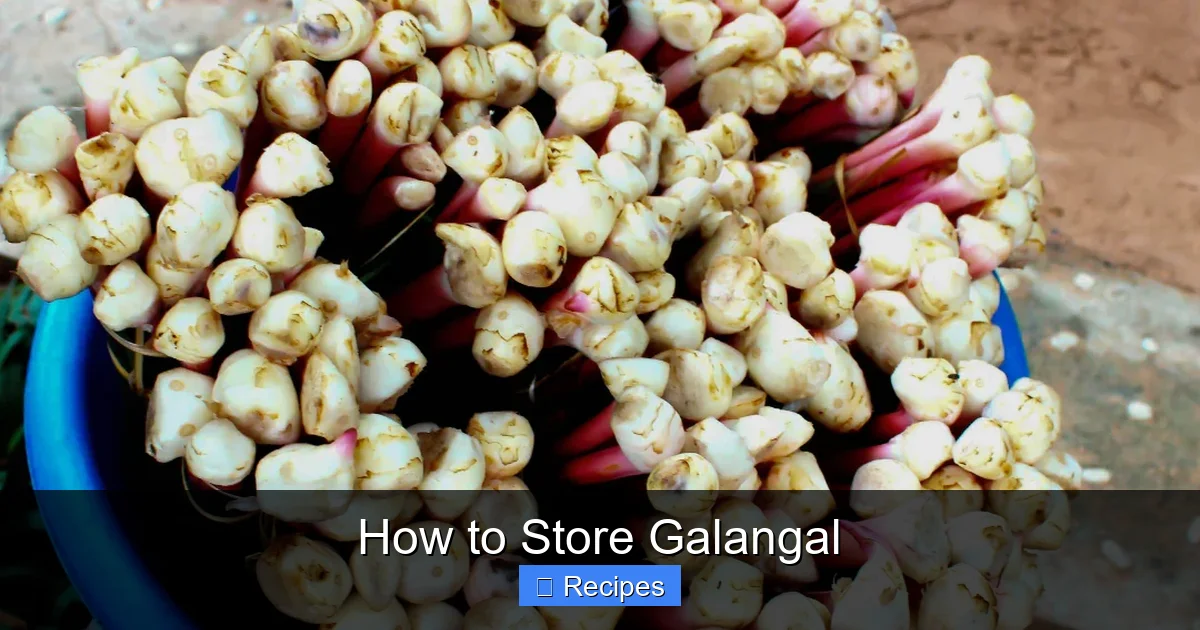
Visual guide about How to Store Galangal
Image source: goasianfood.com
Flavor loss is a more insidious problem. The pungent compounds that give galangal its characteristic kick—like cineole and gingerol—are volatile. They evaporate or degrade when exposed to air, light, and warm temperatures. A piece left unwrapped on a countertop will lose its potency within days, becoming a bland, fibrous shadow of its former self. You might not see mold, but your tom kha kai will taste flat. This is why methods that minimize air exposure (like vacuum sealing) or that preserve the compounds through dehydration are so effective. You’re not just preventing rot; you’re locking in the very essence of the spice.
Economic and Culinary Impact
From a practical standpoint, galangal isn’t always cheap, especially in regions where it’s imported. A large, firm root can cost several dollars. Throwing away half of it because it spoiled is a direct hit to your grocery budget. More importantly, it disrupts your cooking flow. The decision to make a traditional dish often hinges on having fresh aromatics on hand. If your galangal is moldy or flavorless, you might abandon the recipe altogether, missing out on a culinary adventure. By implementing a reliable storage system, you create a “pantry staple” out of a fresh ingredient. You can buy a larger, more economical root, process it upon purchase, and have perfectly preserved portions ready for any spontaneous cooking urge. This transforms galangal from a special-occasion, last-minute shopping trip item into a dependable foundation of your spice arsenal.
Refrigeration: Your Go-To for Short-Term Freshness
The Paper Towel Method: The Gold Standard
For most home cooks who use galangal occasionally, the refrigerator is the first line of defense. However, simply tossing it into a produce drawer is a recipe for disaster. The high humidity in those drawers is great for lettuce but terrible for rhizomes. The universally recommended method among Thai chefs and food scientists is the paper towel technique. Start with a completely dry piece of galangal. If you’ve washed it, pat it meticulously dry with a clean kitchen towel. Then, wrap it snugly in a single layer of dry paper towel. The paper towel does two critical jobs: it wicks away any residual surface moisture that could encourage mold, and it provides a slight buffer against the fridge’s dry air, which can cause the root to shrivel.
Visual guide about How to Store Galangal
Image source: arikina.com
Place the wrapped galangal inside a resealable plastic bag or a small airtight container. Squeeze out as much air as possible from the bag before sealing. This creates a microclimate with controlled humidity. Store this package in your refrigerator’s crisper drawer. The crisper is designed to maintain a slightly higher humidity than the rest of the fridge, which helps prevent dehydration, but the paper towel barrier ensures it doesn’t get too damp. Using this method, a firm piece of galangal can stay fresh, pliable, and aromatic for three to four weeks. You should still check it weekly. If the paper towel becomes damp, replace it with a fresh, dry one.
Common Refrigeration Mistakes to Avoid
The biggest mistake is storing wet galangal. Never rinse it until you’re ready to use it. If you buy it pre-washed at the store, give it an extra thorough drying session at home. Another error is keeping it in a sealed plastic bag without the paper towel. This traps any ambient moisture, creating a steam room effect that leads to slimy decay. Also, don’t store it near ethylene-producing fruits like bananas, apples, or tomatoes. Ethylene gas accelerates ripening and spoilage in many vegetables, and while galangal is a rhizome, it’s still best kept isolated. Finally, don’t cut it until you need it. A whole root will always outlast a cut piece. If you do have a cut end, press a piece of plastic wrap directly onto the cut surface to limit air exposure, then follow the paper towel method for the rest of the root.
Freezing Galangal: The Champion of Long-Term Storage
Freezing Whole or in Chunks
If your goal is to store galangal for six months to a year, freezing is your best friend. The fantastic news is that galangal freezes beautifully and requires no special pretreatment like blanching (which is necessary for many vegetables). The freezing process itself halts enzymatic activity and microbial growth. The key is to prepare it in a way that’s convenient for future use and protects it from freezer burn. For the simplest method, cut your galangal into the chunk sizes you typically use in recipes—often 1-inch pieces or slices. Peel it first if you prefer (the skin is edible but can be tough). Arrange the pieces on a baking sheet lined with parchment paper, making sure they don’t touch. This is called “flash freezing.” Place the sheet in the freezer for 1-2 hours until the pieces are solid. Once frozen, quickly transfer them to a heavy-duty freezer bag or vacuum-seal bag. Remove as much air as possible. This prevents the pieces from clumping together into one giant block and protects against freezer burn. You can then grab a few pieces directly from the bag for your soup or curry without having to thaw the entire portion.

Visual guide about How to Store Galangal
Image source: shuncy.com
Freezing as a Paste or Puree
Many recipes call for galangal to be pounded into a paste or minced finely. To save time later, you can prepare and freeze it in this form. Using a mortar and pestle or a small food processor, blend peeled galangal with a small amount of neutral oil (like vegetable or canola oil) or even with some of the liquid from your recipe (like coconut milk or lime juice) until it forms a smooth paste. The oil acts as a protective barrier, preventing ice crystals from damaging the cell structure and helping it stay separate. Spoon the paste into an ice cube tray, filling each compartment about ¾ full. Once frozen solid, pop out the cubes and store them in a freezer bag. Each cube is typically a perfect single-use portion (about 1-2 tablespoons). You can also use small silicone molds for this. This method is incredibly convenient—no grating or mincing required for future meals.
Thawing and Using Frozen Galangal
One of the best parts of freezing galangal is that you often don’t need to thaw it. For soups and stews, you can toss the frozen chunks or paste cubes directly into the hot liquid. They’ll thaw quickly and release their flavor. If you need to mince it for a stir-fry, you can let a piece thaw on the counter for 10-15 minutes; it will be soft enough to slice or grate. The texture will be softer than fresh—more like a cooked ginger—but the flavor retention is excellent. There is a minor loss of the very top notes of aroma compared to fresh, but for long-term storage, it’s an outstanding trade-off. Never refreeze thawed galangal, as this will cause further texture breakdown and potential flavor dilution.
Drying and Dehydrating: For Shelf-Stable Aroma
Preparing for Dehydration
Drying is the oldest method of food preservation and is perfect for creating a lightweight, shelf-stable galangal that can be stored in your pantry for up to a year. The goal is to remove almost all moisture, making it inhospitable for mold while concentrating the flavors. Start with a very fresh, firm root. Peel it and slice it as thinly as possible, about 1/8-inch thick. Uniformity is key; slices that are too thick will not dry completely and could mold in storage, while slices that are too thin may become brittle and lose flavor. A mandoline slicer is ideal for this task. You can also cut it into small matchsticks (julienne), which dry well and are easy to crumble into dishes.
Dehydration Methods
If you own a food dehydrator, this is the most controlled method. Arrange the slices in a single layer on the dehydrator trays, ensuring they don’t overlap. Set the temperature to 125-135°F (52-57°C). Drying time will vary based on slice thickness and humidity but typically takes 6-10 hours. The galangal is ready when it is crisp and breaks easily, with no visible moisture when snapped. For oven drying, set your oven to its lowest possible temperature (often 170-200°F / 77-93°C). Place slices on a baking sheet lined with parchment paper. Prop the oven door open slightly with a wooden spoon to allow moisture to escape and to keep the temperature from getting too high, which can “cook” the galangal rather than dry it. This method can take 4-8 hours. Check frequently. Sun-drying is possible in very low-humidity climates but is risky due to inconsistent temperatures and potential for contamination.
Storing and Using Dried Galangal
Once completely cool and dry, store your galangal slices or strands in an airtight glass jar. Keep it in a cool, dark, and dry place like a pantry cupboard, away from the stove and direct sunlight. Properly dried and stored, it will retain its aroma for 12-18 months. To use, you can crumble it directly into soups and curries (it will rehydrate in the liquid). For recipes that require a paste or fine mince, you can rehydrate it by soaking the dried pieces in a little warm water for 15-20 minutes, then draining and pounding. The flavor is more concentrated and slightly different—often described as warmer and less sharp than fresh—but it provides a wonderful depth, especially for broth-based dishes. It’s a fantastic backup when fresh galangal isn’t available.
Storing Prepared Galangal: Pastes, Powders, and More
Galangal Paste with Oil
Many cuisines use galangal as a paste, blended with other aromatics like lemongrass, garlic, and shallots. If you’ve made a large batch of such a paste, you can extend its fridge life significantly by adding a layer of oil on top. Transfer the paste to a clean glass jar. Pour a thin layer of neutral oil (about 1/4-inch deep) over the surface. The oil creates an airtight seal that prevents oxidation and mold growth. Store this in the refrigerator, and it should last for 3-4 weeks. Always use a clean spoon to scoop out what you need to avoid introducing contaminants. You can also freeze this paste using the ice cube tray method mentioned earlier. This is arguably the most convenient form to have on hand.
Vacuum Sealing for Maximum Freshness
If you have a vacuum sealer, it’s a powerful tool for storing galangal in any form—whole, sliced, or as a paste. Vacuum sealing removes almost all air, dramatically slowing down oxidation and freezer burn. For fridge storage, vacuum-sealed galangal can last up to two months. For freezer storage, it provides the ultimate protection, preserving flavor and texture for over a year. For the best results, pre-freeze individual portions (like chunks or paste cubes) on a tray first, then vacuum seal them. This prevents the vacuum from sucking the pieces together into a solid mass. If sealing a whole root, make sure it is bone-dry.
Making and Storing Galangal Powder
For an ultra-shelf-stable option, you can dry galangal completely until it’s brittle and then grind it into a fine powder using a spice grinder or mortar and pestle. Sift the powder through a fine-mesh sieve. Store the resulting galangal powder in an airtight container in a cool, dark pantry. It will keep its potency for about a year. While it lacks the fresh, juicy quality of the raw rhizome, the powder is excellent for sprinkling into spice blends, rubs, or dishes where you want the flavor integrated without the fibrous texture. It’s a great way to use up any dried slices you have on hand.
Special Cases and Troubleshooting
Can You Store Galangal in Water?
A common question is whether you can store galangal like ginger, in a jar of water. The short answer is: it’s not recommended. While ginger can develop a sort of “ginger water” that some people use, galangal is much denser and less porous. Storing it in water at room temperature will almost certainly lead to sliminess and rapid spoilage. In the refrigerator, it might last a few days but will become waterlogged and lose its intense flavor. The paper towel method is far superior for maintaining texture and taste.
What About Storing in the Pantry?
In a cool, dark, and very dry pantry, a whole, unpeeled, and unwashed galangal root might last for a week or two. However, this is highly dependent on your specific climate and home temperature. In most modern homes, pantries are not cool or dry enough. The root will begin to shrivel and lose moisture from the ends inward. It’s a high-risk method with inconsistent results. For reliable storage, the fridge or freezer is always the better choice.
Conclusion: A Little Prep, A Lot of Flavor
Mastering how to store galangal transforms this wonderful but perishable ingredient from a source of kitchen anxiety into a pillar of your culinary confidence. The principles are simple: fight moisture, limit air exposure, and control the temperature. For immediate use, the paper towel and crisper drawer method is your effortless daily solution. For building a reserve, embrace your freezer—flash-freezing chunks or making paste cubes gives you instant access to authentic flavor. And for the ultimate in pantry preparedness, invest a few hours in drying and grinding. By taking these steps, you honor the galangal’s potent character, reduce waste, and ensure that whenever the craving for a fiery tom yum or a fragrant curry strikes, you have the soul of the dish ready and waiting. So next time you bring home that beautiful, knobby root, don’t just stash it away. Process it with purpose, and let its vibrant spirit elevate your cooking for months to come.
Frequently Asked Questions
How long does fresh galangal last in the refrigerator?
When stored properly using the paper towel method in a sealed bag in the crisper drawer, fresh galangal will last for 3 to 4 weeks. Always check for soft spots, sliminess, or an off smell before using.
Do I need to peel galangal before freezing it?
You can freeze galangal with the skin on, but peeling it first is highly recommended. The skin is edible but tough and fibrous. Peeling ensures you get pure, easy-to-use flesh when you later grate or mince the frozen pieces.
Can I refreeze galangal after it has been thawed?
It is not advisable to refreeze thawed galangal. The thawing process allows ice crystals to melt and then refreeze, which further breaks down the cell structure, leading to a mushy texture and potential flavor loss. Freeze in pre-portioned amounts to avoid waste.
What is the best way to store galangal paste?
For short-term storage (up to 1 month), keep the paste in a clean glass jar with a thin layer of oil on top to seal it from air. For long-term storage, portion it into ice cube trays, freeze, and then store the cubes in a freezer bag for up to 6 months.
How can I tell if my galangal has gone bad?
p>Discard galangal if it feels excessively soft or mushy, has a slimy texture, shows dark or discolored spots, or has lost its sharp, citrusy-pungent aroma and smells musty or fermented. A slight drying at the ends is normal and can be trimmed away.
Is dried galangal as good as fresh?
Dried galangal offers a different, more concentrated and warmer flavor profile compared to the bright, sharp punch of fresh. It’s excellent for soups and stews where it can rehydrate, but it won’t replicate the exact fresh taste. It’s a fantastic, shelf-stable alternative when fresh isn’t available.