Proper hummus storage is crucial for food safety and maintaining its creamy texture and flavor. Always refrigerate hummus in an airtight container, and consume homemade versions within 3-5 days. For longer storage, hummus freezes well for up to 4 months, though texture may change slightly. Store-bought hummus lasts longer due to preservatives but should still be refrigerated after opening. Key practices include using clean utensils to prevent contamination and adding a thin layer of olive oil to seal the surface.
Key Takeaways
- Refrigerate Immediately: Both homemade and store-bought hummus (after opening) must be kept in the refrigerator at or below 40°F (4°C) to slow bacterial growth.
- Airtight is Essential: Store hummus in a truly airtight container to prevent it from drying out, absorbing other food odors, and being exposed to air which accelerates spoilage.
- Shelf Life Varies: Homemade hummus lasts 3-5 days in the fridge. Unopened, preservative-packed store-bought hummus can sit unrefrigerated until its “best by” date, but once opened, it also follows the 5-7 day refrigerator rule.
- Freezing Works Well: Hummus freezes successfully for 2-4 months. Use portioned containers or ice cube trays. Expect a slightly grainier texture after thawing and stirring, which can be improved with a splash of lemon juice or water.
- Watch for Spoilage: Discard hummus if it develops a sour or off smell, visible mold, significant discoloration, or an unusually watery layer on top that doesn’t mix back in.
- The Olive Oil Trick: Before sealing the container, smooth the hummus surface and drizzle a thin layer of olive oil over it. This creates a protective barrier against air, helping to prevent a dry, crusty skin from forming.
- Clean Utensils Only: Always scoop hummus with a clean, dry spoon or knife. Introducing moisture or bacteria from a dirty utensil is the fastest way to spoil the entire batch.
📑 Table of Contents
- Why Storing Hummus the Right Way Isn’t Just a Suggestion
- The Golden Rule: Refrigeration Fundamentals
- Homemade vs. Store-Bought: A Storage Tale of Two Dips
- Freezing Hummus: Your Long-Term Preservation Strategy
- Spotting Spoilage: When to Say Goodbye
- Pro Tips and Advanced Storage Hacks
- Conclusion: Making Every Bite Count
Why Storing Hummus the Right Way Isn’t Just a Suggestion
Hummus. That creamy, garlicky, lemony dip that has conquered the world. Whether you’re slathering it on a warm pita, using it as a veggie dip, or secretly eating it straight from the container with a spoon (no judgment here!), its deliciousness is undeniable. But here’s the thing: that beautiful blend of chickpeas, tahini, olive oil, and lemon juice is a perfect breeding ground for bacteria if not handled correctly. Unlike a hard, aged cheese or a dry cracker, hummus’s high moisture content and neutral pH make it perishable. Improper storage doesn’t just mean a slight loss of peak freshness; it can lead to foodborne illness. Understanding how to store hummus properly is the key to unlocking its full potential, safeguarding your health, and stopping food waste in its tracks. It’s the unsung hero of enjoying this fantastic food.
The Enemy: Time, Temperature, and Air
Three main factors dictate hummus’s lifespan. First, time. Every minute it sits in the “danger zone” (40°F to 140°F or 4°C to 60°C), bacteria multiply. Second, temperature. Cold slows everything down. That’s why your refrigerator is your best friend. Third, and often overlooked, is air. Exposure to oxygen causes fats to oxidize (leading to rancid flavors) and the surface to dry out and form that unpleasant skin. Our storage strategies are all about minimizing these three enemies.
The Golden Rule: Refrigeration Fundamentals
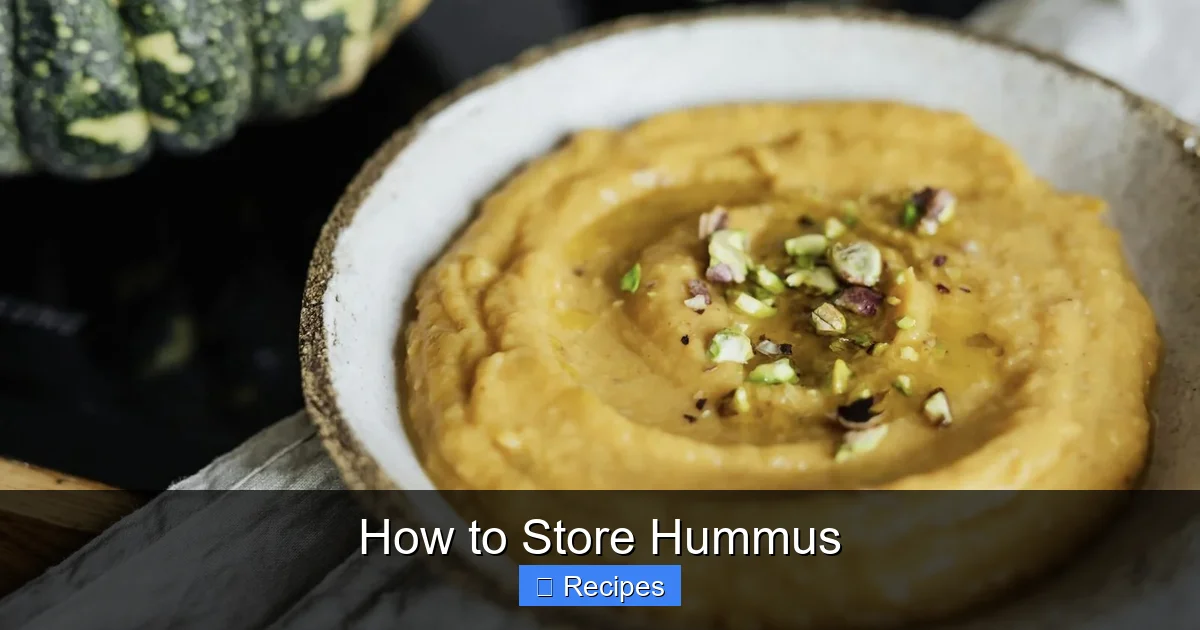
Let’s start with the non-negotiable. Once hummus is made or its store-bought seal is broken, the refrigerator is its new home. The consistent, cold temperature (at or below 40°F / 4°C) dramatically slows microbial activity. But simply popping the lid on and shoving it in the fridge door isn’t enough. The door experiences temperature fluctuations every time it’s opened. Store your hummus on a main shelf, preferably in the back where it’s coldest.
Visual guide about How to Store Hummus
Image source: homemaking.com
Container Choice: Airtight is Everything
The container is your hummus’s armor. You need something that creates a perfect seal. Glass jars with rubber gaskets and locking lids (like Kiln or Mason jars) are excellent. BPA-free plastic containers with snap-seal lids work well too. Avoid the original plastic tub from the store if its lid doesn’t seal tightly after repeated use. For an ultra-seal, you can press a piece of parchment paper directly onto the hummus surface before sealing the lid. The goal is zero air contact.
Location, Location, Location
As mentioned, avoid the fridge door. The back of a lower shelf is ideal. Also, keep it away from strong-smelling foods like onions, garlic, or leftover takeout. Hummus, especially tahini-based, can act like a sponge for odors. If your fridge has a dedicated deli or cheese drawer with humidity control, that’s a great spot as it maintains a more stable environment.
Homemade vs. Store-Bought: A Storage Tale of Two Dips
This is a critical distinction. The presence (or absence) of preservatives changes the game entirely.
Visual guide about How to Store Hummus
Image source: homemaking.com
The Homemade Champion (No Preservatives)
Your lovingly crafted hummus, made with fresh lemon juice, garlic, and perhaps some roasted red peppers or herbs, is pure and preservative-free. This means its shelf life is short. Plan to eat it within 3 to 5 days. Always use the cleanest utensils. If you know you won’t finish it in that window, your best move is to freeze it (more on that next). A tip: if your homemade hummus seems a bit thick after refrigeration, whisk in a teaspoon of warm water or olive oil to restore its creamy consistency before serving.
The Store-Bought Contender (With Preservatives)
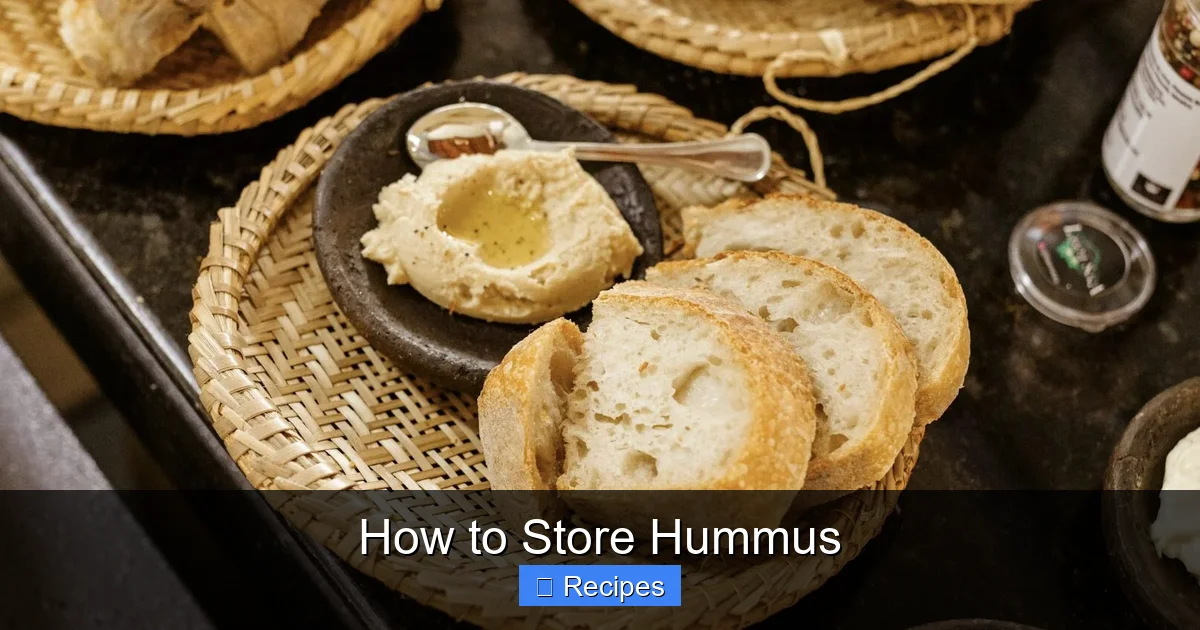
Commercial hummus is a different beast. Brands add ingredients like potassium sorbate or sodium benzoate to extend shelf life and inhibit mold and yeast. This is why an unopened, shelf-stable tub can sit in your pantry for months, per its “best by” date. The rule changes the moment you break that seal. Once opened, the preservative protection diminishes, and it becomes susceptible to environmental contaminants. The industry standard is to refrigerate and consume within 5 to 7 days. Always check the label—some brands explicitly say “refrigerate after opening,” while others may not, but the safe practice is to always chill it post-opening.
Freezing Hummus: Your Long-Term Preservation Strategy
What if you made a huge batch? Or you bought a bulk container on sale? Freezing is your solution. Hummus freezes quite well, but with one major caveat: the texture will change. The water in the hummus forms ice crystals, which can puncture cell walls in the chickpeas and tahini, leading to a slightly grainier, less silky-smooth texture upon thawing. However, the flavor remains fantastic, and for uses like spreading on sandwiches, mixing into grain bowls, or blending into a soup, it’s perfectly acceptable.
Visual guide about How to Store Hummus
Image source: thekitchenix.com
How to Freeze for Success
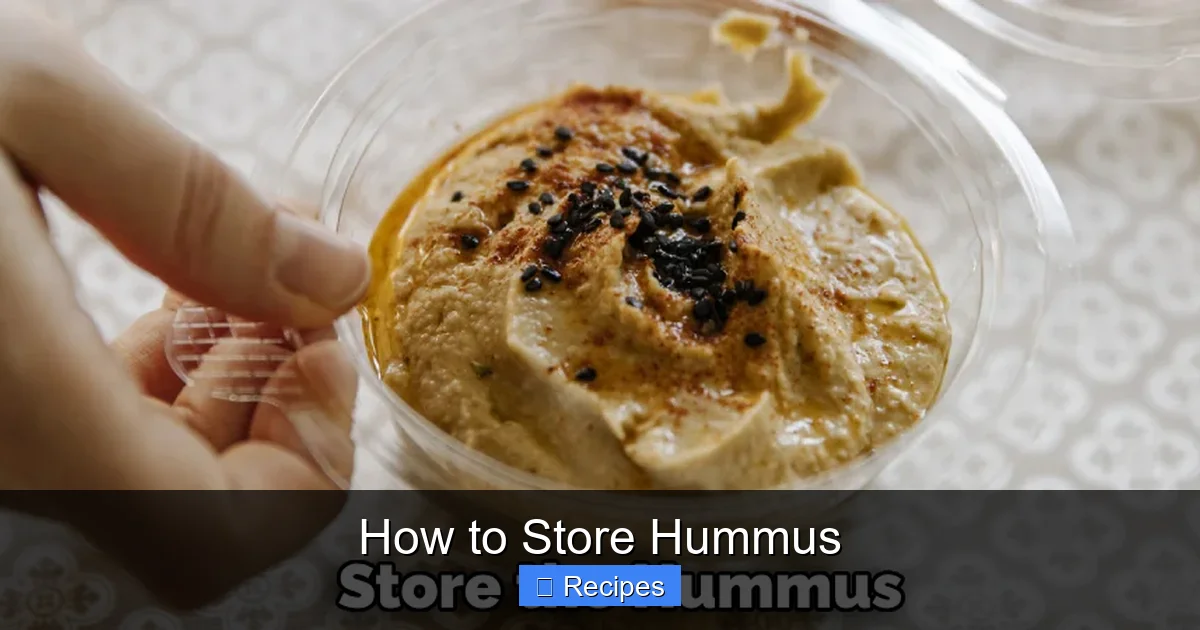
Portioning is key. Don’t freeze the entire large container if you only use a cup at a time. Use smaller, airtight containers or even ice cube trays. If using trays, freeze the cubes solid, then pop them out into a freezer bag. This lets you thaw exactly what you need. Leave about ½ inch of headspace in containers, as liquids expand when frozen. Label everything with the date! Frozen hummus is best used within 2 to 4 months.
Thawing and Reviving
The best method is slow thawing in the refrigerator overnight. Do not thaw at room temperature. Once thawed, you’ll likely notice some separation—a watery layer on top and a denser, drier layer below. This is normal. Stir vigorously. To bring back some of that lost creaminess, whisk in a tablespoon of fresh lemon juice, a drizzle of olive oil, or even a teaspoon of warm water. You can also briefly blend it in a food processor for a minute to re-emulsify it. Use it within 3 days of thawing. Do not refreeze.
Spotting Spoilage: When to Say Goodbye
Your senses are your best tools here. Hummus gone bad is usually obvious. If you have any doubt, throw it out. It’s not worth the risk. Look for these clear signs:
- Smell: A sour, yeasty, or generally “off” odor is the first and most common indicator. Fresh hummus smells of tahini, lemon, and garlic. A sour smell means bacterial fermentation has occurred.
- Sight: Any visible mold—white, green, black, or pink fuzz—means immediate disposal. Also, look for significant discoloration, like darkening around the edges or an unusual pinkish hue.
- Texture: While some water separation is normal and can be stirred back in, an excessive amount of watery liquid that doesn’t incorporate, or a slimy, sticky film on the surface, is a bad sign.
- Taste: If it passes the smell and look test but tastes sour or bitter instead of tangy and savory, don’t swallow it. Spit it out and discard the container.
Remember, the “best by” date on an unopened container is about quality, not safety. Once opened, the clock starts ticking regardless of that date.
Pro Tips and Advanced Storage Hacks
Beyond the basics, these strategies will elevate your hummus storage game and ensure every scoop is perfect.
The Sacred Olive Oil Layer
This is the professional’s secret. After transferring hummus to its storage container, use the back of a spoon to smooth the surface completely flat. Then, slowly drizzle a thin, even layer of good-quality extra virgin olive oil over the top. Just enough to coat it. Seal the container. This oil layer acts as a physical barrier against air, preventing that dreaded dry crust from forming and helping to maintain moisture. Simply stir the oil back in when you serve.
Portioning for Peace of Mind
Don’t keep one massive container in the fridge that you repeatedly open. Every introduction of a warm spoon and air exposure degrades the whole batch. Instead, immediately after making or opening a large tub, portion it into single-serve or meal-prep sized containers. You only expose what you’ll use, keeping the rest pristine.
Reviving Separated or Thick Hummus
Hummus can separate or thicken in the fridge. The fix is almost always liquid and elbow grease. Start with a teaspoon of warm (not hot) water. Stir vigorously with a fork or whisk. If it’s still too thick, add another teaspoon. You can also use the oils already in hummus: add a drizzle of the olive oil it was made with, or even a bit of the flavorful oil from a jar of sun-dried tomatoes if you’re using a flavored hummus. The goal is to re-emulsify the tahini and water/oil. A quick 30-second zap in a blender or food processor is the ultimate revival tool.
A Note on Flavor-Infused Hummus
If your hummus contains fresh herbs (parsley, cilantro), roasted vegetables, or other mix-ins, its shelf life may be even shorter due to the added perishable ingredients. Treat it like the homemade version and consume within 3-4 days. The freezing method still applies, but be aware that the texture of the add-ins (like roasted red pepper pieces) may become softer after thawing.
Conclusion: Making Every Bite Count
Storing hummus correctly is a simple yet powerful practice that bridges the gap between a delicious, safe snack and a potential waste or health hazard. The core principles are straightforward: cold, airtight, clean, and aware. Refrigerate promptly in a true sealable container, use only pristine utensils, and be mindful of the different timelines for homemade and opened store-bought versions. When you have more hummus than you can eat in a week, embrace your freezer as a valuable tool, portioning wisely and accepting a minor texture shift for long-term preservation. By adding the pro tip of an olive oil seal and learning how to revive separated hummus, you ensure that every spoonful is as delightful as the first. Hummus is a gift—treat it with the storage respect it deserves, and it will reward you with countless moments of creamy, savory joy.
Frequently Asked Questions
Can hummus be left out at room temperature?
No. Like other perishable foods, hummus should not sit in the “danger zone” (40°F-140°F) for more than two hours. If the room is very warm (above 90°F), that window shrinks to just one hour. Leaving hummus out all day at a party risks bacterial growth and spoilage.
How long can you freeze hummus?
For optimal flavor and texture, frozen hummus is best used within 2 to 4 months. While it remains safe beyond that, freezer burn and flavor degradation become more likely. Always label containers with the freezing date.
Why does my hummus get watery in the fridge?
Separation is a natural process as the emulsion of oil and water breaks down over time. The watery liquid is simply the liquid components separating. This is normal and not necessarily a sign of spoilage. You can simply stir it back in before serving, or use the olive oil layer trick to minimize it.
How do you thaw frozen hummus?
The safest method is to transfer it from the freezer to the refrigerator and let it thaw slowly overnight. Do not thaw at room temperature. Once thawed, stir vigorously. If the texture is grainy, whisk in a tablespoon of lemon juice, olive oil, or warm water to help re-emulsify it.
Can I store hummus with the olive oil layer in the freezer?
Yes, you can apply the olive oil layer before freezing. It will still help protect the surface from freezer burn. However, note that the oil may solidify slightly in the freezer but will liquefy again upon thawing. The primary purpose in freezing is to prevent ice crystals from directly contacting the hummus surface.
How long does an unopened, refrigerated store-bought hummus last past its “best by” date?
An unopened, refrigerated store-bought hummus (that was sold in the refrigerated section) may still be safe for about 1-2 weeks past its printed “best by” date if it has been continuously refrigerated and shows no signs of spoilage (off smell, mold). However, quality and flavor will likely have declined. When in doubt, throw it out. Unrefrigerated, shelf-stable hummus must be kept unopened until its date and then refrigerated after opening.