Sauteing in an Instant Pot is quick, safe, and adds incredible flavor to any dish. This guide walks you through the setup, temperature control, and essential tips so you can master the sauté function like a pro. From basic techniques to tasty recipe ideas, you’ll be ready to elevate every meal.
Key Takeaways
- Instant Pot sauté mode is versatile: works for browning, deglazing, and quick sauces.
- Preheat the pot: a 2‑minute warm‑up prevents sticking and ensures even cooking.
- Use the right oil: high‑smoke‑point oils like avocado or canola work best.
- Don’t overcrowd: give food space to brown; cook in batches if needed.
- Deglaze promptly: add liquid after browning to lift caramelized bits and avoid burn warnings.
- Adjust temperature: “More” for high heat, “Less” for gentle simmer.
- Clean the inner pot: a quick soak and non‑abrasive scrub keeps it ready for the next use.
📑 Table of Contents
Introduction: Why Saute in an Instant Pot?
Picture this: you’re ready to make a hearty stew, a savory pasta sauce, or a quick stir‑fry, but you don’t want to juggle multiple pans. The Instant Pot’s sauté function lets you brown meat, soften veggies, and build flavor—all in one pot. No extra cookware, less mess, and a fraction of the time.
Many new owners think the Instant Pot is only for “slow‑cooking” or “pressure‑cooking.” That’s a common misconception. The sauté mode is essentially a stovetop pan that heats evenly, thanks to the pot’s metal base and precise temperature control. Whether you’re a beginner or a seasoned home chef, mastering sauté will unlock a whole new level of convenience.
Understanding the Saute Function
What “Saute” Really Means
In culinary terms, sauté means to cook quickly in a small amount of fat over relatively high heat. The goal is to brown the surface of the food, creating caramelized flavors and a pleasant texture. In the Instant Pot, “Saute” mimics this process using an electric heating element underneath the inner pot.
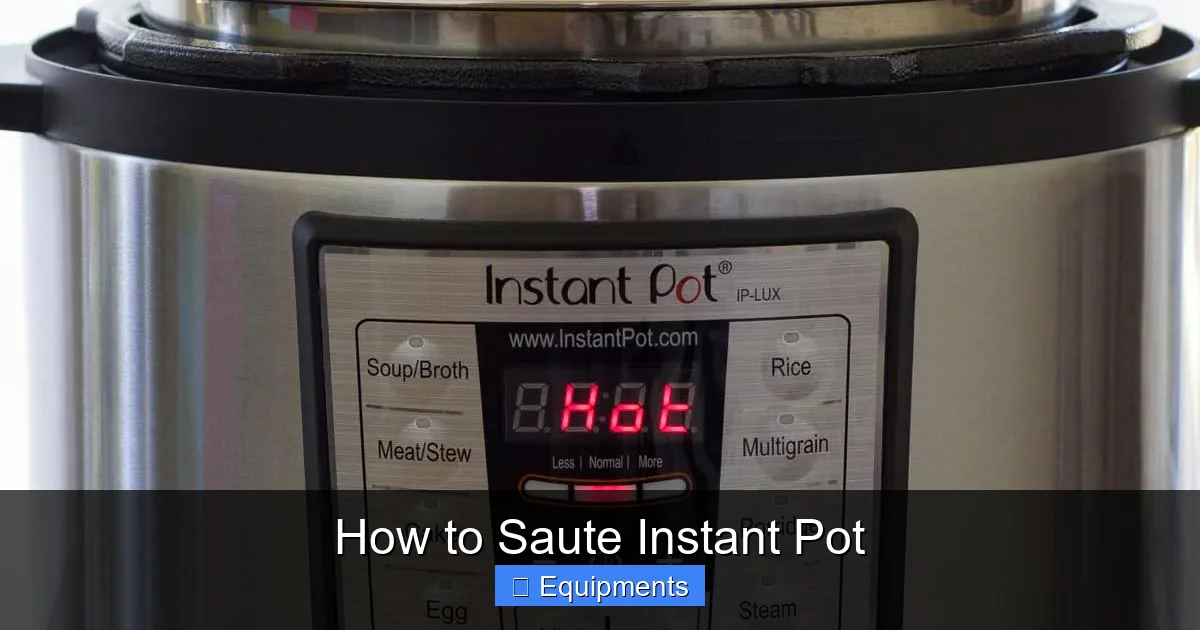
Visual guide about How to Saute Instant Pot
Image source: kristineskitchenblog.com
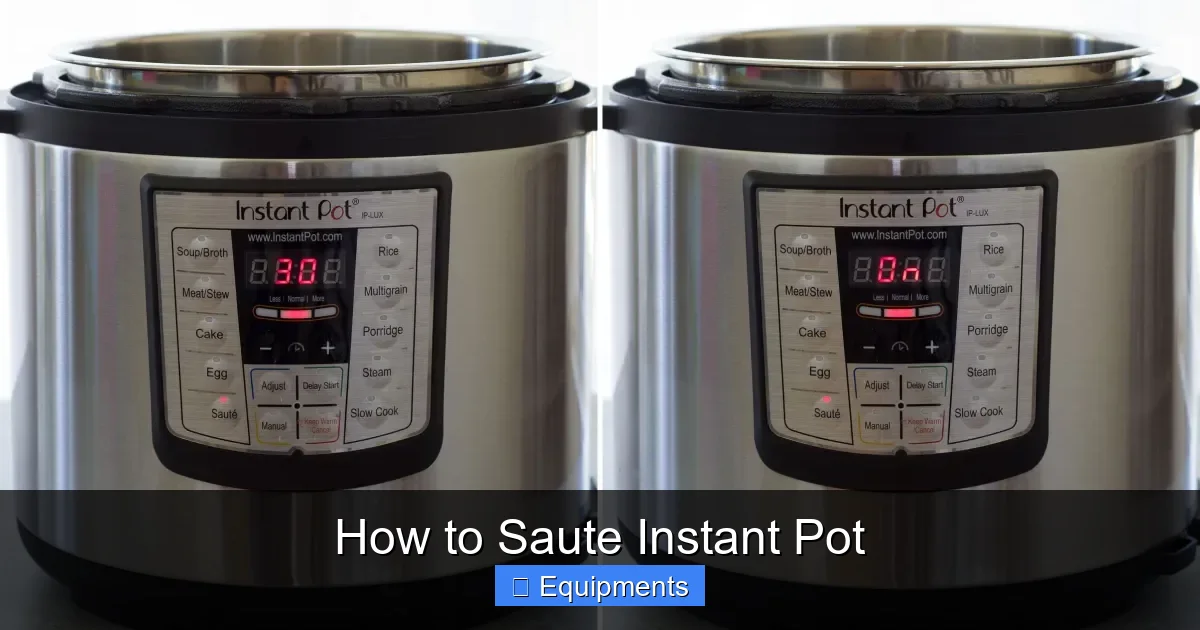
Temperature Settings: More, Less, and Normal
- More: Highest heat, perfect for searing steaks or browning ground meat.
- Normal: Medium heat, ideal for onions, garlic, and veggies.
- Less: Low heat, great for simmering sauces after deglazing.
Most recipes start with “More” to get a good sear, then switch to “Normal” or “Less” for gentle cooking.
Safety Features You Should Know
The Instant Pot has built‑in sensors that detect “burn” conditions. If you see the “Burn” warning, it usually means there’s not enough liquid or food is stuck to the bottom. The solution is simple: add a splash of broth, water, or wine, and scrape the bottom with a wooden spoon.
Step‑by‑Step Guide to Sauteing in Your Instant Pot
1. Prepare Your Ingredients
Cut meat into uniform pieces (about 1‑inch cubes) and pat them dry with paper towels. Dry surfaces brown better. Chop vegetables to a similar size so they cook evenly.
Visual guide about How to Saute Instant Pot
Image source: i0.wp.com
2. Select the Saute Mode
Press the “Saute” button. The display will show “Hot” after a few seconds. If your model has temperature options, tap “More” for high heat.
3. Add Oil
Pour 1‑2 tablespoons of high‑smoke‑point oil (avocado, canola, grapeseed). Swirl to coat the bottom. Let the oil heat for 30‑45 seconds— you’ll see a slight shimmer.
4. Brown the Protein
Place the meat in a single layer. Do not overcrowd; the pot will steam instead of brown. Let it sit untouched for 2‑3 minutes, then flip and brown the other side. Remove and set aside.
5. Sauté Aromatics
With the pot still hot, add onions, garlic, or ginger. Stir constantly for 2‑4 minutes until fragrant and translucent. This step builds the flavor base.
6. Deglaze the Pot
Pour in ¼‑½ cup of liquid (broth, wine, or water). Scrape the browned bits with a wooden spoon. Those caramelized pieces are flavor gold and will prevent a “Burn” alert.
7. Return Ingredients & Finish Cooking
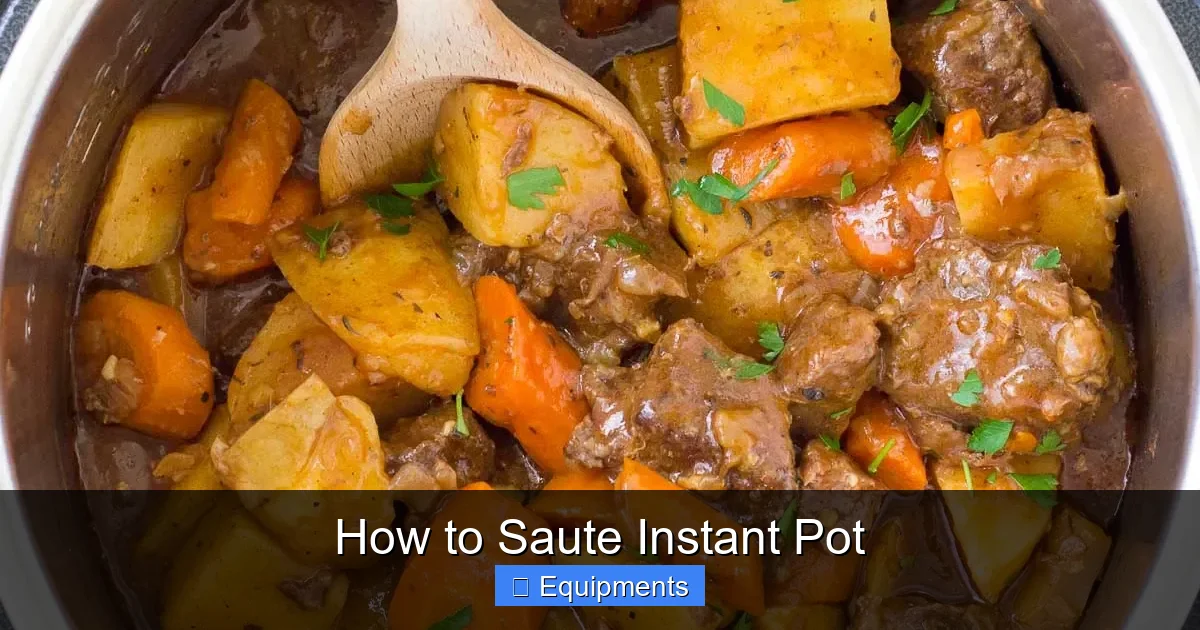
Put the browned meat and any other veggies back into the pot. If you’re making a stew, add remaining liquid now. Switch the Instant Pot to “Pressure Cook” (high pressure) for the required time, then release pressure as directed.
Tips & Tricks for Perfect Saute Results
Choose the Right Oil
Low‑smoke oils (olive oil, butter) can burn at “More” heat, creating off‑flavors. Save them for the “Less” setting or add them at the end for richness.
Visual guide about How to Saute Instant Pot
Image source: i0.wp.com
Avoid Overcrowding
Think of the pot as a skillet. If you pile too much in, steam forms and you’ll end up with boiled meat, not browned. Cook in batches and clear the pot between rounds if needed.
Use a Wooden Spoon
Metal utensils can scratch the stainless inner pot. A wooden or silicone spoon is gentle and helps lift stuck bits without damaging the surface.
Control Moisture
Too much liquid before deglazing can cause the pot to steam rather than brown. Keep liquids to a minimum until you’re ready to deglaze.
Temperature Adjustments Mid‑Cook
If you notice food is browning too quickly, tap “Less” to lower the heat. Conversely, if it’s not browning, switch to “More” for a few extra seconds.
Delicious Recipes to Practice Your Saute Skills
Classic Beef Stroganoff
1. Saute 1 lb beef strips on “More” until browned.
2. Remove beef, sauté 1 diced onion and 2 minced garlic cloves on “Normal.”
3. Deglaze with ½ cup red wine, scrape the bottom.
4. Return beef, add 1 cup beef broth, 1 tsp paprika, and pressure cook 10 min.
5. Finish with ½ cup sour cream on “Less” for a creamy finish.
Quick Veggie Stir‑Fry
1. Heat “More” with 1 tbsp sesame oil.
2. Add sliced carrots, bell peppers, and snap peas; stir 3‑4 min.
3. Add 2 tbsp soy sauce, 1 tsp ginger, and a splash of water; simmer on “Less” 2 min.
4. Serve over rice or noodles.
One‑Pot Tomato Basil Pasta
1. Saute 2 minced garlic cloves on “Normal” with 2 tbsp olive oil.
2. Add 1 can diced tomatoes, 2 cups vegetable broth, 8 oz uncooked pasta, and a pinch of salt.
3. Pressure cook 5 min, quick release.
4. Stir in fresh basil and ¼ cup grated Parmesan.
Cleaning and Maintenance After Sauteing
Immediate Clean‑Up
Turn off the Instant Pot and let the inner pot cool for a few minutes. Fill it with warm, soapy water and let it soak for 10 minutes. Use a non‑abrasive sponge to wipe away any remaining residue.
Deep Cleaning Tips
- For stubborn burnt spots, create a paste of baking soda and water. Apply, let sit 15 min, then scrub gently.
- Avoid harsh scouring pads—they can scratch the stainless steel.
- Check the sealing ring and steam release valve for food particles; remove them and rinse well.
Conclusion: Saute Like a Pro, Every Time
Sauteing in an Instant Pot is a game‑changer. It saves time, reduces dishes, and creates richer flavors than a microwave‑only approach. By following the steps, safety tips, and recipe ideas above, you’ll quickly become confident with the sauté function. So fire up your Instant Pot, grab your favorite ingredients, and enjoy the satisfying sizzle of perfectly browned food—all in one convenient pot.
Frequently Asked Questions
Can I sauté without adding oil?
Yes, you can use a dry sauté for foods that release their own fat, like bacon or ground pork. However, most vegetables and lean proteins benefit from a thin layer of oil to prevent sticking.
What’s the difference between “Saute” and “Brown/Sear” settings?
Some Instant Pot models label the high‑heat option as “Sear/Brown.” It functions the same as “More” on the sauté setting—use it for a deep, caramelized crust.
Do I need to use the “Delay Start” feature for sauté?
No. Delay start is intended for slow cooking or pressure cooking. For sauté, you want immediate heat, so start the function right away.
How do I prevent the “Burn” warning when sautéing?
Make sure there’s enough liquid after browning, deglaze promptly, and avoid letting the pot run dry. If the warning appears, add a splash of broth or water and scrape the bottom.
Can I sauté frozen meat directly in the Instant Pot?
It’s not recommended. Frozen meat releases water as it thaws, which can cause steaming instead of browning. Thaw the meat first for the best sear.
Is the sauté function suitable for making sauces?
Absolutely. After browning aromatics, you can add tomatoes, cream, or broth, then simmer on “Less” to reduce the sauce to your desired thickness.