Got a Fusionheat oven that won’t heat, sparks, or shows error codes? This guide walks you through diagnosing the problem, swapping out faulty parts, and performing routine maintenance so you can get back to baking faster. Follow the simple, illustrated steps and avoid costly service calls.
Key Takeaways
- Identify the symptom first: Knowing whether the oven won’t heat, displays error codes, or has uneven temperature helps narrow the fix.
- Safety is paramount: Always unplug the oven and use a multimeter before touching any electrical component.
- Common culprits: Faulty heating element, broken temperature sensor, bad control board, and tripped thermal fuse are the top three causes.
- DIY replacements are easy: Most parts snap in or require only a screwdriver, and the guide includes exact torque specs.
- Routine maintenance prevents future failures: Clean the interior, check door seals, and calibrate the thermostat every six months.
- When to call a professional: If the control board shows signs of burn or the oven still misbehaves after part swaps, call a certified technician.
- Cost‑effective solutions: Replacing a heating element or sensor costs $30‑$80, far cheaper than a full service call.
📑 Table of Contents
- Introduction: Why Your Fusionheat Oven Might Need a Fix
- 1. Safety First: Preparing Your Workspace
- 2. Diagnosing Common Symptoms
- 3. Replacing the Heating Element
- 4. Fixing a Faulty Temperature Sensor
- 5. Dealing with a Bad Control Board
- 6. Routine Maintenance to Prevent Future Breakdowns
- Conclusion: Keep Your Fusionheat Oven Cooking Like New
Introduction: Why Your Fusionheat Oven Might Need a Fix
Fusionheat ovens are popular for their even heating and sleek design, but like any appliance, they can develop problems over time. Whether you’re a first‑time homeowner or a seasoned chef, a malfunctioning oven can throw a wrench into dinner plans.
In this article we’ll walk through the most common issues, show you how to diagnose them, and give you step‑by‑step instructions to fix the problem yourself. The tone is friendly—think of me as the neighbor who knows a thing or two about ovens and wants to help you avoid a pricey service call.
1. Safety First: Preparing Your Workspace
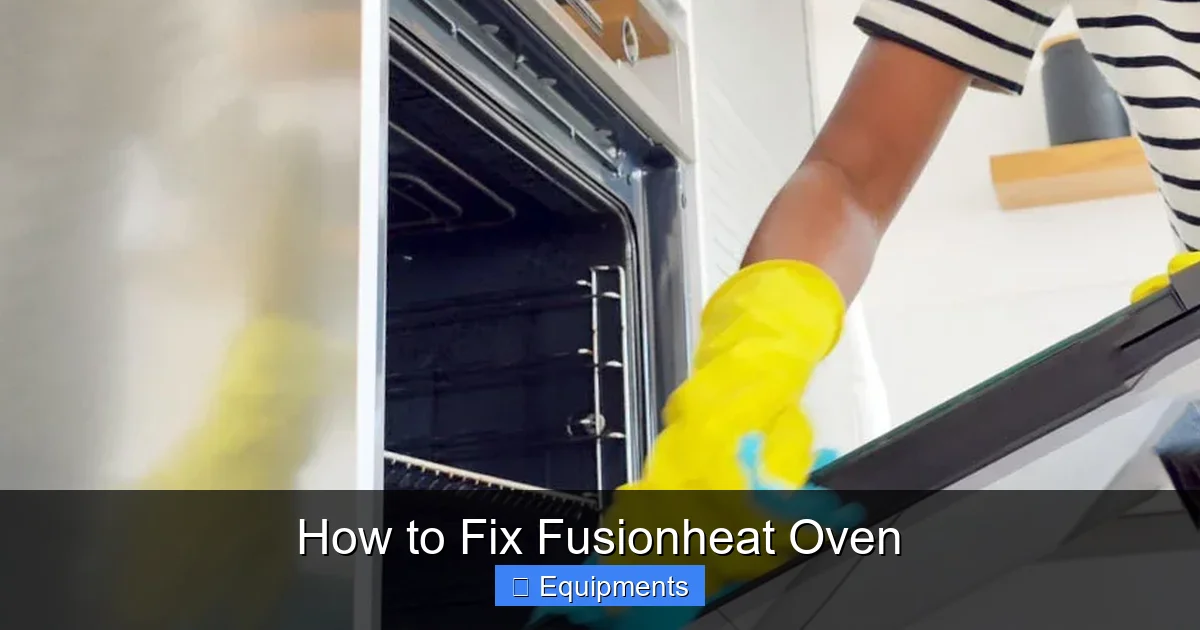
Unplug and Discharge
Before you touch any part of the oven, unplug it from the wall outlet. If your kitchen has a dedicated circuit breaker, switch it off. Wait at least five minutes for any residual voltage to drain.
Visual guide about How to Fix Fusionheat Oven
Image source: homekitchtech.com
Gather the Right Tools
- Phillips and flat‑head screwdrivers (size #2 works for most Fusionheat models)
- Multimeter (digital preferred)
- Nut driver set (for mounting brackets)
- Gloves and safety glasses
- Replacement parts (heating element, temperature sensor, thermal fuse, control board)
Take Photos
Snap a quick picture of the interior wiring before you disconnect anything. It saves you time when re‑assembling and helps you spot any loose or corroded connections later.
2. Diagnosing Common Symptoms
2.1 Oven Won’t Heat
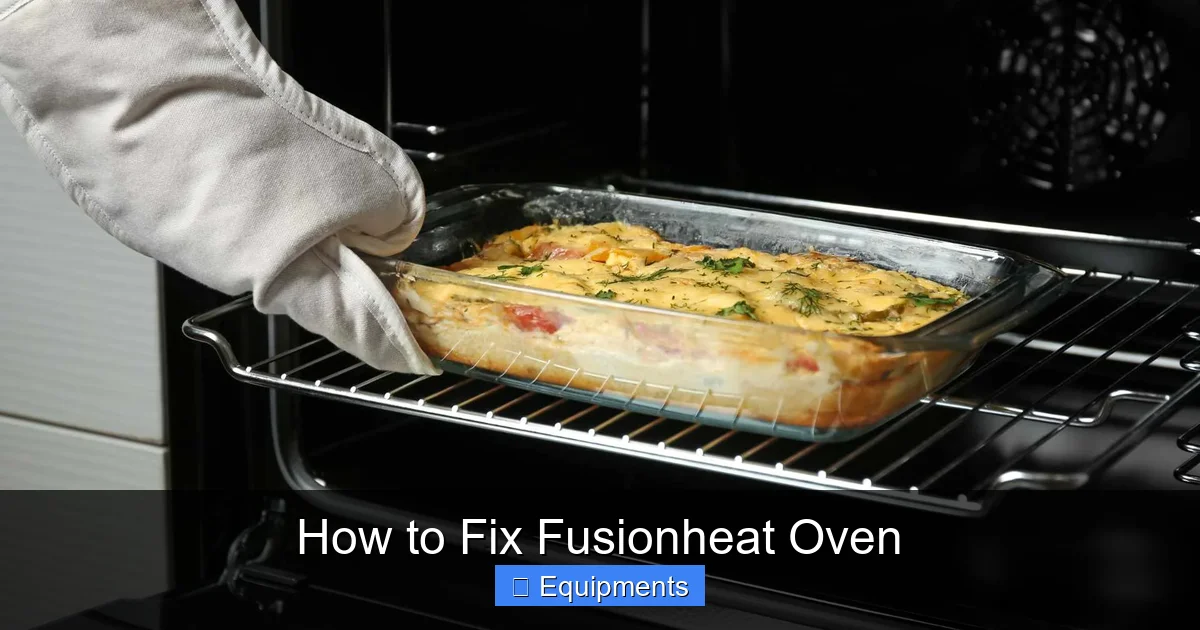
This is the most frequent complaint. The oven may power on, lights work, but the temperature never rises.
Visual guide about How to Fix Fusionheat Oven
Image source: twincitiesappliance.com
- Check the heating element: Visually inspect for breaks, black spots, or a burnt smell.
- Test with a multimeter: Set to ohms (Ω). A healthy element reads between 20‑30 Ω. Infinite resistance means it’s broken.
- Inspect the thermal fuse: Located near the back panel. Use the multimeter for continuity; no beep = fuse is blown.
2.2 Oven Overheats or Shows “F8” Error Code
Fusionheat models often display an “F8” code when the temperature sensor detects a reading outside the safe range.
- Locate the sensor (usually a thin metal rod protruding from the back wall).
- Remove and test resistance at room temperature; it should read around 1 kΩ. A reading far lower or higher indicates a bad sensor.
- Check for loose wiring or a cracked sensor housing.
2.3 Uneven Baking / Hot Spots
Even heating is a hallmark of Fusionheat ovens, so hot spots usually point to a failing element or a mis‑aligned door gasket.
- Run an oven thermometer at the center and corners.
- If the temperature varies by more than 25 °F, the element may be partially shorted.
- Inspect the door seal for tears; replace if needed.
2.4 Oven Won’t Turn On At All
If the control panel is dead, the problem could be the power cord, a tripped circuit breaker, or the main control board.
- Test the wall outlet with a lamp.
- Check the power cord for cuts or frayed wires.
- Use the multimeter on the control board’s main power terminals; you should see 120 V (US) or 230 V (EU).
3. Replacing the Heating Element
Why the Element Fails
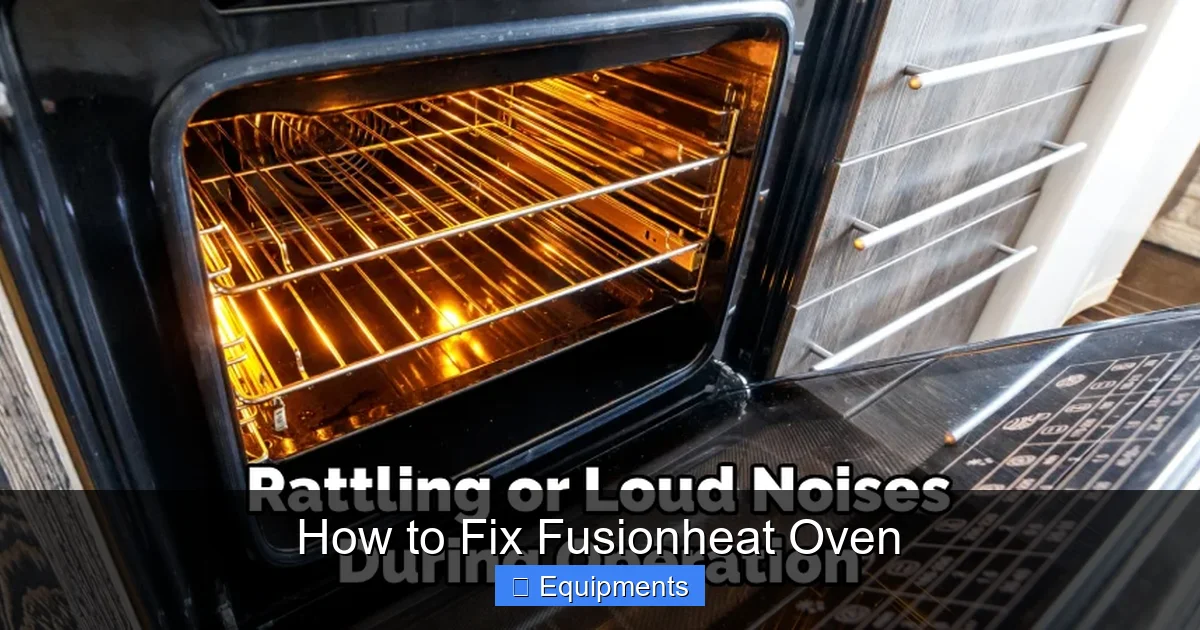
Repeated heating cycles cause metal fatigue, especially if the oven is used heavily for broiling or pizza.
Visual guide about How to Fix Fusionheat Oven
Image source: thekitchenix.com
Step‑by‑Step Replacement
- Remove the oven racks and set them aside.
- Unscrew the rear access panel: Four screws hold the panel in place. Keep them in a small container.
- Locate the heating element: It’s a long, coil‑shaped metal piece attached to the back wall.
- Disconnect the wiring harness: Press the release tab and pull gently.
- Unscrew the element brackets: Usually two ¼‑inch screws.
- Take out the old element and compare it to the new one for size and connector type.
- Install the new element: Align the brackets, tighten screws to 5‑7 in‑lb torque, and reconnect the harness.
- Replace the access panel and screw it back.
- Plug the oven back in and run a 20‑minute self‑clean cycle to test.
Cost: $30‑$80 depending on model.
4. Fixing a Faulty Temperature Sensor
Understanding the Sensor’s Role
The sensor (often called a thermistor) tells the control board the actual oven temperature. If it sends the wrong signal, the oven may overheat or stay cool.
Testing the Sensor
- Remove the sensor (usually a 2‑inch long, thin metal rod).
- Set the multimeter to the “Ω” setting.
- Measure resistance at room temperature (≈20 °C). Expect ~1 kΩ.
- Heat the sensor with a hair dryer; resistance should drop steadily.
Replacing the Sensor
- Unscrew the two mounting screws holding the sensor in place.
- Pull the sensor out gently; note the orientation of the connector.
- Connect the new sensor, making sure the pins line up.
- Secure with the mounting screws.
- Run a quick bake (350 °F for 15 min) and watch the display; the temperature should now be accurate.
Cost: $15‑$35.
5. Dealing with a Bad Control Board
Symptoms of a Failing Board
Intermittent display, random error codes, or total loss of power are red flags.
Visual Inspection
Remove the back panel (same as for the element). Look for burnt spots, cracked solder joints, or bulging capacitors.
Testing Power to the Board
- With the oven unplugged, locate the main power input terminals.
- Plug the oven back in (use a tester with a safety probe).
- Measure voltage across the terminals; you should read line voltage.
- If voltage is present but the board is dead, replacement is needed.
Replacing the Control Board
- Label each connector with masking tape before unplugging.
- Release the board clips (usually four spring‑loaded tabs).
- Lift the board out and place the new one, aligning the screw holes.
- Secure with the original screws (torque 8‑10 in‑lb).
- Reconnect all labeled connectors.
- Re‑assemble the back panel and test all functions.
Cost: $120‑$250 (OEM parts). Consider refurbished units for a lower price.
6. Routine Maintenance to Prevent Future Breakdowns
Clean the Interior Regularly
Spills can corrode heating elements. Wipe the interior after each use with a damp cloth and a mild detergent. Avoid abrasive cleaners.
Check Door Gasket Monthly
A worn seal lets heat escape, causing the oven to run hotter and wear out components faster. Replace the gasket if you see cracks or gaps.
Calibrate the Thermostat
Most Fusionheat ovens have a hidden calibration mode. Refer to your user manual, but generally:
- Press and hold the “Bake” and “Broil” buttons for 5 seconds.
- Turn the dial to “+” or “‑” to adjust by 5 °F increments.
- Save and exit; run a test bake with an oven thermometer to verify.
Inspect and Replace the Thermal Fuse Annually
The thermal fuse protects the oven from overheating. A simple continuity test (multimeter beep) tells you if it’s still good.
Conclusion: Keep Your Fusionheat Oven Cooking Like New
Fixing a Fusionheat oven is often a matter of identifying the right symptom, testing the component, and swapping in a new part. With the safety steps, tool list, and detailed instructions above, you can tackle most problems without calling a technician.
Remember, regular cleaning, gasket checks, and occasional calibration go a long way toward extending the life of your oven. If you’ve tried the DIY fixes and the oven still misbehaves, it’s time to call a certified service professional—especially for control‑board issues that involve high voltage.
Enjoy the satisfaction of getting your oven back to perfect performance, and happy cooking!
Frequently Asked Questions
Why does my Fusionheat oven display an “F8” error code?
The “F8” code indicates a temperature sensor problem. Test the sensor’s resistance; replace it if it reads outside the 1 kΩ range at room temperature.
Can I use a generic heating element instead of an OEM part?
Yes, as long as the voltage, wattage, and connector type match your model. Generic parts are often cheaper but verify the specifications carefully.
My oven turns on but the display stays blank. What should I check?
First, verify that the oven is receiving line voltage. Then inspect the control board for burnt components. A faulty display module may also be the culprit.
How often should I replace the thermal fuse?
There’s no set schedule, but inspect it during any major repair. If you notice the oven shutting off unexpectedly, test the fuse and replace it if there’s no continuity.
Is it safe to clean the heating element with a sponge?
Never use abrasive tools or immerse the element in water. A soft, damp cloth is sufficient for removing food splatter after the oven has cooled.
What warranty coverage do Fusionheat ovens have for DIY repairs?
Most Fusionheat ovens come with a one‑year limited warranty that covers manufacturing defects, not user‑installed parts. Keep receipts for any parts you replace; they may be covered under extended service plans.