Removing super glue from a quartz countertop requires patience and the right techniques to avoid permanent damage. Always start with the gentlest method, like careful scraping with a plastic tool, and progress to targeted solvents like acetone or commercial adhesive removers, testing any product in an inconspicuous spot first. Never use abrasive scrubbers, harsh acids, or metal scrapers, as these can etch or scratch the durable but non-porous quartz surface. Prompt action is key, but even dried glue can be tackled safely with the proper approach outlined below.
That moment of panic is all too familiar. You’re repairing a child’s toy, fixing a piece of jewelry, or working on a craft project, and a tiny, strategic blob of super glue (cyanoacrylate adhesive) escapes. It lands with a sinister *plink* right on your beautiful, pristine quartz countertop. Your heart sinks. The glue begins to cure almost instantly, forming a hard, clear, and stubborn bond with the surface. Your first instinct might be to grab a razor blade and scrape, or reach for the strongest chemical under your sink. Stop right there. Quartz countertops, while famously durable and resistant to stains, are not indestructible. Their composition—about 90% natural quartz aggregate bound together with 10% polymer resins—makes them vulnerable to the very tools and solvents you might instinctively use. Aggressive scraping can create permanent scratches that catch light and dull the finish. Harsh acids or alkaline drain cleaners can etch the resin, causing a permanent cloudy, dull spot. The good news is that with a calm, methodical approach and the right tools, you can almost always remove super glue from your quartz countertop without leaving a trace. This guide will walk you through every safe and effective step, from the initial response to tackling glue that’s been sitting for days.
Key Takeaways
- Quartz is durable but not scratch-proof: While resistant to stains and heat, its resin component can be damaged by abrasive tools and harsh chemicals, so gentle methods are non-negotiable.
- Always test first: Any cleaning solution or solvent, including common household items like acetone or nail polish remover, must be tested on a hidden area (like under the lip of the countertop) for 5-10 minutes to check for discoloration or cloudiness.
- Plastic over metal: Use a plastic golf tee, credit card edge, or dedicated plastic scraper to lift glue. Metal razors or knives will almost certainly scratch the surface.
- Acetone is a primary tool, but use it wisely: Pure acetone (not nail polish remover with additives) applied with a cotton ball and allowed to soften the glue is highly effective. It must be used in a well-ventilated area with gloves, and never allowed to pool on the seam.
- Heat can help, but with extreme caution: A hairdryer on low, warm (not hot) heat can soften glue, making it easier to scrape. Keep the dryer moving and do not overheat one spot, which can damage the resin binder in quartz.
- Commercial adhesive removers are formulated for this: Products like Goo Gone or 3M Adhesive Remover are often safe for quartz when used as directed, but the test patch is still mandatory.
- Prevention is the best policy: Use a protective barrier like parchment paper or a silicone mat when working with super glue near your countertop. Clean spills immediately with a damp cloth before the glue cures.
📑 Table of Contents
- Understanding Your Quartz Countertop: Why a Gentle Touch is Essential
- The Immediate Action Plan: Your First 60 Seconds
- Method 1: The Plastic Scrape & Warm Water Soak (For Semi-Cured Glue)
- Method 2: The Acetone Approach (The Gold Standard for Cyanoacrylate)
- Method 3: Commercial Adhesive Removers & Alternative Household Items
- Method 4: The Heat Strategy (Use with Extreme Caution)
- Post-Removal Care and Prevention: Keeping Your Quartz Pristine
- Conclusion: Patience and the Right Tools Prevail
Understanding Your Quartz Countertop: Why a Gentle Touch is Essential
Before we dive into solutions, it’s crucial to understand what makes quartz unique—and what makes it vulnerable. Unlike natural stone like granite or marble, which are solid slabs of rock, quartz countertops are an engineered product. The quartz crystals are hard and provide scratch resistance, but they are held together by polyester or epoxy resins. It’s this resin that forms the smooth, non-porous surface you see and touch. This resin is the Achilles’ heel when dealing with adhesives like super glue.
The Resin Factor: Your Primary Concern
Cyanoacrylate glue bonds incredibly well to many surfaces, including the resin in your quartz. The solvent in the glue (usually acetone) evaporates quickly, leaving a hard plastic polymer behind. If you try to forcefully scrape this cured plastic off, you risk two things: first, you might gouge or scratch the resin matrix if your tool finds a softer spot. Second, if the glue bond is stronger than the resin’s surface cohesion, you might actually pull up a tiny layer of the resin itself, creating a permanent, dull, pitted area. This damage is irreversible and often requires professional restoration.
What to Absolutely Avoid
There are common household remedies that are tempting but dangerous for quartz. Never use:
- Metal Razor Blades or Knives: These are the number one cause of user-inflicted scratches on quartz. Even a new blade can slip.
- abrasive Scrubbers: Steel wool, SOS pads, or even gritty kitchen scrub pads will mar the surface.
- Harsh Chemicals: Avoid paint strippers, oven cleaners, acid-based toilet bowl cleaners, or straight ammonia. These can break down the polymer resins, causing permanent discoloration and degradation.
- Excessive Heat: While a hairdryer can help, a heat gun or direct flame will melt or warp the resin.
With this understanding, our philosophy becomes: dissolve or soften the glue, then gently lift it. We are not trying to scrape it off like dried paint from a wall.
The Immediate Action Plan: Your First 60 Seconds
Timing is everything. If you catch the glue while it is still wet and tacky, your job is infinitely easier. The moment you see the drop, act quickly but calmly.

Visual guide about How to Remove Super Glue from Quartz Countertop
Image source: tipsbulletin.com
Step 1: Contain the Spread
If the glue is still liquid, do not wipe it with a dry cloth, as this will only spread it and push it into any microscopic texture. Instead, use a paper towel or lint-free cloth to gently blot (not rub) away as much as you can. You want to absorb the bulk of the adhesive before it skins over.
Step 2: The Plastic Shield & Scrape
Immediately take a plastic gift card, old credit card, or a dedicated plastic scraper. Hold it at a very low angle (almost parallel to the countertop). Gently, using the edge, try to lift the remaining wet glue blob. Think of it as sliding a spatula under a pancake. The goal is to get under the glue and pop it up. If it’s still tacky, it may come up in one piece. If it begins to harden as you work, stop. Do not grind it down. At this point, you’ve done what you can. Let’s move to the next phase for hardened glue.
Method 1: The Plastic Scrape & Warm Water Soak (For Semi-Cured Glue)
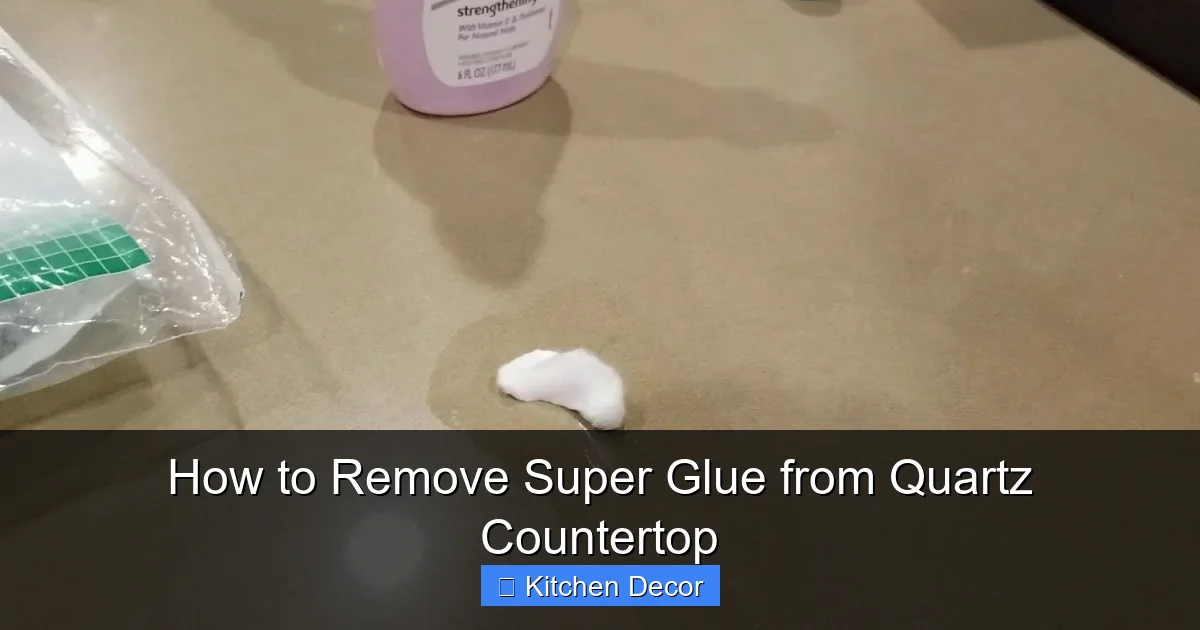
If the glue has hardened into a solid bump but is still relatively fresh (less than an hour or so), it may be brittle. This method is your first line of defense for cured glue.
Visual guide about How to Remove Super Glue from Quartz Countertop
Image source: i.ytimg.com
Gather Your Tools
- A plastic scraper (the edge of a plastic spoon, a dull butter knife, a golf tee)
- A soft microfiber cloth
- Warm, soapy water (a few drops of mild dish soap like Dawn in a bowl of warm water)
- Patience
The Process
Soak your microfiber cloth in the warm, soapy water. Wring it out so it’s damp, not dripping. Lay it over the super glue spot. Let it sit for 5-10 minutes. The warmth and moisture can sometimes slightly re-hydrate the outer layer of the glue, making it less brittle. Now, take your plastic scraper. Again, use a very shallow angle. Try to gently work the edge under a corner of the glue bead. You might get a tiny piece to pop off. If it’s not budging, stop. Do not apply force. Re-soak the cloth and let it sit for another 5 minutes. Repeat. The goal is to encourage the glue to crack and break away in small pieces, not to grind it into the surface. This method is low-risk but can be slow. If after 20-30 minutes of soaking and gentle prying you have made no progress, it’s time to escalate to solvent-based methods.
Method 2: The Acetone Approach (The Gold Standard for Cyanoacrylate)
Acetone is the solvent that evaporates out of super glue during curing. It’s also what dissolves the cured polymer. This makes pure acetone the most effective chemical for removing cyanoacrylate from many surfaces. However, its effect on quartz resin means it must be used with precision and caution.
Visual guide about How to Remove Super Glue from Quartz Countertop
Image source: graniteselection.com
Choosing Your Acetone Source
- Pure Acetone (100%): Available at hardware stores or beauty supply stores (as nail polish remover, but ensure it says “100% acetone” and has no added oils or fragrances). This is your best bet.
- Nail Polish Remover: Check the label. If it’s “acetone-free” or contains conditioners, it will likely be ineffective. Even standard acetone-based removers have additives that can sometimes leave a residue, so pure acetone is preferred.
Critical Pre-Test: Do Not Skip This
Find an inconspicuous spot: the underside of the countertop overhang, the back side near the sink, or a corner by the wall. Dip a cotton ball or cotton swab in the acetone. Apply it to the test spot and let it sit for 5-10 minutes. Wipe it clean with a damp cloth and let it dry completely. Examine the area in good light. If you see any cloudiness, discoloration, or a change in the glossy finish, do not use acetone on your countertop. Proceed to Method 3 (Commercial Removers) or Method 4 (Alternative Remedies). If the test spot looks identical to the surrounding area, you’re likely safe to proceed.
Application Technique: Precision is Everything
- Ventilation: Open windows. Turn on the kitchen exhaust fan. Acetone fumes are strong and flammable.
- Protect Seams: If your countertop has seams (where two pieces are joined), avoid getting acetone on these lines. The acetone can degrade the seam adhesive. Use a paper towel to shield the seam.
- Apply: Dampen a cotton ball or small section of a lint-free cloth with acetone. Do not pour acetone directly onto the countertop. Press the dampened cotton ball directly onto the super glue droplet. You should see the glue start to turn white and opaque almost immediately—this is the acetone breaking it down.
- Wait: Let it sit for 1-2 minutes. Do not let it dry out. You may re-dampen the cotton ball if needed.
- Gently Wipe or Lift: Using a fresh damp (with acetone) cotton ball, try to gently rub the glue in a circular motion. Often, it will dissolve into a gummy mess. Wipe it away immediately. Alternatively, use your plastic scraper again—the softened glue should now wipe or lift very easily.
- Clean Immediately: Once the glue is gone, immediately wipe the area with a cloth dampened with plain warm water and a drop of dish soap to remove all acetone residue. Rinse with a clean, damp water cloth and dry thoroughly with a microfiber towel.
Important: If a large area was exposed to acetone, monitor it for a few days for any delayed cloudiness. While rare on a properly sealed quartz surface, prolonged exposure can sometimes affect the resin.
Method 3: Commercial Adhesive Removers & Alternative Household Items
If acetone is a no-go or you prefer a store-bought solution, several products are designed for sticky messes and are generally safe for quartz when used correctly.
Commercial Products (Goo Gone, 3M Adhesive Remover, etc.)
Products like Goo Gone Original or 3M Adhesive Remover are oil-based and work by breaking down the adhesive’s bond. The test patch is absolutely mandatory here, as the oils or solvents in these products can sometimes leave a film or slightly alter the surface sheen.
- Apply a small amount to a cloth or cotton ball.
- Press it onto the glue spot for the time specified on the label (usually 1-5 minutes).
- Wipe away. You will likely need to follow up with your warm, soapy water cleaning routine to remove the oily residue from the remover itself.
Rubbing Alcohol (Isopropyl Alcohol)
70% or 91% isopropyl alcohol is a milder solvent. It may work on very fresh or thin glue films but is often less effective on fully cured super glue than acetone. It is, however, very safe for quartz. Apply to a cloth, let sit, and gently rub. It’s a good first try if you have it on hand and want the least aggressive chemical.
Vegetable or Coconut Oil
This is a fascinating, ultra-gentle hack. The oil doesn’t dissolve the glue but can work its way into the bond between the glue and the quartz, weakening it. It also helps soften the glue. Apply a small amount of oil to the spot and let it sit for several hours, even overnight. The glue may become pliable enough to roll or pick off with your fingernail or a plastic tool. Clean the oily residue thoroughly afterward with dish soap.
Method 4: The Heat Strategy (Use with Extreme Caution)
Super glue’s bond weakens with heat. A hairdryer can be a useful tool, but it requires a steady hand and constant movement.
How to Apply Heat Safely
- Set your hairdryer to a low or medium heat setting. Never use the “hot” setting.
- Hold the dryer 6-8 inches away from the glue spot.
- Keep it constantly moving in a circular pattern. Do not focus on one spot for more than 2-3 seconds. You are warming the glue, not cooking the countertop.
- After 20-30 seconds of warming, try the plastic scraper test. The glue should be softer and more pliable.
- If it’s still hard, repeat the heating process briefly.
Warning: Overheating any single area can cause the quartz resin to soften, warp, or discolor. If the countertop feels warm to the touch beyond the glue spot, you are too close or have been heating too long. Stop immediately. This method is best for small, isolated drops.
Post-Removal Care and Prevention: Keeping Your Quartz Pristine
Once that unsightly glue blob is gone, you want to ensure your countertop is perfectly clean and protected, and you want to avoid a repeat incident.
Final Cleaning and Polishing
After using any solvent, your final step must be a thorough clean. Wash the entire area with a soft cloth, warm water, and a pH-neutral quartz cleaner or a tiny drop of dish soap. Rinse with a clean, damp cloth. Dry with a microfiber towel to prevent water spots. For a final gleam, you can use a quartz-specific polish, but it’s not necessary for glue removal.
How to Prevent Future Glue Disasters
An ounce of prevention is worth a pound of cure. Make these habits second nature:
- Create a “glue station”: Always work with super glue on a disposable surface like a piece of wax paper, a silicone baking mat, or a cardboard box lid placed on top of your countertop. Never work directly on the quartz.
- Have cleanup supplies ready: Keep a damp cloth and a plastic scraper right next to your glue bottle. If a drip occurs, you can blot and scrape it instantly before it cures.
- Use barriers: For larger projects, lay down a protective sheet of parchment paper or a thick towel.
- Mind the seams: Be extra cautious near countertop seams. Solvents and heat can degrade the joint adhesive. If glue gets in a seam, clean it out immediately with a damp cloth before it hardens.
When to Call a Professional
If you’ve tried the gentle methods and the glue remains, or if you’ve accidentally created a scratch or etch mark, it’s time to consult a professional countertop fabricator or restoration specialist. They have specialized polishing compounds and equipment that can often repair minor surface damage. Attempting aggressive DIY fixes on a damaged area will almost always make it worse.
Conclusion: Patience and the Right Tools Prevail
Discovering a spot of super glue on your quartz countertop can feel like a major crisis, but it’s almost always a solvable problem. The key is to suppress the urge to attack it with the first sharp or chemical object you find. Remember, your quartz is a long-term investment. Its beauty and function depend on preserving that flawless resin surface. By arming yourself with plastic tools, understanding the role of acetone, and committing to the all-important test patch, you can confidently tackle this common mishap. Start with the mildest method—warm, soapy water and plastic scraping. If that fails, move to acetone or a commercial remover with precision. Always clean thoroughly afterward. And most importantly, implement the simple preventive measures of using a disposable work surface. With this knowledge, you’ll not only save your countertop from a sticky situation but also gain peace of mind for all your future DIY projects. Your quartz countertop will remain the gleaming, durable centerpiece of your kitchen for years to come.
Frequently Asked Questions
Can I use a razor blade to scrape off super glue from my quartz countertop?
No. A metal razor blade or utility knife will almost certainly scratch the quartz surface. These scratches are permanent and will catch light and dirt. Always use a plastic tool like a credit card edge, a plastic golf tee, or a dedicated plastic scraper designed for countertops.
Will vinegar or baking soda remove super glue from quartz?
Vinegar (acetic acid) and baking soda (a mild abrasive) are generally not effective on cured super glue and are not recommended. Vinegar is acidic and, while mild, could potentially affect the quartz sealant over time. Baking soda is abrasive and will scratch the surface if scrubbed. Stick to acetone, commercial adhesive removers, or the oil method for safe and effective removal.
My super glue has been on the counter for a week. Is it still removable?
Yes, even fully cured, old super glue can usually be removed. The process may take longer, as the bond is fully set. The acetone method is your best bet, but you may need to let the acetone-soaked cotton ball sit on the spot for 5-10 minutes to fully penetrate and soften the hardened glue before scraping. Patience is key.
After removing the glue, I see a faint cloudy ring. What caused this?
A faint cloudy ring can be caused by a few things: 1) You may have slightly etched the resin by using a harsh chemical or abrasive scrubber. 2) The glue itself may have caused a chemical interaction with the resin. 3) It could be a residue from the adhesive remover or acetone that wasn’t fully cleaned off. Try cleaning the area thoroughly with a pH-neutral quartz cleaner and a soft cloth. If the cloudiness persists, it is likely surface damage, which may require professional polishing.
Is it safe to use nail polish remover on my quartz countertop?
It depends on the nail polish remover. Only use a remover that is labeled 100% acetone and contains no added oils, fragrances, or moisturizers. Always perform a test patch in an inconspicuous area first. Non-acetone removers will not work on super glue. Even with pure acetone, apply it to a cotton ball, not directly to the counter, and clean the area thoroughly with soapy water immediately after the glue is removed.
Should I try to remove a large puddle of super glue myself or call a pro?
For a large area (larger than a quarter), it’s often best to call a professional. A pro has the experience to apply solvents correctly over a wide area without causing damage and can assess if the resin has been compromised. For a large spill, your first step should still be to blot excess, but then consider consulting a countertop specialist before attempting major solvent use yourself.