Onion smell lingers because its sulfur compounds penetrate porous surfaces. The key to removal is a two-step process: immediate rinsing to prevent absorption, followed by a deep deodorizing treatment tailored to your board’s material. For wood and bamboo, use acidic or enzymatic cleaners like lemon or vinegar, while plastic boards can handle more abrasive scrubs. Never soak wood boards, and always sanitize after deodorizing to ensure food safety. Regular maintenance with proper drying and oiling is the ultimate prevention strategy.
Key Takeaways
- Act Immediately: Rinse the board with cold water right after use to prevent onion oils from soaking in.
- Material Matters: Wood and bamboo require gentle, acidic cleaners (lemon, vinegar), while plastic can tolerate baking soda pastes or diluted bleach.
- Avoid the Dishwasher: Never put wooden or bamboo boards in the dishwasher; the heat and water will warp the wood and trap odors.
- Sanitize After Deodorizing: Always follow any smell-removal treatment with a food-safe sanitizer like hydrogen peroxide or a vinegar-water rinse.
- Dry Thoroughly: Air-dry boards completely and upright to prevent moisture-loving bacteria and mold that cause musty smells.
- Oil Regularly: For wood boards, monthly oiling with mineral oil creates a barrier that reduces odor absorption over time.
- Designate Boards: Use separate cutting boards for onions/garlic and for ready-to-eat foods like bread and fruit to prevent cross-contamination of smells and bacteria.
📑 Table of Contents
Why Does Onion Smell Linger on Cutting Boards?
You chop an onion, and within minutes, that sharp, pungent scent seems to invade your entire kitchen. But hours later, you still catch a whiff of it—not from the trash, but from the very board you used. It’s a common, frustrating problem. The reason onion smell is so notoriously clingy lies in its chemistry. Onions contain sulfur-based compounds, such as propanethial S-oxide, which are responsible for their distinctive aroma and the tears they induce. When you slice an onion, these volatile organic compounds are released and easily absorbed into the microscopic pores and scratches on your cutting board’s surface.
Different materials behave differently. Wood and bamboo are naturally porous, acting like a sponge that soaks up oils and odors. Plastic and composite materials are less porous but develop countless tiny cuts and grooves over time from knife use. These grooves become perfect hiding spots for onion residue. Even glass or stone boards, while non-porous, can have surface etches that trap smells. The smell isn’t just in the air; it’s physically embedded in your board. Simply wiping it down with a soapy cloth is rarely enough to extract those deeply trapped molecules. To truly remove onion smell from cutting board surfaces, you need a strategy that targets both the surface residue and the absorbed odor within the material itself.
Immediate Action: The First 5 Minutes Count
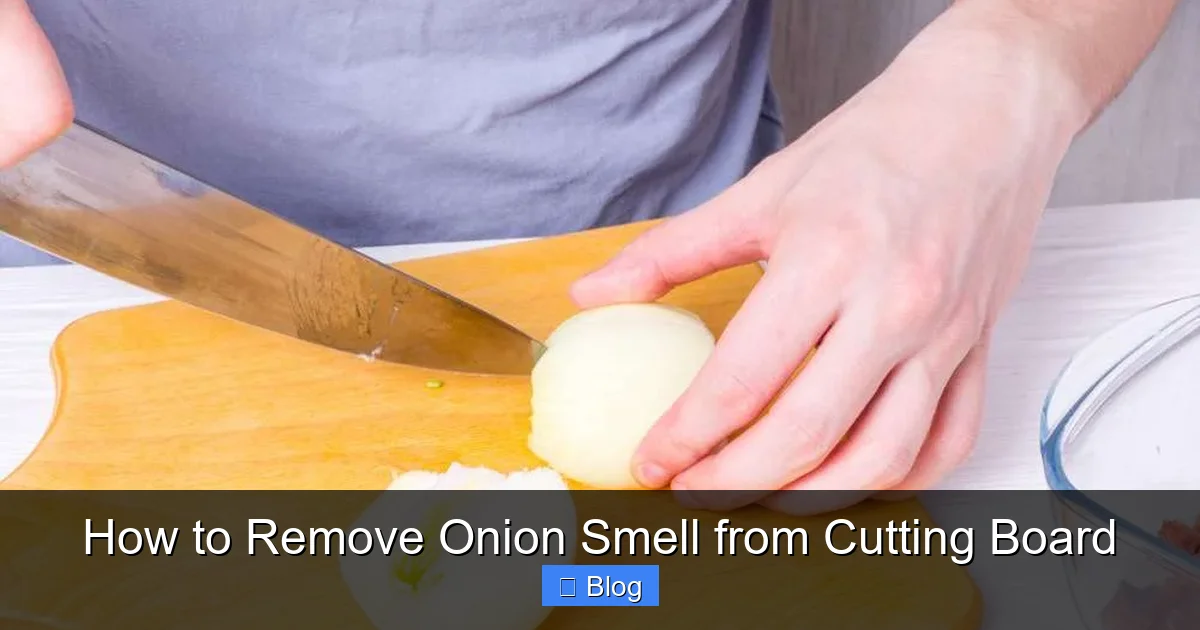
The battle against onion odor is won or lost in the first few minutes after chopping. What you do immediately can significantly reduce how deeply the smell penetrates. This first step is about prevention, making any future deep-cleaning much easier.
Visual guide about How to Remove Onion Smell from Cutting Board
Image source: housearctic.com
The Cold Water Rinse
As soon as you finish using the board, take it to the sink and give it a thorough rinse under cold, running water. Do not use hot water at this stage. Hot water can help set proteins and oils, essentially “cooking” them into the board’s surface. Cold water, however, helps to rinse away the surface-level sulfur compounds before they have a chance to seep deeper. Use your hand or a soft brush to scrub the entire surface while the water runs over it. This simple act flushes away a surprising amount of the odor-causing agents.
Scrape and Discard
For boards with surface debris or onion skin, use a bench scraper or the blunt edge of your knife to push all waste into the trash or compost bin. Avoid wiping it with a cloth that you then use elsewhere, as this can transfer the smell and bacteria. The goal is to remove physical particles immediately.
Deep Cleaning & Deodorizing Methods by Material
Once the immediate rinse is done, you may still notice an odor. It’s time for a targeted deep clean. The method you choose is critical and depends entirely on what your cutting board is made of. Using the wrong technique on a wood board, for example, can damage it.
Visual guide about How to Remove Onion Smell from Cutting Board
Image source: housearctic.com
For Wood and Bamboo Boards (The Gentle, Acidic Approach)
Wood and bamboo are living materials that require care. Harsh chemicals can strip their natural oils and cause cracking. Your best allies are common kitchen acids that neutralize alkaline sulfur compounds.
The Lemon and Salt Scrub: This is the classic, most beloved method for a reason. Cut a fresh lemon in half. Sprinkle a generous amount of coarse kosher salt onto the board’s surface. Using the cut side of the lemon, scrub the board vigorously. The salt acts as a gentle abrasive, lifting debris from the grain, while the citric acid in the lemon breaks down and neutralizes the sulfur molecules responsible for the smell. The fresh citrus scent is a pleasant bonus. Let the mixture sit for 5-10 minutes, then rinse with cool water and dry immediately with a towel.
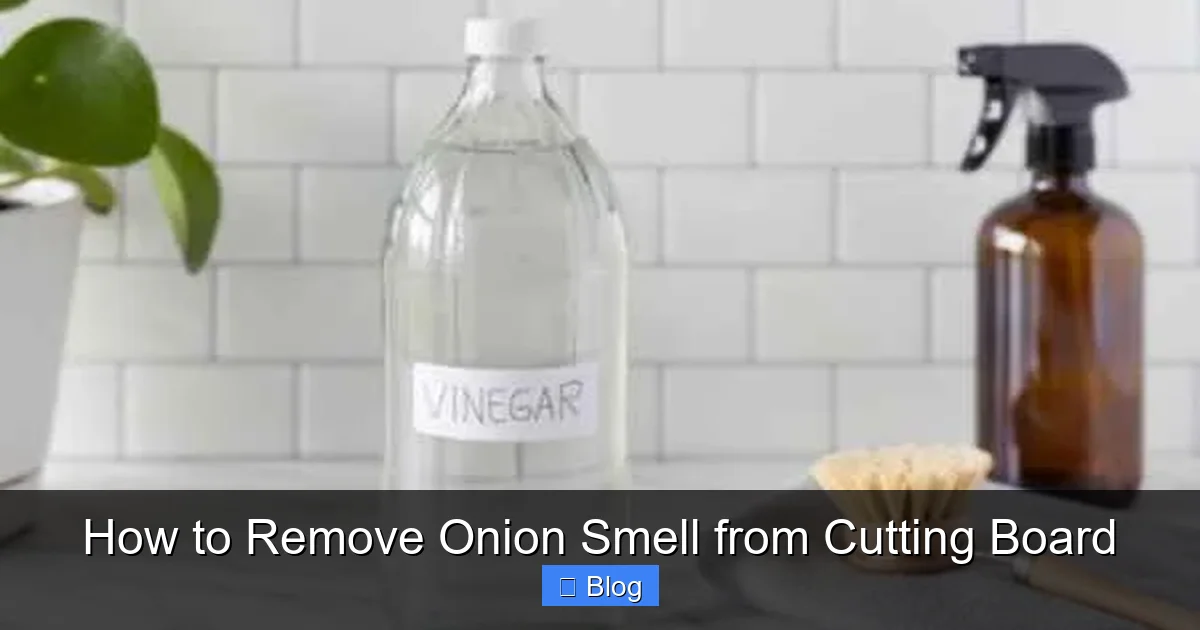
The White Vinegar Solution: Vinegar is a powerful natural deodorizer and disinfectant. Mix equal parts white distilled vinegar and water in a spray bottle. Liberally spray the entire board surface, paying extra attention to the area where the onion was cut. Let it sit for at least 15 minutes, or even up to an hour for stubborn smells. The acetic acid in vinegar effectively neutralizes a wide range of odors. After soaking, wipe it down with a damp cloth and then a dry one. For particularly potent smells, you can pour a small amount of undiluted vinegar directly onto the board and let it sit before wiping.
Baking Soda Paste: While more commonly used for plastic, a mild baking soda paste can be used on wood for deodorizing. Make a paste with baking soda and a tiny amount of water. Apply it to the board and let it sit for 15-20 minutes. Baking soda is a fantastic odor absorber. Scrub gently with a soft brush or cloth, then rinse very thoroughly. Be sure to remove all residue, as any leftover baking soda paste can dry out the wood.
For Plastic and Composite Boards (The Abrasive & Sanitizing Approach)
Plastic boards are non-porous but easily scratched. Those scratches harbor smells. You can use more robust cleaners here.
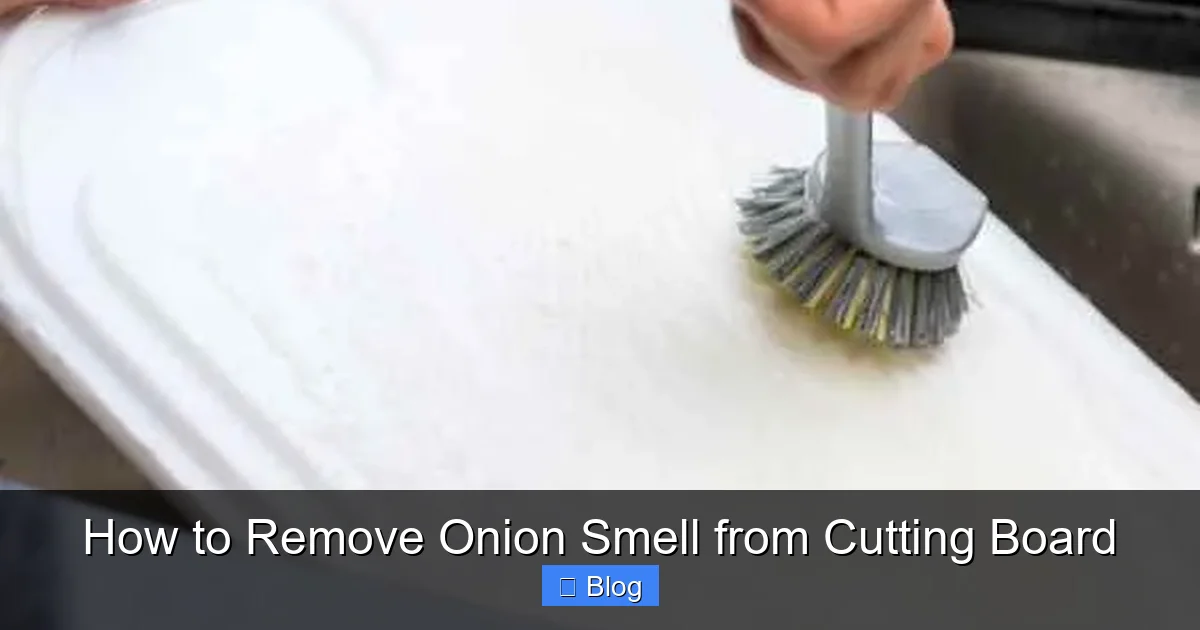
Baking Soda and Dish Soap Scrub: Create a thick paste of baking soda and a few drops of liquid dish soap. Apply it to the board and use a scrub brush (a dedicated one for this purpose) to work it into the grooves. The baking soda deodorizes while the dish soap emulsifies oils. Scrub for a minute or two, then rinse under hot running water. This combination is excellent for lifting embedded onion film from the plastic’s scratches.
Diluted Bleach Soak (Use with Caution): For a truly sanitizing and deodorizing deep clean, a very dilute bleach solution is effective. Mix 1 tablespoon of unscented household bleach with 1 gallon of cool water. Submerge the plastic board in the solution for 5-10 minutes. Important: Never use bleach on wood or bamboo. After soaking, scrub the board with a brush and rinse extremely thoroughly under running water to remove all bleach traces. Allow to air-dry completely.
The Dishwasher (For Plastic Only): Check your board’s manufacturer guidelines first. Many plastic boards are dishwasher safe. The high heat and powerful detergent can help blast away odors and sanitize the surface. However, repeated dishwasher cycles can warp thinner boards over time. Use this method periodically, not as a daily routine.
For Glass or Stone Boards (The Non-Porous Advantage)
These are the easiest to clean because they are truly non-porous. The smell is almost always just surface residue.
A simple scrub with dish soap and a non-scratch pad (like a blue Scotch-Brite™ pad) under hot water is usually sufficient. Follow with a spray of undiluted white vinegar, let it sit for 5 minutes, and wipe clean. The vinegar ensures any remaining sulfur compounds are neutralized. Because there are no pores to absorb smells, a good wash and a vinegar wipe are almost always all that’s needed.
Sanitizing: The Non-Negotiable Final Step
Deodorizing is different from sanitizing. You might have banished the onion smell, but are the bacteria from the onion (or from your hands while chopping) gone? After any deep deodorizing treatment, you must sanitize the board before its next use. This is a critical food safety step.
Visual guide about How to Remove Onion Smell from Cutting Board
Image source: housearctic.com
Effective, Food-Safe Sanitizers
You have several excellent options that are safe for food-contact surfaces.
- 3% Hydrogen Peroxide: After deodorizing and rinsing, spray the board surface with hydrogen peroxide. Let it bubble and sit for 10 minutes. It will kill a broad spectrum of bacteria, viruses, and fungi. Wipe it off with a clean cloth or let it air-dry; it’s safe.
- Diluted White Vinegar (Again): The same vinegar solution you used to deodorize (1:1 vinegar-water) is also a powerful sanitizer. After your initial deodorizing soak, you can use this mixture as a final spray-and-wipe step.
- Boiling Water (For Plastic Only): If your plastic board is small enough, you can carefully pour a kettle of boiling water over it to sanitize the surface. This is not suitable for wood.
- Commercial Food-Safe Sanitizers: Products like Simple Green or Star-San are designed for food prep surfaces. Always follow label dilution instructions and rinse if required.
Always let your board air-dry completely, preferably upright in a well-ventilated spot, after sanitizing. Trapped moisture is the enemy of a clean board and will lead to new smells quickly.
Prevention: Your Best Defense Against Future Odors
An ounce of prevention is worth a pound of cure. While learning how to remove onion smell from cutting board is useful, preventing it in the first place will save you countless hours of scrubbing.
Designate Boards for Specific Tasks
The single most effective strategy is to have at least two cutting boards: one dedicated to raw meats, poultry, and fish, and another dedicated to all produce, especially strong-smelling items like onions, garlic, and peppers. Even better, have a third board specifically for ready-to-eat foods like bread, cheese, and fruit. This cross-contamination of smells and, more importantly, bacteria, is the root of the problem. Label your boards with a permanent marker or use different colored boards to avoid mix-ups.
Master the Art of Proper Cleaning
Never let a board sit with food residue on it. After each use, scrape off debris, wash with hot, soapy water (using a dedicated brush or sponge for that board), rinse, and dry immediately. For wood boards, avoid soaking. A quick wash is all it needs. For plastic, a scrub in the sink or dishwasher (if safe) is fine. This routine prevents oils from ever setting in.
Maintain Your Board’s Health
For wood and bamboo boards, regular maintenance is key to creating a barrier against odors. Once a month (or more often if the board looks dry), apply a generous coat of food-grade mineral oil or beeswax conditioner. Warm the oil slightly and rub it into the board with a soft cloth, let it soak in overnight, and wipe off any excess. This oil fills the pores, making it harder for onion juices to penetrate. It also prevents the wood from drying out and cracking, which would create even more odor-trapping fissures.
Conclusion: A Fresh-Smelling Kitchen is Within Reach
That persistent onion smell doesn’t have to be a permanent fixture in your kitchen. By understanding why it happens—those stubborn sulfur compounds seeking refuge in porous surfaces—you can fight back effectively. Remember the core principle: immediate cold-water rinsing to stop absorption, followed by a material-specific deep deodorizing treatment using natural acids like lemon and vinegar for wood, or abrasive pastes for plastic. And never, ever skip the final sanitizing step with hydrogen peroxide or vinegar to ensure your board is truly clean and safe.
Ultimately, the most powerful tool is prevention. Designating cutting boards for specific tasks, washing them promptly and properly after each use, and maintaining wooden boards with regular oiling will create a resilient defense. A clean, fresh-smelling cutting board is not just a matter of pleasant aromas; it’s a cornerstone of a hygienic and enjoyable cooking environment. So next time you tackle an onion, you can do so with confidence, knowing exactly how to keep your trusty board smelling as clean as it looks.
Frequently Asked Questions
Can I use bleach on my wooden cutting board to remove onion smell?
No, you should never use chlorine bleach on a wooden or bamboo cutting board. Bleach is too harsh and will dry out and crack the wood fibers, creating even more crevices for odors and bacteria to hide in. Use lemon, vinegar, or a hydrogen peroxide sanitizer instead for wood.
What is the best material for a cutting board to avoid smells?
For the least odor retention, dense, non-porous plastics like polyethylene or composite boards are best because they have no pores to absorb smells. However, they scratch easily. Proper wood boards (like maple or walnut) are actually more naturally antimicrobial and, if properly maintained with oil, can resist odors well over time due to their self-sealing grain. Glass and stone are non-porous but extremely hard on knives.
Is it safe to put my cutting board in the dishwasher?
It depends on the material. Most plastic and composite boards are labeled as dishwasher safe, and the high heat can help sanitize and remove odors. However, frequent dishwasher cycles can cause warping. Never put wood, bamboo, or glass boards in the dishwasher, as the prolonged heat and water will ruin them by causing warping, splintering, or loss of finish.
Do essential oils work to remove onion smell from cutting boards?
Some essential oils like lemon, tea tree, or eucalyptus have deodorizing and antimicrobial properties. You can add a few drops to your vinegar cleaning solution or baking soda paste for an extra fresh scent. However, they should not be relied on as the primary deodorizer, as they often just mask smells rather than neutralize the sulfur compounds. Always rinse thoroughly after using oils.
If my cutting board still smells after cleaning, does that mean it’s unsafe?
A lingering smell doesn’t automatically mean it’s unsafe, but it is a strong indicator that organic matter (food residue) is still present, which can harbor bacteria. The smell itself is from the decomposing food particles, not necessarily from harmful pathogens. However, it’s a sign your board needs a more thorough deep clean and sanitizing. If the board is also sticky, stained, or has deep grooves, it may be time to replace it, especially if it’s plastic.
How often should I deep clean my cutting board to prevent odors?
You should perform your regular wash with soap and water after every single use. A deep deodorizing and sanitizing treatment (like a lemon-salt scrub or vinegar soak) should be done at least once a week for boards used frequently for onions and garlic. For boards used less often, a deep clean every 2-4 weeks is sufficient. Always deep clean immediately if you notice any lingering odor after your regular wash.