Keeping your egg cooker spotless is easier than you think. With simple daily rinses, occasional deep‑clean tricks, and a few handy tools, you’ll prevent buildup, extend lifespan, and enjoy flawless eggs every time.
Key Takeaways
- Regular rinses prevent residue: A quick water rinse after each use stops mineral buildup.
- Vinegar solutions break down scale: A 1:1 water‑vinegar mix safely removes stubborn deposits.
- Soft tools protect non‑stick surfaces: Use silicone sponges, never abrasive pads.
- Disassemble for thorough cleaning: Remove the tray, lid, and steam vent to reach hidden spots.
- Dry completely to avoid rust: Air‑dry or towel‑dry all parts before reassembly.
- Check manufacturer guidelines: Follow any specific instructions to keep warranties intact.
- Schedule a deep clean monthly: A full clean every 30 days keeps performance optimal.
📑 Table of Contents
- Introduction: Why Cleaning Your Egg Cooker Matters
- 1. Daily Maintenance: The 5‑Minute Rinse
- 2. Weekly Deep Clean: Removing Scale and Stubborn Stains
- 3. Tackling Protein Residue and Burnt Bits
- 4. Cleaning the Exterior and Electrical Base
- 5. Preventive Care: Extending the Life of Your Egg Cooker
- Conclusion: Clean Egg Cooker, Perfect Eggs Every Time
Introduction: Why Cleaning Your Egg Cooker Matters
Egg cookers are tiny kitchen heroes. They steam, poach, or hard‑boil eggs with just a button press. Because they use water and heat, tiny mineral deposits, protein splatters, and steam‑condensed grime can build up inside the unit. Over time, that buildup can cause uneven cooking, odd odors, or even a shortened lifespan.
Cleaning an egg cooker doesn’t have to be a chore. With a few simple habits, you can keep the appliance sparkling, safe, and ready for the next batch of breakfast. In this guide we’ll walk you through daily maintenance, a weekly deep‑clean routine, and special tricks for stubborn stains. By the end, you’ll know exactly how to clean egg cooker parts without damaging them.
1. Daily Maintenance: The 5‑Minute Rinse
Why a quick rinse works
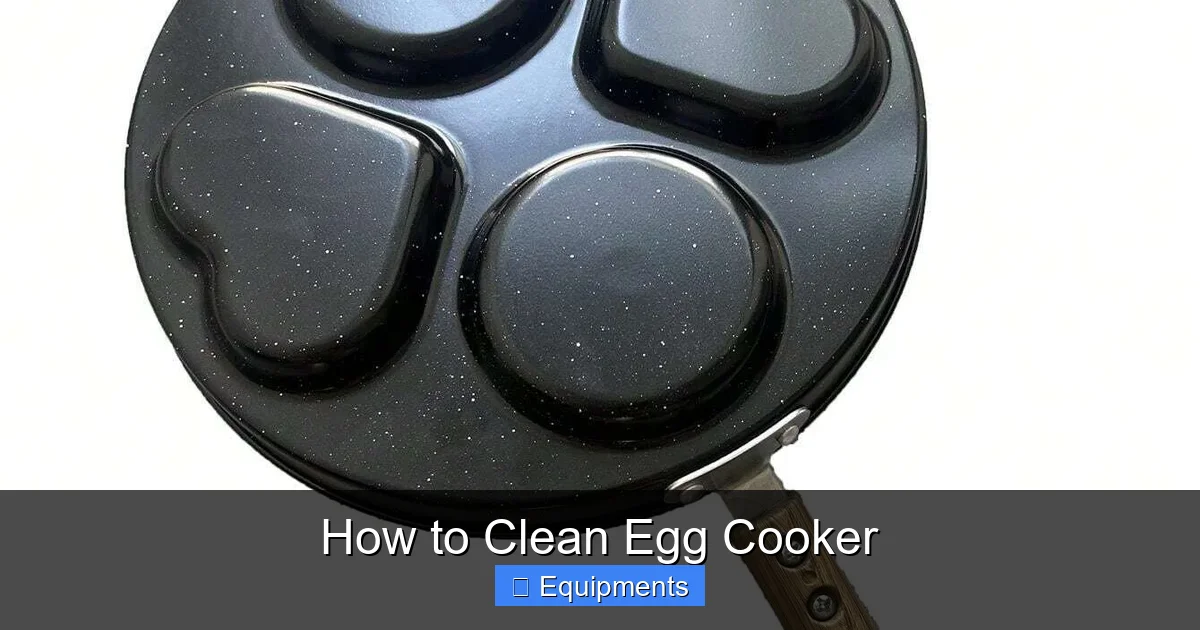
Every time you finish cooking, tiny droplets of water and egg white cling to the interior. If you let them dry, they become a crust that’s harder to remove later. A quick rinse stops that from happening.
Visual guide about How to Clean Egg Cooker
Image source: img.ltwebstatic.com
Step‑by‑step daily rinse
- Unplug the unit. Safety first.
- Remove the inner pot or tray. Most models have a removable steaming basket.
- Rinse under warm running water. Use your hand or a soft silicone brush to loosen any residue.
- Wipe the lid and vent. A damp cloth works well; avoid getting the electrical base wet.
- Dry with a clean towel. Pat everything dry before reassembling.
Tools you’ll need
A soft silicone sponge, a small dish‑cloth, and a dry towel are all you need for daily care. Avoid steel wool or harsh scouring pads—they can scratch the non‑stick coating inside the cooker.
2. Weekly Deep Clean: Removing Scale and Stubborn Stains
When mineral buildup appears
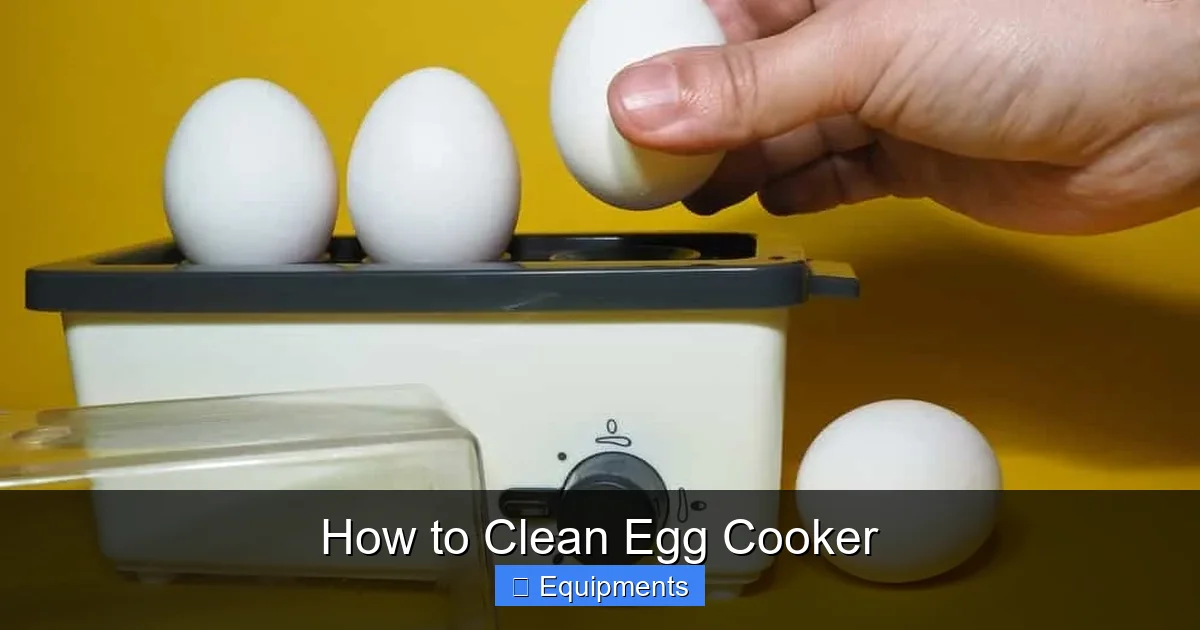
If you live in an area with hard water, you’ll notice a white, chalky film after a few weeks. This is calcium carbonate, commonly called scale. It can affect the steam flow and cause longer cooking times.
Visual guide about How to Clean Egg Cooker
Image source: missvickie.com
Vinegar‑Water Solution
A 1:1 mixture of white vinegar and water is safe for most egg cookers. The acidity dissolves scale without harming plastic or metal parts.
Deep‑clean process
- Disassemble the cooker. Take out the tray, lid, and any removable steam vent.
- Fill the base with the vinegar solution. Use enough to cover the bottom but not so much that it reaches the heating element.
- Run a short “cook” cycle. Turn the cooker on for 2‑3 minutes; the steam will carry the vinegar vapor inside.
- Let it sit. After the cycle, leave the solution in the base for 15‑20 minutes.
- Scrub gently. Use a soft brush to clean the interior walls and the vent.
- Rinse thoroughly. Empty the solution, rinse the base with clean water several times, and wipe dry.
- Reassemble. Put the tray and lid back, and you’re ready to cook again.
Alternative: Lemon Juice
If you prefer a citrus scent, replace vinegar with fresh lemon juice. The acidity works the same way, and the lemon oil leaves a pleasant aroma.
3. Tackling Protein Residue and Burnt Bits
Why protein sticks
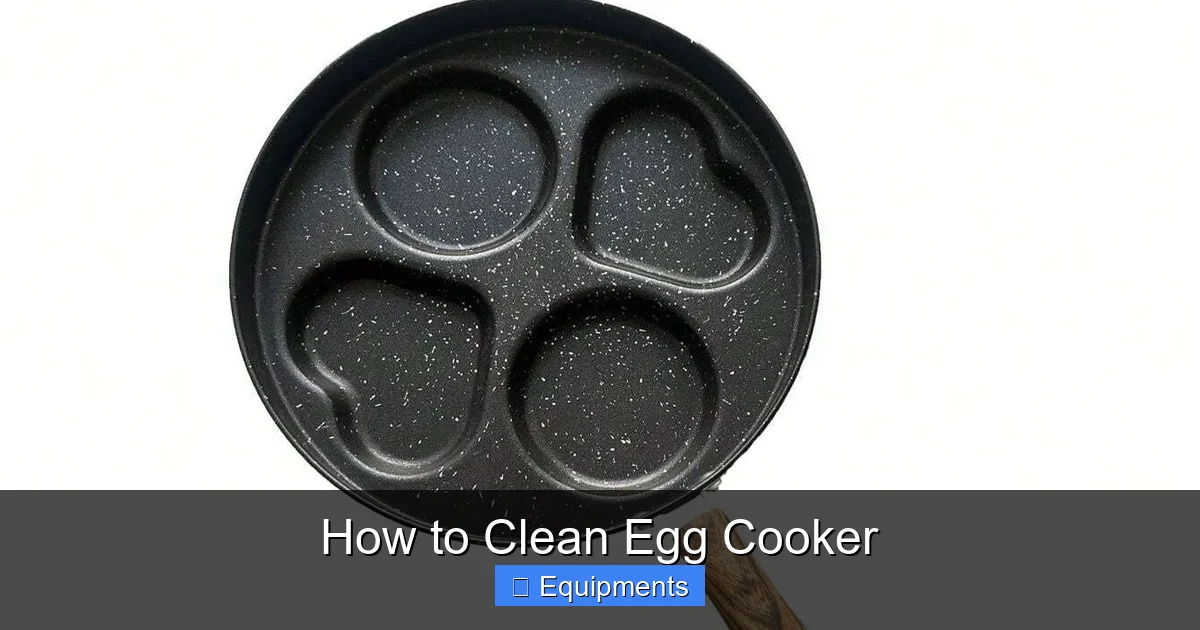
Egg whites contain proteins that coagulate when heated. If a small amount splatters onto the interior and isn’t cleaned quickly, it can dry into a stubborn film.
Visual guide about How to Clean Egg Cooker
Image source: img.ltwebstatic.com
Soaking technique
Fill the inner pot with warm, soapy water and let it soak for 10‑15 minutes. The warm water re‑hydrates the dried protein, making it easy to wipe away with a silicone sponge.
Using baking soda
Baking soda is a gentle abrasive and a natural deodorizer. Sprinkle a tablespoon of baking soda onto a damp sponge and rub the affected area. Rinse well to remove any residue.
Tip: Avoid harsh chemicals
Never use bleach, ammonia, or oven cleaners inside an egg cooker. They can corrode the heating element and leave toxic fumes.
4. Cleaning the Exterior and Electrical Base
Keeping the outside spotless
The outer shell of the cooker gathers fingerprints, spills, and kitchen dust. A soft damp cloth with a mild dish‑soap solution is enough.
What NOT to do
- Never submerge the base in water.
- Avoid spraying cleaning liquids directly onto the unit.
- Do not use abrasive pads on the plastic housing.
Polishing metal accents
If your model has stainless‑steel knobs or a metal handle, use a stainless‑steel cleaner or a mixture of equal parts water and white vinegar. Apply with a soft cloth, then buff dry.
5. Preventive Care: Extending the Life of Your Egg Cooker
Use filtered water
Filtered or distilled water reduces mineral deposits, meaning you’ll need fewer deep cleans.
Don’t overfill
Follow the manufacturer’s water‑level markings. Too much water can cause excess steam, leading to more condensation inside the unit.
Store with the lid open
After cleaning and drying, keep the lid slightly ajar for a few hours. This prevents a stale, damp environment that encourages mold.
Regular inspection
Every month, check the steam vent holes for blockage. A toothpick or a small brush can clear any debris.
Conclusion: Clean Egg Cooker, Perfect Eggs Every Time
Cleaning your egg cooker doesn’t require a full‑blown kitchen overhaul. By incorporating a quick daily rinse, a weekly vinegar‑based deep clean, and a few preventive habits, you’ll keep the appliance in top shape for years. Remember, the key is consistency—small actions add up to big results. Now you’re fully equipped with the best practices on how to clean egg cooker quickly, safely, and efficiently. Happy cooking!
Frequently Asked Questions
How often should I deep clean my egg cooker?
For most households, a deep clean once a month is sufficient. If you use hard water, consider a bi‑weekly schedule.
Can I put my egg cooker in the dishwasher?
No. The electrical base and many internal components are not dishwasher safe. Only the removable tray and lid (if labeled dishwasher‑safe) can go in the top rack.
Is it safe to use bleach to disinfect the cooker?
Bleach can corrode metal parts and leave harmful residues. Stick to vinegar, lemon juice, or mild dish soap for safe cleaning.
My egg cooker has a stubborn white film—what now?
Run a short cycle with a 1:1 water‑vinegar solution, let it sit, then scrub gently with a silicone brush. Rinse thoroughly afterward.
Do I need to clean the steam vent?
Yes. The vent can become clogged with mineral deposits. Use a thin brush or a cotton swab to clear any blockage during your weekly clean.
Can I use a metal spoon to scrape off burnt bits?
It’s best to avoid metal tools inside the cooker. They can scratch the non‑stick coating. Use a soft silicone spatula or a wooden spoon instead.

Pingback: How Long Does It Take to Boil an Egg - kitchenandhouseware.com