Using aluminum foil on stove burners is a common hack to catch spills and simplify cleanup, but it must be done correctly to avoid fire hazards and damage. This guide provides a detailed, safe procedure for both electric coil and gas burner stoves, emphasizing critical safety precautions. We also explore why this is a temporary solution and present superior, safer alternatives for long-term stove maintenance.
Key Takeaways
- Primary Purpose: Aluminum foil on burners is a temporary, disposable liner designed to catch food debris and spills, making cleanup easier, not a permanent cooking surface.
- Gas vs. Electric: The installation method differs significantly. Gas burners require foil on the drip pans underneath the grates, never directly on the burners. Electric coil burners can have foil wrapped carefully around the coils themselves.
- Fire Hazard is Real: Foil can ignite if it contacts an open flame, overheat on electric coils, or block ventilation. Never use foil on a gas burner’s open flame or allow it to touch the heating element directly.
- Conductivity Risk: Aluminum foil conducts electricity. On electric stoves, if foil touches the exposed heating element socket or wraps too tightly, it can cause a short circuit or damage the element.
- It’s a Short-Term Fix: Foil degrades quickly from heat and food acids. It should be replaced after every few uses or whenever soiled. It is not a substitute for proper, cleanable stove components.
- Safer Alternatives Exist: Reusable silicone burner mats, dedicated metal drip pans, and regular immediate wipe-downs are more effective, safer, and often more economical long-term solutions.
- Manufacturer Advice: Most stove manuals explicitly warn against using foil on burners or in the oven due to risk of damage and voiding warranties. Always check your appliance’s documentation first.
📑 Table of Contents
- Introduction: The Tempting Tidy-Up Trick
- Understanding the “Why” and the “Why Not”
- Step-by-Step Guide for Gas Stove Burners
- Step-by-Step Guide for Electric Coil Stove Burners
- Essential Safety Precautions: The Non-Negotiables
- Why This Is a Temporary Fix: The Downsides
- Superior, Safer Alternatives to Aluminum Foil
- Conclusion: Prioritize Safety Over Convenience
Introduction: The Tempting Tidy-Up Trick
You’ve just finished a delicious, but messy, stovetop meal. Sauce has bubbled over, crumbs have scattered, and now you’re staring at a stove that looks like a miniature food fight occurred. In that moment, the siren call of the aluminum foil roll in your kitchen drawer is strong. “Just line the burners,” you think, “and cleanup will be a breeze!” This simple hack is widely shared, but it comes with a critical caveat: how you put aluminum foil on stove burners matters immensely for both your safety and the health of your appliance.
The practice is not inherently wrong when done correctly and with full understanding of its limitations. However, misapplication is a leading cause of stovetop fires, damaged burners, and frustrated homeowners. This comprehensive guide will walk you through the exact, safe procedures for both gas and electric stoves. We will detail the precise steps, highlight the absolute “do nots,” explain the science behind the risks, and ultimately guide you toward smarter, safer long-term solutions for a clean cooking surface.
Understanding the “Why” and the “Why Not”
Before diving into the “how,” it’s essential to understand the purpose and the peril. Why do people use foil? Why do manufacturers warn against it?
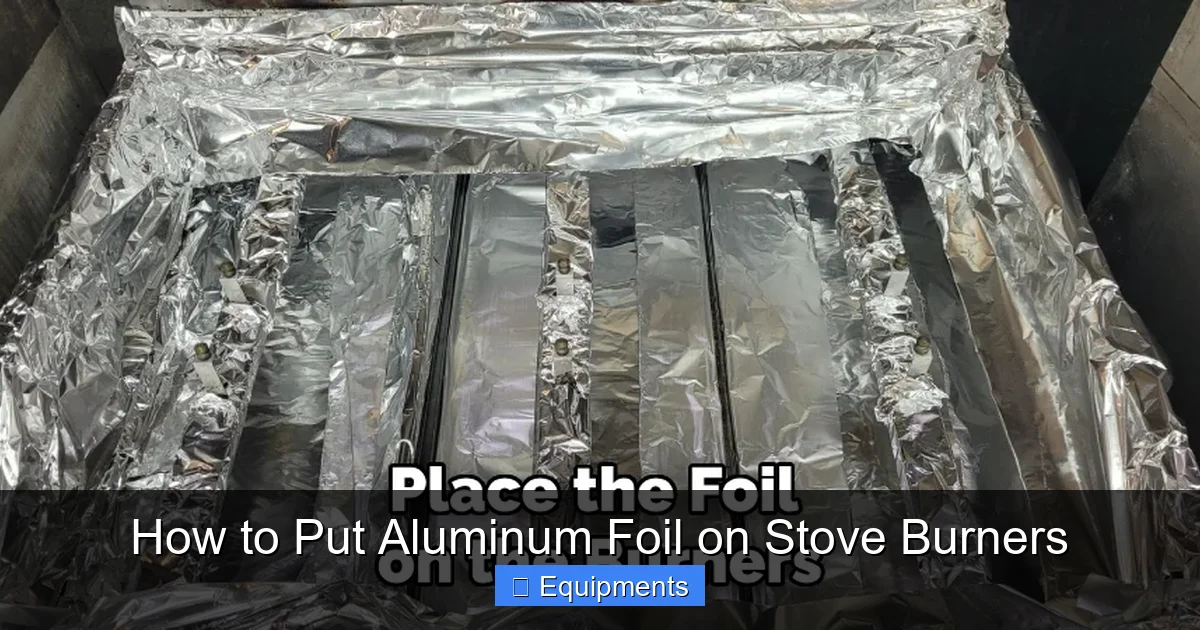
Visual guide about How to Put Aluminum Foil on Stove Burners
Image source: thekitchenix.com
The Intended Purpose: A Disposable Shield
The core idea behind lining stove burners with aluminum foil is to create a sacrificial, disposable barrier. Its job is to:
- Catch spills and drips before they harden on the burner or fall into the burner well (the cavity beneath the burner on a gas stove).
- Contain food particles that can burn and create smoke or unpleasant odors.
- Simplify post-cooking cleanup to a simple matter of removing and discarding a sheet of foil.
It is, by design, a short-term convenience tool. It is not meant to be a permanent fixture, a cooking surface, or a substitute for properly functioning burner components.
The Critical Risks: Fire, Damage, and Inefficiency
The warnings exist because aluminum foil behaves unpredictably under the extreme conditions of a stovetop. The risks are very real:
- Fire Hazard: Foil has a melting point around 1,220°F (660°C). While a typical gas flame is ~3,500°F, direct contact will cause it to ignite instantly. On an electric coil, foil can overheat if it traps heat against the element or if it crumples, creating a hot spot that can ignite grease or the foil itself.
- Blocking Ventilation: Gas stoves require proper airflow for combustion. Foil that is placed incorrectly can block air intake ports on the burner or the openings in the drip pan, leading to inefficient burning, soot production, or even a buildup of unlit gas.
- Electrical Conductivity: On electric stoves, the heating element is an exposed electrical coil. If foil comes into contact with the metal socket or prongs at the base of the element where it connects to the stove’s wiring, it can create a short circuit, potentially damaging the element or the stove’s internal wiring.
- Damage to Components: Foil can melt and fuse to burner surfaces, drip pans, or the stove’s porcelain enamel finish. Acidic foods (like tomatoes or vinegar) can accelerate corrosion where foil is in prolonged contact with metal.
- Ineffective Cooking: Foil disrupts the intended heat transfer. On a gas stove, it can deflect flame patterns. On an electric coil, it can create an uneven cooking surface and insulate the coil, making temperature control less responsive.
Step-by-Step Guide for Gas Stove Burners
Gas stoves have a distinct setup: a grate sits over the burner cap, and beneath that is a drip pan (also called a bowl or basin). The drip pan is the concave metal piece that catches drips. This is where foil belongs on a gas stove—never on the burner cap or grate, and never where it can touch the flame.
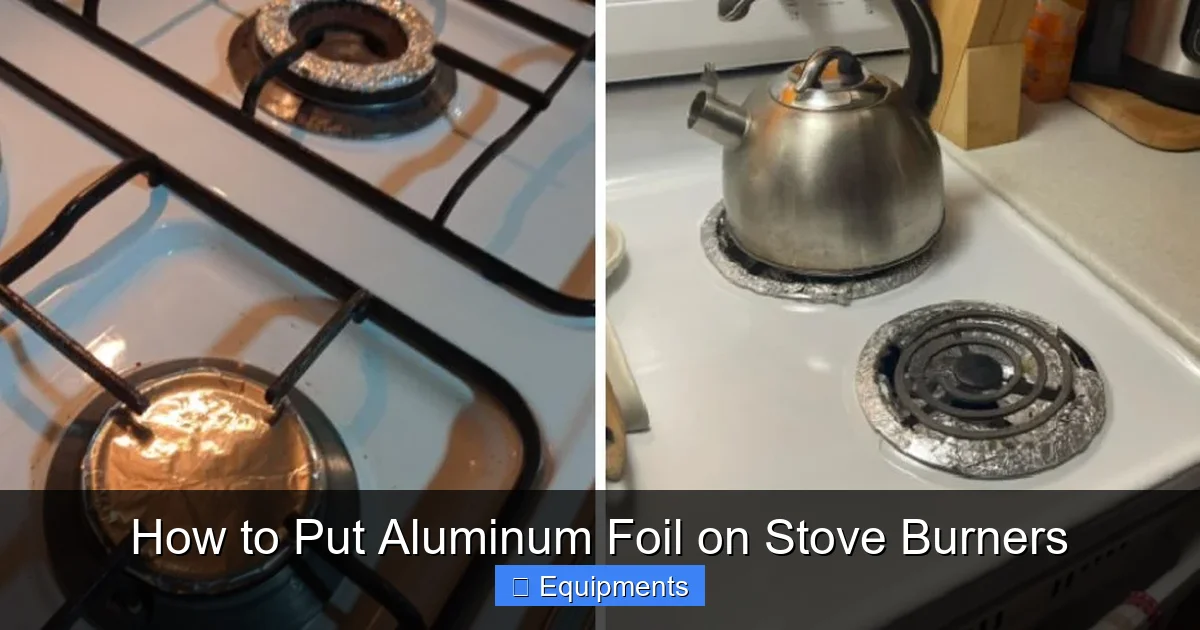
Visual guide about How to Put Aluminum Foil on Stove Burners
Image source: thekitchenix.com
Identifying Your Drip Pans
First, locate the drip pans. They are usually separate metal pieces that slide or snap into place around the base of the burner assembly. Some are integrated into the stovetop surface. They are often shiny metal or black enamel. You must be able to access and remove them for proper foil lining.
The Safe Installation Process
Step 1: Cool Down Completely. Ensure the stove is turned off and has been for at least 30 minutes. All parts must be cool to the touch to avoid burns and to prevent the foil from melting instantly upon contact.
Step 2: Remove the Grates and Burner Caps. Lift the metal grates off. Then, carefully lift off the burner caps (the round or oval pieces with the flame ports). This gives you full access to the drip pan underneath.
Step 3: Clean the Drip Pan. This is non-negotiable. Wipe out any existing debris, grease, or old foil from the drip pan. A clean surface ensures the new foil sits flat and doesn’t trap old, flammable gunk.
Step 4: Measure and Cut the Foil. Cut a piece of heavy-duty aluminum foil large enough to cover the entire bottom and sides of the drip pan with some overhang. For a standard 6-inch burner, a 10×10 inch square is usually sufficient.
Step 5: Shape the Foil. Gently press the foil into the concave shape of the drip pan. It should form a smooth, snug liner that covers the entire basin. Do not crumple it into a ball. A smooth fit prevents gaps and ensures all drips are caught. Leave a small amount of overhang (about 1 inch) on the sides.
Step 6: Reassemble Carefully. Place the foil-lined drip pan back in its position. Ensure it is seated correctly and is not tilted. Then, replace the burner cap exactly as it was. Finally, place the grate back on top. Verify that no foil is visible above the drip pan level. It should be completely hidden beneath the burner components.
Step 7: The Golden Rule – Monitor. Never leave cooking unattended when using foil liners. Check periodically to ensure the foil hasn’t shifted, crumpled, or come into contact with the flame (you might see a flicker of blue flame touching silver).
Step-by-Step Guide for Electric Coil Stove Burners
Electric stoves present a different challenge because the heating element is an exposed coil. The goal here is to protect the stove’s burner well (the circular or oval cavity beneath the coil) from drips, not to line the coil itself.
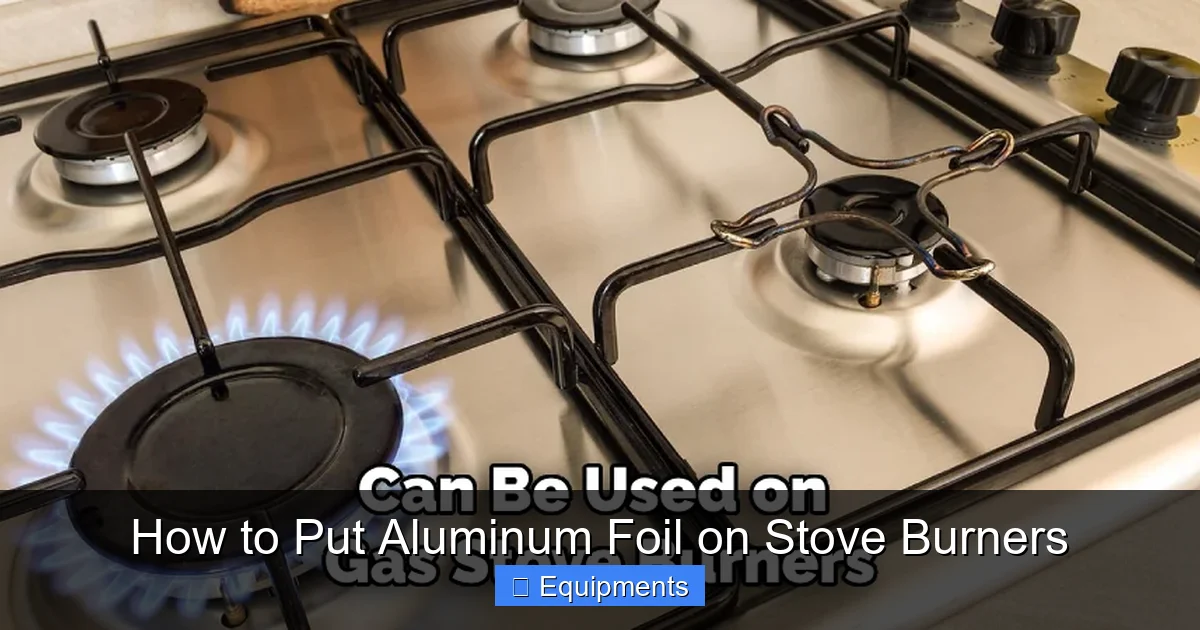
Visual guide about How to Put Aluminum Foil on Stove Burners
Image source: thekitchenix.com
Understanding Electric Burner Anatomy
On a coil (or “spiral”) electric burner, the coiled element sits in a metal ring or basin. Food can drip through the coil and into this basin, where it hardens and smokes. The foil must line this basin, not wrap the heating element.
The Safe Installation Process
Step 1: Cool Down Completely. As with gas, wait until the stove is completely cool.
Step 2: Remove the Coil. Most electric coils are removable. They simply lift out of their socket. Gently pull the coil straight up and out of its mounting. Set it aside safely.
Step 3: Access and Clean the Burner Well. You now have a clear view of the metal basin beneath. Thoroughly clean out any old, baked-on debris. This is crucial for fire prevention.
Step 4: Create a Custom Foil Liner. Cut a piece of heavy-duty foil. For a round well, create a “bowl” shape. You can do this by pressing the foil over a small bowl or cup of similar size to the well, then trimming the edges. The liner should fit snugly inside the well, covering the bottom and sides without being so tight that it tears.
Alternative Method: You can also cut a circle of foil slightly larger than the well’s diameter. Place it over the well and gently tuck the edges down around the sides, creating a shallow cup. The key is that the foil must not touch the electrical socket at the bottom of the well where the coil plugs in.
Step 5: Reinstall the Coil. Carefully place the coil back over the foil-lined well. The coil’s prongs must insert fully and securely into the socket beneath. The coil will hold the foil liner in place. Ensure the foil is not pinched or crumpled by the coil’s weight.
Step 6: Test and Observe. Turn the burner on to a low setting and watch. The coil will heat up. Ensure there is no sparking, smoking, or unusual smell. The foil should remain stationary and not touch the hot coil.
Essential Safety Precautions: The Non-Negotiables
Regardless of your stove type, these rules are absolute. Ignoring them turns a convenience into a major hazard.
Never Use Foil on an Open Flame
This is the cardinal rule for gas stoves. Do not place foil on the burner grate. Do not wrap the burner cap. Do not let any foil edge hang down into the path of the flame. The flame will instantly ignite the foil.
Avoid Contact with Heating Elements
On electric stoves, the foil must never touch the heating coil itself. The intense radiant heat can melt the foil, causing it to fuse to the coil or ignite grease on its surface. The liner belongs in the well, not on the element.
Do Not Block Ventilation
On gas stoves, ensure the air intake slots on the burner cap and the openings in the drip pan are completely unobstructed. Foil should line the *bottom* of the drip pan, not cover its top surface or side vents.
Replace Frequently and Inspect Often
Foil degrades. Heat, food acids, and grease break it down. A foil liner should be considered a single-use or very short-term (1-3 meals) item. Before each use, remove the old foil and inspect the burner area. Replace with a fresh, smooth sheet. Look for any tearing, crumpling, or discoloration of the foil or the underlying metal.
The “Better Safe Than Sorry” Rule
If you are unsure about your stove’s configuration, if the foil shifts at all during cooking, or if you smell burning plastic/metal, turn off the burner immediately. Let everything cool before investigating. When in doubt, remove the foil.
Why This Is a Temporary Fix: The Downsides
Even when done perfectly, using aluminum foil on stove burners is a stopgap measure with significant drawbacks.
It Traps Grease and Moisture
Foil creates a sealed environment against the metal drip pan. Grease and food juices pool on the foil. This can lead to smoking as the grease heats, and it creates a sticky, baked-on mess that eventually transfers to the drip pan itself, making the eventual cleanup worse, not better.
It Can Cause Rust and Corrosion
If any moisture or acidic food liquid gets between the foil and the metal drip pan, and the foil is left in place for days, it can create a mini-environment that accelerates rusting on the metal surface underneath.
It’s Inefficient and Wasteful
Using a new sheet of foil for every few meals is environmentally wasteful and, over time, more expensive than investing in a reusable solution. It also adds a layer that slightly insulates the burner, potentially affecting heat response time.
It Void Warranties
We cannot stress this enough. Consult your stove’s user manual. Most major manufacturers (GE, Whirlpool, Samsung, etc.) explicitly state that using aluminum foil on or in the cooking cavity can void the warranty due to the risk of damage.
Superior, Safer Alternatives to Aluminum Foil
For a truly clean stovetop with minimal effort, consider these permanent or semi-permanent solutions. They are safer, more effective, and often cheaper in the long run.
Reusable Silicone Burner Mats
These are thick, heat-resistant mats (typically up to 500°F/260°C) designed to sit directly on the burner grate or in the drip pan. They are dishwasher safe, non-stick, and can be cut to size. They catch spills without the fire risk of foil. Ensure they are rated for stovetop use, not just oven use.
Replaceable Metal Drip Pans
Many gas stoves have replaceable, enamel-coated metal drip pans that sit beneath the burner. These are designed for this exact purpose. They can be removed, washed in the sink or dishwasher (check manual), and replaced. They are durable and provide a perfect fit.
Simple Immediate Wipe-Down Habit
The most effective method is also the simplest. Keep a damp cloth or a dedicated stovetop wipe nearby. After turning off the burners (while they are still warm, not hot), quickly wipe away any spills or splatters. This prevents anything from baking on and eliminates the need for any liner at all.
Commercial Burner Guards/ Liners
Products like “Stove Burner Guards” or “Electric Coil Protectors” are made from metal mesh or coated metal. They are designed to sit in the burner well (electric) or on the drip pan (gas) and are safe for direct heat exposure. They can be scrubbed clean.
Conclusion: Prioritize Safety Over Convenience
So, how do you put aluminum foil on stove burners? The complete answer is: with extreme caution, only in the specific, correct location for your stove type, and with the understanding that it is a fleeting, risky convenience. For gas stoves, that means a smooth liner in the drip pan only. For electric stoves, that means a custom-fit cup in the burner well, never touching the element or socket. In both cases, vigilance and frequent replacement are mandatory.
However, the smarter, safer path is to abandon the foil habit altogether. Invest in a set of reusable silicone mats or replaceable drip pans. Cultivate the 30-second post-cooking wipe-down. These methods protect your stove, eliminate fire risk, save money over time, and are better for the environment. Your stovetop is a powerful, essential tool in your kitchen. Treat it with the respect its high heat demands. Choose solutions that enhance safety and longevity, not those that trade minor, temporary convenience for significant, permanent risk.
Frequently Asked Questions
Can I put aluminum foil directly on a gas stove burner?
No, you should never place aluminum foil directly on a gas burner cap, grate, or in a position where it can contact an open flame. The foil will ignite immediately. Foil is only safe if placed as a liner in the removable drip pan located beneath the burner assembly.
Is it safe to wrap electric stove coils in foil?
No, wrapping electric coils in foil is extremely dangerous. The foil conducts electricity and can cause a short circuit if it touches the element’s socket. It can also melt onto the hot coil, cause fires, and severely damage the heating element. Foil for electric stoves must only line the burner well beneath the coil.
How often should I replace foil on my stove burners?
>Treat foil as a single-use or very short-term liner. Replace it after every 1-3 meals, or immediately if it becomes soiled, crumpled, or torn. Do not let it remain in place for more than a few days, as food acids and trapped moisture can cause corrosion on the metal beneath.
Will using foil on my stove void the warranty?
Very likely, yes. Most appliance manufacturers explicitly warn against using aluminum foil on or in cooking surfaces, including stovetops and ovens, due to the risk of damage and fire. Using foil can be grounds for denying warranty service. Always check your specific model’s manual.
What is the best alternative to aluminum foil for stove burners?
The best alternatives are reusable silicone burner mats (rated for stovetop use) or manufacturer-approved replaceable metal drip pans. The most effective method, however, is developing a habit of wiping the burners with a damp cloth while they are warm (not hot) after each use to prevent buildup.
What should I do if my foil catches fire on the stove?
If a small flame appears, immediately turn the burner off. Do not use water. Use a metal lid, a baking sheet, or a Class B or K fire extinguisher to smother the flames. If the fire grows or you cannot extinguish it quickly, evacuate and call the fire department. Always keep a fire extinguisher rated for kitchen use (Class K) nearby.