A pest-free kitchen isn’t luck—it’s a consistent system of good habits. The core strategy involves making your kitchen utterly uninviting to invaders by eliminating food sources, water, and access points. This means rigorous daily cleaning, airtight food storage, vigilant waste management, and sealing tiny cracks and crevices. By implementing these simple, proactive measures, you create a hostile environment for ants, cockroaches, rodents, and other unwanted guests, protecting your family’s health and your home.
There’s a unique kind of dread that comes from spotting a cockroach scurry across your countertop or an ant trail leading to your sugar bowl. Your kitchen, the heart of your home and the place where you prepare nourishment for your family, should feel safe and clean. Yet, it’s also the most attractive target for pests because it offers everything they need to survive: food, water, and shelter. The good news? Preventing a pest infestation is almost always easier, cheaper, and less stressful than dealing with one after it’s established. It’s not about a single magic trick; it’s about building a routine of simple, disciplined habits that make your kitchen a fortress. This guide will walk you through every step, from daily chores to long-term prevention, to help you maintain a truly pest-free kitchen.
Key Takeaways
- Sanitation is Your First Defense: Immediate cleanup of crumbs, spills, and food residue removes the primary attractant for all pests. A clean kitchen offers no free buffet.
- Seal All Entry Points: Pests need only a pencil-width opening. Inspect and seal gaps around pipes, vents, windows, doors, and foundations to block their access.
- Store Food Airtight: Transfer all pantry items—from cereal to pet food—into hard-sided, sealed containers. Cardboard boxes and plastic bags are not pest-proof.
- Manage Waste Strategically: Use trash cans with tight-fitting lids, empty them regularly, and keep outdoor bins away from the house. Recycling, especially of beverage cans, must be rinsed.
- Eliminate Water Sources: Fix leaky faucets, wipe down sinks, and don’t leave pet water out overnight. Moisture is a critical attractant for cockroaches and rodents.
- Vigilance is Key: Perform regular inspections behind appliances, in cabinets, and along baseboards. Early detection of a few scouts prevents a full-blown infestation.
📑 Table of Contents
- Understanding the Enemy: Why Your Kitchen is a Pest Magnet
- Habit 1: Impeccable Sanitation – The Foundation of Defense
- Habit 2: Fortifying Your Perimeter – Sealing Entry Points
- Habit 3: Smart Food Storage – Cutting Off the Supply Line
- Habit 4: Waste Management – Out of Sight, Out of Mind
- Habit 5: Natural Deterrents and Proactive Monitoring
- When to Call the Professionals: Knowing Your Limits
- The Unbreakable Routine: Making Prevention a Lifestyle
Understanding the Enemy: Why Your Kitchen is a Pest Magnet
Before we dive into the “how,” it helps to understand the “why.” Pests aren’t invading your space out of malice; they’re following basic survival instincts. Your kitchen is a five-star hotel for them. To effectively prevent pest infestation in kitchen areas, you must think like a pest and identify what you’re inadvertently providing.
The Big Three Attractants: Food, Water, and Shelter
Every single pest, from the tiniest ant to a determined rat, is driven by three core needs:
- Food: This is the number one draw. Crumbs on the floor, grease splatters on the stove, open cereal boxes, and even pet food left out overnight are gourmet meals. Pests have incredible senses for finding food; a single crumb can signal a feast from miles away.
- Water: Often overlooked, water is just as critical as food. A leaky faucet under the sink, a wet dishcloth, condensation from pipes, or even a pet’s water bowl provides the hydration pests need to thrive. Cockroaches, in particular, can survive for a month without food but only a week without water.
- Shelter: Your kitchen offers countless cozy hiding spots. Warmth from appliances, darkness behind the refrigerator, clutter in pantries, and cracks in the walls create perfect nesting and breeding grounds. These spaces protect them from predators and human disturbance.
When these three elements converge, you’ve essentially rolled out the welcome mat. Prevention, therefore, is about systematically removing one or more of these essentials, making your home an unappealing and unsustainable place for pests to live.
Habit 1: Impeccable Sanitation – The Foundation of Defense
Sanitation is non-negotiable. It’s the single most important factor in keeping pests away. This goes beyond a quick wipe-down; it’s about adopting a mindset of zero tolerance for food debris.
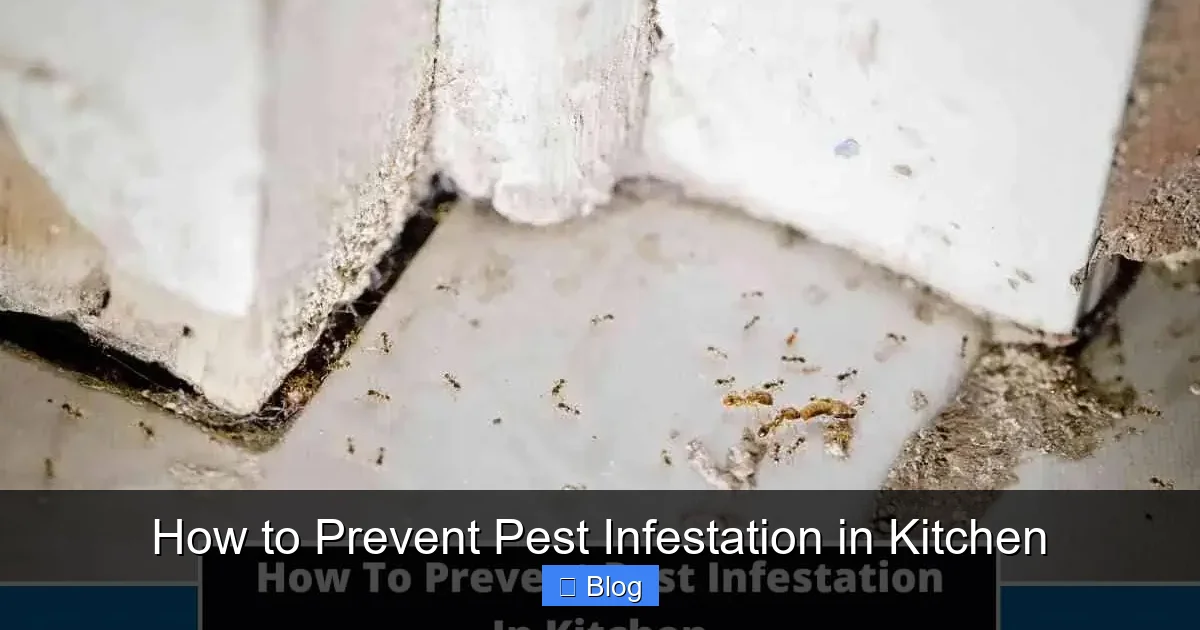
Visual guide about How to Prevent Pest Infestation in Kitchen
Image source: homemashal.com
The Daily Clean Sweep
Make these actions as automatic as brushing your teeth:
- Sweep & Vacuum Floors: Do this every single night, especially in the kitchen and dining areas. Don’t just sweep visible crumbs; use a vacuum to get into corners and along baseboards where ants and cockroaches travel. Pay special attention to under the table and chairs.
- Wipe Down All Surfaces: After every meal prep and cooking session, use a household cleaner or a vinegar-water solution to wipe counters, stovetops, and tabletops. Grease is a magnet for pests and a food source you might not even see.
- Clean Up Immediately: Don’t let dishes soak in the sink overnight. Food residue in standing water is an open invitation. Load the dishwasher and run it, or hand-wash and dry dishes promptly. If you have a garbage disposal, run it with cold water and a squeeze of lemon or a splash of vinegar to clean and deodorize.
- Clean Under Appliances: At least once a month, pull out the refrigerator, stove, and microwave. You’ll be shocked at the collection of dust bunnies, grease, and forgotten crumbs that accumulate. This is a prime pest hideout.
The Deep Clean Monthly Ritual
Beyond daily maintenance, schedule a monthly deep clean:
- Clean out the toaster and microwave crumbs.
- Wipe down cabinet fronts and handles.
- Mop the floors with a cleaning solution.
- Go through the pantry and wipe shelves, checking for spilled powders or leaked syrups.
Pro Tip: Use a toothbrush or a small scrub brush to get into the tiny grooves of your stove’s control knobs and the seals of your refrigerator doors. These are notorious crumb traps.
Habit 2: Fortifying Your Perimeter – Sealing Entry Points
You can be the cleanest person on the block, but if pests can easily get in, you’ll be fighting a losing battle. A thorough inspection and sealing of your kitchen’s exterior and interior envelope is a critical, often-overlooked step in your prevent pest infestation in kitchen plan.
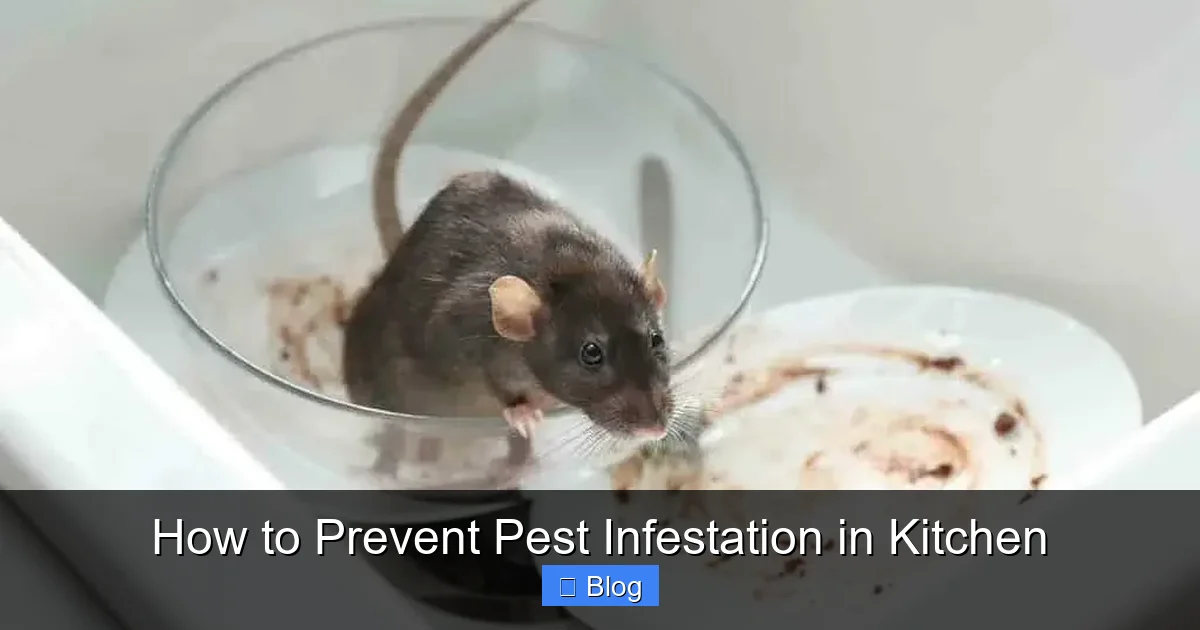
Visual guide about How to Prevent Pest Infestation in Kitchen
Image source: homemashal.com
Conduct a Pest-Proofing Inspection
Grab a flashlight and get on your hands and knees. Look for any opening the size of a pencil or larger. Focus on these key areas:
- Windows & Doors: Check screens for holes. Ensure doors and windows seal tightly. Install door sweeps on exterior doors if gaps exist at the bottom.
- Utility Penetrations: Look where pipes (sink, dishwasher, refrigerator water line), gas lines, and electrical conduits enter the house. These gaps are highways for pests. Use caulk or steel wool (for rodents) to seal them.
- Foundation & Walls: Inspect the exterior foundation for cracks. Seal them with concrete patch or masonry caulk. Check where siding meets the foundation.
- Vents & Chimneys: Ensure attic, crawlspace, and dryer vents have fine-mesh screening (1/4 inch or smaller) to keep rodents and insects out.
- Under the Sink: The cabinet under your sink is a common entry point due to plumbing. Check for gaps around the pipes where they enter the wall. Seal with expanding foam or copper mesh (which rodents can’t chew through).
Materials for the Job
Not all sealants are equal:
- Caulk: Perfect for sealing small cracks and gaps around windows, baseboards, and non-moving penetrations. Use silicone or acrylic latex caulk.
- Steel Wool & Copper Mesh: The only effective material for blocking rodents. They can’t chew through it. Pack it tightly into holes before covering with caulk or foam for a smooth finish.
- Expanding Foam: Great for filling larger, irregular gaps around pipes. Use the low-expansion variety for smaller gaps to avoid warping.
- Weatherstripping: Replace worn weatherstripping around doors and windows to ensure a tight seal.
Remember: A mouse can squeeze through a hole the size of a dime. A cockroach can flatten its body to fit through a crack as thin as a credit card. Your inspection must be meticulous.
Habit 3: Smart Food Storage – Cutting Off the Supply Line
Even with a clean kitchen, if food is easily accessible, you’re playing a dangerous game. Pests have an incredible sense of smell and can detect food through cardboard and thin plastic.

Visual guide about How to Prevent Pest Infestation in Kitchen
Image source: frontlinepestcontrol.com
The Airtight Container Mandate
This is a game-changer. Transfer everything out of its original packaging:
- Pantry Staples: Flour, sugar, rice, pasta, cereal, snacks, and baking supplies should go into hard plastic or glass containers with rubber gaskets and locking clasps. These are truly airtight and pest-proof.
- Pet Food: Never leave pet food out all day. Store the bulk bag in a sealed container, and only dispense the amount your pet will eat in a sitting. Leftover wet food should be covered and refrigerated.
- Specialty Items: Birdseed, grass seed, and even holiday treats like cookie cutters and candy should be stored securely. These are often forgotten attractants.
Why Cardboard is the Enemy: Cardboard boxes are not airtight. They absorb moisture and odors, making them irresistible to pests like cockroaches and pantry moths. They also provide a ready-made hiding place and nesting material. Recycle the boxes after transferring contents.
The “First In, First Out” System
Organize your pantry so older items are used first. Check expiration dates regularly. Stale or forgotten items at the back of the shelf become science experiments for pests. A clean, organized pantry is easier to monitor and less attractive.
Habit 4: Waste Management – Out of Sight, Out of Mind
Your trash can is a treasure trove for pests. Proper management is essential to remove this constant food and odor source.
Choosing and Using the Right Bins
- Kitchen Trash Can: Invest in a can with a tight-sealing lid that operates with a foot pedal. This keeps odors contained and prevents pests from accessing the contents.
- Emptying Frequency: Don’t wait until the can is full. Empty it daily, especially in warmer months when pests are most active and odors develop faster.
- Location Matters: Keep the trash can away from the main kitchen work area if possible, but still inside. The absolute worst place is under the sink where leaks and darkness create paradise for roaches.
The Recycling Trap
Recycling bins are a major pest hazard, especially from beverage containers with sugary residue.
- Rinse Everything: Make it a rule to rinse all cans, bottles, and jars before placing them in the recycling bin. A quick swish with water removes the last drop of soda or juice that would attract ants and wasps.
- Secure Outdoor Bins: Keep outdoor trash and recycling bins tightly closed and as far from your house as practical. Clean them occasionally with a vinegar solution to remove lingering odors.
Pro Tip: If you have a compost bin, keep it outside, far from the house, and ensure it’s a sealed, pest-proof model. Indoor compost bins are high-risk items.
Habit 5: Natural Deterrents and Proactive Monitoring
While sanitation and exclusion are your primary weapons, you can add layers of defense with natural deterrents and vigilant monitoring.
Natural Repellents (With Caveats)
Some scents and substances can deter pests, but they are not a standalone solution. Use them as part of a broader strategy:
- Essential Oils: Peppermint, citrus, and tea tree oils are known to repel spiders, ants, and some insects. Soak cotton balls in oil and place them in cabinet corners, under the sink, and in pantry shelves. Reapply every few days as the scent fades.
- Herbs & Spices: Bay leaves in stored grains can repel pantry moths. Whole cloves or cinnamon sticks can deter ants. Place them in sachets in problem areas.
- Vinegar Solutions: A 50/50 water-vinegar solution is excellent for cleaning surfaces (it removes pheromone trails ants leave for others) and can be used as a spray deterrent in entry points. It’s also a great deodorizer.
Important: Natural repellents mask odors and create temporary barriers. They do not eliminate an existing infestation. If you see pests, you must find and remove the source.
The Power of Regular Monitoring
Set aside 10 minutes each week for a kitchen pest audit:
- Check under the sink for leaks or signs of moisture.
- Inspect the seals on your food containers.
- Look behind the refrigerator and stove.
- Examine the pantry shelves for webbing (moths) or small holes (beetles) in packaging.
- Glance at baseboards and corners for droppings or smears.
Catching a few stray ants or a single cockroach early allows you to deal with it immediately before it reproduces and invites its entire family.
When to Call the Professionals: Knowing Your Limits
Despite your best efforts, sometimes an infestation becomes too large to handle alone. Knowing when to call a licensed pest control professional is a smart part of your prevention plan.
Signs It’s Time for Expert Help
- You See Live Pests Regularly: One or two sightings might be scouts. Daily sightings mean a nest is established.
- You Find Droppings or Evidence: Mouse droppings (rice-sized), cockroach feces (like black pepper), or chewed packaging are signs of active nesting.
- You Smell a Musty, oily Odor: A strong, unpleasant odor, especially from German cockroaches, indicates a large population.
- You See Damage: Gnaw marks on wood, wires, or food packaging signal rodents.
- DIY Methods Fail: If over-the-counter traps and baits aren’t reducing activity after a week or two, the infestation is likely larger and hidden.
Choosing a Reputable Exterminator
Look for companies that use Integrated Pest Management (IPM) strategies, which focus on exclusion, sanitation, and minimal pesticide use. Get references, check reviews, and ensure they are licensed and insured. A good professional will not just spray; they will inspect, identify the pest, find the source, and give you a clear plan for prevention after treatment.
The Unbreakable Routine: Making Prevention a Lifestyle
The final, most crucial step is to integrate these habits into your daily and weekly life seamlessly. Consistency is what separates a pest-free kitchen from one that’s constantly under siege.
Building Your Kitchen Hygiene Checklist
Create a simple checklist and post it on your fridge. Make it a family affair:
- Daily: Sweep/vacuum floors, wipe counters/stove, wash dishes/load dishwasher, take out trash, rinse recycling.
- Weekly: Mop floors, clean under appliances, wipe cabinet fronts, check pantry for spills/spoiled items.
- Monthly: Deep clean oven and microwave, clean out refrigerator (expired items), inspect under sink for leaks, go through trash/recycling bins for cleaning.
- Seasonally (Quarterly): Pull all appliances away from walls for a thorough clean and inspection behind them. Check exterior of house for new cracks or gaps needing sealant.
By turning these tasks into automatic routines, you remove the mental load of “remembering to pest-proof.” It just becomes how you maintain your kitchen. The peace of mind that comes from knowing your food preparation area is safe and clean is well worth the few extra minutes each day. Remember, you’re not just fighting pests; you’re creating a healthier, more pleasant home for yourself and your loved ones.
Frequently Asked Questions
How often should I take out my kitchen trash to prevent pests?
To effectively prevent pest infestation, take out your kitchen trash daily, especially during warmer months. Using a bin with a tight-sealing foot-pedal lid helps contain odors between disposals.
Are natural remedies like peppermint oil enough to get rid of an existing infestation?
No. Natural repellents like peppermint oil can deter pests from entering an area but are not powerful enough to eliminate an established nest or colony. They should be used as a supplemental preventive measure, not a primary treatment for an active problem.
What’s the most common mistake people make when trying to pest-proof their kitchen?
The most common mistake is focusing only on visible cleanliness while ignoring entry points and food storage. You can have a spotless counter, but if there’s a gap under your sink or cereal is stored in an open box, you’re still providing a clear path and food source for pests.
How far from my house should outdoor trash bins be stored?
Store outdoor trash and recycling bins as far from your home’s foundation and doors as practical, ideally at least 10-15 feet away. This reduces the chance that odors will attract pests to your house in the first place.
Can I use any kind of container to store pantry food, or does it need to be special?
It needs to be specifically airtight and made of hard plastic or glass. Thin plastic containers, plastic bags, and the original cardboard boxes are not sufficient, as pests can easily chew through them or sense the contents inside.
What’s the first sign I should look for that indicates a pest problem is starting?
The earliest sign is often small, dark droppings (like specks of pepper for cockroaches or rice-sized pellets for mice) in drawers, under appliances, or along baseboards. You might also notice a few live insects, especially at night, or faint, musty odors in enclosed spaces.