Determining if your pan is truly non-stick requires more than just a glance. You can identify non-stick surfaces through specific visual characteristics, simple at-home tests like the water or egg test, and understanding seasoning versus coatings. Always check for manufacturer markings and avoid high-heat misuse, which destroys non-stick properties. Proper care is the final clue to a pan’s true nature.
Key Takeaways
- Visual Inspection is First: Look for a smooth, dark, uniform coating (black, gray, bronze) distinct from bare metal. Scratches or wear mean the non-stick layer is compromised.
- The Water Test Works: A properly seasoned or coated non-stick surface will cause water to bead up dramatically, not spread out in a flat puddle.
- The Heat & Oil Test is Key: Heat the pan and add a drop of oil or water. On a true non-stick surface, it will form a perfect, mobile bead that slides around effortlessly.
- Know Coating vs. Seasoning: Factory non-stick (PTFE/Teflon, ceramic) is a permanent application. Seasoning is a built-up polymerized oil layer on carbon steel or cast iron that requires maintenance.
- The Magnet Test Has Limits: A magnet sticking means a ferrous metal base (often used under non-stick coatings), but a non-magnetic pan (aluminum) can also have a non-stick coating.
- Manufacturer Info is Definitive: Check packaging, branding, or product literature for terms like “non-stick,” “PTFE,” “ceramic coating,” or “seasoned.”
- Care Reveals the Truth: Using metal utensils, abrasive cleaners, or overheating will quickly ruin a factory non-stick pan, while a well-seasoned pan improves with proper use.
📑 Table of Contents
- Introduction: The Mystery of the Slippery Surface
- Section 1: The Visual Clues – What Your Eyes Can Tell You
- Section 2: The Water Bead Test – A Simple, Revealing Experiment
- Section 3: The Heat & Oil Test – The Ultimate Real-World Check
- Section 4: Seasoning vs. Coating – Knowing the Fundamental Difference
- Section 5: The Magnet & Manufacturer Check – Final Verifications
- Section 6: Care & Longevity – The Final Proof Is in the Usage
- Conclusion: You Are Now a Pan Detective
Introduction: The Mystery of the Slippery Surface
You’re staring at a pan. Maybe it was a gift, a thrift store find, or just an old one from the back of the cupboard. The big question hangs in the air: is this thing actually non-stick? You don’t want to ruin your morning eggs or spend an hour scrubbing a stuck-on dinner. The term “non-stick” gets thrown around a lot, but it’s not always a simple yes or no. True non-stick performance comes from either a factory-applied chemical coating or a carefully built-up layer of polymerized oil—and you need to know which you’re dealing with.
This guide is your definitive detective handbook. We’re moving beyond guesswork. We’ll use your senses—sight, touch, and a few simple experiments—to solve the case. Whether it’s a shiny black pan, a rusty-looking skillet, or something in between, by the end of this article, you’ll know exactly what you have, how it works, and how to treat it right. Let’s put on our investigative hats.
Section 1: The Visual Clues – What Your Eyes Can Tell You
Before you do any tests, a good look can reveal volumes. The surface of a non-stick pan tells a story. Grab the pan and hold it under a bright light. What do you see?
Visual guide about How to Know If a Pan Is Non Stick
Image source: down-ph.img.susercontent.com
Looking for the Factory Coating (PTFE & Ceramic)
These are the pans you typically buy labeled “non-stick.” They have a distinct appearance:
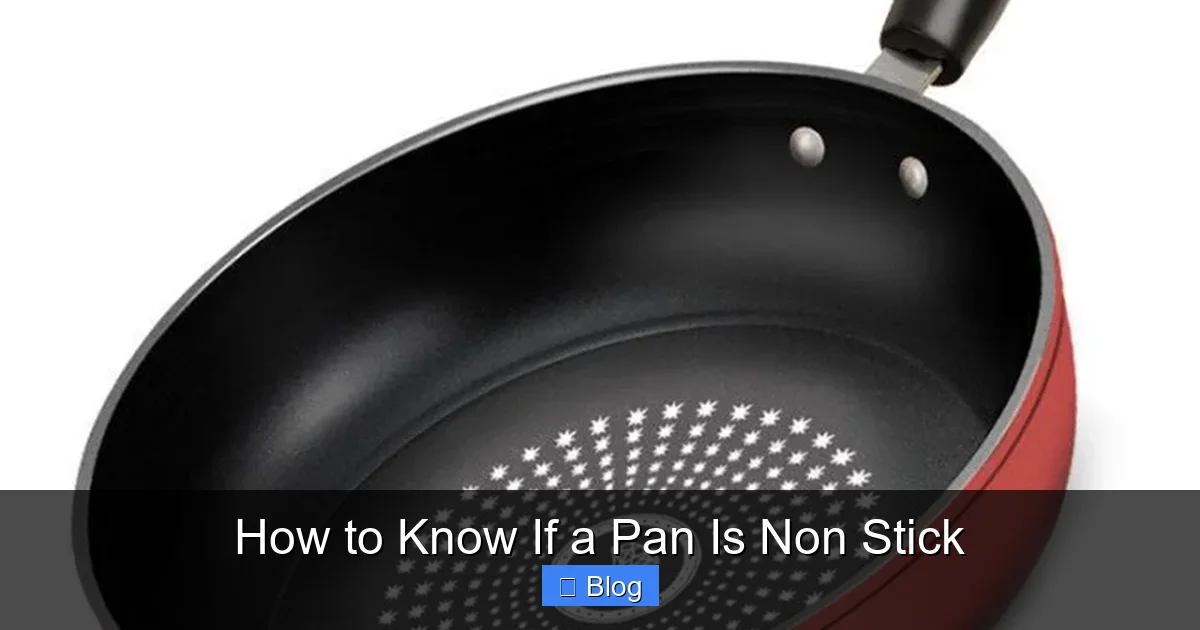
- Color & Finish: The coating is almost always a solid, uniform dark color—classic black, gray, bronze, or sometimes a speckled dark gray. It has a smooth, almost waxy or plastic-like sheen under light. You will not see the metallic color of the underlying pan anywhere unless it’s damaged.
- Texture: Run your fingernail gently across the surface. It should feel perfectly smooth, with no grit or texture. Some newer ceramic coatings have a very subtle texture, but it’s still uniform and smooth to the touch, not rough like sandpaper.
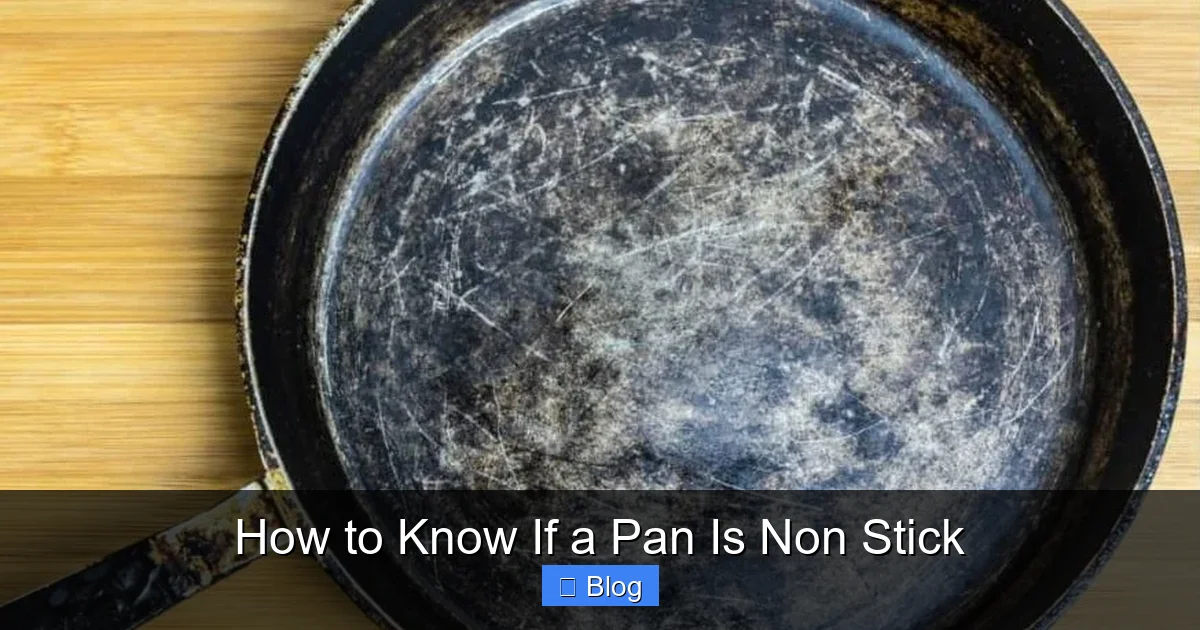
- Signs of Damage: Look closely for scratches, chips, or flaking. If you see the silvery metal of the pan base peeking through, the non-stick layer is gone in that spot. Discoloration (rainbow hues from overheating) or a rough, sandy feel means the coating is breaking down. A truly functional non-stick coating should look intact and seamless.
Identifying Seasoned Carbon Steel or Cast Iron
This is a different beast. This “non-stick” is built up over time from cooking oils.
- Color & Patina: The surface is not a uniform factory color. It ranges from deep, glossy black to a mottled dark gray or brown. It often has a slightly uneven, lived-in look. A well-seasoned pan has a mirror-like, glossy black reflection. A newer or poorly maintained one might be dull, rusty, or patchy.
- Texture: It is still metal. You can feel a slight, fine texture if you run your nail hard, but it’s not gritty. The key is the layer of oil that has fused to the metal, creating a smooth, slippery film. It should feel slick, not sticky.
- The Rust Test: If you see any orange rust spots, that is NOT the non-stick seasoning. Rust is the enemy. It means the protective oil layer has been compromised, and the bare iron is oxidizing. You must strip and re-season the pan.
Visual Red Flags: Any pan that is bright, shiny silver or stainless steel is almost certainly NOT non-stick, unless it has a special coating (which would be visible as a dark layer). A dull, gray, uncoated surface is likely bare aluminum or stainless steel—non-reactive but sticky.
Section 2: The Water Bead Test – A Simple, Revealing Experiment
This is your first and easiest at-home test. It works on both coated and seasoned surfaces because it tests for hydrophobicity—the surface’s ability to repel water. A good non-stick surface is extremely hydrophobic.
Visual guide about How to Know If a Pan Is Non Stick
Image source: panmastery.com
How to Perform the Test
1. Ensure the pan is clean and completely dry. Any oil residue or detergent film will skew results. Wash it with soap, rinse well, and dry it thoroughly with a towel.
2. Place the pan on a flat, level surface. A countertop is perfect.
3. Using a spoon or your finger, place 2-3 drops of room-temperature water onto the pan’s surface. Do this gently from a low height.
Reading the Results
- Excellent Non-Stick (Beading): The water drops should form tight, almost spherical beads that sit high on the surface. They will roll around freely if you tilt the pan. This is the hallmark of a healthy non-stick coating or a well-seasoned layer. The water is beading because it cannot wet the surface.
- Poor/Non-Existent Non-Stick (Spreading): If the water immediately flattens out into a wide, shallow puddle or a film that clings to the surface, the pan is not non-stick. This means the surface is hydrophilic—it attracts water. This is normal for bare stainless steel, unseasoned cast iron, or a completely worn-out non-stick coating.
- The “In-Between” Stage: Sometimes you’ll get beads that are less perfect, maybe a bit flatter, or they might slowly spread over a minute. This indicates a coating that is wearing down or a seasoning layer that is thin or uneven.
Pro Tip: Do this test on a portion of the pan you know is unused (like the very center) and compare it to a cooking surface. The difference will be stark on a worn pan.
Section 3: The Heat & Oil Test – The Ultimate Real-World Check
The water test is good, but the real proof is in the cooking. This test mimics actual use and is the most reliable for functional non-stick performance.
Visual guide about How to Know If a Pan Is Non Stick
Image source: img.lazcdn.com
Procedure for the “Egg Test”
1. Clean and dry the pan thoroughly. No soap residue.
2. Place it on a stove burner over medium-low heat. You want the pan warm, not smoking hot. For a seasoned pan, a low heat is crucial to start.
3. After 2-3 minutes, add a half-teaspoon of a neutral cooking oil (like canola or vegetable oil) or just a few drops of water. You can also use a small pat of butter.
What Should Happen on a True Non-Stick Surface
- The Oil/Water Bead: Instead of spreading out into a shiny film, the liquid will immediately form a single, cohesive, mobile bead. It will look like a drop of mercury. You should be able to gently tilt the pan and have this bead roll around the surface without breaking apart or leaving a trail.
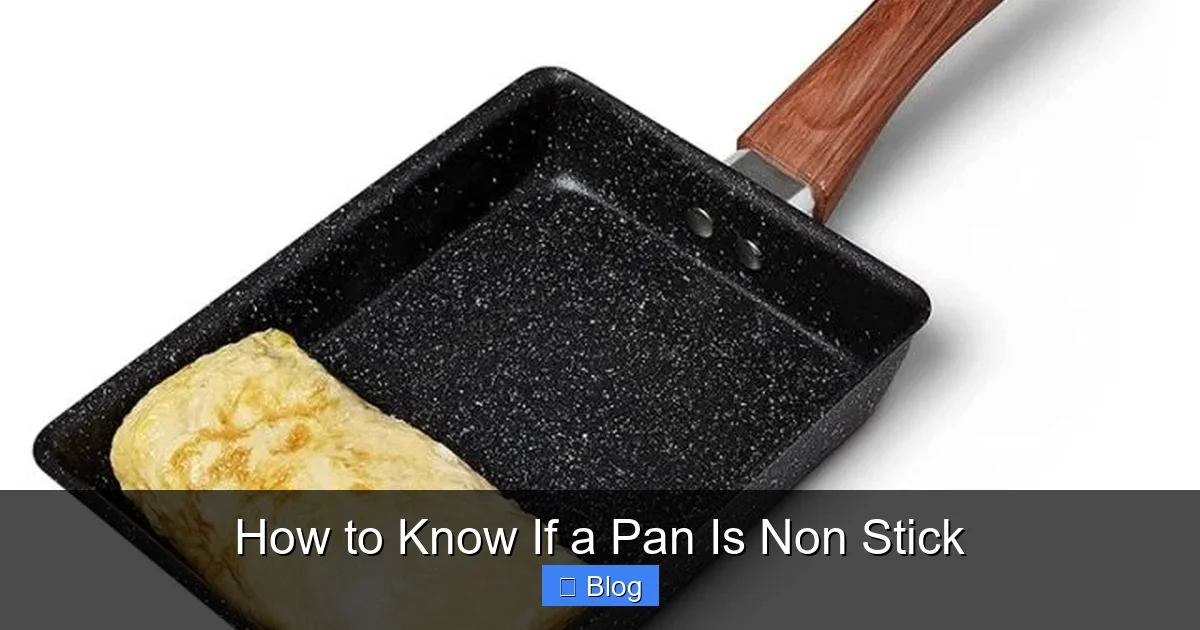
- The Egg Test (The Gold Standard): Crack a single egg directly into the warm, dry (or lightly oiled) pan. Do not stir. On a good non-stick surface, the egg white should immediately coagulate and turn opaque, staying in a distinct, cohesive shape. It should not spread into a thin, sprawling mess. After a minute, you should be able to slide a spatula effortlessly underneath the entire egg and flip it without tearing. The yolk should remain intact.
Interpreting Failure
If the oil spreads into a sizzling, shimmering film that coats the pan, that is normal cooking behavior on a sticky surface. If the egg spreads thin, sticks immediately to the pan, and tears when you try to move it, the pan has no functional non-stick properties. This test separates the pans that merely *look* non-stick from those that *perform* as non-stick.
Section 4: Seasoning vs. Coating – Knowing the Fundamental Difference
This is the most critical concept. Not all “non-stick” is created equal, and confusing the two leads to ruined pans and frustrated cooks.
Factory Non-Stick Coating (PTFE/Teflon, Ceramic)
This is a synthetic polymer applied in a factory under high heat. It’s a surface layer, like paint.
- Properties: Extremely slick from day one. Requires little to no oil for cooking. Sensitive to heat (never exceed medium-high, usually max 500°F/260°C). Metal utensils and abrasive cleaners will scratch and destroy it. Once damaged, it’s permanently compromised and cannot be repaired at home.
- Identification: Look for the uniform dark color and plastic-like feel described in Section 1. It will pass the water and oil bead tests immediately and perfectly when new.
- Care: Use wood, silicone, or plastic utensils. Wash with soft sponges. Never preheat an empty pan. It will eventually wear out (2-5 years with normal use).
Built-In Seasoning (Carbon Steel, Cast Iron)
This is a layer of polymerized oil—cooking fat that has been baked into the pan’s pores at a molecular level. It’s part of the pan itself.
- Properties: Starts sticky and must be “built up” through repeated cooking with oil. Gets better with age and proper care. Can handle very high heat (searing, oven use). Requires specific cleaning (often no soap, just hot water and a scrubber) to preserve the layer. Can be stripped and re-built from scratch if damaged by rust or misuse.
- Identification: The visual patina (Section 1). It will pass the water bead test when well-seasoned but may fail when new or rusty. The oil bead test works, but often a tiny amount of oil is needed for initial cooking.
- Care: After cooking, clean with hot water and a stiff brush or chainmail scrubber. Dry immediately on the stove. Wipe with a thin coat of oil. This is maintenance, not damage.
Key Difference: A coating is a temporary shell. Seasoning is a permanent, maintainable property of the metal itself. You cannot “re-coat” a Teflon pan. You can always re-season a cast iron pan.
Section 5: The Magnet & Manufacturer Check – Final Verifications
Sometimes, the clues above are ambiguous. Time for forensic evidence.
The Magnet Test: What It Really Means
Take a refrigerator magnet and hold it to the bottom and sides of the pan.
- Magnet STICKS: The pan base is made of ferrous metal (cast iron or magnetic stainless steel). This is common for many non-stick pans (the coating is applied over a metal base). It tells you the base material, NOT the surface treatment. A magnet sticking does NOT guarantee the cooking surface is non-stick. You could have a plain stainless steel pan with a magnetic base.
- Magnet DOES NOT STICK: The pan is likely made of aluminum (the most common base for non-stick pans) or non-magnetic stainless steel. This does NOT mean it’s not non-stick. Almost all lightweight, dark non-stick pans have an aluminum core with a coating. The magnet test only tells you about the metal underneath, not the surface on top.
Conclusion: The magnet test is only useful for identifying the base material. A non-magnetic pan can absolutely be non-stick. A magnetic pan might or might not be. Ignore this test for determining non-stick properties and rely on the visual and performance tests instead.
Researching the Manufacturer
This is your definitive source. Flip the pan over. Look for:
- Brand & Model Name: Google it. “Lodge 10-inch skillet” or “T-fal E93808.” The first few results will tell you exactly what it is.
- Printed Markings: Look for words like “Non-Stick,” “Ceramic,” “PTFE,” “Titanium Reinforced,” “Seasoned,” “Pre-Seasoned,” “Carbon Steel.” These are direct clues.
- Packaging: If you still have it, the box will be explicit. “Non-Stick Fry Pan” or “Pre-Seasoned Cast Iron Skillet” are clear labels.
- Price Point: Very cheap, lightweight dark pans are almost always disposable PTFE-coated aluminum. Expensive, heavy, dark pans could be high-end PTFE, ceramic, or carbon steel. A heavy, black, uncoated-looking pan is likely cast iron.
When in doubt, the internet is your friend. A quick search of the brand and any markings will solve the mystery 99% of the time.
Section 6: Care & Longevity – The Final Proof Is in the Usage
How a pan is treated over time is the ultimate testament to its nature and its health.
Signs of a Dying Factory Non-Stick Coating
These are the death knells:
- Food Sticks in the Center: The center of the pan is the hottest and wears first. If eggs or pancakes start sticking right in the middle while the edges are still slippery, the coating is thinning.
- Staining and Discoloration: Brown or bronze stains that won’t wash off are polymerized food oils baked into a damaged coating.
- Scratches That Reveal Metal: Deep gouges from metal utensils that show silvery metal underneath mean the coating is gone.
- It Sticks, Period: The simplest sign: food consistently sticks despite using oil and medium heat.
Signs of a Thriving or Struggling Seasoned Pan
- Improving Performance: A new carbon steel or cast iron pan will be sticky at first. After 5-10 uses with proper oiling and gentle cleaning, it should become noticeably less sticky. This is the seasoning building.
- <
- Patchiness: Uneven black and brown spots mean the seasoning is incomplete. It’s functional but not optimal. You need to cook more fatty foods in it to build the layer evenly.
- Rust: As mentioned, rust is a sign of neglect, not the seasoning itself. It means the protective oil layer was washed away or not replenished, and water attacked the bare iron. This is fixable.
- Sticky Residue: If food leaves a gummy, sticky film that’s hard to remove, you likely used too much heat with oil, causing it to polymerize incorrectly. This requires a deep clean and re-seasoning.
The Ultimate Test of Time: A well-maintained PTFE pan will last a few years before needing replacement. A well-maintained cast iron or carbon steel pan will last generations. The way it ages is a dead giveaway to its fundamental construction.
Conclusion: You Are Now a Pan Detective
So, is that pan non-stick? Armed with these tools, you can answer with confidence. Start with the visual inspection—is there a uniform dark coating or a built-up patina? Move to the water bead test for a quick hydrophobic check. Then, graduate to the heat and oil/egg test for real-world proof. Understand the critical difference between a replaceable factory coating and a renewable seasoned layer. Use manufacturer research to confirm your suspicions, and finally, observe how the pan ages and performs over time.
The goal isn’t just to label a pan; it’s to understand its soul. A non-stick coating is a tool for easy, low-fat cooking that has a finite lifespan. A seasoned skillet is a kitchen heirloom that improves with use. Treating one like the other is a recipe for disaster. Now go forth, examine your cookware, and cook with the knowledge and confidence that comes from truly knowing your tools. Your eggs—and your sanity—will thank you.
Frequently Asked Questions
Can stainless steel pans be non-stick?
No, bare stainless steel is not non-stick. However, some high-end stainless pans have a special bonded disc or layer of aluminum or copper for even heating, but the cooking surface remains stainless and requires oil. True non-stick requires either a coating or seasoning.
How can I tell the difference between a Teflon (PTFE) pan and a ceramic-coated pan?
Visually, PTFE is usually a solid, glossy black with no texture. Ceramic coatings often have a slightly speckled or textured look and can come in colors like bronze or gray. Ceramic is also more prone to losing its non-stick properties faster than PTFE. The best way is to check manufacturer markings or packaging for “PTFE” or “Ceramic.”
Is my cast iron pan “non-stick” if it’s not black?
Not really. A gray, brown, or rusty cast iron pan is unseasoned or poorly seasoned. It will be very sticky. The “non-stick” property comes from the black, glossy layer of polymerized oil—the seasoning. You must build and maintain that layer through proper cooking and care for it to be non-stick.
Can I re-season a pan that has a factory non-stick coating?
No. Seasoning is a process for bare, porous metals like cast iron and carbon steel. A PTFE or ceramic coating is a separate, non-porous surface. Applying oil and heat to it will not create a seasoning layer; it will just create a sticky residue on top of the coating. You cannot repair a scratched non-stick coating at home.
Are scratched non-stick pans dangerous?
Minor, light surface scratching from normal use with plastic or wooden utensils is generally considered low-risk. The concern is with deep scratches that flake or chips, which could potentially release PTFE particles into food. The bigger risk is overheating a damaged pan, which can cause the coating to decompose and release fumes. For safety and performance, it’s best to replace a pan with significant coating damage.
How long should a non-stick pan last?
A good quality PTFE-coated pan, used with proper utensils (no metal), never overheated, and washed gently, should last 2-5 years for normal home cooking. Ceramic coatings often have a shorter lifespan, sometimes 1-2 years, as they can lose their slickness faster. A well-maintained cast iron or carbon steel pan, once seasoned, will last indefinitely and improve over decades.