Cast iron’s porous surface traps fish oils and proteins, causing persistent smells. The solution isn’t just washing; it requires a targeted deep clean to strip old, degraded seasoning, followed by a meticulous re-seasoning process to build a fresh, protective layer. Prevention through proper immediate care and dedicated cookware is equally crucial. This guide provides the complete, safe methods to rescue your pan and keep it odor-free for life.
Key Takeaways
- Cast iron is porous: Its microscopic roughness traps food particles and oils, especially from strong-flavored fish like salmon or tuna, leading to embedded odors.
- Soap won’t fix it: Regular dish soap only cleans the surface; it cannot remove smells locked within the seasoning layer or the metal itself.
- The fix is a two-step process: First, a deep clean to completely strip the compromised seasoning. Second, a multi-layer re-seasoning to rebuild a neutral, polymerized oil barrier.
- Immediate care prevents most problems: Rinsing with hot water and a brush right after cooking, then drying and oiling, stops odors before they start.
- Consider dedicated cookware: For frequent fish cooks, a separate, well-seasoned carbon steel wok or stainless steel pan can save your primary cast iron from constant odor battles.
- Vinegar and salt are your allies: A vinegar soak dissolves mineral deposits and old seasoning, while coarse salt provides abrasive, non-scratching scrubbing power.
- Re-seasoning is non-negotiable: After any deep clean, you must re-season. Skipping this step leaves the bare iron vulnerable to rust and immediate re-absorption of odors.
📑 Table of Contents
- Why Your Proud Cast Iron Skillet Smells Like The Fish Market
- The Immediate Action Plan: Stop The Bleed (And The Smell)
- Deep Clean Method 1: The Salt Scrub (Gentle But Effective)
- Deep Clean Method 2: The Vinegar Soak (For Stubborn, Set-In Odors)
- Deep Clean Method 3: The Self-Cleaning Oven Cycle (Nuclear Option)
- The Re-Seasoning Ritual: Building a Fresh, Odor-Proof Barrier
- Prevention: Your Forever Strategy for a Fresh-Smelling Cast Iron
- What NOT To Do: Common Cast Iron Smell Mistakes
- Conclusion: Patience and Process Win The Day
Why Your Proud Cast Iron Skillet Smells Like The Fish Market
You love your cast iron. That perfect sear, the even heat, the legacy it builds with every use. But after a beautiful pan-seared salmon dinner, a ghostly, fishy aroma haunts your kitchen the next morning. No amount of scrubbing with soap seems to banish it. What gives? The answer lies in the very nature of cast iron: its beautiful, rugged, porous surface.
Unlike stainless steel or ceramic, cast iron isn’t perfectly smooth. Under a microscope, it’s a landscape of tiny valleys and pores. When you cook, especially with oily, protein-rich foods like fish, those oils and microscopic food particles seep into these crevices. They bind with the polymerized oil layer you’ve worked so hard to build—your seasoning. Over time, especially if the pan wasn’t cleaned while still warm or was stored with residual grease, these trapped compounds break down and go rancid, releasing that unmistakable, unpleasant odor. It’s not the iron itself; it’s the decomposed remnants of your last meal living within your cookware. But don’t panic. Your pan is not ruined. This is a fixable problem that requires understanding the science of seasoning and committing to a proper deep clean.
The Immediate Action Plan: Stop The Bleed (And The Smell)
Before we talk about drastic measures, let’s master the immediate post-cooking ritual that prevents 90% of odor issues. The key is timing and temperature. Fish smells linger because the oils are allowed to cool, congeal, and embed themselves.
While The Pan Is Still Warm (Not Hot!)
The golden rule of cast iron care is to clean it while it’s still warm from the stove or oven. Once the pan has cooled enough to handle safely (warm to the touch, not scalding), take these steps:
- Scrape: Use a stiff, flat-edged metal spatula or a dedicated pan scraper to lift away any food bits. For fish skin or stuck-on bits, a little elbow grease here is your best friend.
- Rinse with Hot Water: Immediately run the pan under very hot tap water. The heat helps to emulsify and lift grease. Avoid cold water, which can cause thermal shock and warp the pan over time.
- Brush Aggressively: Use a stiff nylon brush, a chainmail scrubber, or a non-metal abrasive pad. The goal is to scrub the *entire* cooking surface, edges, and handle with the hot water. You’re physically dislodging particles from the pores. For a fish pan, really focus on the areas where the fish made contact.
- Dry Immediately and Thoroughly: This is the most critical step to prevent rust, which has its own smell. Use a clean, dry towel to wipe every surface. Then, place the pan on a stove burner over low heat for 2-3 minutes to evaporate any lingering moisture. You should see no steam.
- Light Oil Coat: Once the pan is completely cool, apply a *micro-thin* layer of a high-smoke-point oil (like grapeseed, avocado, or refined peanut oil) to the entire cooking surface and interior sides. Use a paper towel to rub it in until it looks and feels dry. This replenishes the surface of your seasoning and creates a protective barrier against air and moisture until the next use.
If you follow this ritual every single time after cooking fish, you will likely never develop a deep-set odor. But if the smell is already there, it’s time for a deep clean.
Visual guide about How to Get Fish Smell Out of Cast Iron
Image source: getsmellout.com
Deep Clean Method 1: The Salt Scrub (Gentle But Effective)
This is your first line of defense for a pan that smells but doesn’t have a visibly gross, flaky seasoning layer. Coarse kosher salt is a fantastic, non-abrasive (to the iron) scrubber that cuts through grease without stripping good seasoning.
How To Do It:
- Pour a generous amount of coarse kosher salt (about 1/4 cup) into the warm, dry pan.
- Add a tiny drizzle of oil or just a splash of water to make a paste.
- Using a folded paper towel, a soft cloth, or a nylon brush, scrub the entire interior surface in circular motions with firm pressure. The salt crystals will act as a gentle abrasive, lifting trapped particles.
- Pay special attention to the corners and the sides.
- Rinse extremely well with hot water to remove all salt grains.
- Dry immediately on the stove or with a towel.
- Apply your light oil coat.
When to use it: For mild, recent odors. If the smell is faint and your seasoning still looks mostly smooth and black, start here. It’s safe and preserves your existing seasoning.
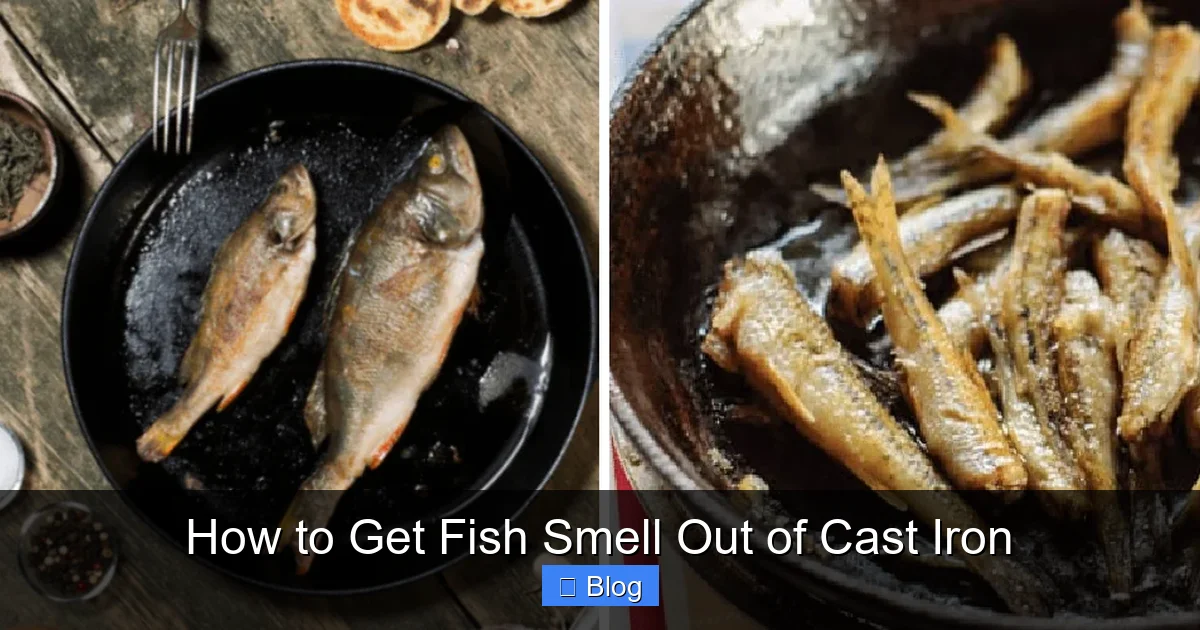
Visual guide about How to Get Fish Smell Out of Cast Iron
Image source: metalfixes.com
Deep Clean Method 2: The Vinegar Soak (For Stubborn, Set-In Odors)
When the salt scrub fails, you need chemistry. The culprit is often degraded, polymerized oil (your old seasoning) that has become a sponge for fishy compounds. An acid bath will dissolve this compromised layer. White vinegar is mild, safe for cast iron, and effective.
The Process:
- Create the Solution: Mix equal parts white vinegar and water in a container large enough to submerge your pan’s cooking surface. For a whole skillet, your sink or a large plastic tub works.
- Soak: Place the pan in the solution. The vinegar will start working immediately, bubbling slightly as it reacts with the old seasoning. For a strong smell, let it soak for 1-2 hours. Do not overnight. Prolonged exposure can start to etch the bare iron if the seasoning is completely stripped away.
- Check and Scrape: After an hour, check the pan. The old seasoning will look chalky, gray, and will easily flake off with your fingernail or a plastic scraper. This is what you want to see. Use the scraper to remove the loosened gunk.
- Scrub: Dump the vinegar solution. Using your stiff brush and hot water, scrub the entire surface vigorously. All the old, smelly seasoning should wash away, revealing the bare, grayish iron underneath. It will look rough and sad. This is normal and necessary.
- Rinse and Dry: Rinse until all vinegar smell is gone (sniff the pan). Dry immediately and thoroughly on the stove.
Critical Note: A vinegar soak completely strips seasoning. Your pan is now bare iron and must be re-seasoned from scratch before its next use. This is the most effective method for eliminating deep, rancid odors because it removes the very material holding the smell.
Visual guide about How to Get Fish Smell Out of Cast Iron
Image source: newrealreview.com
Deep Clean Method 3: The Self-Cleaning Oven Cycle (Nuclear Option)
If your pan is a lost cause—thick, flaky, blackened, and reeking—the self-cleaning cycle on your oven uses extreme heat (around 900°F) to incinerate organic material. This will burn off every last bit of seasoning and food residue.
How To Execute:
- Ensure your pan is completely clean of food debris. Give it a quick scrub.
- Place the pan upside down on the oven rack. You can put a sheet of aluminum foil on the rack below to catch drips (though there shouldn’t be many).
- Run the self-cleaning cycle. This will generate smoke and a strong, burnt odor. Ensure your kitchen is well-ventilated (fans on, windows open).
- After the cycle cools, open the oven. The pan will be covered in a white, ash-like residue (the burned-off seasoning).
- Use a stiff brush and hot water to scrub this ash away. It will come off easily, revealing a bare, matte gray surface.
- Dry immediately on the stove.
Warning: This method can warp thin pans or crack pans with existing cracks. Use it only on thick, sturdy, undamaged skillets as a last resort. Like the vinegar method, this requires a full re-seasoning.
The Re-Seasoning Ritual: Building a Fresh, Odor-Proof Barrier
Your pan is now clean, bare, and vulnerable. That rough gray surface is a sponge waiting to absorb the next oil you use—and any smell that comes with it. Re-seasoning creates a smooth, polymerized layer of oil that is non-porous and protects the iron. This is the most important step to ensure the fish smell never returns.
Step-by-Step Re-Seasoning:
- Preheat Oven: Preheat your oven to 450-500°F. The high heat is crucial for proper polymerization.
- Apply Oil: Using a clean, lint-free cloth or paper towel, apply a microscopically thin layer of a high-smoke-point oil to the entire cooking surface and interior sides. Avoid the handle if it’s not oven-safe (most are, but check). Rub it in until the pan looks almost dry. Too much oil will cause sticky, gummy spots. Less is more.
- Wipe It Down: Take a clean cloth and buff the surface until it no longer looks shiny. You should not see any pools or drips of oil.
- Bake Upside Down: Place the pan upside down on the middle oven rack. Put a sheet of aluminum foil or a baking sheet on the rack below to catch any drips. Bake for 1 hour.
- Cool: Turn off the oven and let the pan cool completely inside. Do not remove it early.
- Repeat: For a brand-new seasoning layer on bare iron, repeat this entire process (oil, wipe, bake) 2-3 more times. Each layer builds upon the last, creating a durable, black, non-stick surface. For a pan that just had a vinegar clean, 3-4 layers are ideal.
Your pan is now re-seasoned. The first few uses should be with neutral-flavored, high-fat foods (like bacon, or frying potatoes) to further strengthen the layer.
Prevention: Your Forever Strategy for a Fresh-Smelling Cast Iron
An ounce of prevention is worth a pound of deep cleaning. Integrate these habits into your cast iron routine.
The Golden Rules Recap:
- Clean Hot, Not Cold: Always clean while the pan is still warm.
- No Soap (Usually): For everyday cooking, hot water and a brush are sufficient. Soap can strip seasoning over time, making the iron more susceptible to odor absorption.
- Dry With Fire: The stove-top drying step is non-negotiable. Water is the enemy.
- Light Oil After Every Wash: That micro-thin oil coat is your pan’s daily vitamin.
Strategic Cooking for Fish Lovers:
- Use More Fat: Cook fish in ample oil or butter. This creates a more robust barrier between the fish and the pan’s surface.
- Don’t Let It Sit: Never leave cooked fish in the pan, even in the fridge. Transfer it to a plate immediately. The longer residual juices sit, the more they penetrate.
- Consider a Dedicated Pan: If you cook fish weekly, invest in a second, inexpensive carbon steel wok or a well-seasoned stainless steel pan for that purpose. Let your prized cast iron handle your steaks and veggies.
- Bake It Out: Once a month, if you use your pan heavily, give it a “bake-out.” After cleaning and drying, put it in a 400°F oven for 10 minutes with nothing in it. This drives off any microscopic food particles or moisture.
What NOT To Do: Common Cast Iron Smell Mistakes
Avoid these pitfalls that make the problem worse or damage your pan.
- DON’T use the dishwasher. The harsh detergent and prolonged water exposure will strip seasoning and promote rust, creating a new smell problem.
- DON’T soak your cast iron. Prolonged water exposure is the #1 cause of rust, which has its own metallic odor and requires more work to remove.
- DON’T scrub with steel wool or metal scrapers on a seasoned pan. These will gouge the seasoning layer, creating more pits for odors to hide. Use them only during a deep clean on bare iron.
- DON’T skip the re-seasoning step after a deep clean. Putting food in a bare, wet iron pan is a recipe for immediate sticking, rust, and a return of foul smells.
- DON’T store your pan with food residue or a thick layer of oil. Always store it clean, dry, and with at most that whisper-thin oil coat. Thick oil goes rancid.
Conclusion: Patience and Process Win The Day
That fishy smell in your cast iron isn’t a life sentence for your cookware. It’s a signal. It tells you that the delicate balance of your seasoning has been compromised by trapped, decomposing organic matter. By understanding that cast iron is a living surface—one that requires respectful, immediate care—you can both solve the existing problem and prevent future ones. Remember the hierarchy: immediate hot-water cleaning for daily maintenance, salt or vinegar deep cleans for established odors, and always, always, follow with a thorough re-seasoning. Your cast iron is an heirloom in the making. Treat it with this knowledge, and it will serve you—and your grandchildren—with flawless sears and absolutely no fishy afterthoughts for generations to come. Now, go rescue that skillet. That salmon dinner you’re planning deserves a worthy, odor-free stage.
Frequently Asked Questions
Can I just use soap to get the fish smell out?
No. Regular dish soap is designed to cut through fresh grease on non-porous surfaces. It cannot penetrate the seasoning layer or the iron’s pores to remove the decomposed, rancid oil particles causing the odor. Soap might mask the smell temporarily but won’t solve the root problem.
How many times do I need to re-season after a vinegar clean?
Because a vinegar soak strips the pan back to bare iron, you need to build a new seasoning layer from scratch. Apply 3-4 thin coats of oil, baking each layer in a 450-500°F oven for one hour, allowing the pan to cool completely between coats. This builds a durable, protective barrier.
My pan still smells a little after re-seasoning. Is it ruined?
Not necessarily. A faint, neutral “cooking oil” smell after the first few re-seasoning cycles is normal. The new seasoning is still curing. Cook with high-fat foods like bacon or bake a tray of potatoes in the pan 2-3 times. This will help polymerize and seal the layer fully. If the distinct fishy odor persists after this, you may need to repeat the deep clean and re-seasoning process.
Will this process work for other strong smells, like garlic or curry?
Absolutely. The principle is the same: strong-smelling foods can penetrate and degrade seasoning. The deep clean (vinegar soak or salt scrub) followed by re-seasoning is the universal solution for any stubborn, embedded odor in cast iron, not just fish.
Can I use my cast iron for fish at all without it smelling?
Yes, but you must be meticulous. Always cook with plenty of oil or fat, clean the pan immediately while warm with hot water and a brush, dry it thoroughly on the stove, and apply a light oil coat. Many seasoned cooks successfully use their primary cast iron for fish by following this routine without fail.
Is it safe to use a pan that had a vinegar soak without re-seasoning?
No, it is not safe for cooking. A vinegar-cleaned pan has no protective seasoning. The bare iron will rust immediately upon contact with water and will stick horribly with any food. You must complete the full re-seasoning process before using the pan for cooking again.