Don’t let roaches turn your kitchen cabinets into a breeding ground! This guide provides a clear, actionable plan to eliminate an infestation, starting with immediate deep cleaning to remove food sources, followed by sealing entry points and deploying targeted treatments like bait stations. You’ll also learn essential long-term prevention habits to ensure roaches stay out for good, with advice on when DIY methods are enough and when to call a professional exterminator.
Key Takeaways
- Kitchen cabinets are a roach magnet: They offer food, moisture, darkness, and warmth—everything a roach colony needs to thrive and multiply quickly.
- Deep cleaning is your first and most critical step: You must eliminate all food residues and spills to make your cabinets inhospitable and force roaches to seek sustenance elsewhere.
- Sealing is non-negotiable: You can’t just kill the roaches you see; you must find and block every crack, gap, and opening they use to enter and hide.
- Bait stations outperform sprays for colony elimination: Roaches carry the poison back to the nest, killing the queen and hidden members, whereas sprays only kill on contact.
- Prevention is a daily commitment: Long-term success relies on consistent habits like proper food storage, immediate spill cleanup, and regular cabinet inspections.
- Natural remedies have limitations: While options like diatomaceous earth or essential oils can help, they are often less effective for established infestations than commercial baits and insecticides.
- Know when to call a professional: If you see roaches during the day, find large numbers, or the infestation returns quickly after treatment, it’s time for expert intervention.
📑 Table of Contents
- Why Roaches Love Your Kitchen Cabinets
- Immediate Actions to Take When You Spot Roaches
- Deep Cleaning: The Foundation of Roach Control
- Sealing Entry Points and Eliminating Hiding Spots
- Effective Roach Treatment Options: Baits, Dusts, and Sprays
- Long-Term Prevention: Keeping Roaches Out for Good
- Conclusion: Your Action Plan for a Roach-Free Kitchen
Why Roaches Love Your Kitchen Cabinets
Let’s be honest. Finding a roach in your kitchen cabinet is one of the most unsettling experiences for a homeowner. That quick, scuttling movement in the corner of your eye when you open a door triggers an immediate sense of disgust. But beyond the “ick” factor, kitchen cabinets represent the perfect storm of conditions that roaches, especially the common German and American varieties, need to not just survive but build a massive, hidden colony. Understanding why they are so attracted to this specific space is the first step in winning the battle.
Cabinets offer a trifecta of roach desires: food, water, and shelter. They are dark, often undisturbed spaces that stay relatively warm. But the primary draw is food. Crumbs from cereal boxes, spills from syrup or oil, residue on dirty dishes, and even the cardboard packaging of food items are all gourmet meals for roaches. They can survive on incredibly small amounts—a single breadcrumb or a droplet of grease. The moisture from leaky pipes under the sink, damp sponges left in cabinets, or even high humidity creates the hydration they need. Finally, the tight spaces behind shelves, in corners, and underneath the entire cabinet assembly provide ideal hiding and breeding spots, protecting them from predators and your swatter.
The Life Cycle That Works Against You
What makes a roach infestation in cabinets so challenging is their reproductive rate. A single female German roach can produce up to 300 offspring in her lifetime, and she carries her egg case (ootheca) until just before it hatches. That means when you see one roach, there are likely dozens, if not hundreds, of others hidden in the walls, behind the cabinet backs, and in the voids around pipes. They are nocturnal, so seeing one during the day is a major red flag that the hiding places are overcrowded. Your kitchen cabinets, with their quiet, resource-rich environment, are the ultimate safe house for this rapid population growth.
Immediate Actions to Take When You Spot Roaches
Seeing a roach is your signal to act immediately. Panic won’t help, but swift, decisive action will. The goal right now is to disrupt their environment and cut off their supplies while you prepare for a more thorough assault. Do not just spray the one you see and move on. That is the least effective thing you can do.
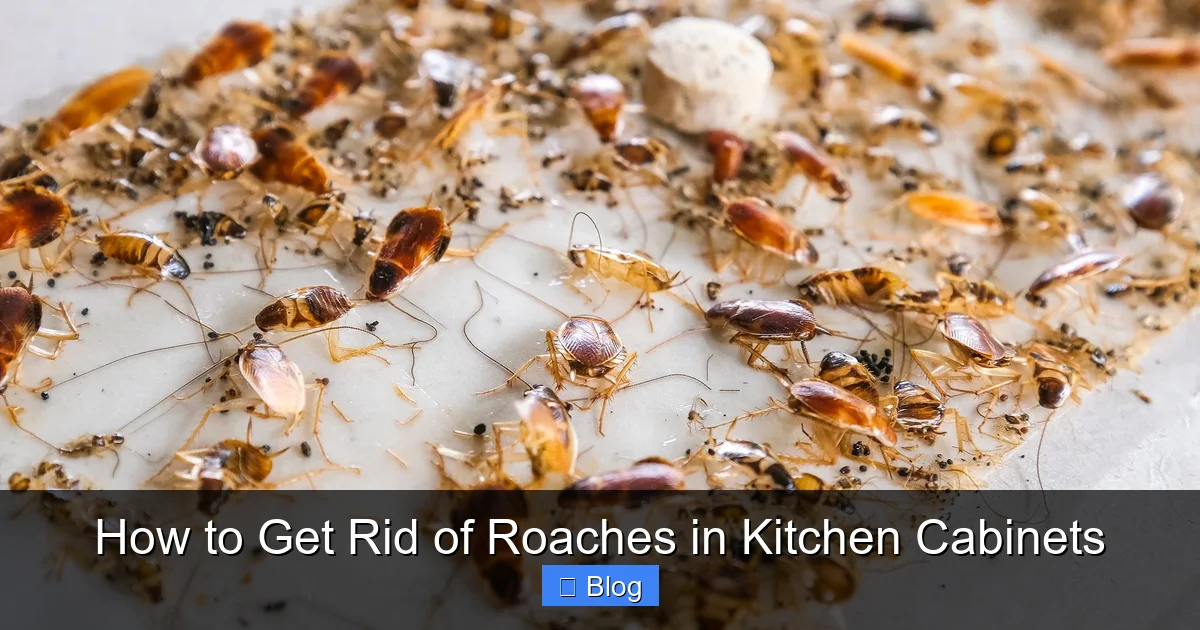
Visual guide about How to Get Rid of Roaches in Kitchen Cabinets
Image source: todayshomeowner.com
Step 1: Inspect and Identify
Grab a flashlight and do a careful, quiet inspection of all kitchen cabinets, especially under the sink and in pantries. Look for live roaches, of course, but more importantly, look for evidence. This includes:
- Fecal matter: Small, dark specks that look like ground pepper or coffee grounds.
- Egg casings: Tiny, brown, purse-shaped cases, often in crevices or behind items.
- Shed skins: Roaches molt as they grow, leaving translucent exoskeletons behind.
- A musty odor: A large infestation can produce a distinct, oily, musty smell.
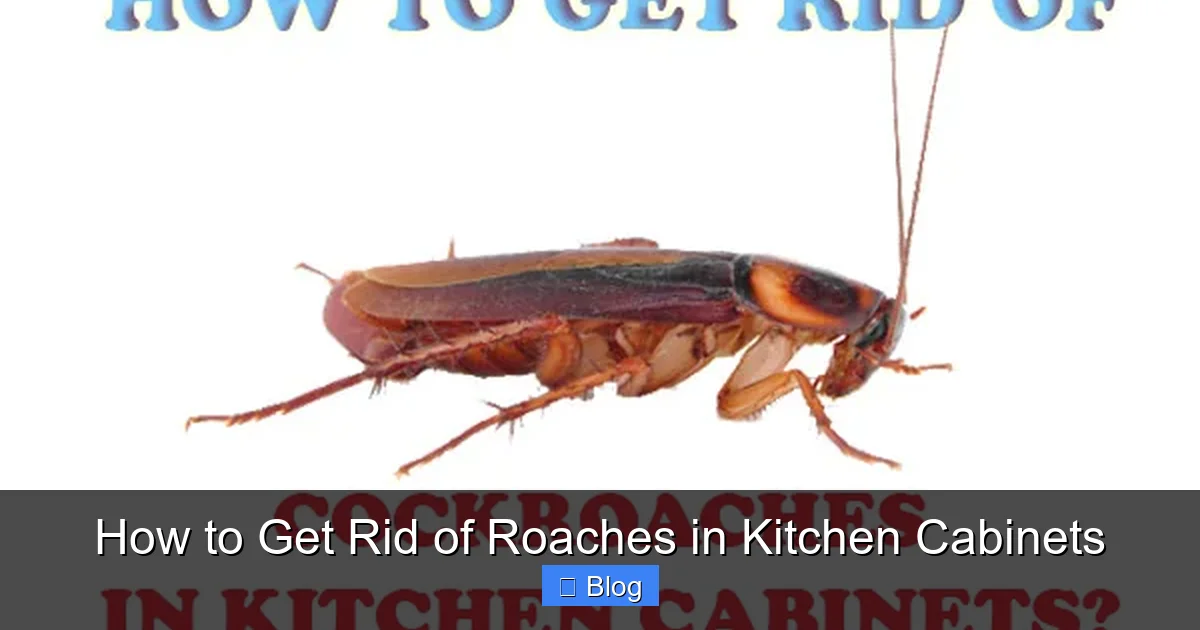
Identifying the type (German roaches are smaller, tan with two dark stripes; American roaches are larger, reddish-brown) can help tailor your approach, but for now, assume the worst and proceed with a full eradication plan.
Step 2: Remove All Food Sources Overnight
This is a critical psychological and practical blow to the colony. Roaches are opportunistic. If food is readily available in your cabinets, they have no reason to venture out and encounter your baits or traps. For the next 48 hours:
- Store all food: Move every single food item—cereal, pasta, chips, pet food—into hard-sided, airtight plastic or glass containers. Cardboard boxes and thin plastic bags are no match for a determined roach.
- Clear the counters: No fruit bowls, no cooking oils, no sugar containers left out. Everything goes into sealed storage or the refrigerator.
- Take out the trash: Ensure your indoor trash can has a tight-sealing lid and take it out to an outdoor bin with a secure lid. Do the same with recycling, especially soda cans and food-soiled packaging.
This creates a deliberate “food famine” that will make the baits you introduce later much more attractive.
Step 3: Deep Clean (We’ll detail this in the next section)
You need to scrub every surface inside the cabinets to remove invisible attractants. This isn’t just a wipe-down; it’s a surgical cleaning operation.
Step 4: Set Initial Monitoring and Bait Stations
While you clean, place a few roach bait stations in the corners of the cabinets, under the sink, and in the pantry. Don’t overcrowd them; one or two per cabinet is fine. These are not meant to be the primary kill method yet, but they will start attracting roaches and give you an early indication of activity levels. Use gel baits in tiny dabs in cracks and crevices where they travel. This starts the process of poisoning the colony from within.
Deep Cleaning: The Foundation of Roach Control
You cannot effectively get rid of roaches in kitchen cabinets without a supreme, meticulous deep clean. This step removes the pheromone trails they leave behind (which guide other roaches to food sources) and eliminates the organic film that attracts them. Think of it as erasing their map and destroying their pantry.
Visual guide about How to Get Rid of Roaches in Kitchen Cabinets
Image source: media.designcafe.com
A Systematic Cabinet Emptying and Scrubbing
This is labor-intensive but absolutely necessary. Pick a time when you can dedicate a few hours.
- Empty everything: Take all items out of the cabinet. This includes dishes, glasses, pots, and food items (which you’ve already sealed). You need to see every surface.
- Remove shelves and drawers: Take out adjustable shelves and all drawers. This allows you to clean the interior cabinet box, the shelf supports, and the drawer interiors and slides.
- Vacuum first: Use a vacuum with a crevice tool to thoroughly vacuum the entire empty cabinet interior, the back wall, corners, and the floor of the cabinet. This removes loose debris, eggs, and dead roaches. Immediately empty the vacuum bag or canister into an outdoor trash bin.
- Wash with a degreaser: Mix a solution of hot water and a strong dish soap (like Dawn) or a dedicated kitchen degreaser. Using a sponge or rag, scrub every single surface—walls, ceiling, floor, shelf edges, door seals. Pay special attention to the area under the sink where pipes enter the cabinet; this is a classic moisture and entry point. For stubborn grease, let the soapy water sit for 5 minutes before scrubbing.
- Rinse and dry: Wipe down all surfaces with a clean, damp cloth to remove soap residue, then dry thoroughly with a towel. Roaches are attracted to moisture, so a dry cabinet is less appealing.
- Don’t forget the exterior: Wipe down the cabinet fronts, handles, and the area where the cabinet meets the wall. Roaches travel along these edges.
The Details You Absolutely Cannot Miss
The devil is in the details. Missing one spot can allow the colony to rebound.
- Behind and under appliances: If your cabinets are above or below a stove, refrigerator, or dishwasher, you must pull these appliances out (if possible) to clean the wall and floor behind them. Grease splatter behind a stove is a roach buffet.
- Pipe entry points: Wherever a water pipe, drain pipe, or gas line enters the cabinet, you have a potential highway and hiding spot. Clean around the pipe collar and inspect the seal.
- Cabinet corners and seams: Use an old toothbrush or small grout brush to scrub into the corners and along the seams where the cabinet sides meet the back. These are prime egg-laying sites.
- Drawer interiors and tracks: Empty drawers completely. Scrub the inside, the sides, and especially the tracks and rollers where grease and crumbs accumulate.
- Spice racks and organizers: Take these out and wash them separately. They are notorious crumb collectors.
Proper Food Storage After Cleaning
Once your cabinets are sparkling and completely dry, you can begin to restock. But how you store food is now part of your defense strategy. Never put food back into its original cardboard box or plastic bag. Transfer everything—cereal, pasta, rice, snacks, pet food—into sealable, hard plastic or glass containers with locking lids. This includes items you think are “safe,” like unopened boxes of cake mix. Roaches can chew through cardboard and thin plastic. For items you use daily, like bread or chips, use a dedicated bread box or large clips to seal bags tightly. This eliminates the scent trail that would otherwise call roaches back to your freshly cleaned cabinets.
Sealing Entry Points and Eliminating Hiding Spots
Cleaning and baiting will kill roaches, but if you don’t seal their entry points and hideouts, new ones will simply move in from neighboring apartments or from outside. This step is about making your kitchen a fortress. You must become a detective, hunting for the smallest openings.
Visual guide about How to Get Rid of Roaches in Kitchen Cabinets
Image source: kapturepest.com
Conduct a Thorough Inspection
With your cabinets empty and clean, put on a headlamp or use your phone’s flashlight. Get down on your hands and knees. Inspect with a critical eye. Look for:
- Cracks in the wall or baseboard behind and beside the cabinets.
- Gaps around pipes, conduits, and electrical outlets where they enter the wall or cabinet.
- Space under the cabinet where it meets the floor (often a quarter-inch gap).
- The joint where two cabinets meet (the stile and rail).
- Around the sink drain and faucet lines entering the cabinet.
- Holes or damage in the cabinet back panel or the wall itself.
- Gaps around the cabinet doors when closed.
Use a pencil to mark any gap you find, no matter how small. Roaches can squeeze through a space as thin as a credit card (about 1/16th of an inch).
Sealing Materials and Techniques
Different gaps require different solutions.
- For small cracks and gaps (less than 1/4 inch): Use a high-quality silicone caulk. Silicone is flexible, waterproof, and durable. Clean the gap thoroughly, apply the caulk smoothly with a caulking gun, and smooth it with a wet finger or tool. This is your most common fix for sealing around pipes, baseboards, and cabinet seams.
- For larger holes (around pipes, behind cabinets): Use a combination of steel wool and caulk. Steel wool is abrasive and difficult for roaches to chew through. Pack it firmly into the hole, then cover it with caulk to seal it in place and prevent rusting. For very large holes, you may need to use a piece of aluminum flashing or sheet metal as a patch before caulking.
- For the gap under the cabinet: Install door sweeps or threshold seals on the cabinet doors. For the gap between the cabinet base and the floor, apply a bead of caulk along the front edge. You can also use flexible foam weatherstripping.
- For outlet and switch plates: Use foam gaskets that fit behind the plate to seal the gap. These are inexpensive and easy to install.
Important: Before sealing, ensure the area is clean and dry. The sealant will fail if applied to dirty, dusty, or wet surfaces.
Eliminate Clutter and Reduce Hiding Spots
Inside the cabinets, less is more. Clutter provides perfect hiding places. Keep cabinet interiors as empty as possible. Use organizers sparingly and ensure they are clean and don’t create voids. Store pots and pans in a way that leaves no dark corners. This makes it harder for roaches to establish a nest and easier for you to spot any new activity.
Effective Roach Treatment Options: Baits, Dusts, and Sprays
With a clean, sealed environment, it’s time to deploy the chemical and non-chemical weapons. The goal is to kill the hidden colony, not just the scouts you see. This requires a strategic approach.
Bait Stations: The Gold Standard for DIY
Bait stations are the single most effective tool for the average homeowner. They contain a slow-acting poison mixed with a powerful attractant. Roaches eat the bait, return to their nest, and die. More importantly, before they die, they defecate and regurgitate, spreading the poison to other roaches, including nymphs and the queen. Some baits also have an “attractant ring” that draws roaches from a distance.
- How to use them: Place stations in the corners of cabinets, under the sink, behind the toilet, and in the pantry. Do not place them on surfaces you clean daily, as moisture will degrade them. Place them where roaches travel—along edges, in corners, behind objects. Use multiple small stations rather than one large one.
- Patience is key: You will likely see more roaches initially as they are drawn to the bait. This is a good sign. Do not disturb the stations. It can take 1-2 weeks to see a significant reduction, and 4-6 weeks for complete colony elimination. Replace stations according to the label (usually every 3 months or when empty).
- Top products: Look for active ingredients like fipronil (Advion, Maxforce), indoxacarb (Advion Cockroach Gel Bait), or hydramethylnon. Gel baits (applied in dabs) are excellent for tight spaces where stations won’t fit.
Diatomaceous Earth (DE) and Boric Acid: The Dusty Duo
These are fine powders that work differently from baits.
- Boric Acid: A stomach poison that also abrades the exoskeleton. It’s not a repellent; roaches must walk through it and ingest it (often by grooming). Apply a very thin, barely visible layer in cracks, crevices, under appliances, and behind cabinets. A thick layer will be avoided. It’s relatively low-toxicity to humans/pets but should still be used with care (avoid inhalation). It remains effective indefinitely if kept dry.
- Food-Grade Diatomaceous Earth: Made from fossilized algae, it’s a mechanical killer. The microscopic sharp particles damage the roach’s waxy outer layer, causing dehydration. Apply a thin layer in the same hidden areas as boric acid. It works slowly but is non-toxic to mammals. Must be kept dry to be effective; moisture renders it useless.
Tip: You can mix a small amount of boric acid with a bit of flour and a drop of water to create a paste that can be applied to tiny crevices, making it more likely to be ingested.
Insect Growth Regulators (IGRs): Stopping the Life Cycle
IGRs like hydroprene or methoprene don’t kill adult roaches. Instead, they mimic insect hormones and prevent nymphs from developing into reproductive adults. Over time, the population dies out because no new adults are produced. They are often combined with other insecticides in spray or fogger formats. While useful as part of an integrated approach, they are rarely sufficient on their own for an active infestation. Use them in conjunction with baits and dusts.
Natural and Home Remedies: Do They Work?
Many suggest baking soda, bay leaves, or essential oils (peppermint, eucalyptus, tea tree). The theory is that these repel roaches or cause internal damage.
- Bay leaves: May have a mild repellent effect, but will not eliminate an infestation.
- Baking soda: The theory that it expands in a roach’s stomach is largely a myth. It is not a reliable roach killer.
- Essential oils: Can act as a repellent, driving roaches out of treated areas. However, this often just moves them to another part of the house. They do not kill the colony. They can be used as a supplementary deterrent in cleaning solutions (a few drops in vinegar/water) but should not be your primary method.
Bottom line: For a serious cabinet infestation, rely on proven baits and dusts. Natural methods are best for mild issues or as a follow-up prevention tactic.
Long-Term Prevention: Keeping Roaches Out for Good
Elimination is the first victory. Winning the war requires changing habits to make your kitchen permanently unappealing. This is the maintenance phase that must become second nature.
Daily Habits for a Roach-Free Kitchen
- No overnight dishes: Never leave dirty dishes, glasses, or pots in the sink or on counters overnight. Wash them immediately or load them into a dishwasher that will run soon.
- Wipe all surfaces: After every meal prep and snack, wipe down counters, stovetops, and tables with an all-purpose cleaner or a vinegar-water solution. Remove any food residue or sticky spills.
- Sweep and vacuum floors: Do this nightly, especially if you have kids or pets that track in crumbs. Pay attention to the edges where the floor meets the cabinets.
- Manage trash: Use a trash can with a tight-sealing lid. Take it out regularly, especially in warm weather. Clean the bin periodically.
- Pet food: Do not leave pet food out all day. Feed your pet and pick up the bowl after 30 minutes. Store pet food in sealed containers.
Weekly and Monthly Routines
- Inspect cabinets weekly: Once a week, do a quick visual check of all kitchen cabinets. Look for new fecal spots, evidence, or live roaches. Early detection of a new scout can prevent a full re-infestation.
- Clean cabinet exteriors: Wipe down cabinet fronts and handles with a cleaning solution. This removes the scent trails roaches leave as they travel along these paths.
- Check under appliances: Once a month, pull out the refrigerator and stove (if possible) to clean behind and underneath. This is a major roach hotspot.
- Monitor bait stations: Check your bait stations monthly. Replace any that are empty or have been chewed through. Refresh gel bait dabs as needed.
- Re-seal as needed: Over time, caulk can crack or pull away. Inspect your seals every few months and reapply caulk where necessary.
Seasonal and Situational Awareness
Roach activity often spikes in warmer months as they seek cooler indoor spaces. Be extra vigilant in spring and summer. Also, be aware of “Trojan horse” introductions. Cardboard boxes from grocery stores or deliveries can harbor roach eggs. Unload boxes in the garage or outside, inspect them, and discard the cardboard immediately. Similarly, used furniture or appliances brought into the home can introduce roaches. Inspect and clean these items thoroughly before bringing them inside.
When to Call a Professional Exterminator
Despite your best efforts, some infestations are too large or resilient for DIY methods. Consider calling a licensed pest control professional if:
- You continue to see large numbers of roaches during the day after 3-4 weeks of consistent treatment.
- You find roaches in multiple areas of your home, not just the kitchen.
- The infestation returns quickly after you believe it’s eliminated.
- You live in an apartment or multi-unit dwelling where roaches can easily travel between units. A professional can treat common areas and advise on building-wide issues.
- You are uncomfortable handling pesticides or have young children or pets that increase the risk.
Professionals have access to stronger, more targeted insecticides, gel baits, and can apply treatments in wall voids and other inaccessible areas. They also provide a comprehensive plan and guarantee, offering peace of mind.
Conclusion: Your Action Plan for a Roach-Free Kitchen
Getting rid of roaches in kitchen cabinets is not a one-time spray-and-forget event. It is a systematic process that requires diligence, patience, and a multi-pronged strategy. You must first create an environment so clean and dry that it no longer supports life. Then, you must strategically deploy baits and dusts to eliminate the hidden colony. Finally, you must fortify your home by sealing every entry point and committing to long-term housekeeping habits that prevent a return.
Start with the deep clean and food storage overhaul. This is the foundation. Then, apply your chosen treatments—bait stations are your best friend here. Be patient; the colony collapse takes time. Simultaneously, hunt down and seal every crack. Once the roaches are gone, the daily and weekly routines you establish are what will keep them away for good. Remember, seeing one roach means there are many more hidden. But by following this guide, you can reclaim your kitchen cabinets and restore peace of mind to your home. The power is in your hands—get cleaning, get sealing, and get baiting.
Frequently Asked Questions
Are roaches in kitchen cabinets dangerous to my health?
Yes. Roaches are known to carry bacteria like E. coli and Salmonella from garbage and sewage to your food and surfaces. Their shed skins and feces can also trigger allergies and worsen asthma, especially in children. An infestation in your food preparation area poses a significant health risk that requires immediate action.
How long does it take to completely get rid of a roach infestation in cabinets?
It depends on the severity. For a moderate infestation using bait stations, you should see a noticeable reduction in 1-2 weeks and near-elimination in 4-6 weeks. Severe infestations can take 2-3 months. The key is consistency with baiting and cleaning; stopping early will allow the colony to rebound.
What is the fastest way to kill roaches in my cabinets?
The fastest kill comes from contact sprays or aerosols, which will kill roaches on contact. However, this is not the fastest way to eliminate the colony. Sprays only kill visible roaches and scatter the rest, often making the problem worse. For true, lasting elimination, bait stations are the most effective, though they work more slowly by targeting the entire nest.
Can I use bleach to kill roaches in my cabinets?
Bleach is a powerful sanitizer and will kill roaches on direct contact. However, it is not a good long-term solution. Its strong smell repels roaches, so they will simply avoid treated areas. It also does not affect the colony hidden in walls. Furthermore, using bleach in enclosed cabinets can be hazardous due to fumes and potential damage to surfaces. It’s better for cleaning surfaces after an infestation than for active roach control.
Do I need to empty all my kitchen cabinets to get rid of roaches?
Yes, absolutely. To effectively deep clean and apply treatments (dusts, baits, sealant), you must empty the cabinets. This allows you to vacuum, scrub, and inspect every surface and corner. It also forces you to properly store all food in airtight containers, which is a critical step in removing their food source. Treating a full cabinet is ineffective and messy.
Will roaches come back after I’ve eliminated them from my cabinets?
They absolutely can if you do not change the conditions that attracted them. Roaches are persistent and can re-enter from neighboring units, from outside, or be brought in on items. This is why the long-term prevention steps—daily cleaning, proper food storage, sealing entry points, and monitoring—are so crucial. Without these habits, a re-infestation is highly likely, especially in multi-family homes.