Melted plastic on a glass stove top is a common but fixable mishap. The key is to act quickly, never use abrasive tools, and leverage gentle heat or cooling to solidify and lift the plastic. Always start with the safest method—cooling and scraping with a plastic tool—before escalating to heat or specialized cleaners. Patience and the right technique are crucial to restore your stove’s surface without causing costly scratches or damage.
Key Takeaways
- Act Fast, But Safely: Turn off the stove and let it cool completely before attempting removal to avoid burns and further melting.
- Start Gentle: Always begin with the least aggressive method: cool the plastic until hard and gently pry with a plastic scraper or credit card.
- Heat Can Be Your Friend: If cooling fails, applying gentle, low heat (like a hairdryer) can soften the plastic for easier removal, but avoid high stove heat.
- Avoid Abrasives at All Costs: Never use metal scrapers, steel wool, or gritty cleaners on a glass cooktop; they will cause permanent scratches.
- Clean Thoroughly After: Once the plastic is removed, clean the area with a dedicated glass stove top cleaner or mild soap to remove any residual film.
- Prevention is Key: Use a burner cover or simmer mat when cooking with plastic-handled utensils to prevent future accidents.
📑 Table of Contents
- Introduction: A Common Kitchen Crisis
- Why Immediate and Correct Action is Critical
- Method 1: The Cold & Patient Approach (First Line of Defense)
- Method 2: The Gentle Heat Technique (For Stubborn, Old Residue)
- Method 3: Commercial Cleaners and Household Solutions
- What NOT To Do: Common Mistakes That Cause Damage
- Prevention: Stopping Future Melted Plastic Incidents
- Conclusion: Patience and the Right Tools Prevail
Introduction: A Common Kitchen Crisis
That faint smell of burning plastic. The sudden, sticky blob fused to your beautiful, sleek glass stove top. It’s a moment of dread that strikes fear into the heart of any home cook. One misplaced plastic bag, a utensil handle left too close to the heat, or a forgotten piece of packaging, and in seconds, you have a melted plastic disaster. Your first instinct might be to grab a metal spatula and attack it, but that would be a costly mistake. Glass cooktops are durable but vulnerable to scratches. The good news? This is a fixable problem. With calm, patience, and the correct techniques, you can get melted plastic off a glass stove top and restore its pristine surface without professional help. This guide will walk you through every safe and effective method, from the simplest cold-pry technique to using gentle heat and specialized cleaners.
Why Immediate and Correct Action is Critical
Before diving into solutions, understanding the “why” behind the steps is crucial for success. Melted plastic bonds to glass through a combination of heat and pressure. If left unattended, it can bake on further, becoming a permanent, carbonized stain. Worse, the wrong removal attempt—like using a knife or steel wool—will scratch the tempered glass surface, creating a permanent, cloudy blemish that no amount of cleaning can fix. The goal is to separate the plastic from the glass without transferring any of the plastic onto the surface or marring the glass itself. This requires a methodical approach: first, interrupt the bond, then lift the plastic cleanly.

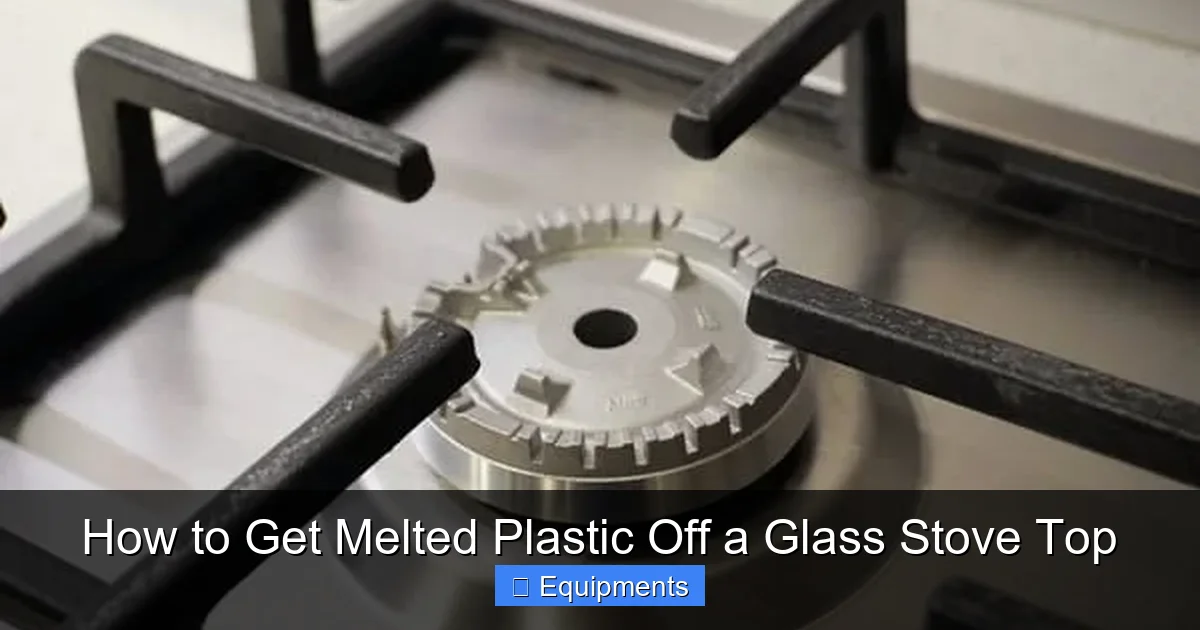
Visual guide about How to Get Melted Plastic Off a Glass Stove Top
Image source: cleannr.com
The Science of the Bond
Plastic polymers soften and become sticky or liquid at specific temperatures (often between 250°F and 400°F depending on the type). On a hot burner, it reaches this state and flows into microscopic imperfections on the glass. As it cools, it hardens and mechanically interlocks with the surface. Our job is to reverse this process—either by re-softening the plastic to make it pliable again or by making it so brittle that it fractures and pops off.
Method 1: The Cold & Patient Approach (First Line of Defense)
This is your starting point for any fresh melt. It’s the safest, lowest-risk method and often surprisingly effective. The principle is simple: re-solidify the plastic to make it brittle and easy to pop off.
Visual guide about How to Get Melted Plastic Off a Glass Stove Top
Image source: cleannr.com
Step-by-Step Cold Removal
1. Power Down and Cool Completely: Immediately turn off the affected burner and all others. Let the entire cooktop cool down to room temperature. This may take 1-2 hours. Do not try to rush this with water; thermal shock could crack the glass.
2. Ice Cube Application: Once cool, take a few ice cubes from your freezer and place them in a small plastic bag or wrap them in a thin cloth. Hold the ice directly on the melted plastic blob for 3-5 minutes. You want the plastic to get very cold and hard. For larger areas, you can use a bag of frozen peas or a cold pack wrapped in a towel.
3. Gentle Prying with Plastic Tools: This is the most critical step. Grab a tool that is softer than glass. Ideal options include:
- A dedicated plastic scraper (often sold for this purpose).
- The edge of an old, expired credit card or gift card.
- A nylon spatula or the rigid edge of a plastic cooking spoon.
- A wooden popsicle stick (less ideal but workable).
4. The Prying Motion: Hold the plastic tool at a very low angle, almost parallel to the glass surface. Gently insert the edge under the edge of the hardened plastic blob. Apply slow, steady pressure to lift. Do not dig or lever forcefully. You want to slide the tool underneath, breaking the bond. Work your way around the blob, lifting little by little. Often, the plastic will pop up in one or a few larger pieces.
5. Final Adhesive Residue: If a thin, sticky film remains after the bulk is removed, do not scrape. Instead, proceed to the cleaning phase in a later section.
Method 2: The Gentle Heat Technique (For Stubborn, Old Residue)
If the plastic has been there a while and is rock-hard, or if the cold method didn’t budge it, it’s time to reintroduce controlled, gentle heat. The goal is to soften the plastic just enough to become pliable, not melt it into a bigger puddle.
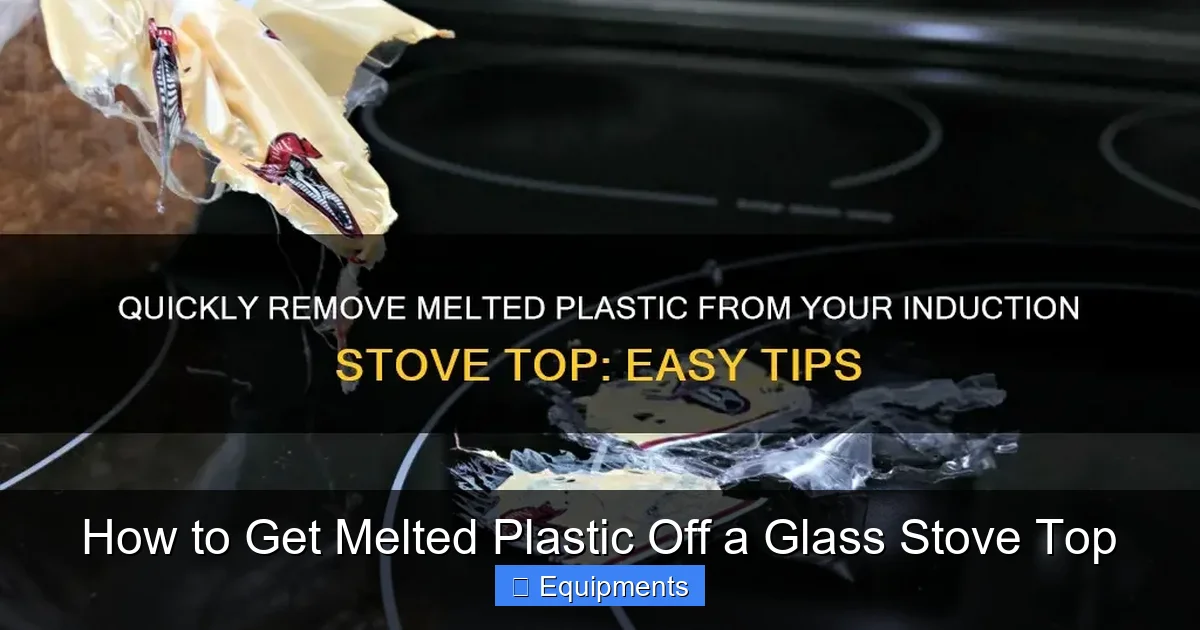
Visual guide about How to Get Melted Plastic Off a Glass Stove Top
Image source: shunpoly.com
Tools for Safe Heating
You have two excellent, stove-safe options:
- A Hairdryer: This is the preferred tool. It provides focused, controllable heat without any risk of overheating the glass surface itself.
- The Lowest Burner Setting: You can use the *same* burner (if it’s an electric coil or radiant type) or an adjacent burner on the absolute lowest setting (“warm” or “simmer”). This method requires extreme caution and constant monitoring.
Applying Heat Correctly
Using a Hairdryer:
- Plug in a hairdryer and set it to a medium or high heat setting (no cool shot).
- Hold it 2-3 inches away from the plastic blob. Move it constantly in a slow, circular motion to distribute heat evenly.
- Heat for 30-60 seconds. You should see the plastic start to soften, warp, or become slightly tacky. It will not become liquid.
- Immediately try the plastic card prying technique from Method 1. The plastic should now lift easily.
- Repeat the heating and prying process as needed.
Using the Stove Burner (Proceed with Extreme Caution):
- Ensure the cooktop is clean and dry around the area.
- Turn on the affected or adjacent burner to the lowest possible heat setting. On most glass tops, this is the “warming” or “simmer” zone, often represented by a single small dot or line.
- Place a small, thin sheet of aluminum foil or a metal cookie sheet over the plastic blob. This helps diffuse the heat and prevents direct flame/element contact.
- Heat for 30-45 seconds. Do not walk away. Check constantly. You are not trying to melt it; you are trying to soften it.
- Turn off the burner and, using an oven mitt, carefully lift the foil/sheet. The plastic underneath should be soft. Quickly and gently pry with your plastic tool.
- If it’s not soft enough, repeat for 15-second intervals. Never use high heat.
Method 3: Commercial Cleaners and Household Solutions
When a film or thin residue remains after bulk removal, chemical action can help dissolve the last bits. Always test any cleaner in an inconspicuous spot first.
Recommended Commercial Products
Products designed for glass cooktops are your best bet. They contain mild abrasives and solvents that are safe for the surface. Brands like Weiman Glass Cooktop Cleaner or Cerama Bryte are excellent. Apply a small amount to the residue, let it sit for 1-2 minutes as directed, then buff vigorously with a soft, dry microfiber cloth using a circular motion. The mild abrasive action should lift the last film.
Household Alternatives (Use with Caution)
- Baking Soda Paste: Make a thick paste with baking soda and a tiny amount of water. Apply to the residue, let sit for 5 minutes, then gently rub with a damp microfiber cloth. It’s a very mild abrasive.
- Vinegar Solution: Equal parts white vinegar and water. Spray on the residue, let sit for a minute, and wipe. Vinegar can help break down some sticky polymers.
- Rubbing Alcohol (Isopropyl Alcohol): Apply a few drops to a cloth and rub the area. Alcohol can dissolve certain plastics. Ensure good ventilation.
Important: Never use acetone, nail polish remover (which often contains acetone), or any solvent not explicitly labeled safe for glass/ceramic cooktops. These can permanently damage the surface coating.
What NOT To Do: Common Mistakes That Cause Damage
Knowing what to avoid is just as important as knowing what to do. Here is a definitive list of actions that will scratch, etch, or ruin your glass cooktop.
The Cardinal Sins
- Never Use Metal Utensils: Knives, forks, metal spatulas, and razor blades (unless you are a trained professional using a specific technique) will leave permanent, fine scratches that catch light and dirt.
- Avoid Abrasive Scrubbers: Steel wool, SOS pads, abrasive sponges (like the green/yellow side of a kitchen sponge), and powdered cleansers (like Comet or Bar Keepers Friend) are glass’s worst enemy. They will dull the surface.
- No Harsh Chemicals: As mentioned, acetone, paint thinner, oven cleaner (unless specifically for glass tops), and bleach can strip the sealant and damage the glass.
- Don’t Use Excessive Force: If the plastic isn’t budging, stop. Reheat it or let it cold-soak longer. Prying violently will likely cause a chip or crack, especially at the edge of the burner ring.
- Don’t Apply Heat to a Hot Surface: Never add heat to a stove that is already warm or hot. This is a burn hazard and can cause thermal shock.
- Don’t Use Ice Water on Hot Glass: Pouring cold water on a hot glass top is a surefire way to cause thermal shock and crack the entire panel.
Prevention: Stopping Future Melted Plastic Incidents
An ounce of prevention is worth a pound of cure. Incorporate these simple habits to avoid this stressful situation altogether.
Kitchen Habits for a Plastic-Free Stove
- Use Burner Covers or Simmer Mats: When cooking with pots that have plastic handles, place a burner cover (the round metal or glass discs) or a silicone simmer mat on the adjacent burner. This creates a protective barrier.
- Mind Your Utensils: Be conscious of where you place plastic-handled spoons, spatulas, or tongs. Keep them on a potholder or plate, not on the stove, even if the burner is off but still warm.
- Check Packaging: Never place plastic bags, shrink wrap, or food packaging directly on a burner, even if you think it’s off. Residual heat can linger for a long time.
- Keep the Surface Clear: A cluttered stove is an accident waiting to happen. Store utensils elsewhere.
- Regular Maintenance: Clean your stove top regularly. A build-up of grease and grime can make plastic stick even more tenaciously and make cleanup harder.
Conclusion: Patience and the Right Tools Prevail
Discovering melted plastic on your glass stove top is an unwelcome surprise, but it is not a disaster. The path to a clean surface is paved with patience, not force. Remember the golden rule: always start with the coldest, gentlest method and work your way up only as needed. Your plastic gift card and a bag of ice are your first and best friends. If that fails, a hairdryer becomes your ally. Save the commercial cleaners for the final polish. By respecting the delicate nature of your glass cooktop and avoiding the siren song of metal scrapers and harsh chemicals, you can successfully get melted plastic off a glass stove top and keep it looking like new for years to come. This common kitchen woe is a perfect test of calm, methodical problem-solving—a skill that serves every homeowner well.
Frequently Asked Questions
Can I use a razor blade to scrape off melted plastic?
No. Even a new razor blade will almost certainly scratch a glass cooktop. The surface is tempered glass, not the same as a bathroom mirror, and is vulnerable to fine scratches. Always use plastic or wood tools.
Will vinegar remove melted plastic from a glass stove?
Vinegar can help with the sticky residue left after removing the bulk of the plastic, but it will not soften or lift the hardened plastic mass itself. Use it as a final cleaning step after prying or heating.
How do I prevent the plastic from sticking even more while I work?
The key is temperature control. If using the cold method, ensure the plastic is completely solid. If using heat, apply it gently and briefly just to soften, not liquefy. Working on a completely cool surface is always safest for preventing further adhesion.
What is the absolute worst thing I can do?
Using a metal knife or scraper while the plastic is still warm or hot. This guarantees deep scratches and likely pushes plastic deeper into the glass surface, creating a permanent, cloudy scar.
There’s a faint rainbow-colored film left. What is that?
This is often a very thin layer of plastic residue or mineral deposits from cleaning. Try a dedicated glass cooktop cleaner with a mild abrasive. If it persists, it might be a light scratch, which is unfortunately permanent.
When should I call a professional?
If you have accidentally scratched the surface deep enough to catch your fingernail, or if a large, stubborn piece is fused on and you cannot safely lift it with any method, consult a professional appliance repair service. They have specialized polishing compounds for glass.
Pingback: How to Get Food Coloring Off Skin - kitchenandhouseware.com