Finding melted aluminum foil stuck to the bottom of your Wolf oven is a common but stressful issue. The high heat of a Wolf oven can cause foil to melt and fuse to the porcelain enamel surface, creating a tough, baked-on mess. Never use metal scrapers or the self-clean cycle, as these will permanently damage the oven’s interior. This guide provides safe, effective, and manufacturer-friendly techniques using gentle, non-abrasive tools and common household ingredients like baking soda to restore your oven without harm.
Key Takeaways
- Cool Completely: Always let the oven cool to room temperature (several hours) before attempting any cleaning to avoid burns and further setting the residue.
- Avoid Metal & Abrasives: Never use knives, razor blades, steel wool, or harsh scrapers on the porcelain enamel; they will cause irreversible scratches.
- Baking Soda is Best: A thick paste of baking soda and water is the safest, most recommended first-line treatment for dissolving foil residue without surface damage.
- Patience is Required: For heavy, fused foil, the paste must sit for many hours or overnight. Rushing this step is the main reason for failed cleanings.
- Use Soft Tools Only: Employ nylon, plastic, or wood spatulas/scrapers, and always finish with a non-scratch scrub pad or soft cloth.
- Prevention is Critical: Never line the bottom of a Wolf oven with aluminum foil. Use a proper oven liner or catch tray designed for high heat instead.
- Consult Wolf Support: For severely damaged interiors or if unsure, contact Wolf’s customer service or a certified technician for professional advice specific to your model.
📑 Table of Contents
- The Dreaded Discovery: Melted Foil on Your Wolf Oven Floor
- Why Aluminum Foil Melts and Sticks: Understanding the Enemy
- Safety First: The Critical Pre-Cleaning Protocol
- Method 1: The Baking Soda Paste Technique (The Gold Standard)
- Method 2: Commercial Oven Cleaners (Use with Extreme Caution)
- Method 3: The Vinegar and Heat Synergy
- Method 4: Steam and Patience for Light Burns
- Prevention: Never Use Foil in a Wolf Oven Again
- When to Call a Wolf Professional: Knowing Your Limits
- Conclusion: Restoring Your Wolf Oven with Care and Patience
The Dreaded Discovery: Melted Foil on Your Wolf Oven Floor
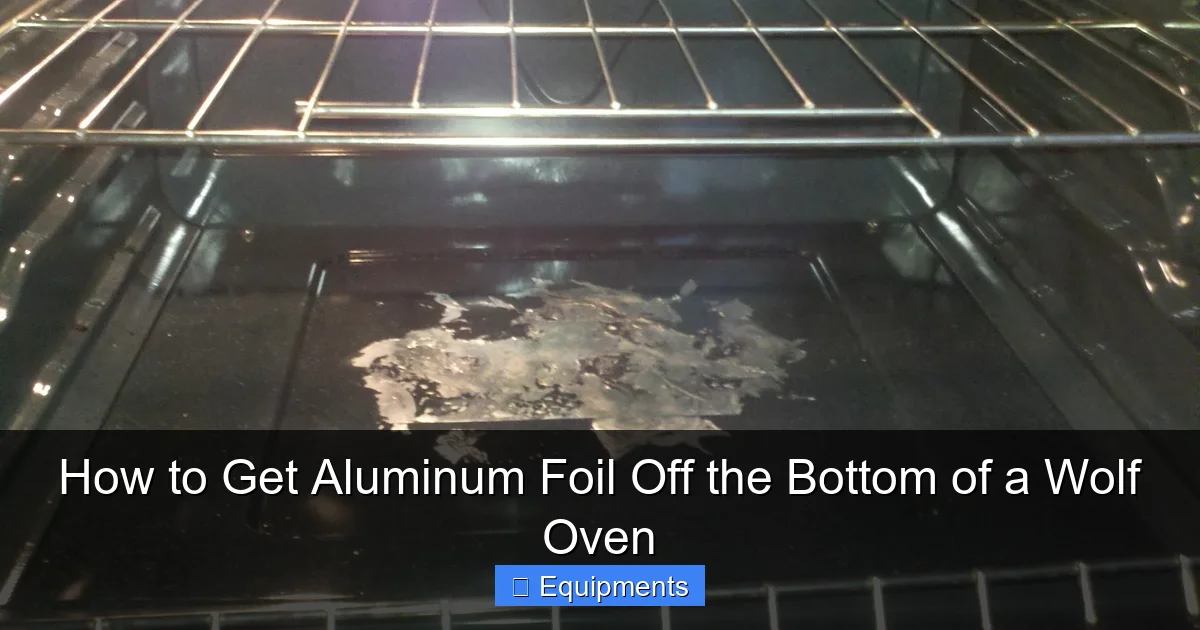
You open your beautiful Wolf oven, ready to baste a roast or check on cookies, and your heart sinks. There, fused to the pristine porcelain enamel floor, is a silvery, bubbly, crusty patch of what used to be a sheet of aluminum foil. It’s a homeowner’s nightmare, especially in a premium appliance like a Wolf. The intense, even heat that makes Wolf ovens so exceptional for culinary perfection is also exactly what causes foil to melt, bond, and become a permanent-looking fixture. Your first instinct might be to grab a metal spatula and attack it, but that would be a costly mistake. The porcelain enamel finish on a Wolf oven is durable but not invincible; it can be easily scratched and marred by improper tools. This comprehensive guide will walk you through the exact, safe, and effective process to get that foil off, restoring your oven’s interior to its showroom condition without a single scratch.
Why Aluminum Foil Melts and Sticks: Understanding the Enemy
To solve the problem, you must understand it. Standard household aluminum foil has a melting point around 1,220°F (660°C). While your Wolf oven’s self-clean cycle can reach 800-900°F, normal cooking temperatures (350°F-500°F) are well below that. So why does it melt and stick? The answer lies in a combination of direct contact, concentrated heat, and chemical reaction.
Visual guide about How to Get Aluminum Foil Off the Bottom of a Wolf Oven
Image source: thekitchenix.com
The Triple Threat: Heat, Contact, and Time
When foil is placed directly on the oven floor, two things happen. First, the bottom surface of the foil, in direct contact with the hot enamel, heats up much faster than the top surface exposed to food. This creates a significant temperature gradient. Second, the foil is incredibly thin. This thinness means it heats rapidly and unevenly, causing it to soften, warp, and develop tiny holes. Third, and most critically, the foil doesn’t just melt onto the surface; it actually alloys with the mineral particles and finishes of the porcelain enamel itself at a microscopic level under prolonged heat. It becomes chemically bonded, not just physically stuck. This is why a cold, baked-on patch of foil feels so much more permanent than a simple food spill.
Safety First: The Critical Pre-Cleaning Protocol
Before you touch a single tool or ingredient, you must follow these non-negotiable safety and preparation steps. Skipping them risks injury, ruins your oven, or ensures the cleaning method will fail.
Visual guide about How to Get Aluminum Foil Off the Bottom of a Wolf Oven
Image source: 2.bp.blogspot.com
1. Total Cool-Down is Non-Negotiable
This is the most important step. If the oven is warm or hot, attempting to clean will cause the foil residue to soften and spread, making the area larger and the problem much worse. More importantly, you risk severe burns. Turn the oven off and leave the door closed for at least 4-6 hours, or ideally overnight. The oven must return to a true room temperature. Touch the door and walls to confirm.
2. Remove All Interior Racks and Accessories
Take out every oven rack, thermometer, pizza stone, and any other item. This gives you full, unobstructed access to the floor and prevents you from accidentally damaging racks with cleaning agents or tools.
3. Ventilate the Kitchen
Open a window and turn on your kitchen exhaust fan. Whether you use baking soda or a commercial cleaner, you’ll be working with powders and pastes that can become airborne. Good ventilation protects your respiratory system.
4. Gather Your Non-Abrasive Armory
You will need the following, all of which are safe for porcelain enamel:
- Baking Soda (Sodium Bicarbonate): Your primary weapon. Mildly alkaline, it breaks down organic and some metallic residues through gentle chemical action without scratching.
- White Distilled Vinegar: Acetic acid helps dissolve mineral deposits and can soften baked-on grime when combined with baking soda’s fizzing action.
- Soft Tools: A nylon or plastic scraper (like a dough scraper), a silicone spatula, a wooden spoon, and several non-scratch scrub pads (blue Scotch-Brite™ type). Absolutely no metal.
- Spray Bottle: For applying water or vinegar solution.
- Soft Cloths & Microfiber Towels: For wiping and polishing.
- Rubber Gloves: To protect your hands.
- Commercial Oven Cleaner (Optional): Only if the baking soda fails, and only a product explicitly labeled safe for porcelain enamel. Avoid aerosol foams that can seep into gaps. Wolf’s own recommended cleaner is ideal.
Method 1: The Baking Soda Paste Technique (The Gold Standard)
This is the safest, most effective, and manufacturer-preferred method for tackling fused foil. It works through a combination of time, moisture, and gentle chemical action. The key is creating a thick paste and allowing it to work for many hours.
Visual guide about How to Get Aluminum Foil Off the Bottom of a Wolf Oven
Image source: spicybuffalo.com
Step-by-Step Application
Step 1: Make a Thick Paste. In a small bowl, combine baking soda and water. You want a consistency similar to peanut butter or thick toothpaste—runny paste will drip and dry out. For extra cleaning power, you can mix in a teaspoon of white vinegar; it will fizz, let it subside, and you’ll have a slightly more active paste.
Step 2: Apply Generously. Using a gloved hand or a soft cloth, spread a very thick layer of the paste over the entire affected area. Don’t be stingy. The paste needs to be at least 1/4-inch thick to stay moist and effective over many hours. Ensure all the silvery foil is completely covered.
Step 3: The Waiting Game. This is the hardest part. Leave the paste on for a minimum of 6 hours, but overnight (8-12 hours) is ideal. The longer it sits, the more it can penetrate and break down the bond. If the paste begins to dry out in spots, lightly mist it with water from a spray bottle.
Step 4: Gentle Agitation. After the waiting period, dampen a non-scratch scrub pad with warm water. Gently rub the paste in a small, circular motion over the foil residue. You should feel the gritty texture of the baking soda. Apply light pressure. The mild abrasiveness of the baking soda crystals themselves, combined with the chemical action, will start to lift the foil. Re-wet the pad frequently.
Step 5: The Plastic Scraper Assist. For slightly more stubborn bits, take your nylon or plastic scraper. Hold it at a very low, almost flat angle against the surface. Gently push it under the edge of a loosened foil flake. Do not pry or lever. The goal is to slide it underneath. Often, the foil will come up in large, brittle sheets once the paste has done its work.
Step 6: Wipe, Rinse, Repeat. Wipe away the dirty paste with a soft, damp cloth. Rinse the cloth often. Inspect the area. If significant foil remains, do not scrub harder. Instead, apply a fresh, thick layer of baking soda paste and let it sit for another 4-6 hours. Repeat the gentle agitation. This layered approach is far more effective and safer than aggressive scrubbing.
Step 7: Final Clean. Once all visible foil is gone, give the entire floor a final wipe-down with a cloth dampened with a solution of equal parts water and white vinegar. This removes any residual baking soda film. Follow with a dry microfiber cloth to buff the surface to a shine.
Method 2: Commercial Oven Cleaners (Use with Extreme Caution)
If the baking soda method after two attempts hasn’t removed all the foil, you may need a commercial oven cleaner. This is a step of last resort due to the chemicals involved. The wrong cleaner can damage the oven’s interior finish, especially if it contains lye (sodium hydroxide) or is a heavy-duty aerosol foam.
Selection and Safe Application
Step 1: Choose the Right Product. Your first and best choice is Wolf’s own branded oven cleaner, available through their parts and service department. It is formulated specifically for their porcelain enamel. If that’s unavailable, seek out a cleaner explicitly labeled “safe for porcelain enamel” or “for self-cleaning ovens.” Avoid any product that says “heavy-duty” or “professional grade” without clear enamel safety.
Step 2: Spot Test. In an inconspicuous area of your oven (like the very back wall), apply a small amount of the cleaner according to the directions. Let it sit for the recommended time, then wipe thoroughly. Wait 24 hours and examine the spot for any discoloration, etching, or dullness. If there is any change, do not use this product.
Step 3: Apply Precisely. If the spot test is clear, apply the cleaner only to the affected foil area. Do not spray it around the entire oven. Use the smallest amount possible. Many cleaners require you to spray, wait 10-15 minutes, then wipe. Never let it dry completely.
Step 4: Use Only Soft Tools. Wipe and agitate with a non-scratch pad only. You may need to let it sit for a second, shorter application if the foil is stubborn, but never exceed the manufacturer’s recommended dwell time.
Step 5: Neutralize and Rinse. After wiping away the cleaner and dissolved foil residue, you must neutralize the area. Spray generously with a 50/50 water-vinegar solution and wipe with a clean, damp cloth. Repeat this rinsing process 2-3 times to ensure no cleaner residue remains, which can cause fumes during future use.
Method 3: The Vinegar and Heat Synergy
For lighter foil residues or as a follow-up to baking soda, the acetic acid in white vinegar can be very effective, especially when combined with a little warmth (not oven heat).
Warm Vinegar Soak
Step 1: Heat 1 cup of white distilled vinegar in a microwave-safe bowl for 60-90 seconds until it’s hot but not boiling.
Step 2: Soak several clean cloths or paper towels in the hot vinegar. Wring them out slightly so they are dripping but not flooding.
Step 3: Lay the hot, vinegar-soaked cloths directly over the foil patches. The heat and moisture will help soften the bond, and the vinegar will begin to dissolve it. Let them sit for 30-60 minutes.
Step 4: Remove the cloths. The foil should be noticeably softer and may even flake. Use your nylon scraper or a wooden spoon to gently lift the edges. Wipe clean with a fresh damp cloth. You can then follow up with a baking soda paste scrub for any remaining film.
Method 4: Steam and Patience for Light Burns
If the foil didn’t fully melt but left a light, metallic film or very thin, adhered sheets, steam can be your friend.
Boiling Water Steam Bath
Step 1: Place an oven-safe dish or metal bowl on the center rack of the cold oven.
Step 2: Boil several cups of water in a kettle or pot. Carefully pour the boiling water into the dish on the rack.
Step 3: Quickly close the oven door. The steam will fill the cavity and saturate the air. Let it sit for 30-45 minutes. The steam will penetrate and loosen many light, baked-on residues.
Step 4: Carefully open the door (watch for steam). The water in the dish will still be hot. Use your non-scratch pad dipped in the hot, soapy water (a drop of dish soap) to wipe the floor. The combination of heat, moisture, and soap should allow the light foil film to wipe away easily.
Prevention: Never Use Foil in a Wolf Oven Again
This entire ordeal is 100% preventable. Wolf designs its ovens with a continuous, seamless porcelain enamel interior that is easy to clean—if you don’t abuse it. Lining the bottom with foil violates the basic use and care guidelines for any premium oven.
What to Use Instead of Foil
For catching drips and spills, use one of these Wolf-approved or compatible solutions:
- A Proper Oven Liner: Purchase a heavy-duty, non-stick oven liner made of coated fiberglass or silicone. These are designed to withstand oven temperatures and are easily removable for cleaning. Ensure it is labeled safe for your oven type (gas/electric) and does not cover more than 2/3 of the floor to allow proper air circulation.
- A Baking Sheet or Catch Tray: Place a large, rimmed baking sheet on the rack below the one you are cooking on. This is the simplest and most effective method for catching drips from roasts, casseroles, or bubbly pies.
- Wolf’s Own Accessories: Wolf offers a variety of accessory racks and pans designed for their ovens. A dedicated broiler pan with a slotted top and drip tray is an excellent investment.
Never, under any circumstance, line the bottom of the oven cavity itself with foil, a baking sheet, or any other material that blocks the perforations in a convection oven’s floor or covers the heating elements. This can cause overheating, damage to the oven’s internal components, and uneven cooking.
When to Call a Wolf Professional: Knowing Your Limits
You’ve tried the baking soda paste overnight. You’ve used a nylon scraper with gentle persistence. You’ve even cautiously tried a commercial cleaner. Yet, a stubborn, pitted, deeply fused patch of foil remains. At this point, further DIY attempts with stronger chemicals or any use of a metal tool will cause more damage than the foil itself. It’s time to escalate.
Signs You Need Expert Help
Call Wolf Customer Care or an authorized Wolf service technician if:
- The foil has melted into the pores of the enamel, leaving a permanent silvery stain even after the bulk material is removed.
- The area feels rough or pitted to the touch after cleaning, indicating the foil has chemically etched the surface.
- You are uncomfortable or uncertain about any step of the process.
- Your oven is under warranty or a service plan—improper cleaning could void coverage.
A professional may have access to specialized, non-abrasive polishing compounds and tools that can safely restore the enamel’s finish. They can also assess if any underlying component (like a heating element) was damaged by the foil. The cost of a service call is far less than the cost of replacing a ruined oven interior.
Conclusion: Restoring Your Wolf Oven with Care and Patience
Discovering melted aluminum foil on the bottom of your Wolf oven is a frustrating moment, but it is not a permanent disaster. The solution hinges on three core principles: patience, the right tools, and gentle chemistry. The baking soda paste method, applied thickly and left to work overnight, will solve the vast majority of these problems without risking your valuable appliance’s finish. Remember that the porcelain enamel is a resilient but scratchable surface; treating it with the respect it deserves—using only plastic, wood, or nylon—is the only way to ensure it remains a beautiful, functional centerpiece of your kitchen for years to come. Prevention is always the best cure: commit to using proper oven liners or catch trays and swear off aluminum foil in the oven cavity forever. By following these steps, you can reclaim your oven’s pristine interior and get back to creating culinary masterpieces with the confidence that your Wolf is performing at its peak.
Frequently Asked Questions
Can I use a razor blade or metal scraper to get the foil off?
No, absolutely not. Using any metal blade or scraper will permanently scratch and gouge the porcelain enamel finish on your Wolf oven. This damage is irreversible and will trap food and grease, making future cleaning harder and ruining the oven’s appearance. Always use plastic, nylon, or wood tools.
Will running the self-clean cycle remove the melted foil?
No, and it will make the problem much worse. The self-clean cycle reaches temperatures of 800-900°F, which will cause any remaining foil to melt further, fuse more deeply, and potentially spread to a larger area. It can also cause smoking and fumes. Never use the self-clean cycle on an oven with foil or any other foreign material inside.
Is white vinegar safe for the inside of a Wolf oven?
Yes, diluted white vinegar is safe for spot-cleaning the porcelain enamel surface when used properly. Always dilute it with water (a 50/50 solution is standard) and wipe it off thoroughly with a clean, damp cloth afterward. Do not allow concentrated vinegar to sit on the surface for extended periods.
My foil is really thick and baked on. Should I just use a stronger chemical?
Resist this urge. Stronger chemicals (like lye-based oven cleaners) are more likely to damage the oven’s finish than to solve your problem. The safest and most effective approach is to use the baking soda paste method and allow it to sit for a full 12-24 hours. The combination of time and gentle chemistry is superior to harsh, risky chemicals.
Can I prevent this by putting foil on the bottom rack only?
While this is better than lining the oven floor, it is still not recommended. Foil can still warp, melt, and drip onto the oven floor below, or block airflow in a convection oven. The only safe practice is to use a proper, heat-resistant oven liner or a rimmed baking sheet on a lower rack to catch drips, never covering the oven’s own floor.
What if the foil has melted onto the heating element or the oven walls?
If foil has melted onto any heating element (bake or broil) or has spread to the side walls, your DIY options become very limited and risky. For the heating elements, any scraping is dangerous. For side walls, the risk of scratching increases. In these cases, stop immediately and contact Wolf Customer Support or an authorized service technician. Attempting to clean these areas yourself has a high probability of causing expensive damage.