Cleaning stains from the inside of your Le Creuset Dutch oven requires gentle, enamel-safe methods. Avoid metal scrubbers, harsh chemicals, and extreme heat. For routine cleaning, warm soapy water and a non-scratch pad are sufficient. For stubborn stains, use a baking soda paste or a simmering water solution. Never use bleach or steel wool, as they will damage the protective enamel coating. Consistent, proper care ensures your Dutch oven remains a beautiful, functional heirloom for decades.
Key Takeaways
- Never Use Abrasives: Steel wool, metal scrubbers, and abrasive powdered cleaners will permanently scratch and dull the enamel surface, creating more places for food to stick.
- Heat & Sudden Change Are Enemies: Avoid heating an empty Dutch oven or exposing hot enamel to cold water, as this can cause thermal shock and crack the enamel.
- Baking Soda is Your Best Friend: A simple paste of baking soda and water is the safest, most effective first-line defense against most cooked-on stains and discoloration.
- Vinegar for Mineral Deposits: White vinegar effectively dissolves hard water spots and mineral film without harming the enamel when used correctly.
- Patience is a Virtue: For severe stains, a long simmer with water or a baking soda paste is far safer and more effective than aggressive scrubbing.
- Prevention is Key: Using proper cooking techniques (adequate heat/liquid, avoiding high heat) and prompt, gentle cleaning prevents most stain problems from ever forming.
- Le Creuset’s Lifetime Warranty: The company’s famous warranty covers manufacturing defects but not damage from improper care, making correct cleaning essential for long-term value.
📑 Table of Contents
- Your Treasured Dutch Oven: Why Proper Cleaning Matters
- Understanding Your Le Creuset: The Enameled Cast Iron
- The Daily Defense: Your Routine Cleaning Routine
- Tackling Specific Stains: Targeted, Gentle Solutions
- Removing Rust and Protecting the Bare Iron Rim
- Long-Term Care and Storage: Keeping Stains Away
Your Treasured Dutch Oven: Why Proper Cleaning Matters
That beautiful, vibrant Le Creuset Dutch oven sitting on your stove or in your cupboard is more than just a pot. It’s an heirloom in the making. It’s the vessel for your grandmother’s stew recipe, the secret to the perfect sourdough loaf, and the centerpiece of countless family meals. Its legendary heat retention and iconic, colorful enameled interior are what make it so special. But that very enamel, while incredibly durable, has specific needs. Using the wrong cleaning method doesn’t just make it look less than perfect—it can cause permanent damage, compromising its performance and its beauty. Learning how to clean stains from the inside of a Le Creuset Dutch oven correctly isn’t just about aesthetics; it’s about preserving a significant kitchen investment for a lifetime. This guide will walk you through everything you need to know, from daily wipe-downs to rescuing a seemingly ruined pot, all while keeping that flawless enamel completely intact.
Understanding Your Le Creuset: The Enameled Cast Iron
Before we dive into solutions, we must understand what we’re working with. The inside of your Le Creuset is not bare metal. It’s a layer of vitreous enamel—essentially a type of glass—fused to the raw cast iron at extremely high temperatures. This creates a non-porous, naturally non-stick (when properly seasoned with oil), and incredibly durable surface. However, “durable” does not mean “indestructible.” The enamel can be scratched by abrasives, dulled by harsh chemicals, and even cracked by thermal shock. This knowledge is your foundation. Every cleaning decision should start with the question: “Is this safe for glass?” If the answer is no, it’s not safe for your Dutch oven.
Visual guide about How to Clean Stains from the Inside of a Le Creuset Dutch Oven
Image source: dutchovenscookware.com
What Causes Stains and Discoloration?
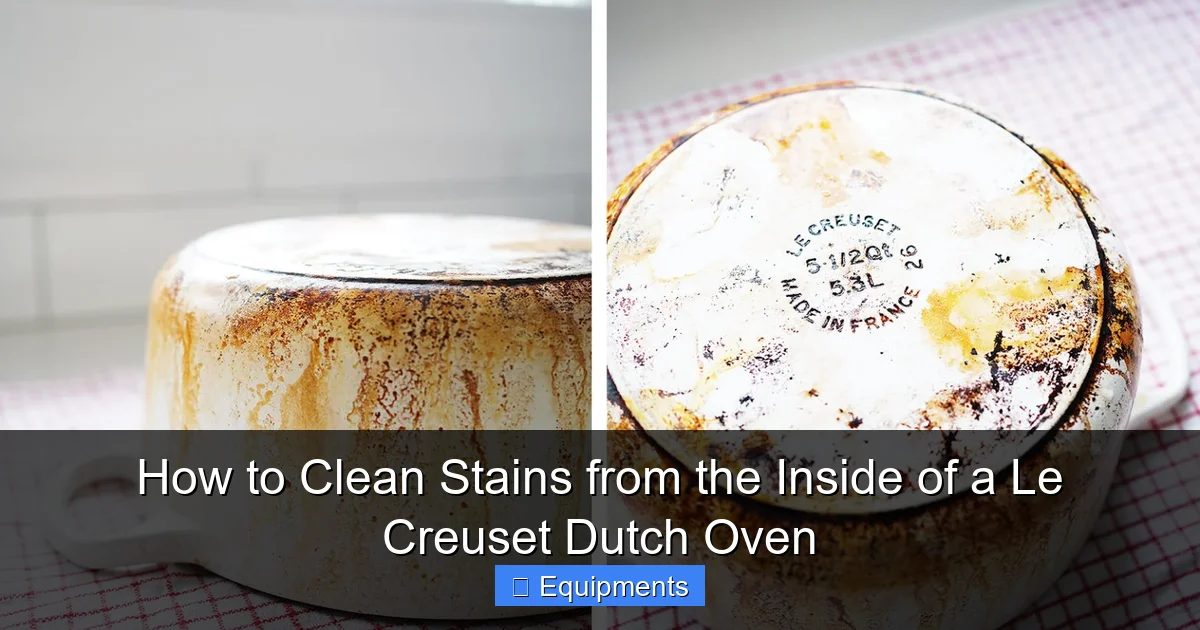
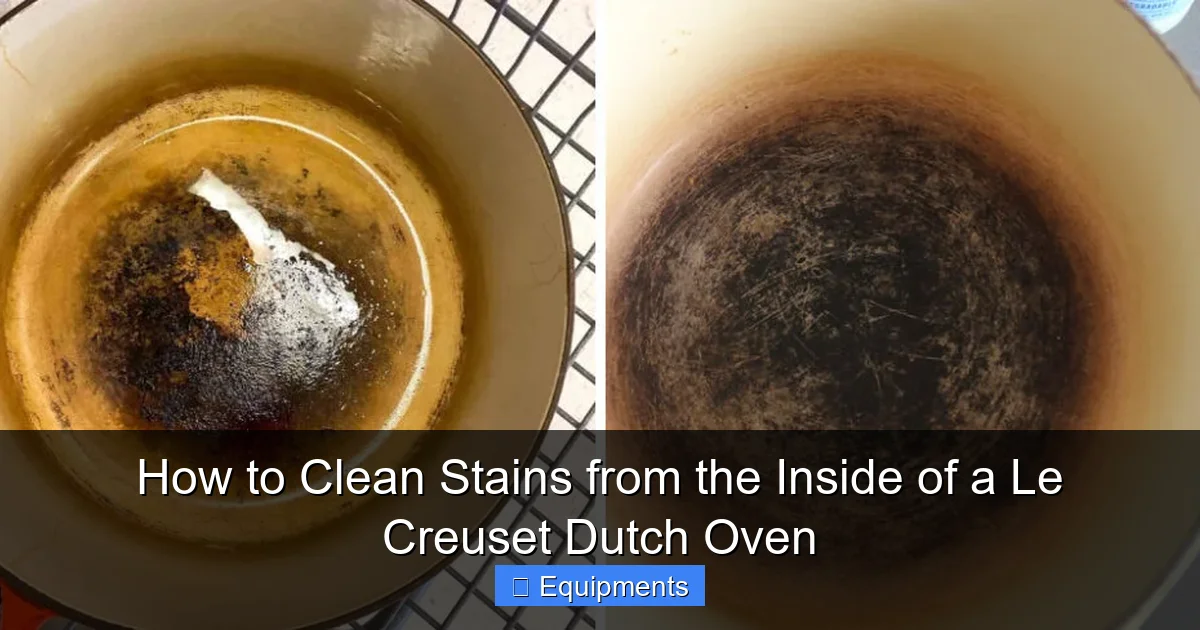
Stains inside your Dutch oven typically fall into a few categories. The first is surface discoloration or “tint”, often from highly pigmented foods like tomato sauces, curry pastes, or red wines. This is usually a superficial stain where the pigment has lodged in the microscopic pores of the enamel or on its surface. The second is cooked-on or burnt food, which occurs when food is overheated or cooked without enough liquid/fat, causing proteins and sugars to caramelize and bond strongly to the surface. The third is mineral deposits or “hard water scale”, which appear as a white, chalky film, especially after boiling water or soups. Finally, rust is not a stain on the enamel itself but a sign that the exposed cast iron rim (the bare iron edge at the top of the interior) has been compromised, often due to prolonged contact with water or acidic foods. Each type requires a slightly different approach.
The Daily Defense: Your Routine Cleaning Routine
The single best way to deal with stains is to prevent them. After every use, while the pot is still warm (not hot!), empty any remaining food. Rinse the interior with warm water. Use a soft sponge, non-scratch nylon pad (like a Scrub Daddy or Scotch-Brite Non-Scratch), or a dedicated wooden or silicone scraper to gently remove any food residue. For most day-to-day cooking, this is all that’s needed.
Visual guide about How to Clean Stains from the Inside of a Le Creuset Dutch Oven
Image source: carlyriordan.com
The Soap and Water Method (It’s Safe!)
A common myth is that you should never use soap on seasoned enamel. This is false. A few drops of mild dish soap (like Dawn or any plant-based soap) and warm water are perfectly safe for the enamel. The soap will not strip the “seasoning”—the polymerized oil layer that builds up with use and aids in release. After scrubbing, rinse thoroughly with warm water to remove all soap suds. Immediately dry the interior and exterior completely with a soft towel. Leaving water to air dry can lead to mineral deposits or, if the rim is bare iron, rust.
For Light Stuck-On Bits: The Soak
If you have a bit of dried-on food, don’t fight it. Fill the Dutch oven with warm water and add a drop of dish soap. Let it sit for 15-30 minutes. This will rehydrate and loosen most food particles, making them easy to wipe away with your non-scratch pad. For extra gentle power, add a tablespoon of baking soda to the soak water.
Tackling Specific Stains: Targeted, Gentle Solutions
When your daily routine isn’t enough, it’s time for targeted strategies. The golden rule: always start with the gentlest method and work your way up. Never jump straight to harsh chemicals or abrasives.
Visual guide about How to Clean Stains from the Inside of a Le Creuset Dutch Oven
Image source: thekitchenix.com
The Baking Soda Paste: Your Universal Stain Fighter
Baking soda is mildly abrasive (on a microscopic, safe level), alkaline, and a fantastic natural deodorizer. It’s the first and often only tool you’ll need for most stains.
- Make a Paste: In a small bowl, mix 3 parts baking soda with 1 part water until it forms a thick, spreadable paste.
- Apply: Spread the paste generously over the stained area, focusing on discoloration or light burnt bits.
- Let it Rest: For best results, let the paste sit for at least 30 minutes, or even overnight for very stubborn stains. This allows it to break down the residue.
- Scrub Gently: Using your non-scratch pad or a soft-bristled brush, gently scrub in circular motions. You’ll often see the stain lifting immediately. The baking soda provides just enough grit to lift debris without scratching.
- Rinse and Dry: Rinse extremely well with warm water, ensuring all paste residue is gone. Dry thoroughly.
Pro Tip: For a deeper clean, you can add a drop of dish soap to your baking soda paste for extra degreasing power.
The Vinegar Solution: Conquering Mineral Deposits
That white, chalky film is mineral buildup from hard water. Vinegar’s acidity dissolves these minerals safely.
- Dilute: Mix equal parts white distilled vinegar and water in a spray bottle or bowl.
- Apply: For light film, spray or wipe the solution onto the affected area. For heavier buildup, fill the Dutch oven with the vinegar-water solution.
- Let it Work: Allow it to sit for 15-30 minutes. You may see the deposits fizz slightly as they dissolve.
- Scrub and Rinse: Gently scrub with your non-scratch pad. Rinse multiple times with clean water to remove all vinegar taste, then dry completely.
Important: Never mix vinegar with bleach or baking soda in a closed container. Use vinegar first for mineral deposits, rinse thoroughly, then use baking soda for organic stains if needed.
The Simmering Water Method: For Tough, Burnt-On Food
This is Le Creuset’s own recommended method for serious burnt-on messes. It uses heat and water to rehydrate and lift the carbonized food.
- Add Liquid: Fill the Dutch oven about 1/4 full with warm water. For extra power, add a tablespoon of baking soda or a squeeze of dish soap.
- Simmer: Place the pot on the stove over low to medium-low heat. Bring the water to a gentle simmer. You want small bubbles, not a rolling boil.
- Scrape: Using a wooden or silicone spatula, gently scrape the bottom and sides. The steam and hot water will soften the burnt material, allowing it to lift easily.
- Cool and Scrub: Turn off the heat and let the water cool until it’s safe to handle. Pour it out and finish the cleaning with your non-scratch pad and a little dish soap. The hardest part should be gone.
Safety Note: Never attempt this with an empty or nearly empty pot. Always ensure there is sufficient liquid to cover the burnt area and prevent overheating the enamel.
Special Case: The Bar Keepers Friend (Cream Cleanser) Option
Le Creuset itself states that Bar Keepers Friend (the cream version, not the powder) is safe for their enamel when used according to directions. It’s a more powerful oxalic acid cleaner. Use this only after baking soda and vinegar have failed, and as a last resort before contacting Le Creuset.
- Test First: Apply a tiny amount to an inconspicuous spot (like the very bottom exterior) and let it sit for a minute. Rinse and check for any adverse reaction.
- Apply: Apply a thin layer of the cream cleanser to the stained area.
- Wait: Let it sit for no more than 1-2 minutes. Do not let it dry.
- Scrub Lightly: Use a very soft cloth or sponge to rub gently.
- Rinse Immediately and Thoroughly: Rinse with copious amounts of water. Any residue left can cause etching over time.
Never use the powdered version of Bar Keepers Friend or any other powdered abrasive cleanser on the enamel.
Removing Rust and Protecting the Bare Iron Rim
Rust is not an enamel problem; it’s a bare cast iron problem. The interior rim of your Dutch oven is exposed cast iron. If it sits wet, especially with acidic foods, it will rust. This is a common and fixable issue.
How to Remove Rust from the Rim
- Scrub Gently: Use a soft cloth or a non-scratch pad with a little dish soap to scrub the rusted area. Often, surface rust will come right off.
- Use a Paste: For more stubborn rust, make a paste of baking soda and water or use a dedicated rust remover like Evapo-Rust (which is non-abrasive and safe for metal). Apply, let sit, and scrub gently.
- Rinse and Dry: Rinse the rim thoroughly and dry it immediately with a towel.
Re-Seasoning the Rim (Crucial Step!)
After removing rust, you must re-season the bare iron rim to protect it from future rusting.
- Apply Oil: While the rim is still warm and dry, rub a very thin layer of a high-smoke-point oil into the bare iron. Grapeseed, avocado, or vegetable oil are excellent choices. Use a paper towel to rub it in until it looks and feels dry—there should be no visible oil.
- Warm the Oven: Place the Dutch oven (without lid) in a cold oven. Set to 350°F (175°C) and bake for 1 hour.
- Cool: Turn off the oven and let the pot cool inside completely.
- Wipe: Once cool, you may see a slight, dark, oily residue. This is normal. Wipe it lightly with a dry cloth. The rim is now seasoned and protected.
Repeat this seasoning process for the rim once a year or whenever you see the bare iron looking dry.
Long-Term Care and Storage: Keeping Stains Away
The work isn’t done when the pot is clean. How you store and maintain your Dutch oven is the final piece of the stain-prevention puzzle.
Proper Storage is Non-Negotiable
Never store your Dutch oven while it’s even slightly damp. Always ensure it is completely, 100% dry inside and out. Store it with the lid slightly ajar or place a paper towel between the pot and lid to allow air circulation and prevent any moisture buildup, which can lead to musty odors or rust on the rim.
Seasoning the Interior: It’s All About Use
You do not need to “season” the enamel like you would bare cast iron. The non-stick properties come from a layer of polymerized oil that builds up naturally with regular use. To encourage this:
- Use moderate heat. High heat can cause food to stick and burn.
- Always use enough cooking fat (oil or butter) initially.
- Let food brown without constantly moving it.
- After cleaning, a faint, rainbow-like sheen on the enamel is normal and desirable—it’s your seasoning layer.
If food starts sticking more than usual, a simple “seasoning” method is to rub a tiny amount of oil into the warm, clean interior and place it in a 300°F oven for 20 minutes. Wipe out excess.
What to Absolutely Avoid
To cement your knowledge, here is the definitive “Do Not” list for your Le Creuset interior:
- DO NOT use steel wool, metal scrubbers, or abrasive powders (Comet, Ajax, baking soda on its own in a harsh way).
- DO NOT use bleach or chlorine-based cleaners.
- DO NOT use the dishwasher repeatedly. The harsh detergents and high heat can dull the enamel over time. Hand washing is strongly recommended.
- DO NOT heat the empty pot or heat oil beyond its smoke point.
- DO NOT subject a hot pot to cold water (thermal shock).
- DO NOT store food in the Dutch oven for long periods in the refrigerator. Transfer leftovers to glass or plastic.
Frequently Asked Questions
Can I use steel wool or a metal scrubber on a stubborn stain?
No. Using steel wool or any metal abrasive will permanently scratch the enamel surface. These scratches become hiding places for food and bacteria, making future sticking and staining worse. Always use non-scratch pads, wood, or silicone.
Is it okay to use bleach to disinfect or remove a tough stain?
Absolutely not. Bleach and other chlorine-based cleaners are highly corrosive to the enamel finish. They will cause permanent pitting, discoloration, and degradation, voiding your warranty. For disinfection, the high heat of your oven or a vinegar-water solution is safe and effective.
My Dutch oven has a rainbow-like sheen or dark spots. Is this damaged?
Not necessarily. A colorful, oil-based sheen (sometimes called “seasoning”) on the enamel is normal and a sign of a well-used, well-cared-for pot. Dark spots can be a buildup of polymerized oil. This is usually harmless and can be removed with a baking soda paste if you prefer a pristine look, but it does not indicate damage.
Can I put my Le Creuset Dutch oven in the dishwasher?
While Le Creuset states their enamel is dishwasher safe, they strongly advise against regular dishwasher use. The harsh detergents and high heat can dull the vibrant colors and the enamel’s glossy finish over time. Hand washing with mild soap and a soft sponge is the best way to preserve its appearance for decades.
What’s the best way to clean burnt sugar or caramel that’s fused to the bottom?
The simmering water method is ideal for this. Fill the pot with warm water and a drop of dish soap. Bring to a very gentle simmer for 10-15 minutes. Use a wooden spatula to scrape. The sugar will re-liquefy and release. If residue remains, let it cool, then use a baking soda paste.
How often should I re-season the bare iron rim?
You only need to re-season the rim when it looks dry, rusty, or after you’ve cooked highly acidic foods (like tomato sauce) that can strip the oil layer. A good practice is to check the rim every few months and give it a quick oil-and-heat treatment if it appears dull or exposed. An annual seasoning is a good habit.
Pingback: Is Chocolate Often Added to a Bowl of Pozole? - kitchenandhouseware.com