Fixing tough corned beef on the stove is all about reintroducing low, gentle heat and moisture. The primary method is a long, slow simmer in a flavorful liquid, which breaks down tough collagen into succulent gelatin. You can also use a braising technique with a tight-fitting lid or a quick steam finish. Avoid high heat, which will only make it tougher. With patience and the right liquid-to-meat ratio, you can rescue even the most overdone corned beef into a delicious meal.
Key Takeaways
- Low and Slow is Non-Negotiable: Toughness comes from tightened muscle fibers and collagen. Only prolonged, gentle heat (simmering, not boiling) converts collagen to silky gelatin, tenderizing the meat from within.
- Liquid is Your Best Friend: The cooking liquid (water, broth, beer, or a combo) creates a humid environment, prevents drying, and carries flavor deep into the meat. The meat should be at least ⅔ submerged.
- Acid Can Help (But Use Carefully): A small amount of acidic liquid like vinegar, cider, or wine can help tenderize by slightly denaturing proteins, but too much will make the surface mushy. Use it as a flavor component, not the main liquid.
- Resting is Part of Cooking: After cooking, let the corned beef rest, tented with foil, for 15-20 minutes. This allows the juices to redistribute throughout the meat, preventing them from all running out when you slice.
- Slice Against the Grain: Always identify the direction of the muscle fibers (the “grain”) and slice perpendicular to them. This shortens the fiber strands, making each bite feel infinitely more tender.
- You Can’t “Un-Cook” It, But You Can Rehydrate: Severely overcooked, dry meat cannot be fully restored to its original state, but the simmering method rehydrates and tenderizes the remaining proteins, making it palatable and enjoyable.
- Flavor Injection is Key: Since the meat is already cooked, the simmering liquid must be well-seasoned with aromatics (onion, garlic, spices) to infuse the beef with new flavor, masking any potential blandness from the initial cooking.
📑 Table of Contents
- Why Did Your Corned Beef Become Tough? Understanding the Culprit
- The Golden Rule: The Low-and-Slow Stovetop Simmer
- The Braising Alternative: For a Rich, Glaze-like Finish
- Quick Fixes: When You’re Short on Time
- What NOT To Do: Common Mistakes That Make It Worse
- Flavor Infusion: Making Your Rescued Beef Taste Amazing
- Conclusion: Patience and Moisture Are Your Allies
Why Did Your Corned Beef Become Tough? Understanding the Culprit
Before we dive into the rescue mission, it’s crucial to understand what went wrong. Corned beef, typically made from the tough, well-marbled brisket cut, is a cut that demands respect. Its characteristic toughness comes from two main things: heavy connective tissue (collagen) and tightly bundled muscle fibers. When cooked correctly, low and slow, that collagen magically melts into rich, mouthwatering gelatin, and the fibers relax.
But when heat is too high, or cooking time is rushed, the opposite happens. The proteins contract violently, squeezing out precious moisture. The collagen doesn’t have time to dissolve; instead, it just gets tighter and chewier. The result is a dry, stringy, and frankly unpleasant piece of meat. Perhaps you boiled it instead of simmered it. Maybe you cooked it on high in a slow cooker, or simply underestimated the time needed for a large piece. Whatever the cause, the damage isn’t necessarily permanent. The goal now is to reverse the process as much as possible: we need to reheat the meat gently while introducing plenty of moisture and a little time to allow whatever collagen *is* left to convert, and to rehydrate the muscle proteins.
The Science of Tenderizing: Collagen to Gelatin
Think of collagen as the tough, rubbery scaffolding holding the meat together. It requires sustained temperatures between 160°F and 180°F (71°C – 82°C) for several hours to break down into gelatin. This is the temperature range of a proper simmer. If your corned beef was cooked to an internal temperature far above this range too quickly, the collagen simply tightened. Our fix involves bringing the internal temperature back into this tenderizing range and holding it there, giving the remaining collagen a second chance to transform.
Moisture Reabsorption: The Hydration Phase
Overcooked meat is dehydrated meat. The proteins have contracted and pushed water out. By submerging the beef in a warm, flavorful liquid and cooking it gently, we are essentially rehydrating those proteins. The liquid seeps back into the muscle fibers, plumping them up. This is why the “simmer in liquid” method is far more effective than just reheating in a dry pan or oven.
The Golden Rule: The Low-and-Slow Stovetop Simmer
This is your primary, most reliable rescue technique. It’s forgiving, effective, and requires minimal special equipment. The principle is simple: cook the tough corned beef submerged in a flavorful liquid at the lowest possible simmer for an extended period. A slow cooker is great for this, but we’re focusing on the stove.
Visual guide about How to Fix Tough Corned Beef on the Stove
Image source: thekitchenix.com
Step-by-Step Simmering Guide
1. Choose Your Vessel: Use a heavy-bottomed Dutch oven or a large, deep pot with a tight-fitting lid. The heavy bottom prevents hot spots that could cause boiling. The pot should be just large enough to hold the meat and liquid comfortably—too much space and the liquid will evaporate too quickly.
2. Prepare the Liquid: Don’t just use plain water. Build flavor from the start. A classic ratio is about 4-5 cups of liquid for a 3-4 lb piece of corned beef. Use a combination of water and unsalted beef broth or stock for depth. Add a bottle of light beer (like a lager or pilsner) or some apple cider for a touch of acidity and sweetness that helps tenderize and flavor. Include aromatic vegetables: a roughly chopped onion, a couple of garlic cloves (smashed), a carrot, and a celery stalk.
3. Add Flavor Boosters: This is your chance to infuse the meat. Toss in a few whole black peppercorns, a couple of bay leaves, some mustard seeds, and perhaps a few whole allspice berries. If you’re using beer or cider, you can skip the salt, as the corned beef is already very salty. If using all water/broth, add a tablespoon or two of brown sugar or honey to balance the salt.
4. Bring to a Simmer, Not a Boil: Place the corned beef in the pot and pour the liquid over it. It should cover the meat by at least 1-2 inches. Bring the liquid to a gentle simmer over medium heat. As soon as you see the first few bubbles breaking the surface, immediately reduce the heat to low. You want to see maybe one or two small bubbles per minute. A rolling boil is your enemy—it will tighten the proteins further. Cover the pot tightly.
5. The Waiting Game: Let it simmer. For a 3-4 lb piece that was originally cooked until tender, you’ll need at least 2.5 to 3 hours on the stove. For a larger piece or one that is very tough, plan for 3.5 to 4 hours. Check for doneness by using a fork. It should slide into the thickest part with no resistance and feel like pulling apart soft butter. The internal temperature should be around 190°F – 200°F (88°C – 93°C) when tested with a meat thermometer.
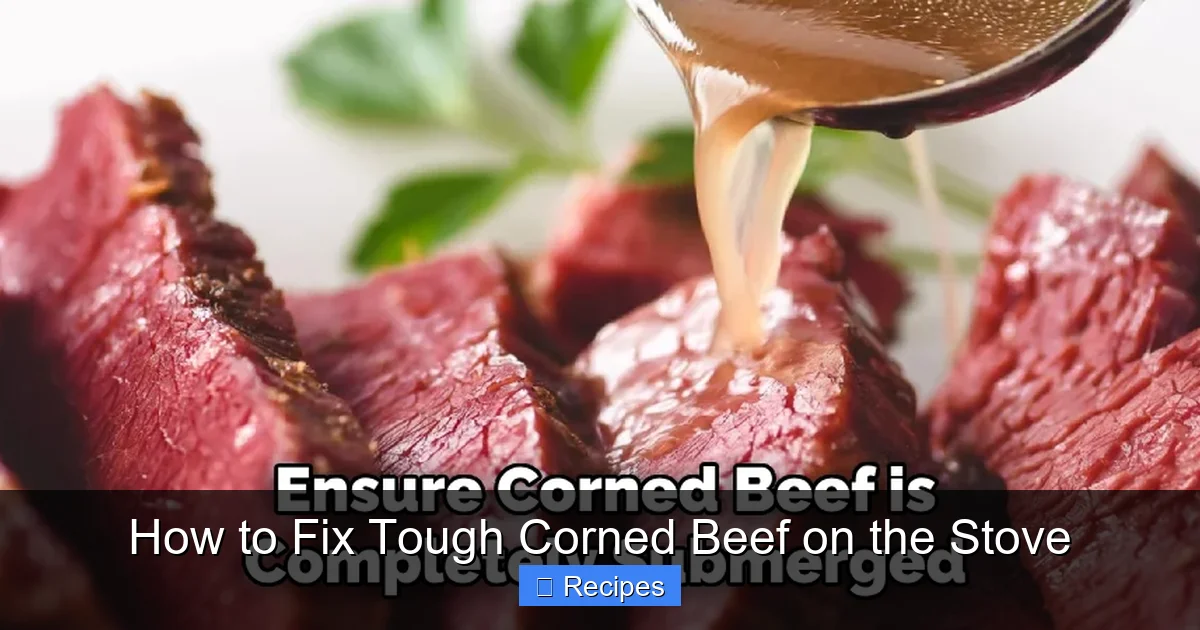
6. The Finishing Rest: Once tender, turn off the heat. Carefully remove the corned beef and place it on a cutting board or platter. Tent it loosely with foil and let it rest for a minimum of 15 minutes, ideally 20. This is critical for juice retention. You can strain and reduce the cooking liquid separately to make a incredible, rich sauce or gravy to serve with it.
The Braising Alternative: For a Rich, Glaze-like Finish
If your corned beef is tough but not completely dried out, braising is a fantastic option. It uses less liquid than simmering and creates a more concentrated, flavorful coating on the meat.
Visual guide about How to Fix Tough Corned Beef on the Stove
Image source: thekitchenix.com
How to Braise Correctly
1. Sear for Flavor (Optional but Recommended): Pat the corned beef dry. Heat a tablespoon of oil in your Dutch oven over medium-high heat. Sear the meat on all sides until a deep brown crust forms. This step adds a layer of Maillard reaction flavor that the simmering method lacks. Remove the meat and set aside.
2. Build the Braising Liquid: In the same pot with the drippings, add a small amount of liquid—just about 1 to 1.5 cups. This could be a mix of beer and stock, or just stock with a splash of Worcestershire sauce. The liquid should come up only about ¼ of the way up the side of the meat. Add the same aromatics (onion, garlic, herbs) as in the simmering method.
3. Cook Covered on Low: Return the meat to the pot, cover tightly, and bring to a very gentle simmer. Then reduce the heat to low. The key here is the tight lid, which traps steam and creates a self-basting environment. Cook for 2.5 to 3.5 hours, turning the meat occasionally. The liquid will reduce and become syrupy, basting the meat constantly.
4. Uncover and Reduce (Optional): In the last 20 minutes, you can uncover the pot to further reduce and thicken the braising liquid into a glossy glaze that clings to the meat.
Quick Fixes: When You’re Short on Time
Sometimes you need dinner in an hour, not four. While a long simmer is best, these methods can improve a tough piece more quickly.

Visual guide about How to Fix Tough Corned Beef on the Stove
Image source: thekitchenix.com
The Steam Method
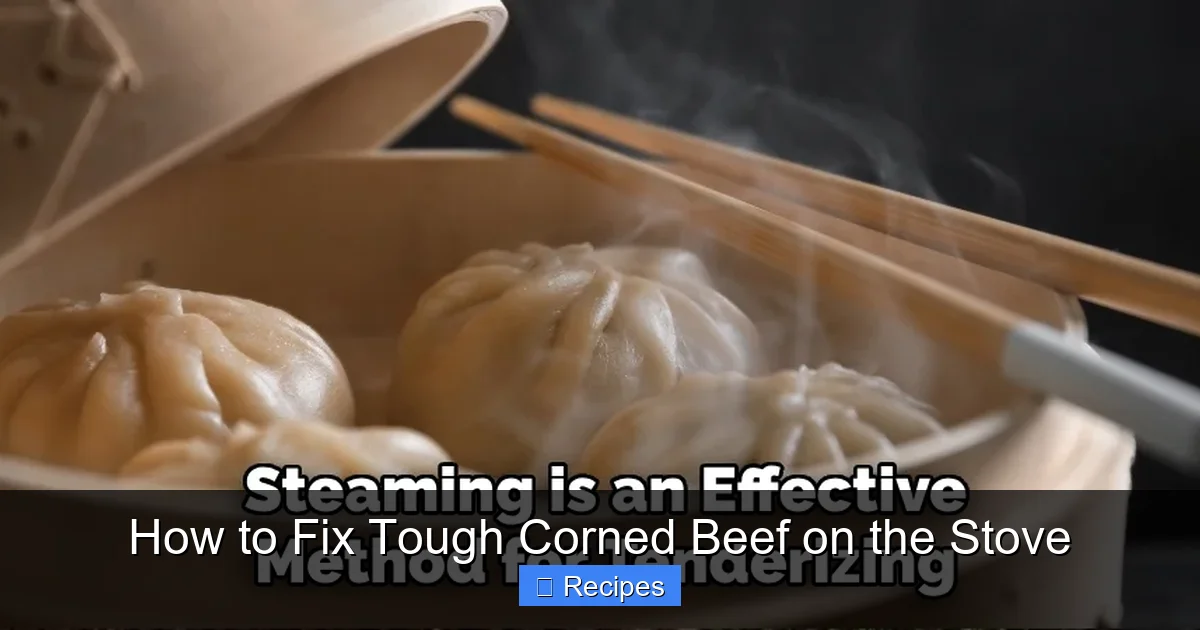
Place the corned beef on a rack inside a large pot with a tight lid. Add 1-2 inches of a flavorful liquid (broth, beer, water with spices) to the bottom—do not let the meat touch the liquid. Bring the liquid to a vigorous simmer, then cover. The steam will gently heat and rehydrate the meat from all sides. Check after 45-60 minutes. This works well for thinner cuts or smaller pieces.
The “Slice and Simmer” Method (For Sandwiches)
If your goal is a corned beef sandwich, you can slice the tough beef as thinly as possible against the grain. Place the slices in a single layer in a skillet. Add a thin layer of a mixture of beef broth and a little beer or water (just enough to coat the bottom). Cover the skillet tightly and heat over medium-low until the liquid is steaming and the slices are hot and pliable, about 10-15 minutes. The thin slices reheat and tenderize very quickly this way.
What NOT To Do: Common Mistakes That Make It Worse
Even with good intentions, it’s easy to sabotage your rescue mission. Here are critical pitfalls to avoid.
Never Boil It
This is the cardinal sin. A rolling boil agitates the meat violently, causing muscle fibers to contract and squeeze out even more moisture. It will make your corned beef tougher, not tender. If you see a rolling boil, your heat is too high. Reduce it immediately.
Avoid the Oven (For Fixing)
While the oven is excellent for the initial cooking of corned beef, it’s a poor choice for fixing a tough piece. Dry oven heat, even in a covered dish, will not provide the constant, enveloping moisture needed to rehydrate the meat. It will likely dry it out further. Stick to moist-heat stove methods.
Don’t Skip the Rest
Impatience ruins everything. If you pull the meat from the pot and immediately slice it, all the heat-sensitive, rehydrated juices will run onto your cutting board. The meat will taste dry despite being cooked perfectly. That 15-20 minute rest allows the muscle fibers to relax and reabsorb the juices.
Don’t Slice With the Grain
This isn’t a cooking mistake, but a serving one that negates all your hard work. Look closely at the cut surface of the brisket. You’ll see long, parallel lines of muscle fiber. Slicing parallel to these lines (with the grain) results in long, tough, chewy strands. Slicing perpendicular (against the grain) cuts those long strands into short, tender pieces. Always, always slice against the grain.
Flavor Infusion: Making Your Rescued Beef Taste Amazing
A tough piece of corned beef often suffers from a lack of flavor penetration, not just texture. The simmering liquid is your flavor delivery system.
Building a Flavor-Packed Poaching Liquid
Go beyond water and basic spices. Add a whole head of garlic, cut in half crosswise. Toss in a halved onion and a few chunks of carrot for natural sweetness. Use a strong, hoppy beer like an IPA for a bitter note that cuts through the fat, or a sweet stout for a richer, dessert-like quality. A cup of apple juice or cider adds a bright fruitiness. For an umami punch, stir in a tablespoon of tomato paste during the last 30 minutes of simmering.
Finishing Sauces and Glazes
The liquid your beef cooked in is now a treasure trove of flavor. Strain it. You can:
- Make a Classic Mustard Glaze: Whisk together ½ cup of the strained liquid with 2 tbsp coarse-grained mustard and 1 tbsp brown sugar. Simmer until thick and brush over the sliced beef.
- Create a Rich Pan Sauce: Sauté a shallot in butter, deglaze with the strained liquid, add a splash of cream or a knob of cold butter, and reduce to a silky sauce.
- Serve as a Jus: Simply skim excess fat from the top and serve the clear, aromatic broth on the side for dipping.
Conclusion: Patience and Moisture Are Your Allies
Fixing tough corned beef on the stove is less about magic and more about applying fundamental cooking science with patience. The core principle is unwavering: low, gentle heat in a moist environment. Whether you choose the full submersion of a long simmer or the concentrated heat of a braise, you are giving the meat’s collagen a second chance to dissolve and its fibers a chance to reabsorb moisture. Remember to flavor your liquid generously, let the meat rest, and always slice against the grain. With these techniques, a kitchen mistake is no longer a disaster. It’s an opportunity to practice a valuable skill and, in the end, enjoy a deeply satisfying, fall-apart tender piece of corned beef that tastes even better for having been saved.
Frequently Asked Questions
Can I fix corned beef that was cooked in a slow cooker on high and turned out tough?
Yes, absolutely. The same principle applies. Transfer the beef to a pot on the stove, cover it with a flavorful liquid, and bring to the lowest possible simmer. Let it cook for 2-4 hours until fork-tender. The stove gives you better temperature control than most slow cookers for this rescue mission.
Is it okay to add more seasoning or salt to the fixing liquid?
Be very cautious with salt. Corned beef is already heavily salted during the curing process. When making your fixing liquid, use low-sodium or no-salt broth, and taste before adding any extra salt. Focus on adding flavor through aromatics, herbs, beer, or acidic components like cider instead.
What’s the best liquid to use for re-cooking tough corned beef?
>A blend is best. Start with a base of water or unsalted beef broth for volume. Add 1-2 cups of a flavorful liquid like dark beer, apple cider, or even a robust red wine for complexity. Include aromatics like onion, garlic, and bay leaves to infuse flavor from within.
How can I tell when the corned beef is finally tender after fixing it?
Use the fork test. Insert a fork into the thickest part of the meat and gently twist. It should slide in with no resistance and the meat should pull apart easily. A meat thermometer should read between 190°F and 200°F (88°C – 93°C) in the center.
Can I use a pressure cooker or Instant Pot to fix tough corned beef?
Yes, but with caution. A pressure cooker can tenderize meat very quickly by using high pressure and steam. For a 3-4 lb piece that is already cooked but tough, cook on high pressure for 45-60 minutes with at least 1 cup of liquid. Use a natural pressure release for 15 minutes. Be careful not to use too much time, as it can make the meat fall apart unpleasantly or become mushy on the outside.
My corned beef is dry and crumbly, not just chewy. Can I still fix it?
You can improve it, but you cannot fully restore it. Severely dried, crumbly meat has lost too much protein structure. The simmering method will rehydrate the remaining fibers and make it more palatable, but it will likely still be somewhat granular in texture. Your best bet is to slice it very thin against the grain and serve it in sandwiches with plenty of mustard or in a hash where the texture is less critical.
Pingback: Is Corned Beef Irish - kitchenandhouseware.com
Pingback: Homemade Corned Beef Seasoning Packet - kitchenandhouseware.com
Pingback: How Long Do I Bake a 5pound Corned Beef - kitchenandhouseware.com