Stuck with an empty china cabinet? You don’t need fine porcelain to create a stunning display. This guide shows you how to repurpose your cabinet as a curated showcase for books, travel souvenirs, textiles, and personal collections. By focusing on theme, texture, and storytelling, you can turn a storage piece into a focal point of your home. Learn practical tips on arrangement, lighting, and seasonal rotation to keep your display fresh and meaningful.
Key Takeaways
- Define a Clear Theme or Color Story: A cohesive theme (like “coastal,” “vintage books,” or “global travels”) instantly elevates your display from a random collection to an intentional design feature.
- Mix Heights, Textures, and Shapes: Combine tall, short, round, and angular objects. Layer in textures like wood, metal, glass, and fabric to create visual depth and interest.
- Use Books as Foundational Decor: Books are the ultimate versatile tool. Stack them horizontally for platforms, arrange them vertically for height, and use their spines to introduce color.
- Incorporate Personal Collections & Memories: Your cabinet should tell your story. Integrate family heirlooms, child artwork, concert tickets, or hobby items to make the space uniquely yours.
- Embrace Negative Space & Asymmetry: Avoid crowding. Let rooms breathe between groupings. Asymmetrical arrangements feel more modern and organic than perfectly centered displays.
- Lighting is Non-Negotiable: Add a small, plug-in LED puck light or a delicate string of fairy lights inside the cabinet. Proper lighting highlights textures, creates drama, and makes the display feel special.
- Rotate Seasonally or by Interest: Keep your decor dynamic by swapping out a few key pieces with the seasons or as your interests change. This maintains freshness without a full redesign.
📑 Table of Contents
- Why Skip the Dishes? Unlocking Your Cabinet’s True Potential
- Step 1: Find Your Foundation – Choosing a Unifying Theme or Color Palette
- Step 2: The Art of Arrangement – Composition, Scale, and Layering
- Step 3: What to Display? A Universe of Non-Dish Options
- Step 4: Light It Up – The Critical Role of Cabinet Lighting
- Step 5: Styling for Seasons & The Art of Rotation
- Conclusion: Your Cabinet, Your Story
Why Skip the Dishes? Unlocking Your Cabinet’s True Potential
Let’s be honest: that beautiful china cabinet in your dining room or kitchen might be gathering dust. Maybe you inherited it, but you don’t have a traditional set of china. Or perhaps you love the cabinet’s lines but find the idea of displaying formal dishes feels stiff, outdated, or simply not you. The great news? That elegant piece of furniture is a blank canvas, a perfect stage for your personality, travels, and treasures. Decorating a china cabinet without dishes isn’t a compromise; it’s an opportunity to create a deeply personal, ever-evolving art installation within your home.
Traditional china cabinets were designed for display, to showcase prized possessions. Today, our prized possessions are often more eclectic. They might be a stack of well-loved novels, a collection of smooth stones from a favorite beach, or a series of vibrant ceramic pots from a local artisan. By moving away from the formal, matched-set mentality, you free yourself to curate a space that sparks joy and conversation. This approach transforms the cabinet from mere storage into a storytelling centerpiece. It’s about embracing the cabinet’s architecture—its glass panels, shelves, and often, interior lighting—and using it to frame what matters to you. Get ready to see your furniture in a whole new light.
Step 1: Find Your Foundation – Choosing a Unifying Theme or Color Palette
Before you place a single object, decide on the “why” behind your display. A random assortment of pretty things can quickly look cluttered. A theme acts as your editorial eye, ensuring every item feels intentional. This doesn’t mean you need a strict, matchy-matchy scheme. Think of it as a gentle guide.
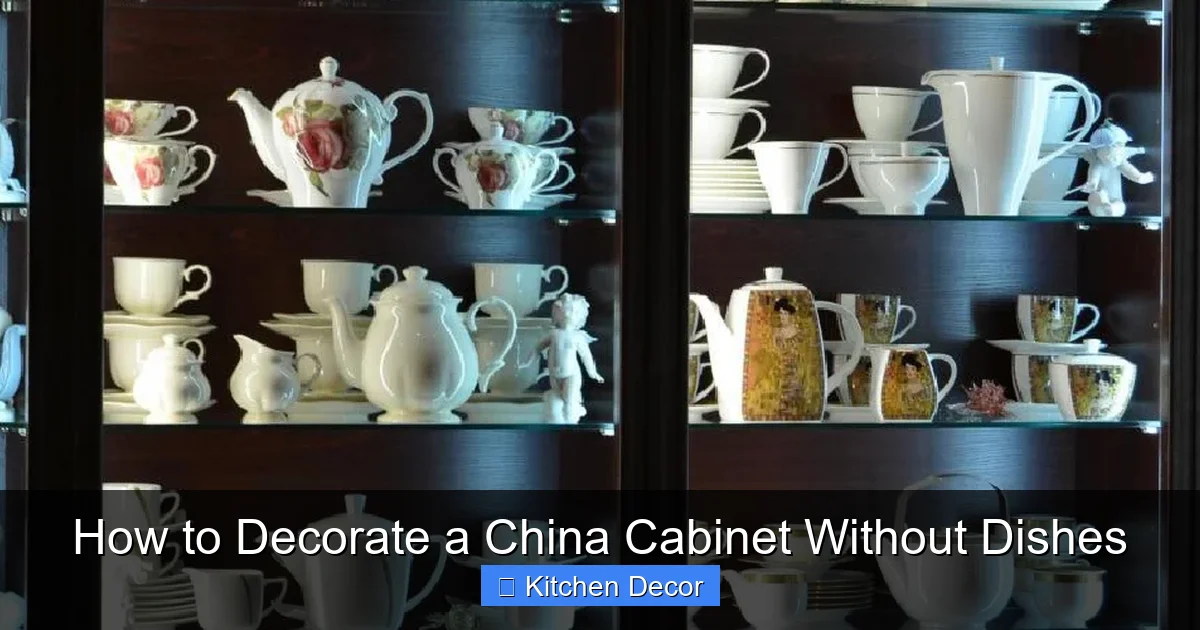
Visual guide about How to Decorate a China Cabinet Without Dishes
Image source: decoratick.com
Popular Theme Ideas to Spark Inspiration
- Literary Library: Dedicate the space to books. Use a mix of hardcovers and paperbacks, arranged by color (a popular, graphic look), by genre, or purely by height. Add a few book-related objects: a vintage magnifying glass, a framed bookplate, a small bust of a favorite author.
- Curated Collections: Do you collect something? Ceramic mugs, vintage cameras, seashells, globes, or colorful glass bottles? A china cabinet is the perfect museum for your collection. Group similar items together but vary their placement—some on shelves, some on small risers.
- Travel & Memory Lane: This is a classic for a reason. Display souvenirs not as dusty trinkets, but as design elements. A straw hat from Mexico, a carved wooden animal from Africa, a framed postcard, and a small vase of sand in a glass jar can create a rich, narrative vignette.
- Botanical Sanctuary: Bring the outdoors in. Use a variety of potted plants (succulents, ferns, small herbs), dried floral arrangements, pressed botanicals in frames, and botanical prints. Vary the pot styles for an organic, collected feel.
- Monochromatic Mood: Choose one color (navy, cream, forest green, terracotta) and stick to it. This creates a sophisticated, calm, and powerful display. Use the color in objects, books, textiles, and even the background (consider painting the interior back of the cabinet a deep shade of your chosen color).
Step 2: The Art of Arrangement – Composition, Scale, and Layering
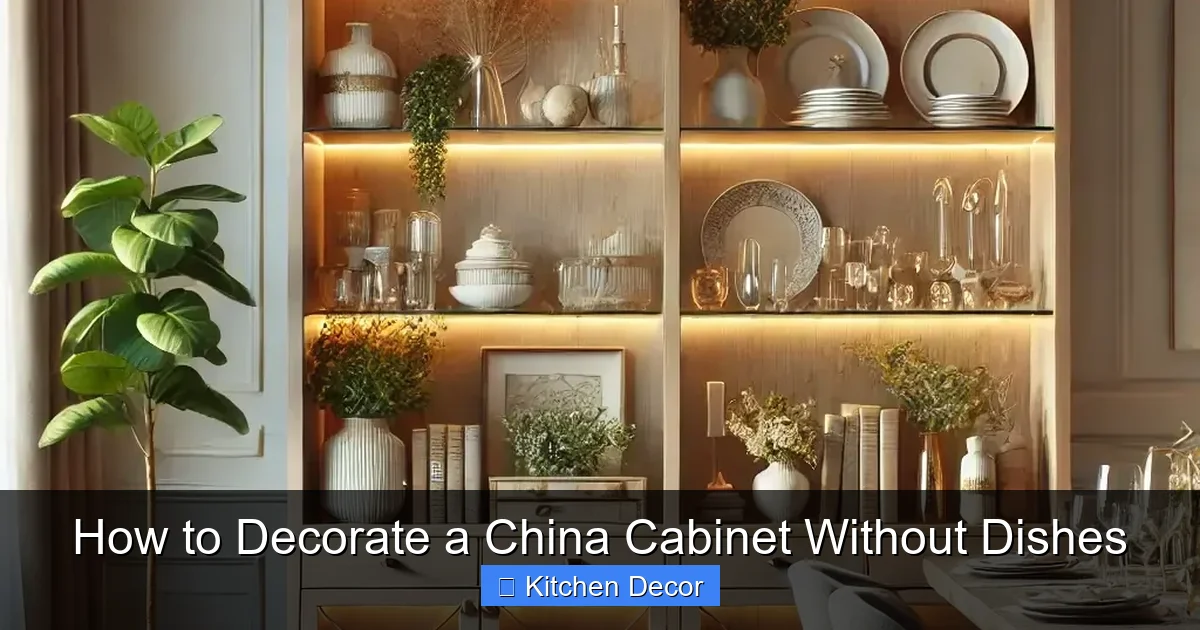
Now for the fun part: placing your objects. The principles of good design apply here just as they do to a room. Think of each shelf as a tiny stage set.
Visual guide about How to Decorate a China Cabinet Without Dishes
Image source: designingaura.com
Master the Trio Rule and Vary Heights
A classic decorating trick is to group items in odd numbers—threes or fives are more dynamic and pleasing to the eye than even numbers. Within those groups, create a clear high point, medium point, and low point. For example, place a tall vase (high), a stack of two books (medium), and a small ceramic sculpture (low) together. This creates a little landscape on your shelf. Use books as the ultimate height and texture adjusters. They can be a base for a small object, a platform to elevate a lamp, or a vertical element themselves.
The Magic of Risers and Layers
Don’t let everything sit flat on the shelf. Use risers—small wooden blocks, vintage cake stands, overturned bowls, or even thick books—to create different levels. This adds depth and makes it look like you have more to showcase. Layer objects in front of each other. A picture frame can partially obscure a vase behind it, creating a sense of discovery and depth. Place a small object directly in front of a larger one to create a foreground and background.
Leave Breathing Room (Negative Space)
This is the most common mistake. We fill every inch. Resist it! Negative space—the empty areas around your objects—is what makes the arrangement feel curated and calm, not cluttered. If a shelf feels too full, remove one item and see if it improves. Let your eyes have a place to rest. This is especially important if your cabinet has glass doors; you want the view to be a pleasure, not a visual assault.
Step 3: What to Display? A Universe of Non-Dish Options
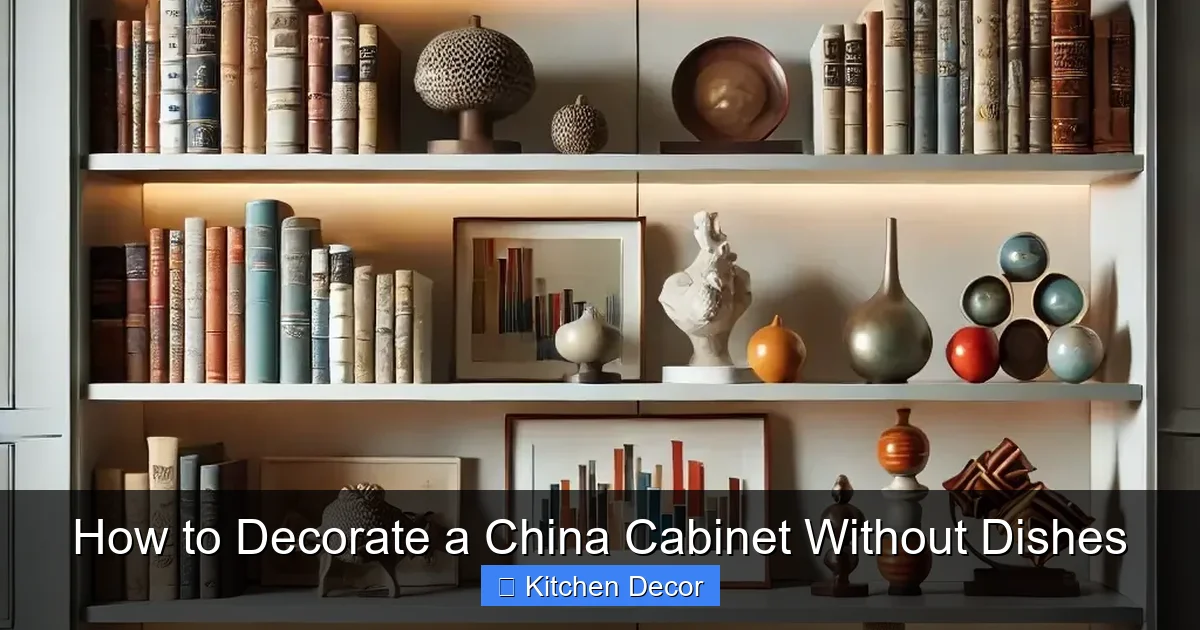
What can you actually put in there? The possibilities are endless, but here are the most effective and beautiful categories to draw from.
Visual guide about How to Decorate a China Cabinet Without Dishes
Image source: designingaura.com
Books, Books, and More Books
We mentioned them as tools, but they are also stars. A shelf of beautiful book spines is instant decor. Look for editions with interesting covers, old cloth-bound volumes, or books arranged by color for a rainbow effect. Don’t feel obligated to keep them alphabetized; this is art, not a library. Mix in a few with their pages fanned out for a relaxed look.
Art & Photography
The inside of a glass-front cabinet is a fantastic, protected spot for original art or cherished photos. Use small frames (3×5, 4×6, 5×7) and lean them against the back wall of the shelf or prop them on small easels. Mix black-and-white photos with colorful sketches. You can even clip postcards or unframed prints to a thin wire strung inside the cabinet with small clothespins for a casual, gallery-like feel.
Natural & Organic Elements
Bring texture and life with nature. A beautiful piece of driftwood, a cluster of interesting pinecones, a smooth, large river stone, a bundle of dried grasses or pampas plumes, a preserved succulent in a geometric terrarium. These elements add an organic, grounding counterpoint to manufactured objects.
Textiles & Soft Goods
Don’t forget fabric! A beautiful silk scarf can be draped over a shelf edge or folded neatly. A small, handwoven textile can be hung like a tiny tapestry on the back interior wall. A stack of colorful cloth napkins or a vintage linen tablecloth, neatly folded, adds softness and pattern. A single, bold throw pillow can sit on a lower shelf.
Functional Objects as Sculpture
Look at everyday items as forms. A beautiful brass telescope, a set of old keys on a hook, a collection of colorful pens in a heavy glass holder, a single, elegant writing desk set (inkwell, pen, blotter), a vintage bottle of perfume, a set of polished silver grooming tools. Their utility is secondary to their beauty.
Personal Memorabilia & Hobby Items
This is where your personality shines. A child’s first painting in a simple frame. A collection of vinyl records stacked neatly. Your running medals. A display of cool rocks or minerals. A series of matchbooks from memorable restaurants. A group of ceramic mugs you’ve collected. Frame a meaningful ticket stub or dried flower from a special event.
Step 4: Light It Up – The Critical Role of Cabinet Lighting
If your cabinet has interior lighting, use it! If it doesn’t, consider adding it. Lighting is what separates a nice display from a wow display. It creates atmosphere, highlights textures, and makes your curated items look intentional and valuable.
Types of Cabinet Lighting to Consider
- Plug-in LED Puck Lights: The easiest solution. These small, round lights stick to the top interior surface with adhesive or screws. They are battery or plug-in, cool to the touch, and provide a clean, downward wash of light. Perfect for highlighting specific objects.
- Battery-Powered Fairy Lights/String Lights: For a softer, more magical glow. Drape them artfully along the top shelf, wind them around a central object like a vase, or create a curtain of light in the back. Choose warm white for a cozy feel.
- Hardwired Track or Strip Lighting: If you’re handy or hiring an electrician, this is the most seamless, professional option. You can install a small track light that shines down or a thin LED strip along the top or sides for an even, shadow-free glow.
Lighting Placement Tips
Place lights to highlight your “high points” or focal objects. Don’t just flood the entire space evenly. Use a spotlight effect to draw the eye to a specific sculpture or collection. If using fairy lights, bunch them in one area rather than spreading them thinly everywhere. The goal is ambiance and focus, not illumination for reading a book.
Step 5: Styling for Seasons & The Art of Rotation
A static display can become background. Keep your china cabinet feeling fresh and relevant by practicing seasonal rotation. You don’t have to change everything. Swap out 30-40% of the items every few months.
Seasonal Swap Ideas
- Spring: Bring in fresh flowers (in small vases), pastel-colored objects, bird nests, egg ornaments, and light, airy textiles.
- Summer: Use coastal elements (shells, coral, blue/white stripes), travel souvenirs from summer trips, bright citrus colors, and lightweight fabrics like linen.
- Fall: Incorporate rich, warm tones (orange, rust, gold). Use dried wheat, small pumpkins, gourds, acorns, cozy knits, and darker wood tones.
- Winter/Holidays: Think cozy and sparkling. Add metallic elements (gold, silver), pinecones, evergreen sprigs, candles (battery-operated for safety), and deeper, moodier colors like navy, forest green, and burgundy.
Pro Tip: Store off-season items in a dedicated box. When it’s time to rotate, you have a curated box of options to choose from, making the process quick and enjoyable rather than a stressful overhaul.
Conclusion: Your Cabinet, Your Story
Decorating a china cabinet without dishes is ultimately an act of personal curation. It’s about looking at a traditional piece of furniture and reclaiming it for your modern life. It’s not about having the “right” things; it’s about having your things. Start with a theme you love, gather objects that tell your story, and arrange them with an eye for balance and breathing room. Don’t be afraid to try, fail, and rearrange. The beauty of this approach is its flexibility. Your cabinet can be a serene, monochromatic meditation one month and a vibrant, travel-filled explosion the next. By using books as design tools, layering textures, and adding light, you transform a potential dust-catcher into a dynamic, personal gallery. So open that cabinet door, look at your treasures with new eyes, and start building a display that is uniquely, unapologetically you.
Frequently Asked Questions
Is it safe to put heavy items like books or stones in a china cabinet?
Yes, but with caution. China cabinets are typically designed for lighter dishware. Always check the weight limit of your shelves, especially if they are glass. Distribute weight evenly and avoid placing very heavy items on the outermost edges of shelves. If in doubt, place heavier items on lower shelves for better stability.
My cabinet shelves are very deep. How do I prevent a jumbled look?
>Use risers or blocks to create a foreground and background. Place your main display objects on a riser at the front, and use the deeper space behind for secondary items or a backdrop like a framed piece of art leaning against the back wall. This creates dimension and organization.
Can I hang things from the interior top of the cabinet?
>Absolutely, if the construction is sturdy. A thin wire or small hook can hold a lightweight mobile, a small basket, or a draped textile. Just ensure whatever you hang is very light and secure, and test the strength of the cabinet’s top before committing.
What if my cabinet doesn’t have interior lighting? Can I still make it look good?
>Yes! Position the cabinet where it gets good natural light from a window. You can also use a small, adjustable desk lamp or a clip-on light placed just outside the glass doors to shine in. Battery-powered puck lights or fairy lights stuck inside are the best DIY solutions for adding that crucial highlight.
How do I incorporate my kids’ artwork without it looking messy?
>Frame it! Simple, consistent black or white frames instantly elevate children’s drawings to gallery status. Lean a few framed pieces against the back wall. You can also clip unframed artwork to a thin wire with mini-clips for a rotating gallery feel. Choose a few special pieces, not every single drawing.
My cabinet has leaded glass or fancy beveling. Does that limit my design?
>Not at all! In fact, it can enhance it. The glass itself becomes part of the decor. Arrange your objects to be viewed through the glass panes. Use the divisions in the glass (like the lead lines) as guides for where to start and end your groupings. Let the beautiful glass be a frame for your display.