Keeping a Viking dishwasher clean extends its life and ensures sparkling dishes every load. Follow our simple, step‑by‑step guide to remove buildup, eliminate odors, and maintain peak performance—all without expensive tools or chemicals. Regular cleaning is quick, easy, and saves you money.
Key Takeaways
- Routine matters: A quick clean every month prevents hard‑water deposits and grime.
- Use safe cleaners: Baking soda, white vinegar, and a soft brush are all you need.
- Check the filter: Removing food particles from the filter stops clogs and bad smells.
- Clean the spray arms: Unblocked holes guarantee proper water flow.
- Run a cleaning cycle: A hot‑water + vinegar run removes hidden residue.
- Maintain the door gasket: Wipe it regularly to avoid mold and leaks.
- Professional help: Call a tech if you notice persistent errors after cleaning.
📑 Table of Contents
- Introduction: Why a Clean Viking Dishwasher Matters
- 1. Gather Your Cleaning Tools
- 2. Empty and Inspect the Dishwasher
- 3. Clean the Filter Thoroughly
- 4. Clean the Spray Arms
- 5. Wipe Down the Interior
- 6. Run a Cleaning Cycle
- 7. Maintenance Tips to Keep Your Viking Dishwasher Running Smoothly
- Conclusion: Your Dishwasher Deserves the Same Care as Your Cookware
Introduction: Why a Clean Viking Dishwasher Matters
Imagine opening your dishwasher to find a faint, sour smell and dishes that still look a little cloudy. That’s what happens when a Viking dishwasher isn’t cared for. Even the most premium appliances need regular TLC. A clean dishwasher works more efficiently, uses less energy, and keeps your plates, glasses, and pots looking brand‑new.
Viking dishwashers are built with high‑quality stainless steel interiors and powerful spray systems. Those features are a blessing—but they also mean that mineral deposits, food particles, and soap scum can hide in hard‑to‑see spots. The good news? You don’t need a professional service for routine upkeep. With a few household items and a bit of time, you can keep your Viking dishwasher sparkling and odor‑free.
1. Gather Your Cleaning Tools
What You’ll Need
- Baking soda: Natural deodorizer and mild abrasive.
- White distilled vinegar: Cuts through mineral buildup.
- Soft brush or old toothbrush: Reaches tight corners without scratching.
- Microfiber cloths: Gentle on stainless steel.
- Rubber gloves: Keeps hands dry and clean.
- Plastic spatula or spoon: For removing large debris.
Why These Items?
All of the above are non‑abrasive, safe for stainless steel, and inexpensive. Avoid harsh chemical cleaners that can damage the interior finish or the dishwasher’s electronic controls.
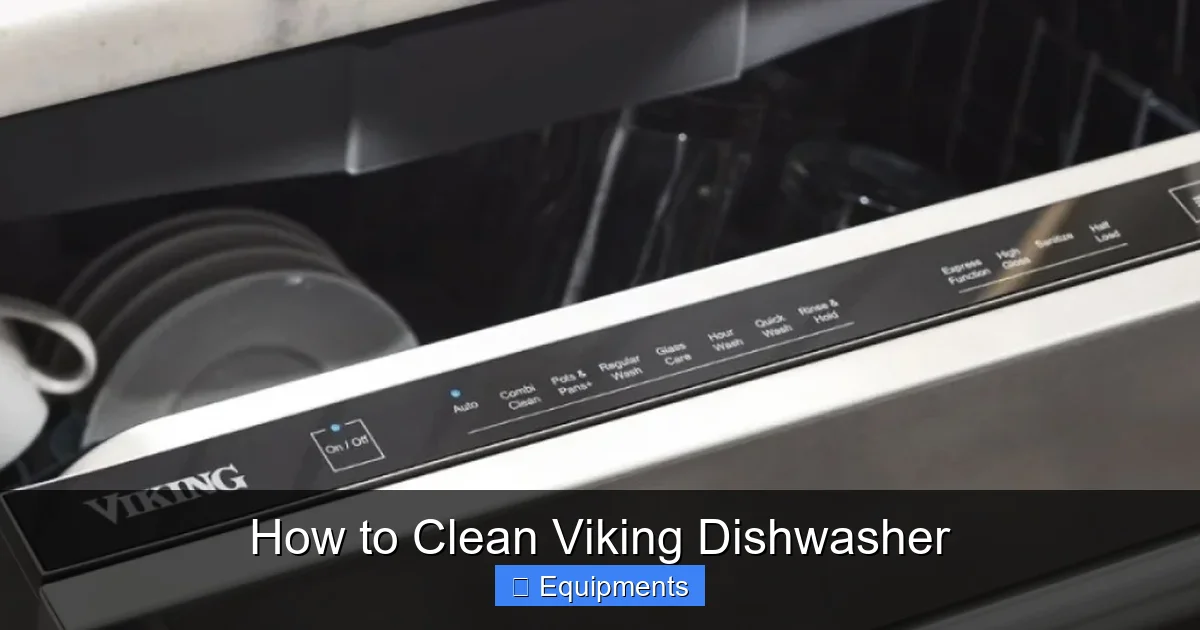
Visual guide about How to Clean Viking Dishwasher
Image source: vikingappliance.support
2. Empty and Inspect the Dishwasher
Step 1 – Remove All Dishes
Take out every plate, cup, and utensil. This gives you full access to the interior and prevents accidental damage.

Visual guide about How to Clean Viking Dishwasher
Image source: vikingappliance.support
Step 2 – Check the Bottom for Debris
Use a plastic spatula to lift any large food pieces that may have settled on the floor of the tub. Dispose of them in the trash—not the sink—to avoid clogs.
Step 3 – Locate the Filter
Most Viking models have a removable filter near the bottom center. It may be a mesh screen or a two‑part assembly. Consult your user manual for exact placement, but generally you’ll see a twist‑off cover.
3. Clean the Filter Thoroughly
Why the Filter Is Critical
The filter catches food particles before they can re‑circulate. When it gets clogged, water flow slows, and odors develop. A clean filter means better cleaning performance.

Visual guide about How to Clean Viking Dishwasher
Image source: vikingappliance.support
Step‑by‑Step Filter Cleaning
- Turn off the dishwasher and unplug it for safety.
- Twist or lift the filter out according to the manual.
- Rinse the filter under warm running water. Use a soft brush to scrub away stubborn bits.
- If the filter is heavily soiled, soak it in a bowl of warm water with a tablespoon of baking soda for 10 minutes, then rinse.
- Re‑install the filter, making sure it snaps or twists back securely.
4. Clean the Spray Arms
Understanding Spray Arm Function
The spray arms spin and force water through tiny holes. Clogged holes result in dry spots on dishes and longer wash cycles.
Removing and Cleaning the Arms
- Upper arm: Usually lifts out by pulling straight up.
- Lower arm: May require unscrewing a retaining nut.
Once removed, rinse each arm under warm water. Use a toothpick or a thin wire to gently poke any blocked holes. For stubborn mineral buildup, soak the arms in a 1:1 solution of white vinegar and water for 15 minutes, then rinse well.
5. Wipe Down the Interior
Cleaning the Door Gasket
The rubber seal around the door collects moisture and can develop mold. Dampen a microfiber cloth with a mixture of equal parts water and vinegar, then run it along the gasket. For extra cleaning power, sprinkle a little baking soda on the cloth before wiping.
Cleaning the Tub Walls
Sprinkle a thin layer of baking soda on the bottom of the tub. Use a soft brush to scrub in circular motions, focusing on corners where grime hides. Wipe away the residue with a damp cloth.
Polishing Stainless Steel
If you notice water spots on the stainless steel interior, wipe them with a cloth dampened with a few drops of white vinegar. Dry immediately with a clean microfiber towel to prevent streaks.
6. Run a Cleaning Cycle
Why a Cleaning Cycle Works
A hot‑water cycle with vinegar dissolves any leftover mineral deposits and sanitizes the interior. Adding baking soda at the end helps neutralize odors.
Step‑by‑Step Cleaning Cycle
- Place a dishwasher‑safe cup or bowl on the top rack.
- Fill the cup with 2 cups of white distilled vinegar.
- Run the dishwasher on the hottest, longest cycle (usually “Heavy” or “Sanitize”).
- When the cycle finishes, sprinkle 1 cup of baking soda across the bottom of the tub.
- Run a short, hot rinse cycle (no dishes inside).
The vinegar eliminates mineral film, while the baking soda absorbs any lingering smells. After the second cycle, open the door and let the interior air dry for 10–15 minutes.
7. Maintenance Tips to Keep Your Viking Dishwasher Running Smoothly
Monthly Mini‑Clean
Every month, repeat steps 2‑5 (quick filter check, gasket wipe, spray‑arm inspection). This prevents buildup before it becomes a problem.
Use Rinse‑Aid
Rinse‑aid reduces water spots and helps keep the interior dry, which discourages mold growth.
Choose the Right Detergent
Viking recommends low‑phosphate, high‑efficiency detergents. Avoid “super‑concentrated” powders that can leave residue.
Run Hot Water Before Starting
Before you start a wash, run the kitchen faucet until the water is hot. This ensures the dishwasher begins with hot water, improving cleaning power and reducing the need for extra cycles.
Watch for Hard‑Water Issues
If you have very hard water, consider a water‑softening unit or adding a dishwasher‑specific water‑softener tablet each month.
Conclusion: Your Dishwasher Deserves the Same Care as Your Cookware
A clean Viking dishwasher not only makes your dishes shine but also saves you money on energy and repairs. By following the simple steps outlined above—filter cleaning, spray‑arm inspection, interior wiping, and a regular vinegar‑baking‑soda cycle—you’ll keep your appliance performing at its best for years to come. Treat your dishwasher like a trusted kitchen partner, and it’ll return the favor with spotless, fresh‑smelling results every time.
Frequently Asked Questions
How often should I clean the filter in my Viking dishwasher?
Ideally, clean the filter once a month. If you cook a lot of greasy or starchy foods, a bi‑weekly clean will keep odors and clogs at bay.
Can I use commercial dishwasher cleaners instead of vinegar and baking soda?
Yes, but choose a product that is labeled safe for stainless steel and free of chlorine. Home‑based vinegar and baking soda are just as effective and much cheaper.
Why does my dishwasher still smell after cleaning?
Check the door gasket and the bottom of the tub for hidden food particles. Also, run an extra rinse cycle with a cup of vinegar to fully eliminate lingering odor.
My spray arm still has water spots after cleaning. What should I do?
Soak the spray arm in a 1:1 vinegar‑water solution for 30 minutes, then use a toothpick to clear any remaining blockages. Re‑install and run a short hot cycle.
Is it safe to use bleach in a Viking dishwasher?
Bleach can damage the stainless steel interior and corrode rubber seals. Stick to vinegar, baking soda, or dishwasher‑specific cleaners.
What should I do if my dishwasher shows an error code after cleaning?
Turn off the unit, wait a few minutes, and restart. If the error persists, consult the user manual’s troubleshooting section or call a Viking‑authorized service technician.