Making kiwi apple juice at home is a simple, rewarding process that yields a nutrient-packed, delicious drink. By focusing on fresh ingredients, the right equipment for 2026, and a few key techniques, you can create a superior beverage. This guide walks you through everything from selecting the best produce to storing your juice, ensuring perfect results every time.
Key Takeaways
- Fresh, ripe ingredients are non-negotiable: The flavor and nutrient profile of your juice depend entirely on the quality of your kiwis and apples. Choose soft, fragrant kiwis and crisp, sweet apples.
- Your equipment defines your juice: A high-quality juicer extracts more liquid and nutrients than a blender. For 2026, consider smart or slow-speed masticating models for optimal yield and oxidation prevention.
- Prep work prevents bitterness: Always peel kiwis (the skin can be bitter and fuzzy) and core apples (seeds contain amygdalin). Proper prep ensures a smooth, pleasant taste.
- Ratio is key for balance: A classic starting ratio is 2-3 apples to 1 kiwi. Adjust based on apple sweetness and your preferred tartness level.
- Consume or store immediately: Freshly pressed juice begins oxidizing instantly. For best flavor and nutrients, drink it within 24 hours, stored in an airtight, UV-protected container in the fridge.
- Pulp is a bonus, not waste: The leftover fiber-rich pulp can be added to smoothies, oatmeal, or baked goods, maximizing your nutritional intake and reducing waste.
- 2026 trend: Smart & Sustainable: The latest equipment focuses on energy efficiency, easier cleaning, and app connectivity for recipe guidance and maintenance alerts.
📑 Table of Contents
- Why Combine Kiwi and Apple? A Perfect Nutritional and Flavor Partnership
- Your 2026 Toolkit: Essential Equipment for Superior Juice
- Step-by-Step: Crafting Your Perfect Kiwi Apple Juice
- Pro Tips for 2026: Elevating Your Juice Game
- Health & Nutrition Spotlight: What Your Juice Is Doing For You
- Conclusion: Your Journey to the Perfect Glass Starts Now
Why Combine Kiwi and Apple? A Perfect Nutritional and Flavor Partnership
Before we dive into the “how,” let’s talk about the “why.” Combining kiwi and apple isn’t just a happy accident; it’s a strategic pairing that creates a juice greater than the sum of its parts. Apples, especially sweeter varieties like Fuji or Gala, provide a familiar, honeyed base and a generous dose of soluble fiber and vitamin C. Kiwis, the vibrant green powerhouses, contribute a dazzling tartness, an incredible amount of vitamin C (even more than oranges!), vitamin K, potassium, and the digestive enzyme actinidin.
This synergy means your kiwi apple juice is a double-duty immune booster, a digestive aid, and a hydrating electrolyte drink. The natural sugars from the apple perfectly balance the kiwi’s zesty tang, creating a complex flavor profile that’s refreshing without being cloying. It’s a classic combo that continues to shine in 2026 as people seek functional, tasty beverages made with whole foods.
Your 2026 Toolkit: Essential Equipment for Superior Juice
The single most important factor in determining your juice’s yield, texture, and nutrient retention is your equipment. The landscape of home juicing has evolved significantly, with 2026 trends emphasizing efficiency, longevity, and user experience. Here’s your breakdown.
Visual guide about Steps on How to Make Kiwi Apple Juice? Good Tips in 2026
Image source: healthiersteps.com
The Core Choice: Juicer vs. Blender
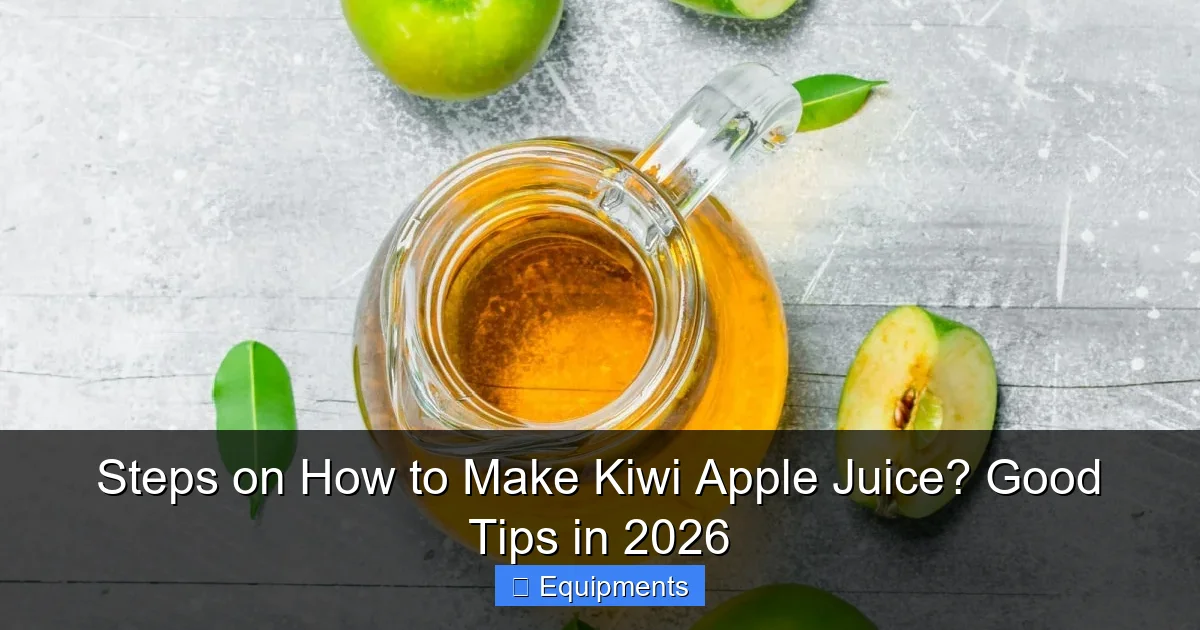
This is the fundamental decision. A high-speed blender (like a Vitamix or Blendtec) will pulverize the entire fruit, creating a thick, smoothie-like beverage that includes all the fiber. This is excellent for satiety but results in a heavier drink and shorter shelf life due to immediate oxidation from the exposed pulp. For a clear, light, and traditionally defined juice, a dedicated juicer is the champion. It separates the liquid from the pulp, yielding a drink that is easier to consume quickly and can be stored slightly longer with minimal degradation.
2026 Juicer Trends: What to Look For
If you’re investing in a new machine this year, prioritize these features:
- Masticating (Slow) Juicers: These remain the gold standard for produce like leafy greens, wheatgrass, and softer fruits. They crush and press at low speeds (40-100 RPM), generating minimal heat and oxidation. This preserves delicate enzymes and nutrients, yielding more juice with less foam. Brands like Omega, Hurom, and Tribest lead with models featuring improved auger designs for easier feeding and cleaning.
- Smart Connectivity: The biggest 2026 trend is app integration. New models from brands like Kuvings and Breville connect via Bluetooth to offer guided recipes (perfect for your kiwi apple ratios!), cleaning cycle timers, maintenance reminders, and nutritional breakdowns for your specific juice batch.
- Ultra-Wide Feed Chutes: Say goodbye to tedious chopping. Modern juicers feature 3-inch or larger chutes that can accommodate whole apples (after coring) and large kiwis, dramatically cutting prep time.
- Ease of Cleaning Systems: Look for dishwasher-safe components (except for motor bases) and designs with fewer crevices. Some 2026 models boast “one-touch rinse” features where water flushes through the mechanism with a button press.
Must-Have Accessories
Regardless of your machine, a few tools make the process seamless: a sturdy cutting board, a sharp chef’s knife for coring and peeling, a measuring cup for consistency, and most importantly, airtight glass jars (like Mason jars) with UV-protective sleeves or dark glass for storage. A fine-mesh strainer can be used for a second pass if you prefer absolutely no pulp.
Step-by-Step: Crafting Your Perfect Kiwi Apple Juice
With your ingredients and equipment ready, let’s get juicing. This process is designed for a masticating juicer, but I’ll note blender adjustments.
Visual guide about Steps on How to Make Kiwi Apple Juice? Good Tips in 2026
Image source: all-about-juicing.com
Step 1: Ingredient Selection and Preparation (The Foundation)
For Apples: You want a balance of sweetness and acidity. In 2026, heirloom and regional varieties are more accessible than ever. Fuji, Honeycrisp, or Gala are excellent sweet choices. For a tart edge, add one Granny Smith. Tip: Give them a firm squeeze; they should feel heavy and solid. Avoid any with soft spots or bruises.
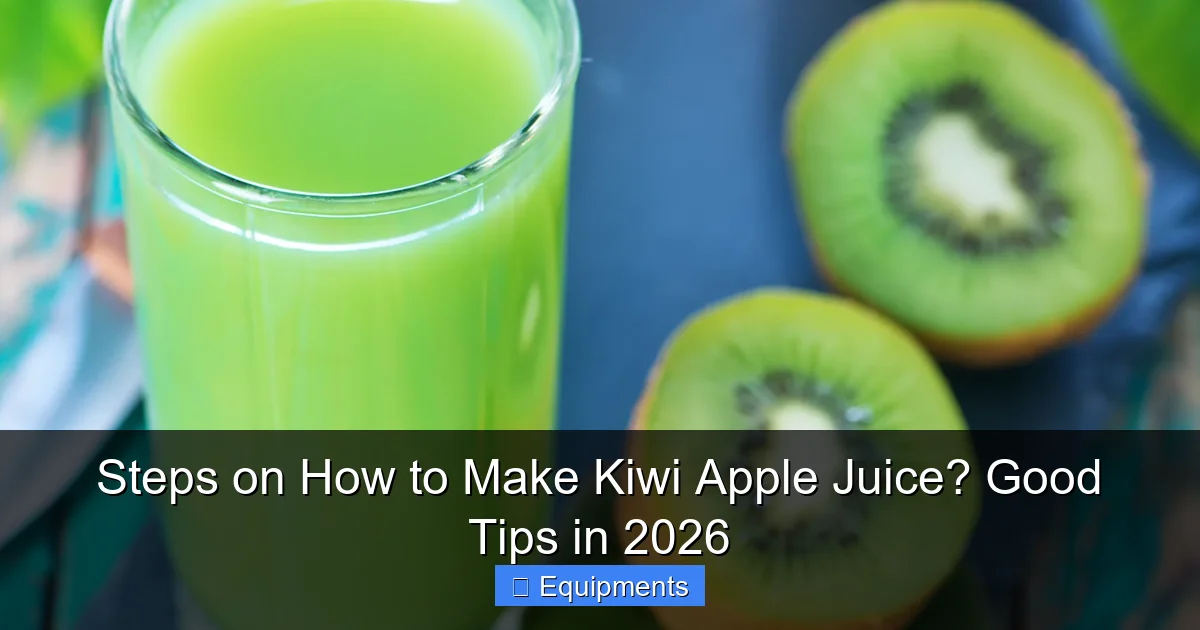
For Kiwis: The golden kiwi is a 2026 superstar—less tart, sweeter, and with a smoother skin than its fuzzy green counterpart. However, the classic green Hayward kiwi offers that signature tang. Choose kiwis that yield slightly to gentle pressure, indicating ripeness. Critical Prep: Peel the kiwis! The fuzzy skin is not only unpleasant in texture but can have a bitter, tannic flavor. Use a vegetable peeler or a spoon to scoop the flesh out after slicing in half.
Action: Wash all produce thoroughly. Core the apples and cut them into chunks that fit your juicer’s chute (often 1-2 inches). Peel and halve the kiwis.
Step 2: The Juicing Sequence (Order Matters)
When using a masticating juicer, the order you feed ingredients can affect efficiency. Start with a few pieces of apple. This helps “prime” the auger and begins the juice stream. Then, alternate between apple and kiwi chunks. This prevents the softer kiwi from pulping alone and getting stuck, and it helps push the kiwi through with the firmer apple. Finish with a few more apple pieces to flush the system. For Blender Users: Add all prepped fruit to the blender with a splash of filtered water (start with 1/4 cup) to get the blades moving. Blend on high until completely smooth. Then, pour the mixture through a nut milk bag or fine-mesh sieve over a bowl, squeezing vigorously to extract the juice. This is more labor-intensive but works.
Step 3: Stir, Taste, and Adjust
Once juiced, give your kiwi apple juice a gentle stir. The pulp will have settled. Take a small taste. This is your moment to customize. Is it too tart? Add another chunk of sweet apple and re-juice or stir in a teaspoon of raw honey or a medjool date. Not tangy enough? A squeeze of fresh lemon juice or a bit more kiwi will brighten it. Remember, it’s your juice—make it sing for your palate.
Step 4: Immediate and Proper Storage
Transfer your juice immediately from the juicer’s collection container into your pre-chilled, airtight glass jar. Fill it to the very top to minimize air exposure. Seal tightly. If your jar is clear, wrap it in aluminum foil or store it in a dark cupboard. Refrigerate immediately. For maximum potency and flavor, consume within 12-24 hours. You’ll notice the juice separating—this is natural. Simply give it a vigorous shake before drinking. The inclusion of kiwi’s actinidin enzyme means this juice can tenderize meat, so keep it sealed away from other foods in the fridge!
Pro Tips for 2026: Elevating Your Juice Game
Go beyond the basic recipe with these forward-thinking tips that leverage modern knowledge and tools.
Visual guide about Steps on How to Make Kiwi Apple Juice? Good Tips in 2026
Image source: i.pinimg.com
The Temperature Trick for Maximum Yield
Chill your apples and kiwis in the refrigerator for at least an hour before juicing. Cold produce is firmer, juices more cleanly, and the resulting juice is colder and more refreshing. For masticating juicers, some 2026 models even have a “pre-chill” setting for the hopper to maintain optimal temperature.
Boost the Flavor Profile (The 2026 “Add-In” Trend)
The base is perfect, but subtle additions can create signature blends. Try one of these in your next batch:
- Fresh Ginger (1-inch knob): Adds warmth and a metabolic kick. Peel and juice with the fruit.
- Fresh Mint or Basil (3-4 leaves): Incredibly refreshing. Add directly to the juicer chute.
- Lemon or Lime (1/2 fruit, peeled): Amplifies brightness and acts as a natural preservative.
- Turmeric Root (1-inch knob, peeled): For an anti-inflammatory boost. Its earthy flavor pairs surprisingly well with the sweet-tart base.
Don’t Waste the Pulp: Zero-Waste Ideas
The leftover pulp is a treasure trove of fiber. In 2026, the zero-waste kitchen is a core philosophy. Store the pulp in a container in the fridge for 3-4 days or freeze it in ice cube trays for smoothie boosters. Use it in:
- Oatmeal or Yogurt Bowls: Stir a spoonful in for texture and nutrients.
- Baking: Add to muffins, pancakes, or bread recipes for moisture and fiber (reduce other liquids slightly).
- Soup Thickener: Stir into vegetable soups for body.
- Homemade Fruit Leather: Mix pulp with a little honey, spread thin, and dehydrate.
Smart Equipment Maintenance
Your 2026 juicer is an investment. Clean it immediately after use before pulp dries and hardens. Disassemble all parts and rinse under warm water. Use the included cleaning brush for the mesh basket/auger. For stubborn kiwi fibers, soak parts in a solution of warm water and a tablespoon of citric acid or lemon juice for 10 minutes. Many smart models now have self-cleaning cycles—use them weekly. Proper maintenance ensures longevity and consistent performance.
Health & Nutrition Spotlight: What Your Juice Is Doing For You
This isn’t just a tasty drink; it’s a functional food. A standard 16-ounce serving of our kiwi apple juice (made with 2 large apples and 1 large kiwi) provides:
- Over 200% of your daily Vitamin C: A powerful antioxidant from both fruits that supports immune function, skin health, and collagen production.
- Significant Potassium: Crucial for heart health, blood pressure regulation, and muscle function.
- Actinidin (from kiwi): A unique protease enzyme that aids in the digestion of proteins, making this juice an excellent companion to meals.
- Hydration: With a water content over 85%, it’s a delicious way to boost fluid intake.
- Antioxidants & Phytonutrients: Including quercetin (from apple skin) and various carotenoids and polyphenols that combat oxidative stress.
Important Note: While nutritious, this juice is high in natural sugars. For those monitoring carbohydrate intake (e.g., diabetics), it should be consumed in moderation and as part of a balanced diet. The fiber removal means it doesn’t provide the same blood sugar-stabilizing effect as eating the whole fruit.
Conclusion: Your Journey to the Perfect Glass Starts Now
Making kiwi apple juice at home is one of the simplest and most satisfying kitchen projects you can undertake. It connects you directly to your food, puts you in control of the ingredients, and delivers a fresher, more vibrant product than any store-bought version. As we move further into 2026, the tools are smarter and the knowledge deeper, but the core principle remains: great juice starts with great produce and a respect for the process.
Don’t be intimidated by the equipment talk. Start with whatever juicer or blender you have. Use the classic 2:1 apple-to-kiwi ratio as your baseline. Peel, core, juice, stir, and sip. Embrace the learning curve. Your first batch might be a little tart or a little sweet, and that’s okay. With each pour, you’ll learn to adjust to your unique taste. Soon, you’ll be crafting custom blends that your family requests by name. So, grab those crisp apples and fuzzy kiwis, fire up your machine—whether it’s a 2025 classic or a 2026 smart model—and experience the unparalleled joy of a glass of juice that is truly, wholly, yours.
Frequently Asked Questions
Can I make kiwi apple juice without a juicer?
Yes, you can use a high-speed blender. Blend all peeled, cored, and chopped fruit with a small amount of filtered water until smooth. Then, pour the mixture through a fine-mesh sieve or nut milk bag, squeezing firmly to extract the juice. This method includes more fiber and pulp, creating a thicker, smoothie-like drink.
What is the best apple to kiwi ratio?
A great starting point is a 2:1 or 3:1 ratio of apples to kiwi (e.g., 2-3 medium apples to 1 large kiwi). Sweeter apples like Fuji or Gala can handle more kiwi for tartness. For a tarter juice, use a tart apple like Granny Smith and lean toward the 2:1 ratio. Always taste and adjust after your first batch.
Is it safe to drink the pulp or should I always strain it out?
In a masticating juicer, very little pulp makes it into the juice. If you’re using a blender and straining, you’ll remove most of the pulp. The pulp is perfectly safe and nutritious—it’s just fiber. Whether you drink it or strain it is a personal preference for texture. Many enjoy a little pulp for added body and fiber.
Can I sweeten the juice without adding sugar?
Absolutely. The best approach is to choose naturally sweeter apples (like Fuji or Honeycrisp) and ensure your kiwis are perfectly ripe. If you need extra sweetness, blend in a pitted, soaked medjool date or a tiny drizzle of raw honey or maple syrup after juicing. A pinch of sea salt can also enhance perceived sweetness.
I don’t have a masticating juicer. Will a centrifugal (high-speed) juicer work?
Yes, a centrifugal juicer will work and is fast. However, it produces more heat and foam, which can lead to faster oxidation and nutrient loss. The juice from centrifugal models separates quickly and has a shorter optimal shelf life (best consumed immediately). For frequent juicing, a slow masticating model is superior, but centrifugal is fine for occasional use.
How long can I store homemade kiwi apple juice?
For peak flavor, color, and nutrient retention, store your juice in an airtight, UV-protected container in the refrigerator and consume it within 24 hours. At most, it will remain safe and tasty for up to 48 hours, but you’ll notice significant separation, color darkening, and flavor degradation. Never leave it at room temperature for more than 2 hours. Freezing is not recommended as it can affect the texture and cause separation upon thawing.